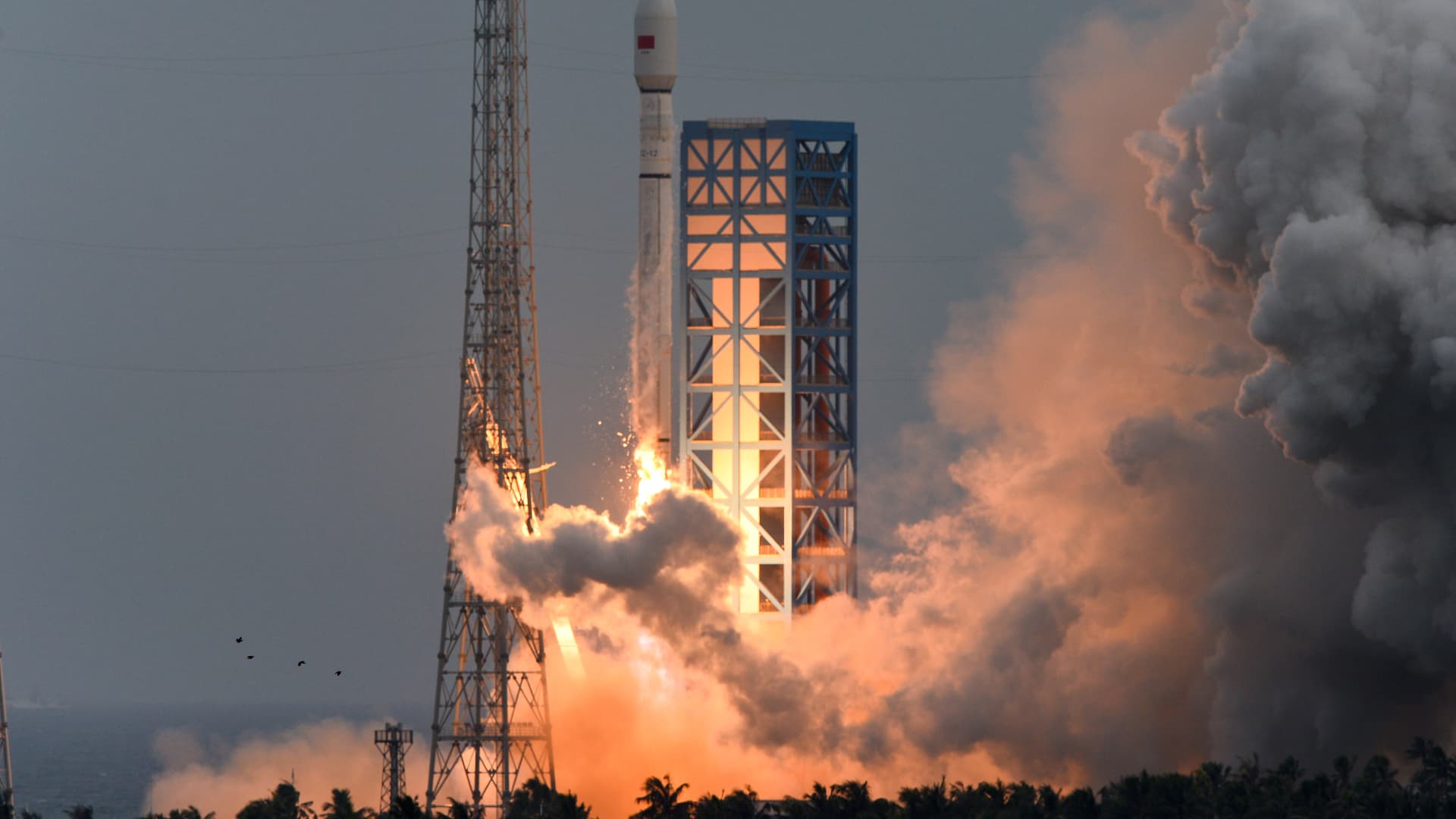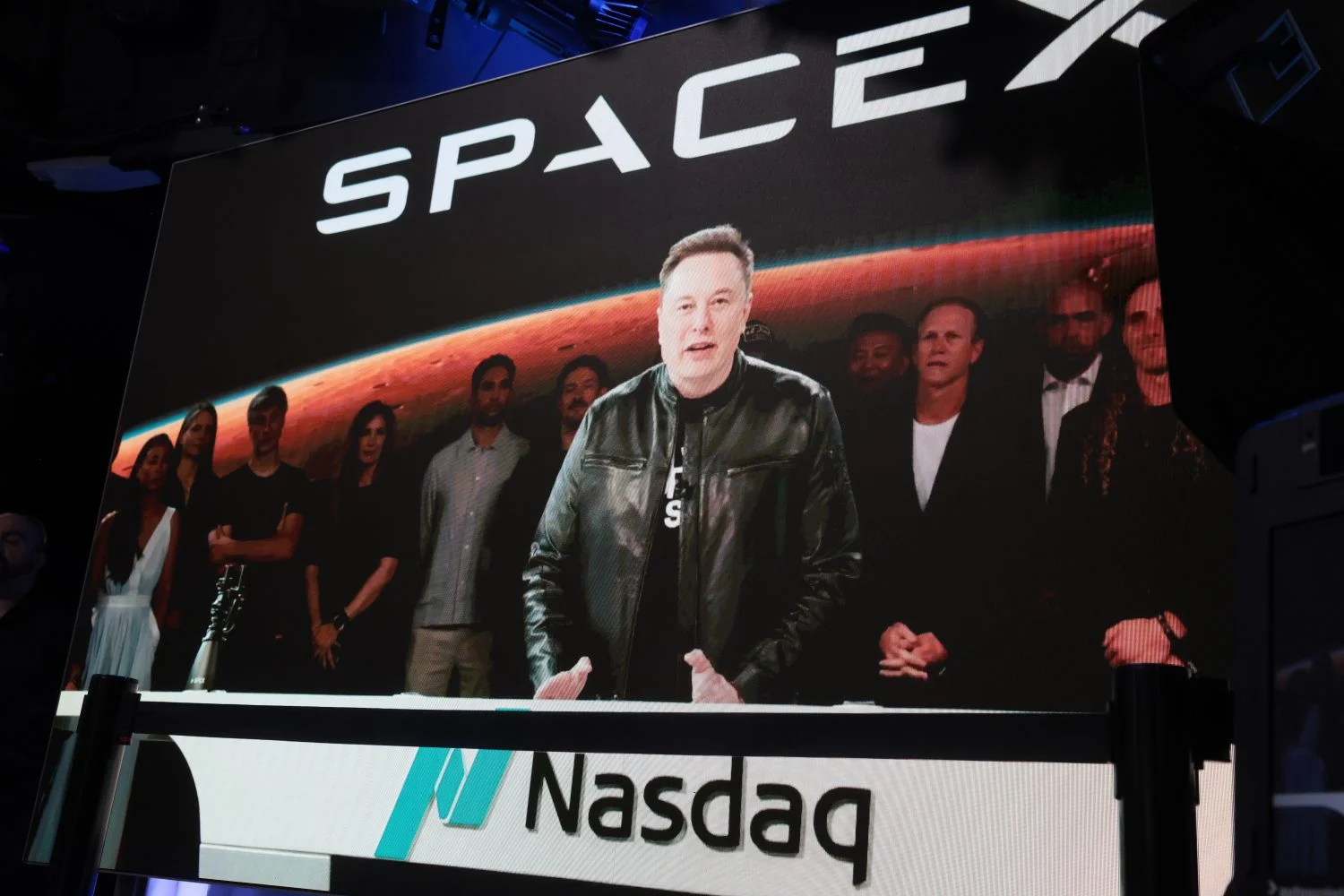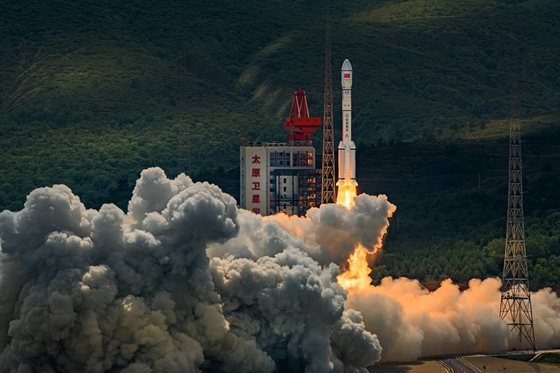
1. Space has emerged as a vital strategic domain shaped by limited resources and rapid technological change, heightening competition among major global powers. This became evident in March when Elon Musk publicly denied claims that U.S. airstrikes in Iran had used SpaceX’s Starlink terminals in weapons, emphasizing SpaceX’s strict policy against using Starlink for weapon systems and clarifying the U.S. government’s reliance on its own Starshield network. The incident underscored Starlink’s growing significance and its position as the world's largest low-Earth orbit satellite network, now operating over 6,750 satellites, or more than two-thirds of all active LEO satellites, while also substantially improving SpaceX’s financial health and making possible a future IPO potentially valued at $1.5 trillion[para. 1][para. 2][para. 3][para. 4][para. 5].2. The rapid advances by SpaceX have catalyzed investment and urgency from rivals, particularly China, which is investing heavily in its commercial space sector amid a regulatory environment where satellite spectrum is awarded on a first-come, first-served basis. This means firms that move quickly have a lasting advantage, and with LEO capacity of about 60,000–100,000 satellites, Starlink's filings account for roughly half that. In December 2025, China applied to deploy an additional 203,000 satellites, signaling its determination to become a dominant player[para. 6][para. 7][para. 8][para. 9].3. Starlink’s “blueprint” for success involved years of investment, with the company reaching cash-flow breakeven in 2023. Its business model blends direct-to-consumer hardware and subscriptions with lucrative enterprise and government contracts, and now supports over 16 million users worldwide. Starlink’s technological edge is attributed to reusable rockets and mass-produced satellites, cutting costs dramatically (from about $1 million to $250,000 per satellite), a virtuous cycle that further accelerates adoption and lowers costs. By 2025, SpaceX revenue was estimated at $15–16 billion, with Starlink contributing 50–80% of the total. Starlink's strategic value has been proven in both military and civilian contexts, with key deployment during the Russia-Ukraine conflict, in disaster recovery, and in partnership with major telecom operators like Ukraine's Kyivstar. The second-generation Starlink satellites, expected in mid-2027, promise up to 20 times the current link performance, while Starlink's impact is influencing Chinese space industry ambitions[para. 10][para. 11][para. 12][para. 13][para. 14][para. 15][para. 16][para. 17][para. 18][para. 19].4. Inspired by SpaceX, China has seen rapid growth in its commercial aerospace sector, drawing considerable capital and policy support. Two flagship projects stand out: China SatNet’s government-backed GW/Guowang constellation (12,992 satellites planned, with 154 deployed as of 2025), and Spacesail Technologies’ Qianfan constellation (ultimately aiming for 15,000 satellites, with international expansion starting in Brazil). Despite widespread investment and policy support, commercial viability remains an open question due to China’s robust terrestrial 5G network, though strategic independence in space infrastructure remains a key policy driver[para. 20][para. 21][para. 22][para. 23][para. 24][para. 25][para. 26][para. 27][para. 28][para. 29][para. 30][para. 31].5. China’s most significant challenge is developing reusable rocket technology to match SpaceX's efficiency, as most Chinese rockets remain single-use and more expensive. Several Chinese commercial rocket companies are racing to close this gap, with the first successful reusable tests possible by 2027. China’s launch activity is growing rapidly, with 92 launches (50 commercial) and 311 commercial satellites deployed in 2025, but tight regulatory controls and slow approval processes still limit progress. Nonetheless, China is constructing new launch infrastructure and expects over 100 launches in 2026—more than 60% commercial. The main determinants of future progress will be mass-production of satellites and increased launch frequency[para. 32][para. 33][para. 34][para. 35][para. 36][para. 37][para. 38][para. 39][para. 40][para. 41][para. 42][para. 43][para. 44][para. 45][para. 46][para. 47].6. The next frontier is in-orbit artificial intelligence computing, with Musk’s vision of space-based data centers powered by solar energy, aiming for higher power efficiency than terrestrial counterparts. China is also pursuing this direction, exemplified by Zijiang Lab’s “Three-Body Computing Constellation” and other startups raising funds for space computing. In-orbit processing can alleviate data transmission bottlenecks, offering a competitive edge to entities lacking global ground networks. The battle for orbital slots and spectrum continues to intensify, with Musk planning to lower Starlink’s operational altitude to near China’s Tiangong space station, highlighting rising stakes and an escalating race for technology and capacity dominance in space[para. 48][para. 49][para. 50][para. 51][para. 52][para. 53][para. 54][para. 55].AI generated, for reference only
In Depth: China Satellite Investment Soars as SpaceX Sparks Race for Piece of the Sky
With limited capacity in low-Earth orbit and Elon Musk’s company already far ahead, Beijing is pouring funding into constellations, rockets and commercial space ventures
689 words~3 min read