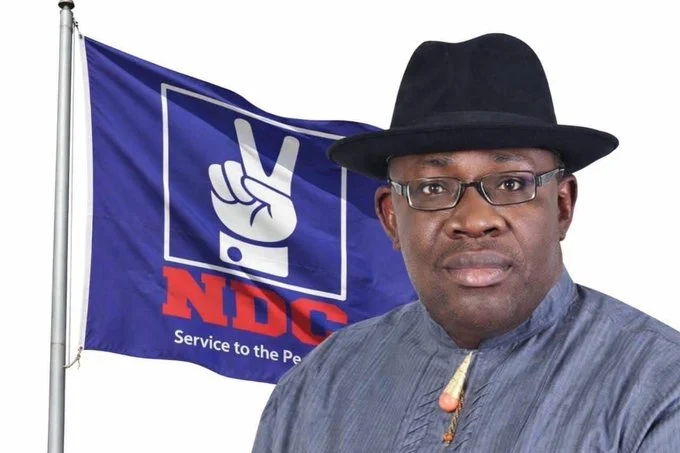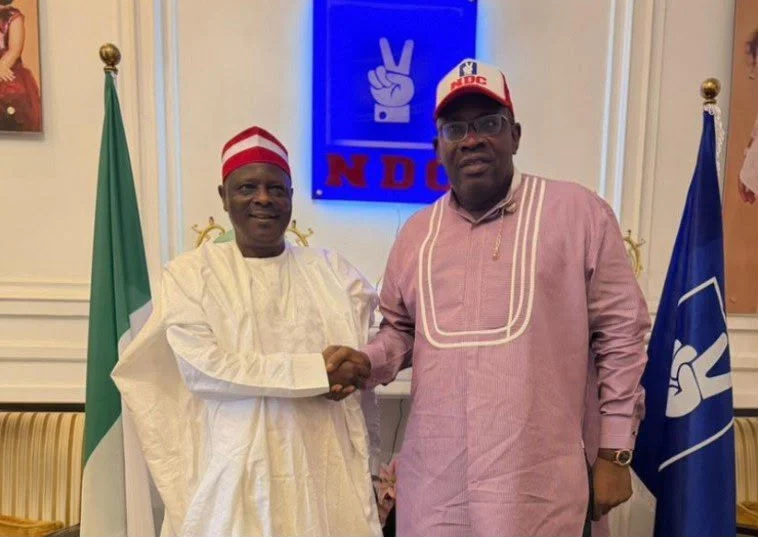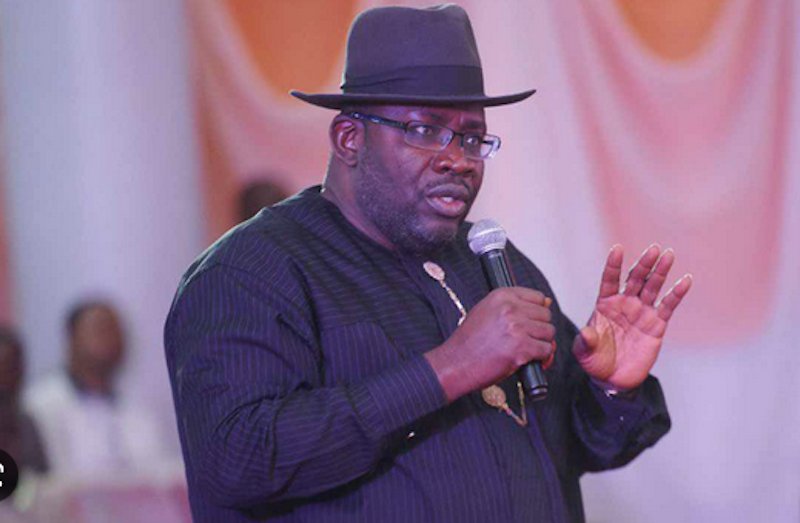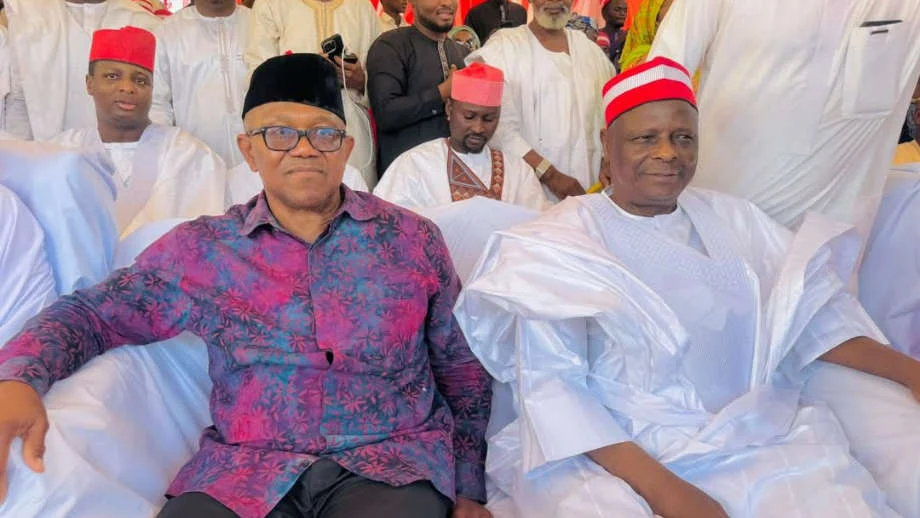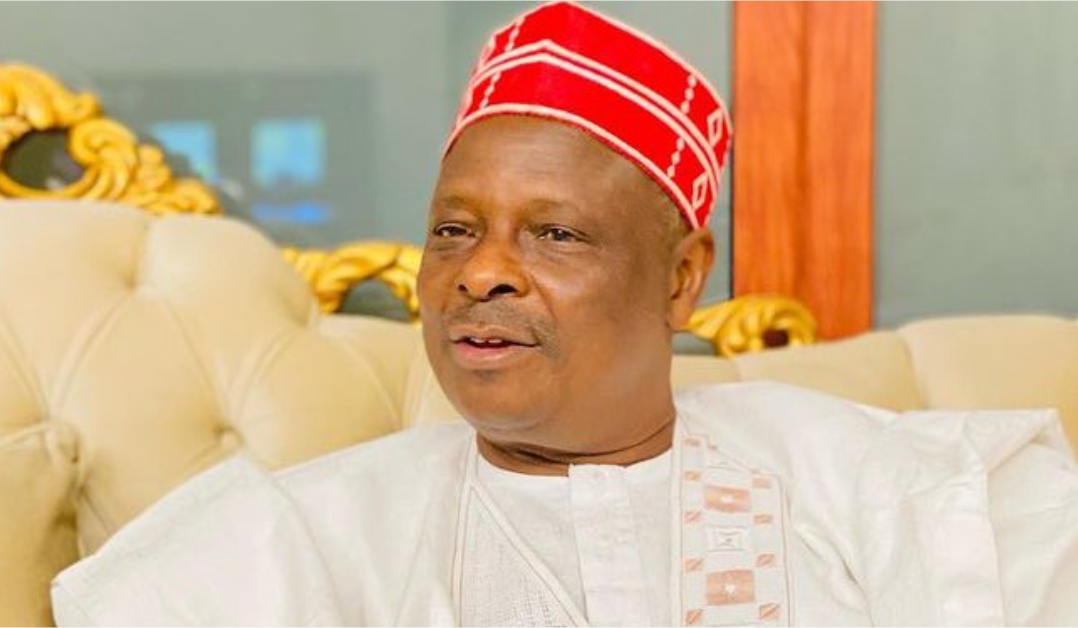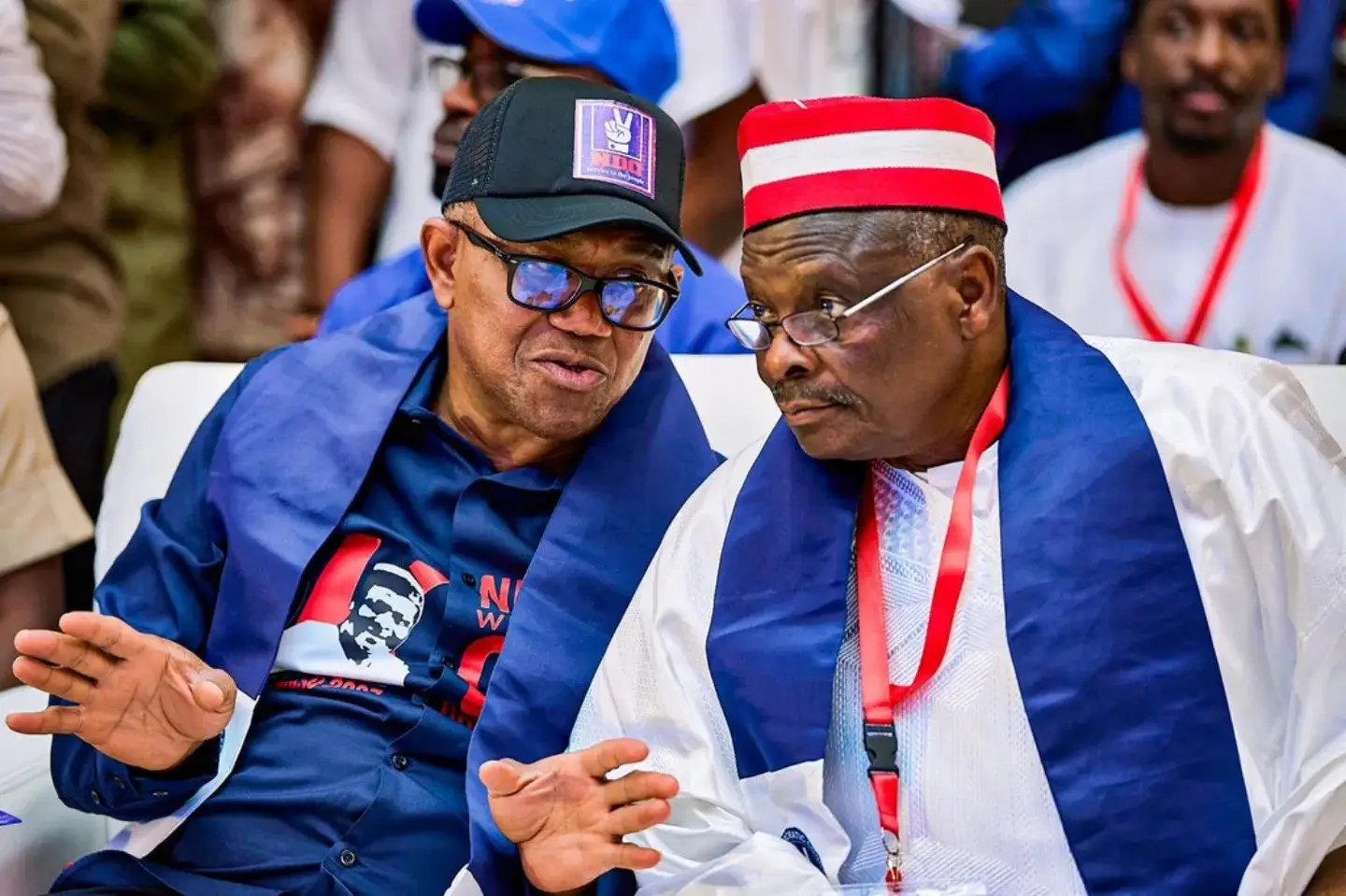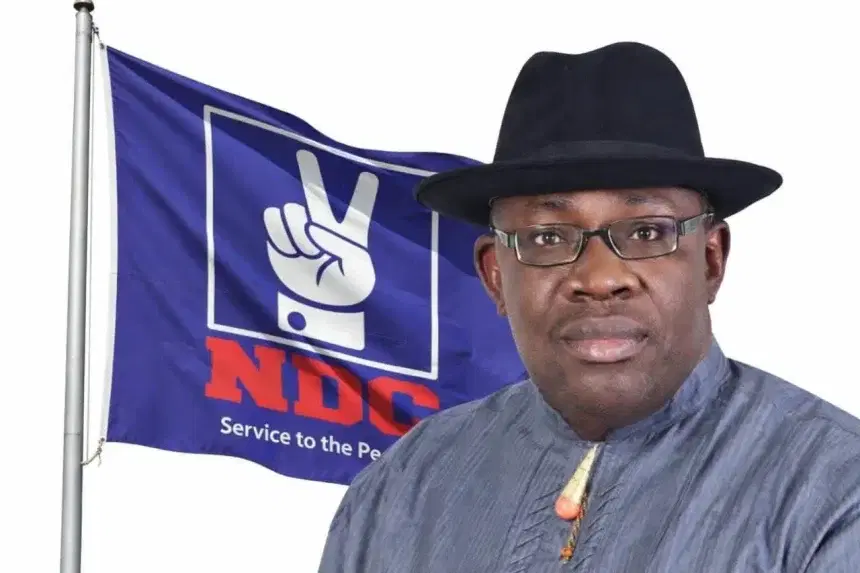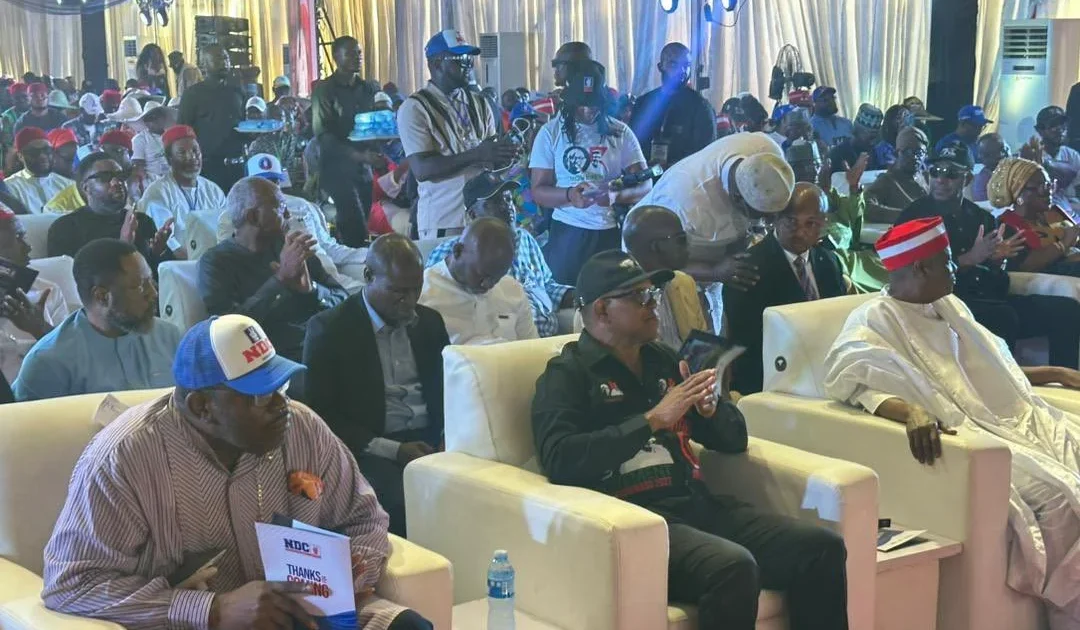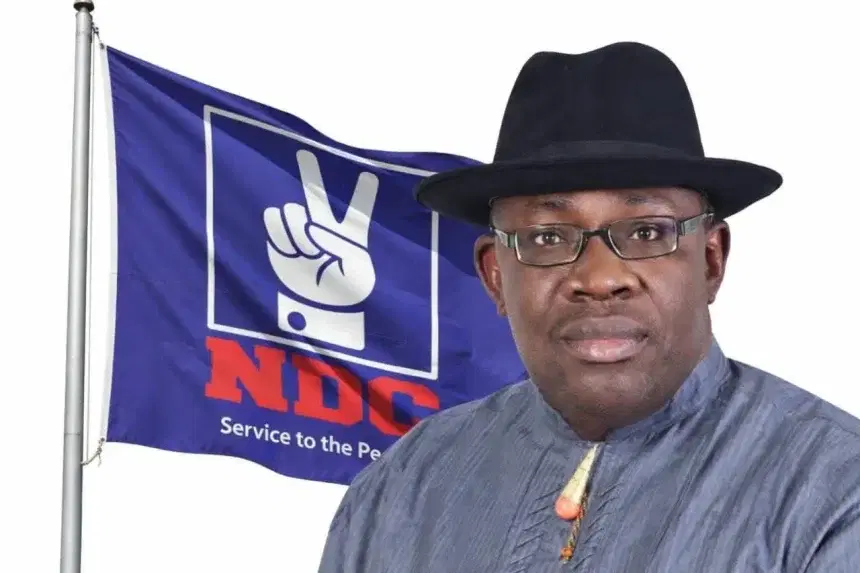
Senator Seriake Dickson, founder and leader of the Nigerian Democratic Congress, NDC, and the duo of Peter Obi and Rabiu Kwankwaso, the party’s presidential flagbearer and running mate, are in a marriage of convenience. Obi and Kwankwaso were like a driver in need of a vehicle; Dickson’s NDC was a vehicle in need of a driver. So, the marriage was consummated out of necessity and desperation, not love. But the unsavoury personal and relational dynamics pose serious threats to a stable government were the strange union to produce the presidency in 2027. It would be a child of a dysfunctional marriage.
But before we come to the hypothetical dysfunctionality of an NDC presidency, can the party really produce the president in 2027? Answering that question requires a structural analysis of the party. Keen observers of Nigerian political history would see some parallels between NDC and the Alliance for Democracy, AD, a regional South-West party that attempted to produce the Nigerian president in 1999. Interestingly, Senator Dickson was the first national legal adviser of the AD, and he probably mimicked the party in forming the NDC as a regional Niger Delta/South-South party with aspirations to produce national leadership. There’s also a parallel between the iron grip that AD attempted to have on its elected officials and the anti-defection oath that NDC recently imposed on its aspirants, of which more later.