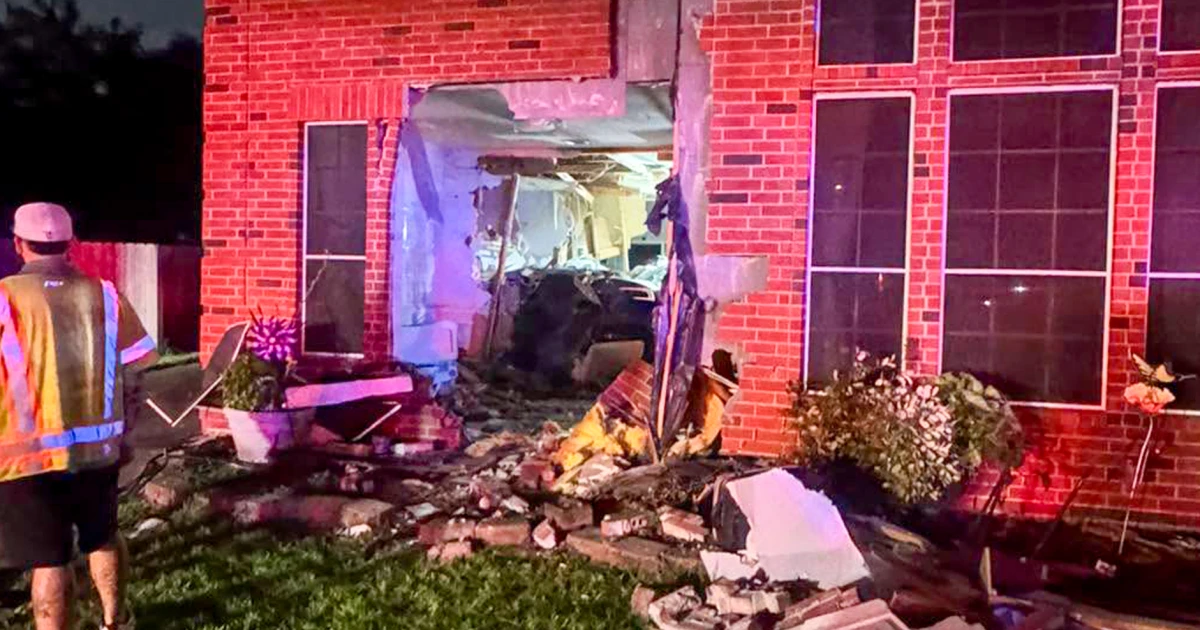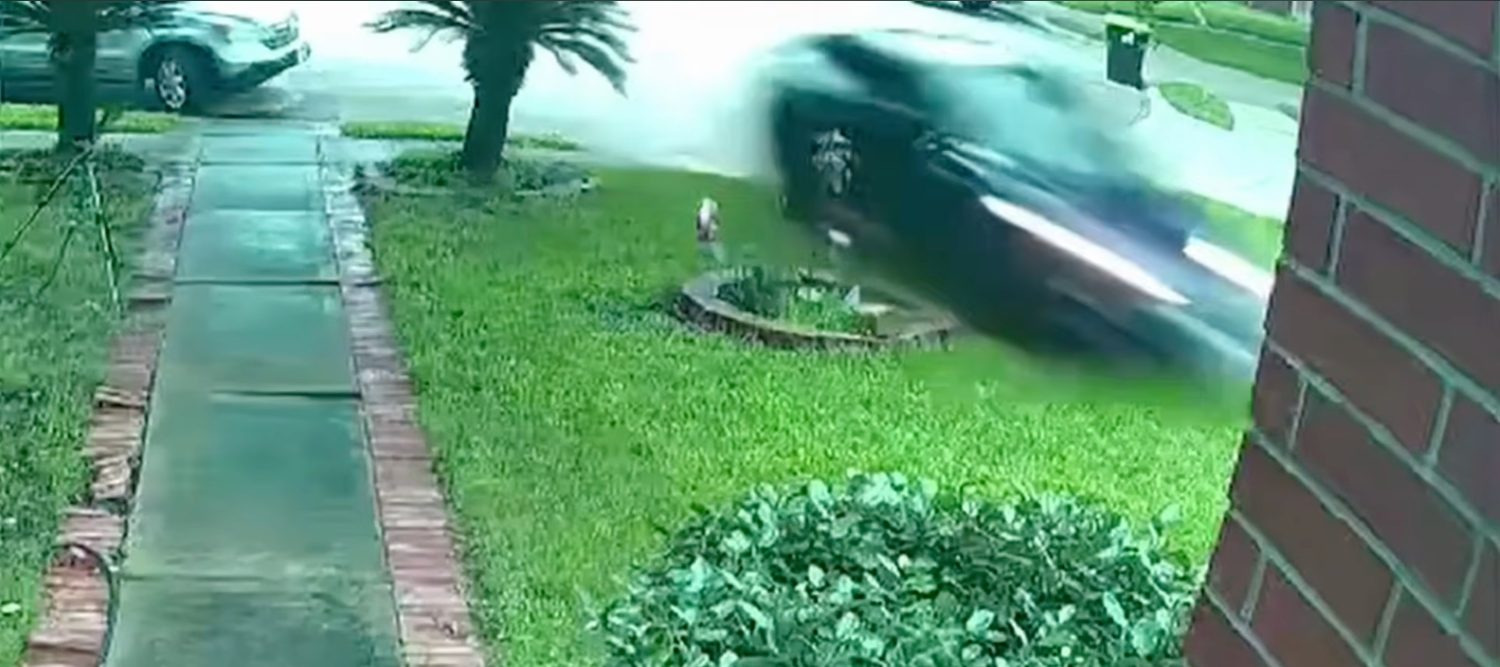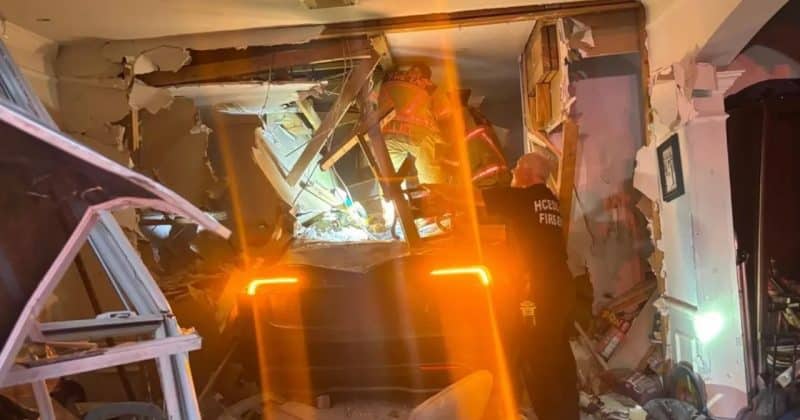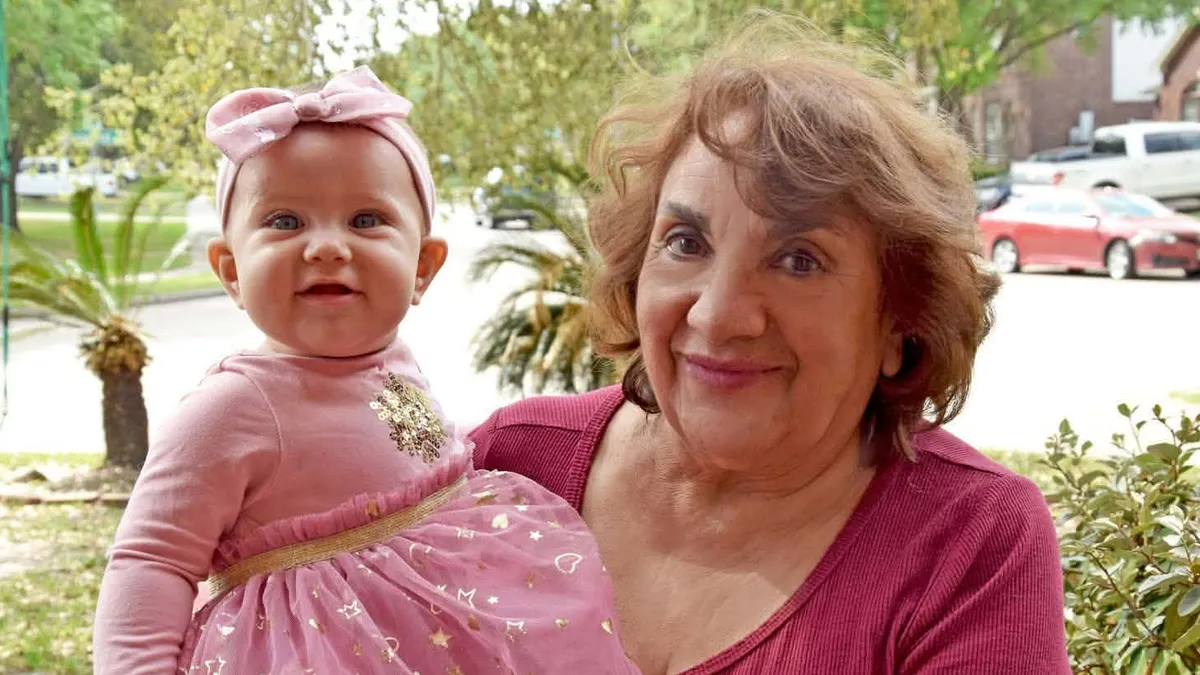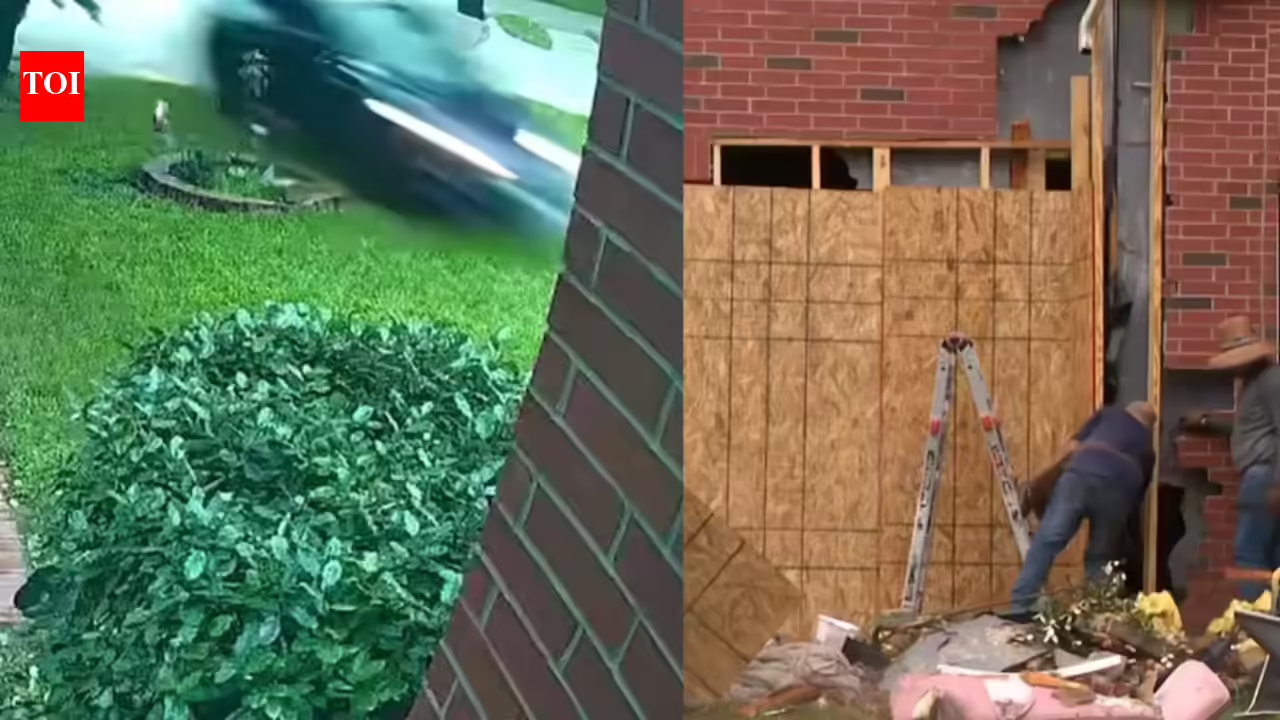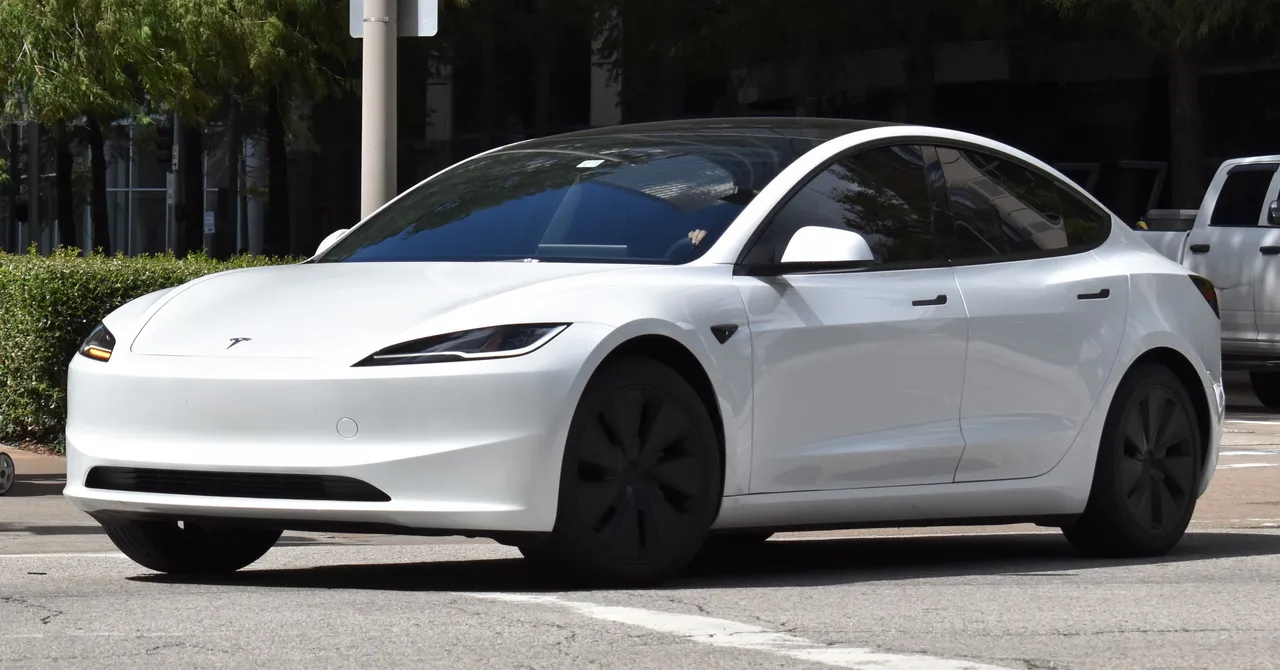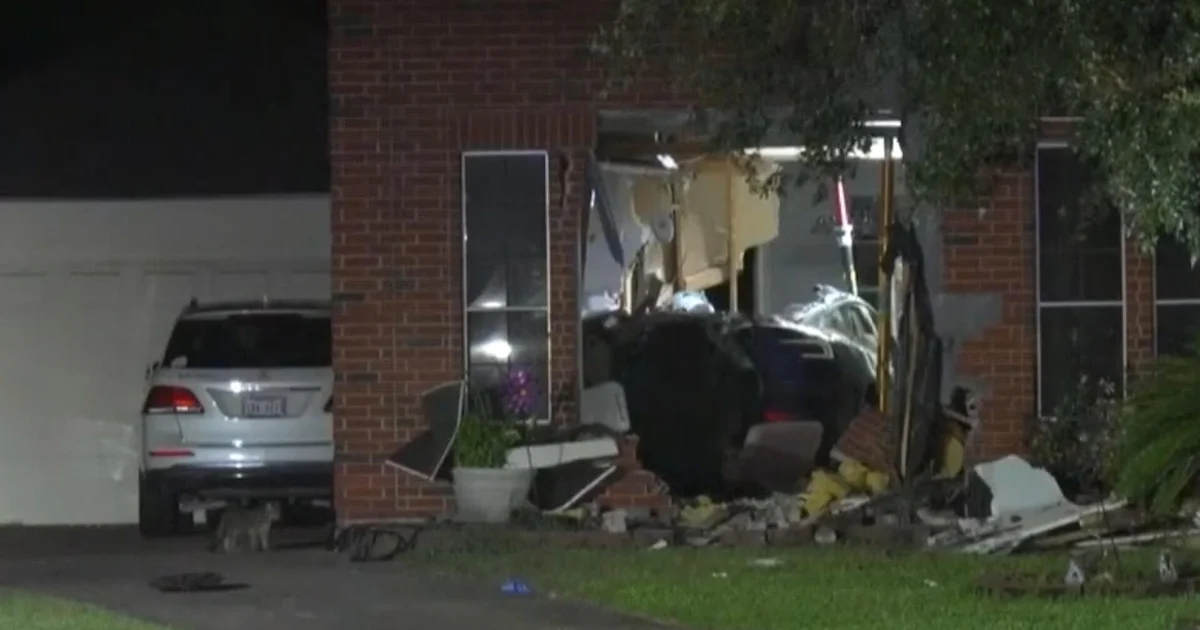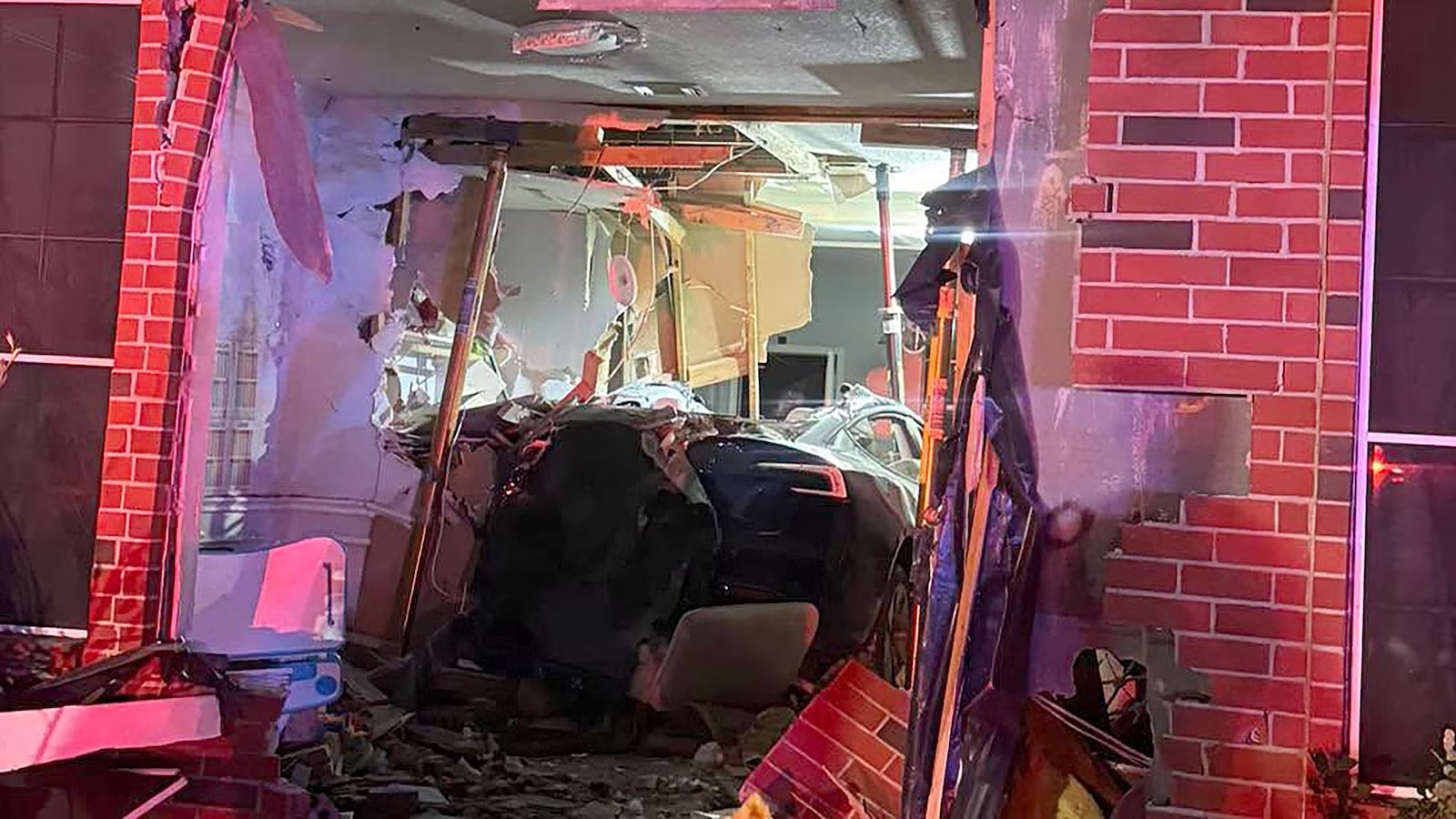
The family of a woman who was killed when a Tesla crashed into her home while allegedly in self-driving mode is suing the automaker and the driver for damages.Jennifer and Justin Barbour, the daughter and son-in-law of Martha Avila, the 76-year-old woman killed in last Friday's crash at her Katy, Texas, house, filed the wrongful death suit in Harris County District Court on Tuesday, alleging Tesla and the driver, Michael Buter, were negligent.Butler was traveling in his Tesla Model 3 around 8 p.m. local time Friday and was allegedly operating the vehicle "with an automated driving assistance system," the Harris County Sheriff's office said in a statement.This screen grab from a video shows what appears to be a Tesla careening down a residential street before the crash, in Katy, Texas, on June 19, 2026.He allegedly failed to drive in a single lane, left the roadway and struck the brick residence, according to the sheriff's office.The lawsuit and police said Avila was standing in her front room when the vehicle crashed into the home. She was airlifted to a hospital, where she was later pronounced dead.Ryan Zehl, an attorney representing the Barbours, told ABC News on Wednesday that the vehicle was allegedly driving over 70 miles per hour during the crash."So what we have is a horrific and what we believe will be proven to show preventable crash amidst a rising number of autonomous vehicle crashes, particularly including Tesla. And in this particular situation, a 76-year-old grandmother who was tragically, preventively and needlessly killed while in her own residence," he said.Martha Avila, seen here in an undated photo, was killed on June 19, 2026 in her Katy, Texas home when a Tesla crashed through the house, investigators said.Courtesy of Zehl & AssociatesJustin Barbour was also in the house during the crash and suffered injuries, according to the lawsuit.Attorney information for Butler was not immediately available. Tesla did not immediately respond to ABC News for comment on the suit.Tesla CEO Elon Musk made a comment about the crash in an X post on Monday, in response to another X user who criticized a news article about the incident."Yes, this makes no sense. FSD drives slowly through neighborhood streets and this was a high speed crash!" he posted.This image released by the Harris County Precinct 5 Constable's Office shows the damage to a home after a Tesla crashed into it, in Katy, Texas, on June 19, 2026.Harris County Precinct 5 Constable's OfficeAshok Elluswamy, Tesla's head of AI, responded to Musk's post on X, claiming the self-driving mode was manually overridden."Yup. In this case, the driver manually overrode self-driving by pressing the accelerator all the way to 100% of the accel pedal in this residential area. They reached a speed of 73 mph during the crash, and had the accelerator pressed even after the crash," he posted.Zehl argued that those X posts may not tell the entire story, as there are still a lot of unknowns about the crash.Popular Reads"Social media is not the place to litigate this case," he said.Zehl said that Tesla has a system called a collision snapshot that sends data to its servers during significant crashes."So they clearly have the data because they're talking about accelerator data. We would like to see it. We don't have it. We will request it," he said.The crash is being investigated by local authorities, the National Highway Traffic Safety Administration (NHTSA) and the National Transportation Safety Board.Zehl said the family has been living in a hotel since the crash, which left the house uninhabitable. He said the Barbours and their three children are devastated as they are preparing funeral arrangements for Avila.This image released by the Harris County Precinct 5 Constable's Office shows the damage to a home after a Tesla crashed into it, in Katy, Texas, on June 19, 2026.Harris County Precinct 5 Constable's OfficeThe suit, which seeks over $1 million in damages, alleged that Tesla has repeatedly made claims that its self-driving features are safe. It said there have been at least 13 NHTSA investigations into Tesla's driver assistance systems since 2016."That is not something you typically see. If you have a unique, independent kind of isolated event, it would not justify a special investigation. Those only happen about 100 times a year," Zehl said.No charges have been issued as of Wednesday afternoon, and the investigations are ongoing.Zehl said that he hopes that his clients can get more answers about this incident, and more is done to improve safety for autonomous vehicles."We need to understand, is this technology actually as safe as companies like Tesla claim it to be in their marketing materials? Because if it is, we should not see crash rates," he said.-ABC News' Ali Ayesha contributed to this report.
Family sues Tesla after woman killed by vehicle allegedly in self-driving mode
The family of a woman who was killed when a Tesla crashed into her home while allegedly in self-driving mode is suing the automaker and the driver for damages.
790 words~4 min read