There have been unreliable narrators for as long as people have told each other stories — and that includes novels.
The unstable relationship between reader, narrator, and author produces a “uniquely intensive reading experience,” said Ian Shank, a preceptor in expository writing and the instructor of a Division of Continuing Education course that explores the mechanics of unreliable tellers of tales.
But it also reflects a truth about our lived experience, which perhaps explains why we find it so compelling.
“An uncomfortable fact of life is that we are always deceiving ourselves and others,” Shank said. “Every time we sit down to write, or interview for a job, or go on a date, we’re putting forward a persona that is, to some degree, artificial — more a performance of the person we’d like to be or be seen as than who we truly are. What unreliable narrators do particularly well is expose these fictions as fictions — the ways, in other words, that we live fictions every day — while also showing just how desperately we still cling to these visions of ourselves.”
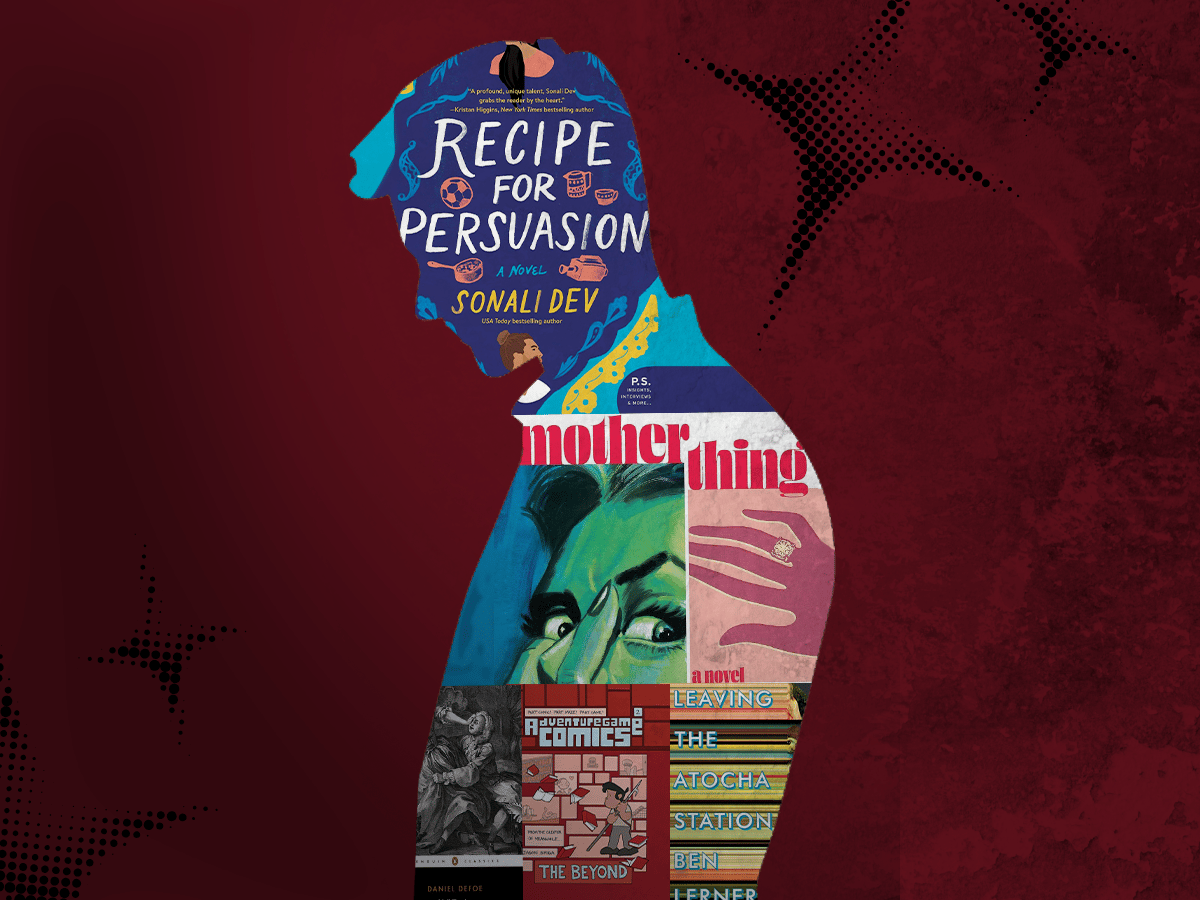
Whatever the reason, readers clearly are intrigued by storytellers with their own foibles or agendas. Here are a handful of favorites suggested by Shank, along with other faculty and staff from around the University.