This first appeared in Lit Hub’s Craft of Writing newsletter—sign up here.Article continues after advertisement
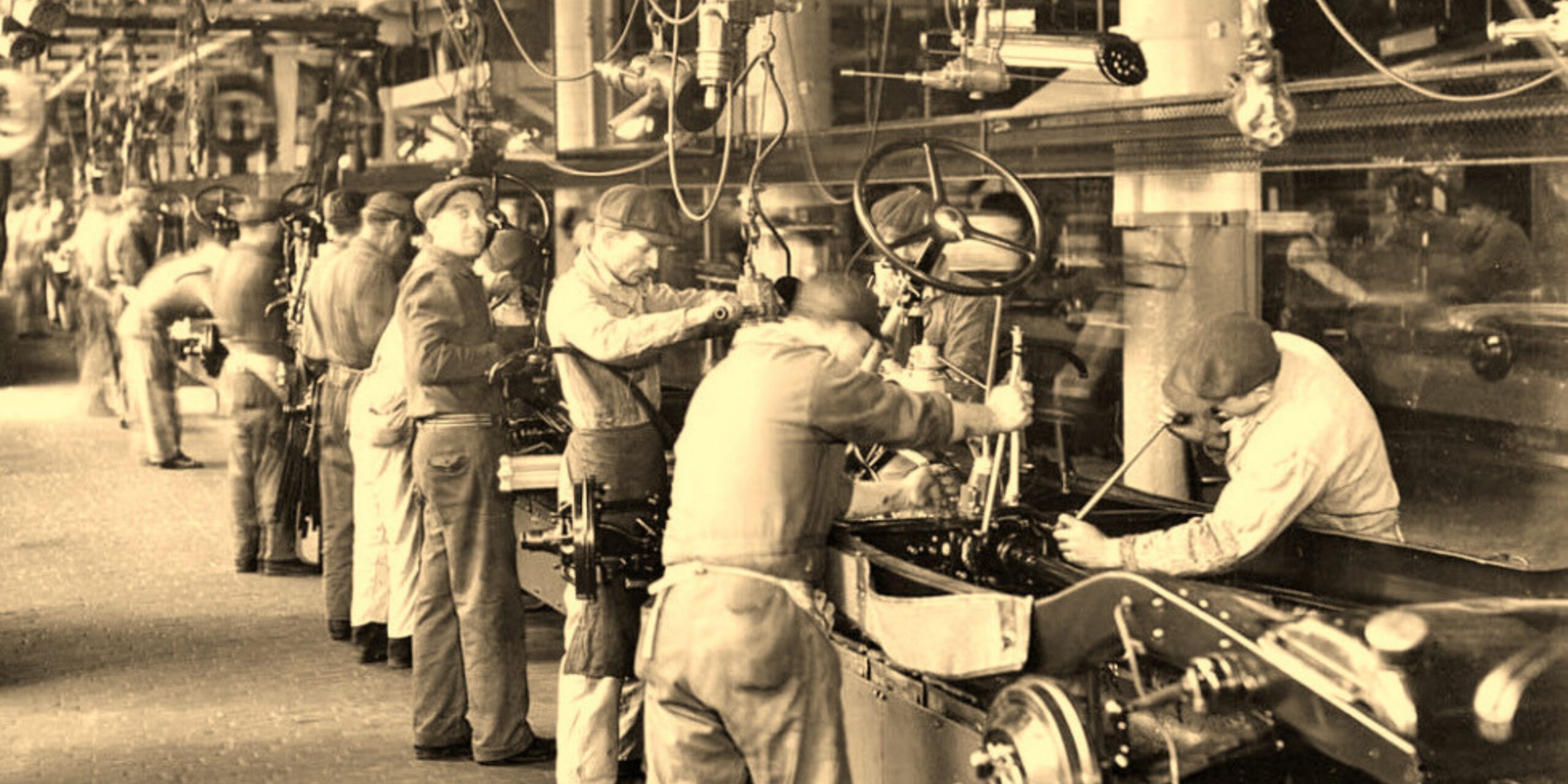
Very often one finds literary editors, critics, and some fiction writers talking about novels as if they were mechanical things, finely, or not so finely tooled machines designed to impart a multilayered series of events in which certain human beings, their works, actions, responses, and sometimes their very lives are in the balance, creating projects and problems destined to be toiled over until the issues they face are resolved—one way or another. To a great degree these technical interpretations of fictional narratives are valid, that is to say, yes, a novel is a construct of ideas that work together, attempting to tell a story via plot, characterization, physical description, dialogue, and motive—all ending in a resolution or a series of resolutions that, for lack of a better explanation, make sense to the reader.
When attempting to comprehend or create the subtleties of a work of fiction it is useful to try and understand the underlying structures of the work. Who is the main character? When were they born? Where do they live? What are her or his proclivities? What do they want? What stands in their way? Who is there to help or hinder this hero? When were these helpers born? Etcetera, etcetera, ad infinitum…