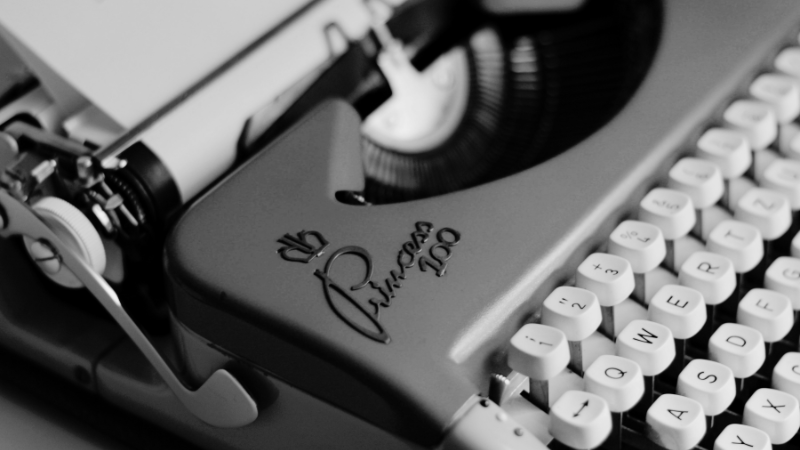
This first appeared in Lit Hub’s Craft of Writing newsletter—sign up here.Article continues after advertisement
You have some tricks.
You’re a magazine writer, after all—you have to write a lot of different kinds of stories, and sometimes tricks are what gets you to the end of them. Feeling too prissily self-conscious about the quality of your prose? Curse your f-ing head off, then remove all the blue language before you hand in the story. Feeling your story becoming impersonal? Write it as a letter to your editor, the way Tom Wolfe wrote “The Kandy-Colored Tangerine-Flake Baby,” or better yet, write it as a letter to the person you’re writing about. The story needs to be in the third-person? Write stretches of it in the first, and then do the opposite when the story is supposed to be first-person in the first place. Oh, you’ve got a million of them, because if there’s anything you’ve learned from your decades writing for magazines, it’s this: tricks work. They break up logjams. They take away your excuses. They banish boredom and encourage you to be counter-intuitive. They might be artificial, but they allow you to find your genuine voice. They get you to the end of the story.
But now your situation is different, because you’re not writing a magazine story. You’re writing a book, your first, and so you’ve spent a lot of your days at the desk unlearning what your years as a magazine writer have taught you. It’s taken a long time. How long? Nine years. You’ve been working nearly nine years on your book, and slowly, achingly, you’ve been coming face to face with one simple truth: books are different from magazine stories. Your tendency to explain, to stop and tell the reader what your story is about in an elegant “nut graf”? That doesn’t work in a book; indeed, it’s a ruinous instinct. And all your tricks? They don’t work either. They get in the way. They distract. They make you think you’re getting somewhere when you’re not. Worst of all, they really are artificial, and your book is a memoir that will live or die by dint of its authenticity.