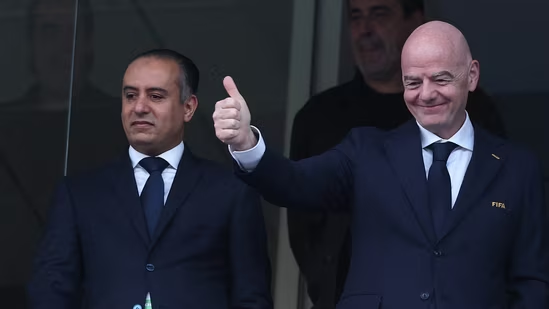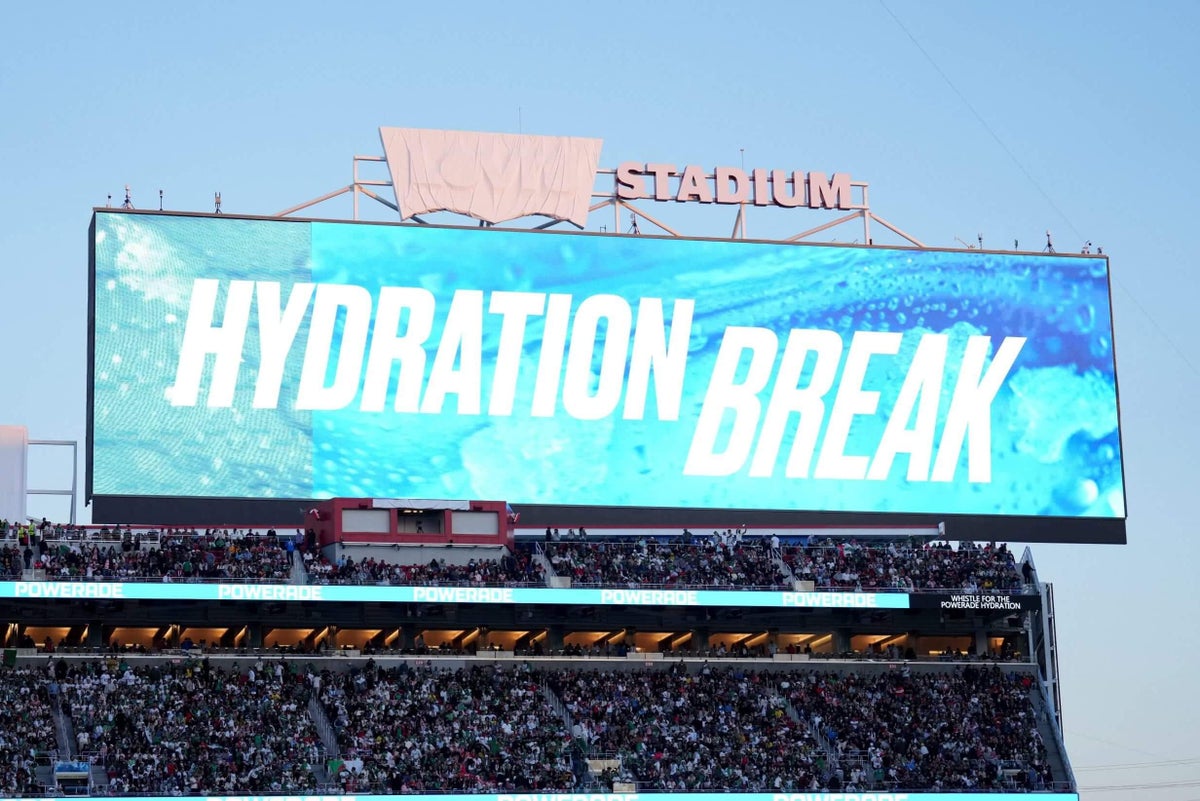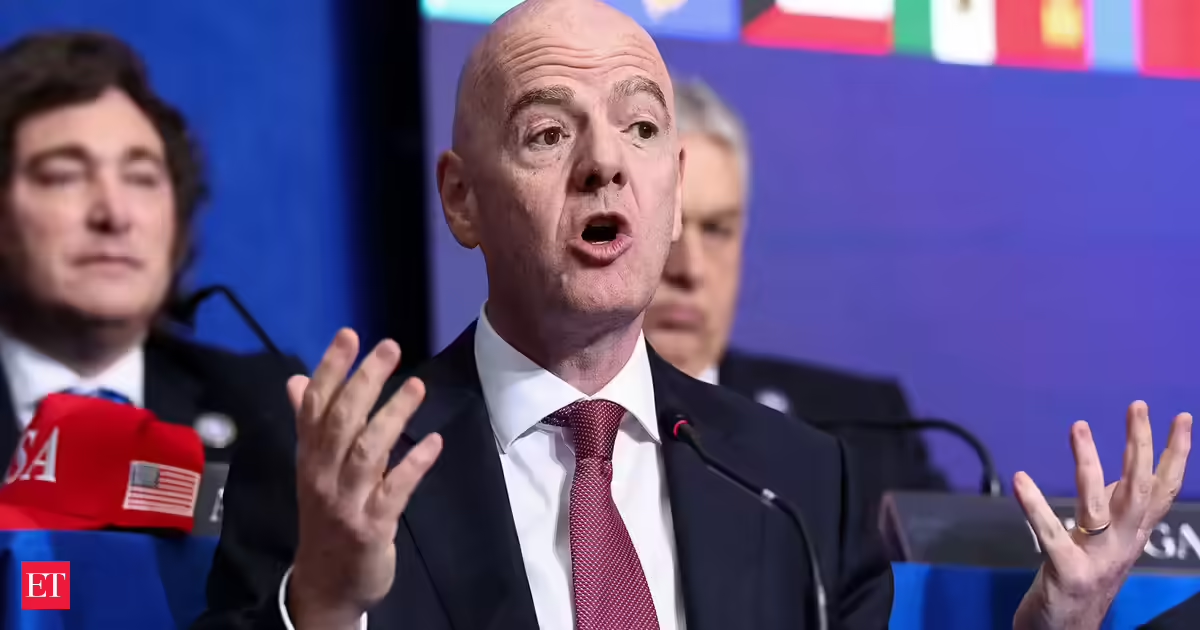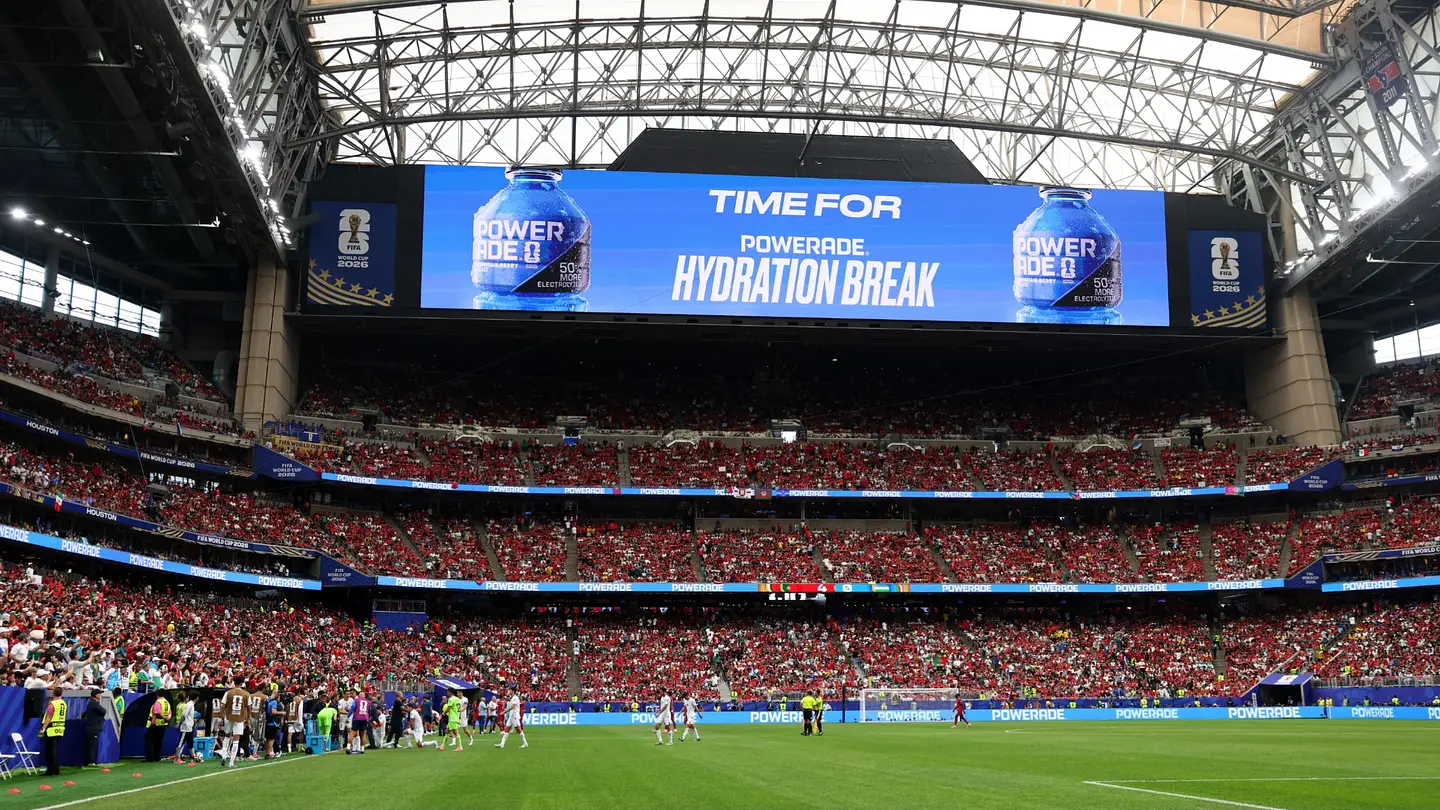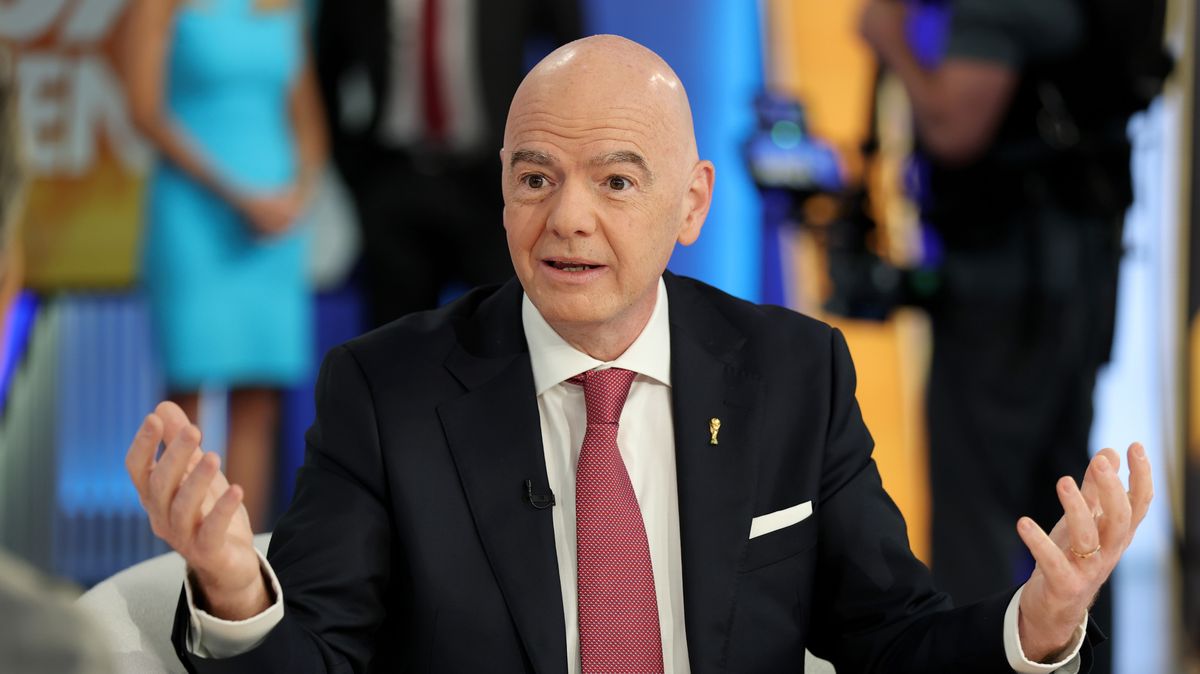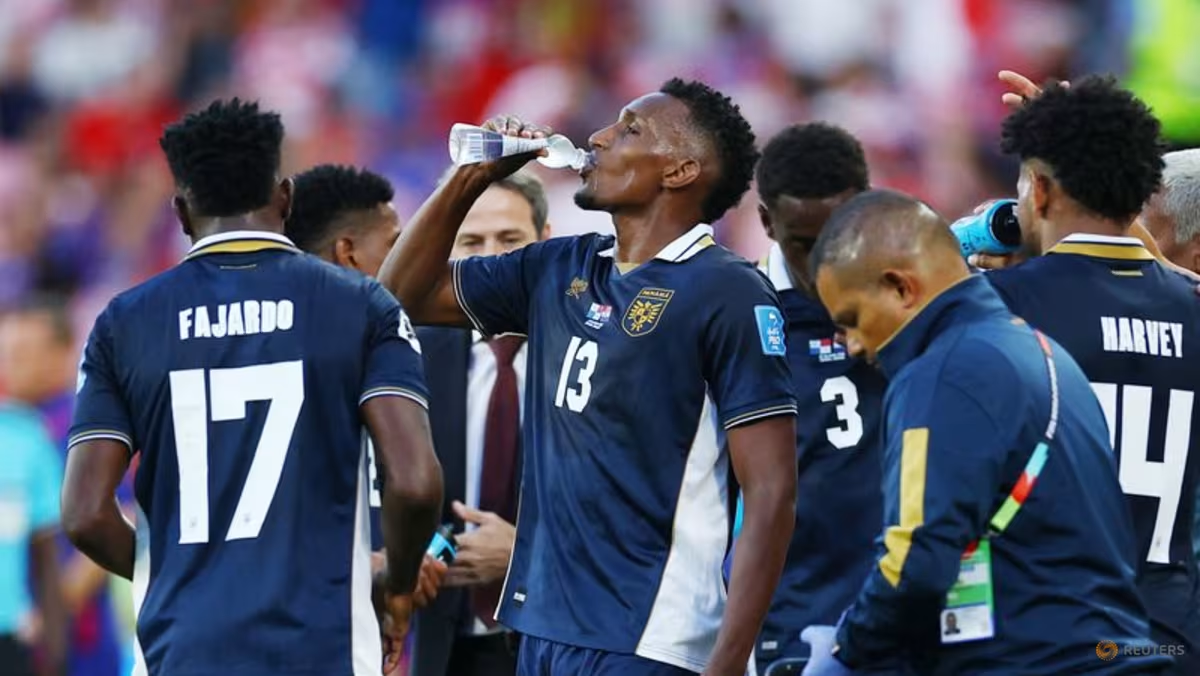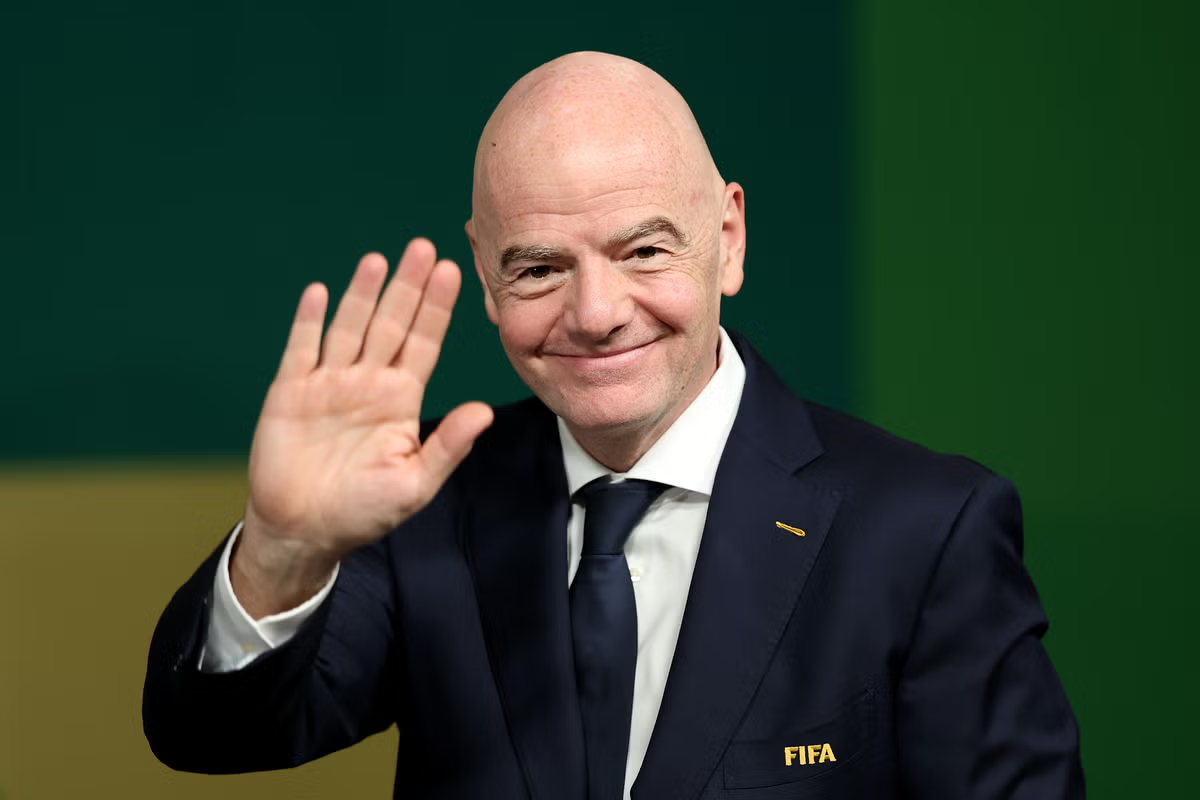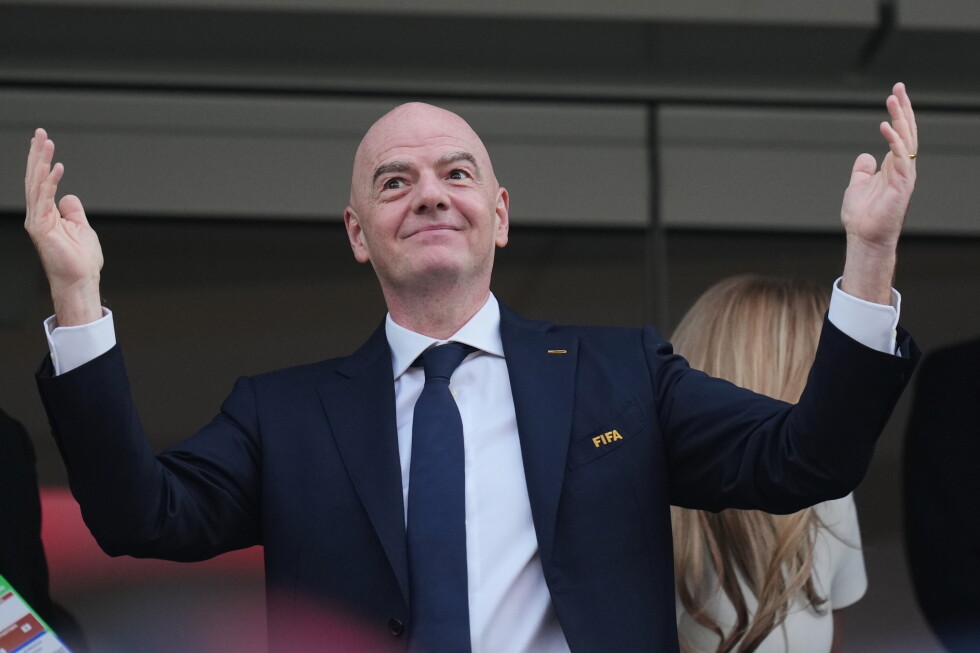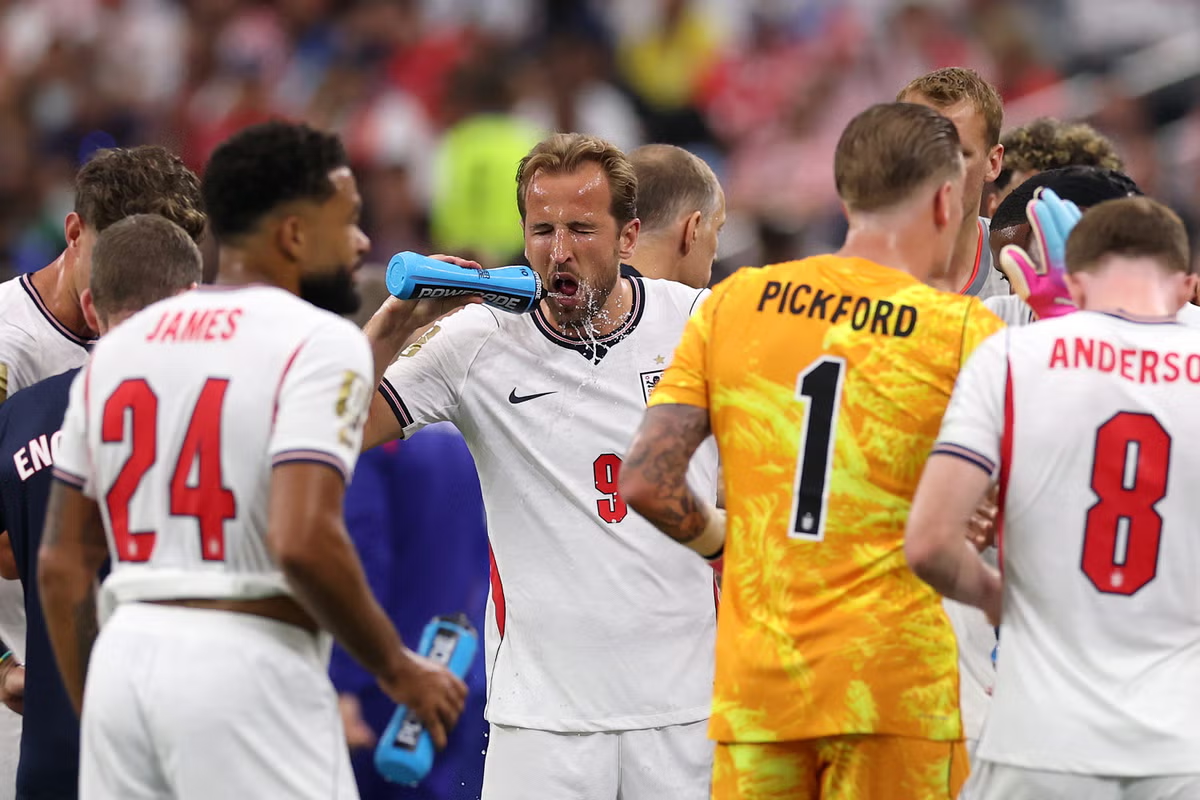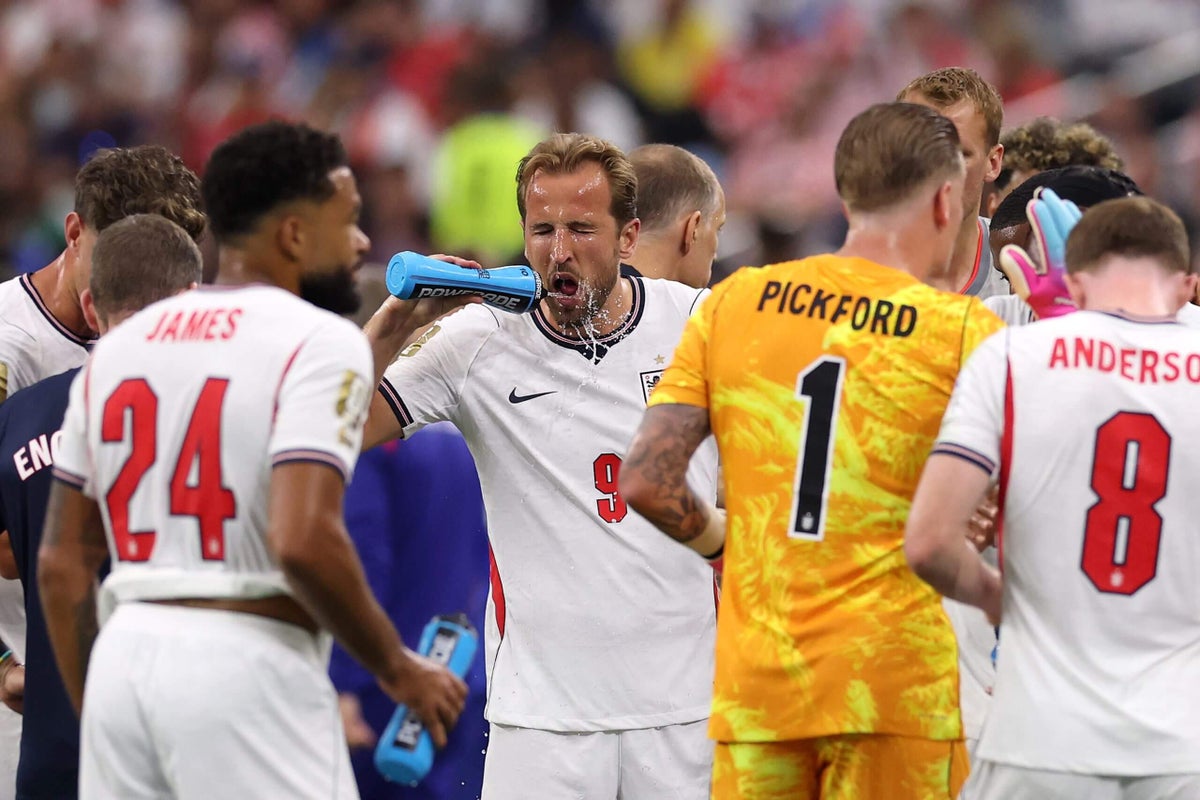
The Athletic has live coverage of Morocco vs Haiti at the 2026 FIFA World Cup.Nothing matters more to Gianni Infantino than player welfare and sporting equity. We know this because he has told us so.Responding to the howling disapproval that has greeted the hydration-break stoppages at the World Cup, during which many broadcasters have shown adverts, Infantino hit back on Tuesday and dismissed the accusation that a profit motive lies behind FIFA’s decision to effectively divide matches into quarters.“The main reason is the heat,” Infantino said in a statement, “but we also have to understand that in a competition like the World Cup, played over 39 days, with teams potentially playing eight matches in those 39 days, having a moment to rest is extremely important.“What matters even more to us is ensuring that all teams, in every match, are playing under the same conditions. And it’s very difficult to accept that a coach might have the opportunity to influence a match by making adjustments simply because it’s hotter, while in another match, where the temperature is slightly lower, the same coach doesn’t have the same opportunity. We want to ensure equal conditions for everyone, and that’s why these breaks are implemented in every match.”It’s an extraordinary argument, full of mental contortions. At previous tournaments, hydration breaks were in place when certain temperatures were breached. It happened in some games, but not in others, and yet nobody ever claimed the existence of an artificial advantage — not even in England, where we have employed every excuse going over the years.Infantino also appeared on SBS in Australia this week, insisting hydration breaks did not financially benefit FIFA.“Broadcasters, maybe, they generate more. I don’t know. That’s great for them. But for us, we make zero additional revenues.”Should The World Cup Hydration Breaks Exist?Joe DevineIt’s true. FIFA is making no additional revenue — for now. Infantino has already said the feasibility of hydration breaks at the 2030 World Cup and beyond is being studied. As and when FIFA inevitably decides to continue with them, the impact on what broadcasters are willing to offer for live rights will be dramatic, increasing revenues. But, as now, any criticism — just as with ticket prices, parking rates, the unwillingness to subsidise hosting costs, and the $79 (£59) price of a big-screen shoutout — will be defused by the familiar line about FIFA being a not-for-profit organisation and all monies earned being reinvested back into the game.That dynamic is very useful. It means that to speak out against outrageous ticket prices is also, somehow, to the mind of a particular type of FIFA executive, to be against the provision of football facilities within impoverished communities. Of course, that’s a deeply disingenuous position to take, but then so much of Infantino’s communication is about creating binary positions within complex topics.That habit is at work here, too. To oppose advert — sorry, hydration — breaks is now, amazingly, to stand opposed to football players having a quick drink after playing 22 minutes in 40C (104F) heat.Again, that’s very clever, but it’s difficult to accept player welfare arguments from any of football’s governing bodies, for whom the problems created by excessive heat and fixture congestion are only troubling when it’s useful for them to be so.FIFA president Gianni Infantino has been a visible presence at the World Cup (Luke Hales/Getty Images)Remember, high temperatures and a bursting fixture calendar were not reasons enough to avoid staging an expanded Club World Cup in the middle of last summer in the United States, nor to further reduce rest periods for elite players. Nor is it justification, seemingly, for pausing for thought before staging future World Cups in scorching climates.Yet it’s remarkable how pressing these issues become when they can be used to provide cover for creating more revenue.If fairness and equity are important here, should we not ensure that every country at this World Cup plays the same number of group games in stadiums with roofs? The stadiums in Mexico City and Guadalajara sit at over 7,000 feet and 5,000 feet above sea level — is it fair for some teams to play there, but not others?Those would be serious considerations if sporting equity were really a factor. It’s OK that they are not, because countries have always had to navigate challenges at a World Cup, and trying to create absolute parity would make staging any tournament impossible. But it’s particularly insidious to only engage with this topic at such a superficial level, or just to use it as a means of smuggling yet more commercialism into football.
Gianni Infantino says hydration breaks are for player welfare. It’s just very hard to believe him
The FIFA president defended their introduction this week but his arguments are extraordinary, says Seb Stafford-Bloor
783 words~4 min read