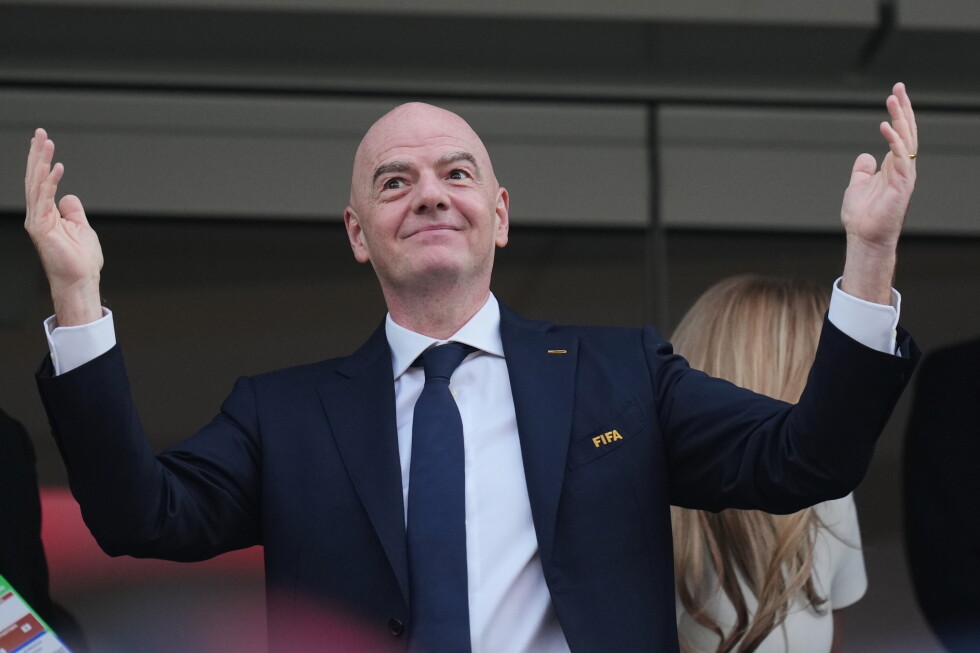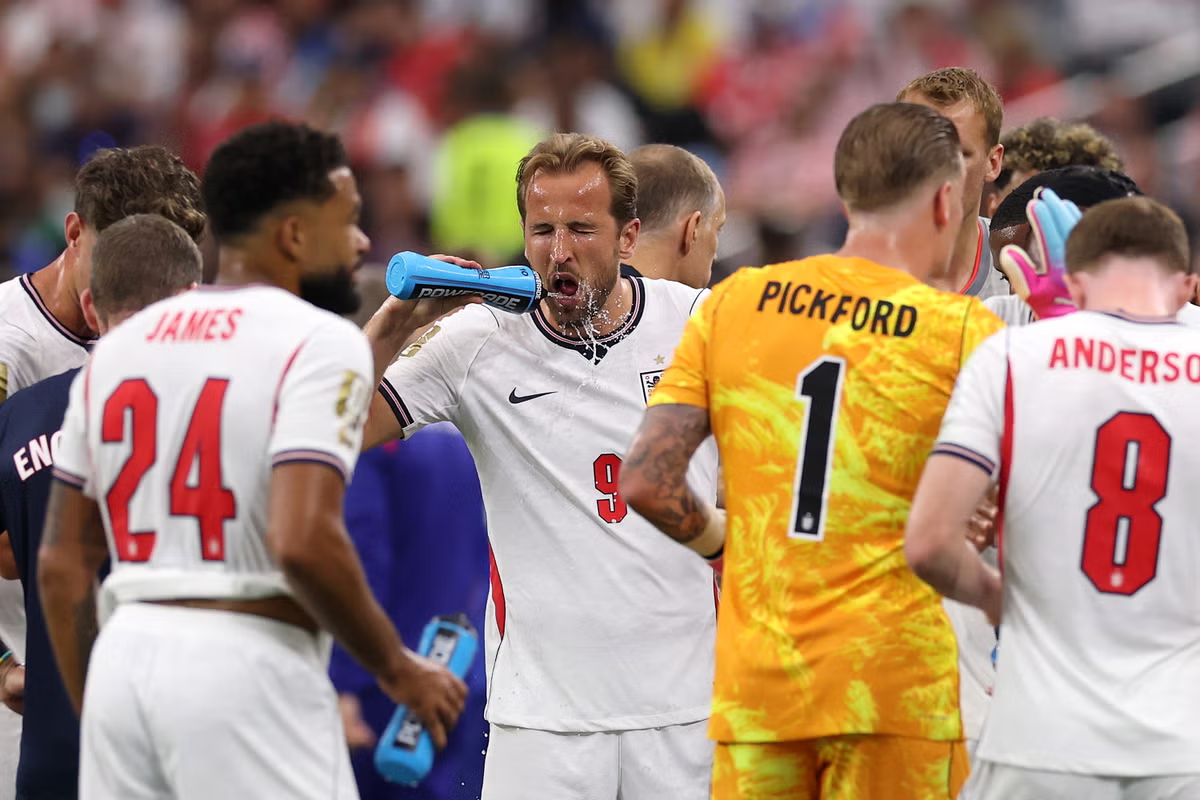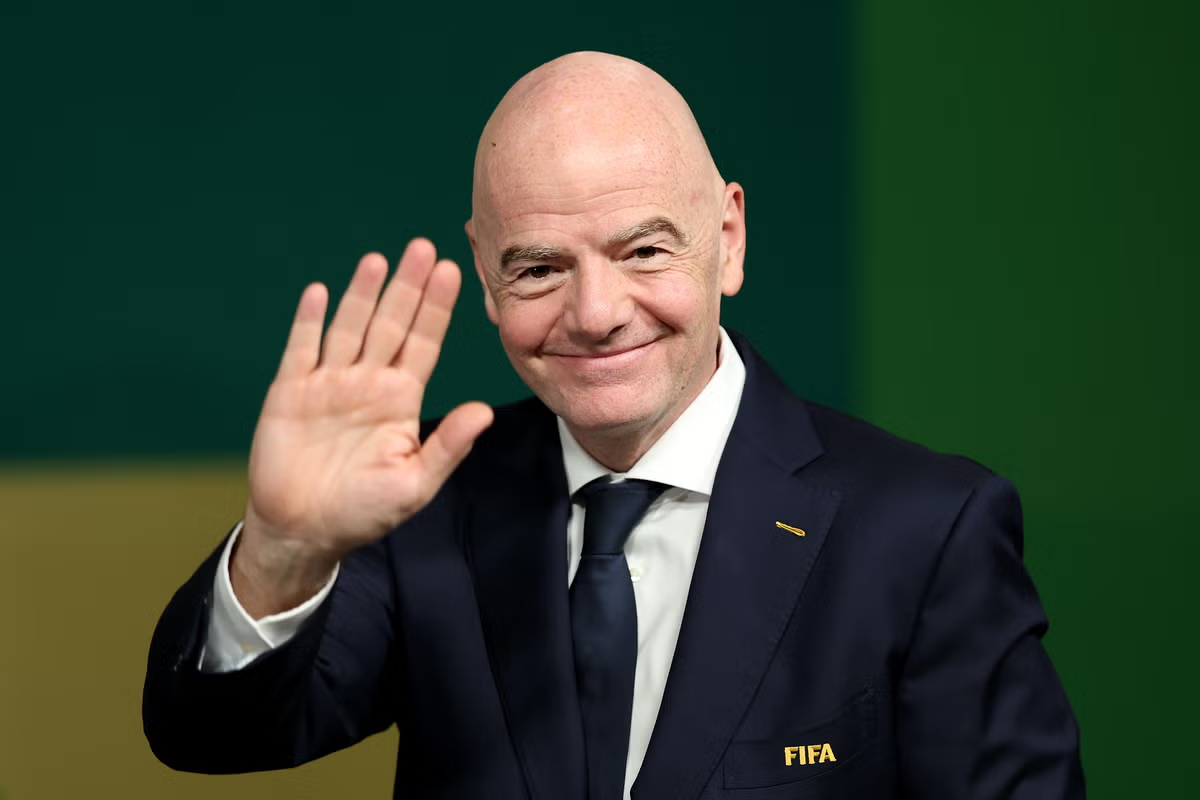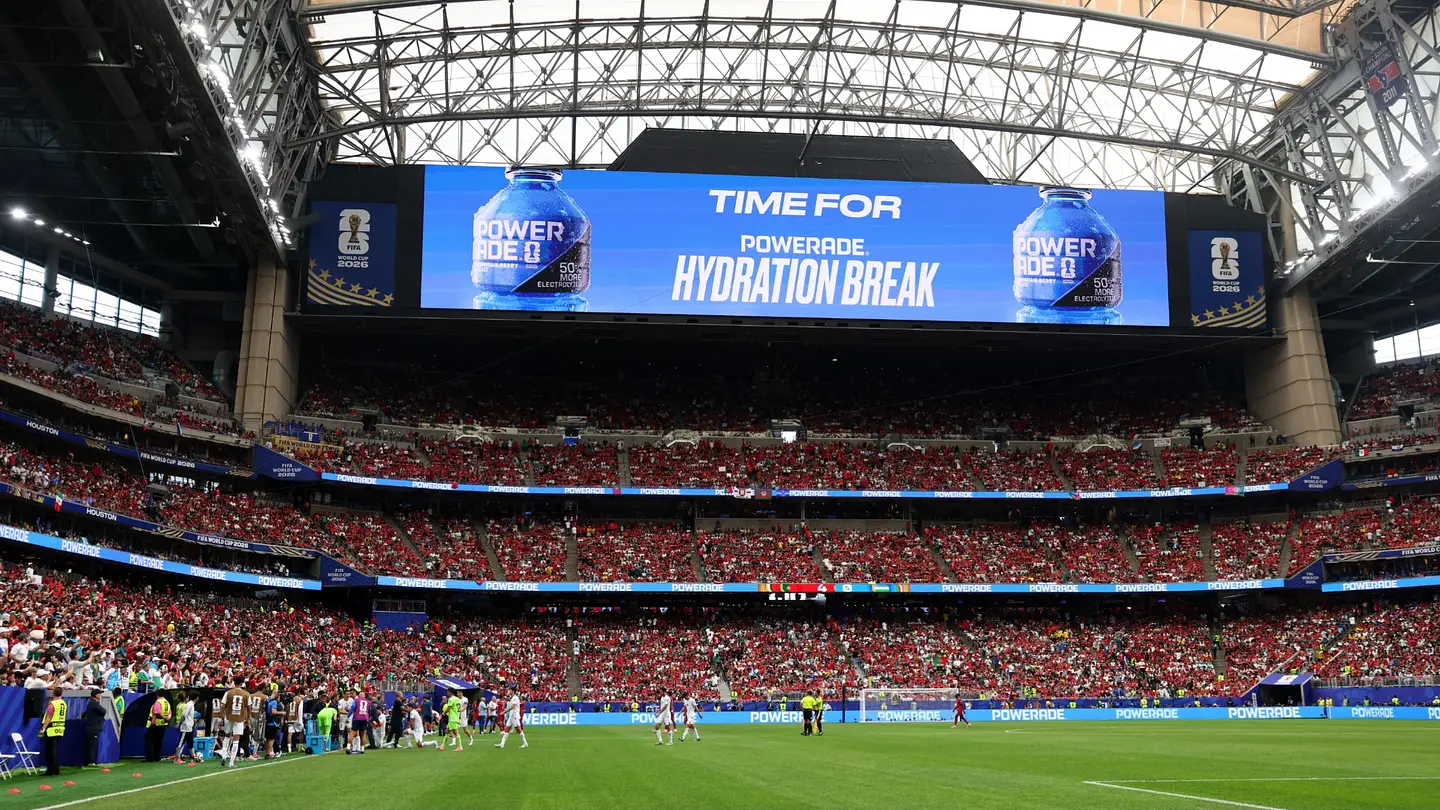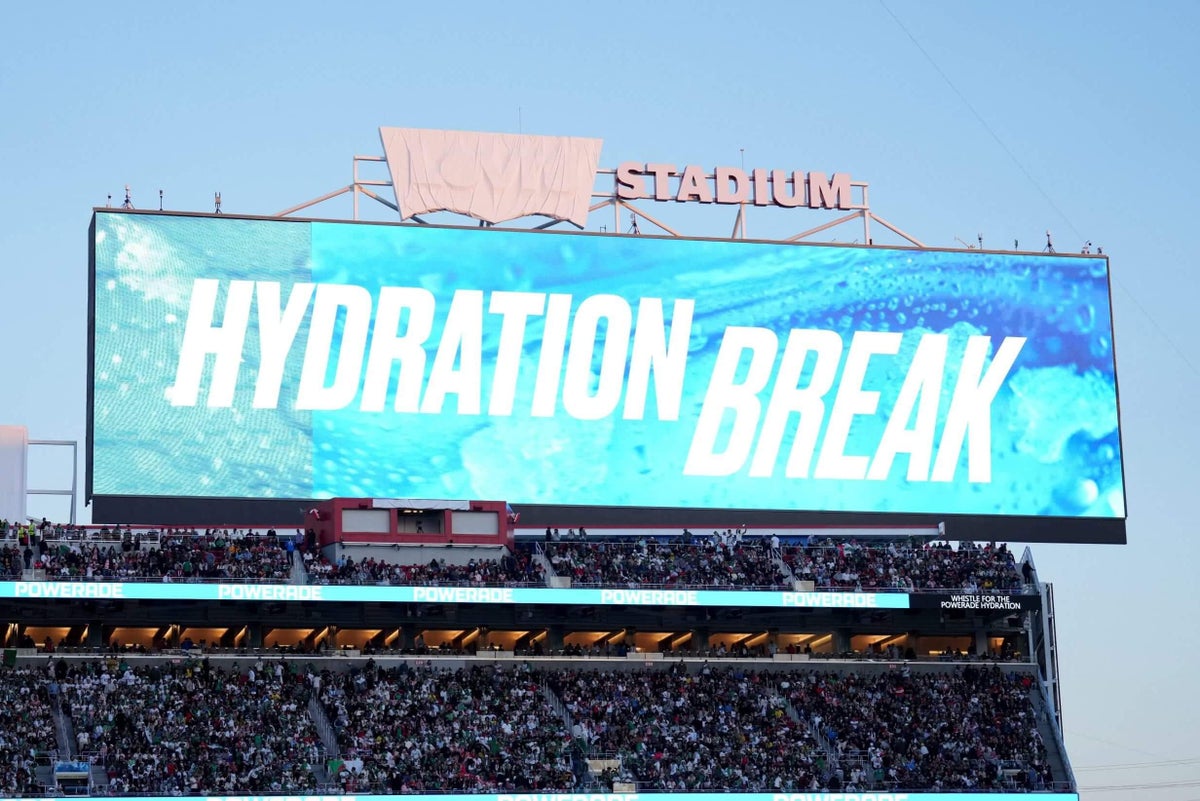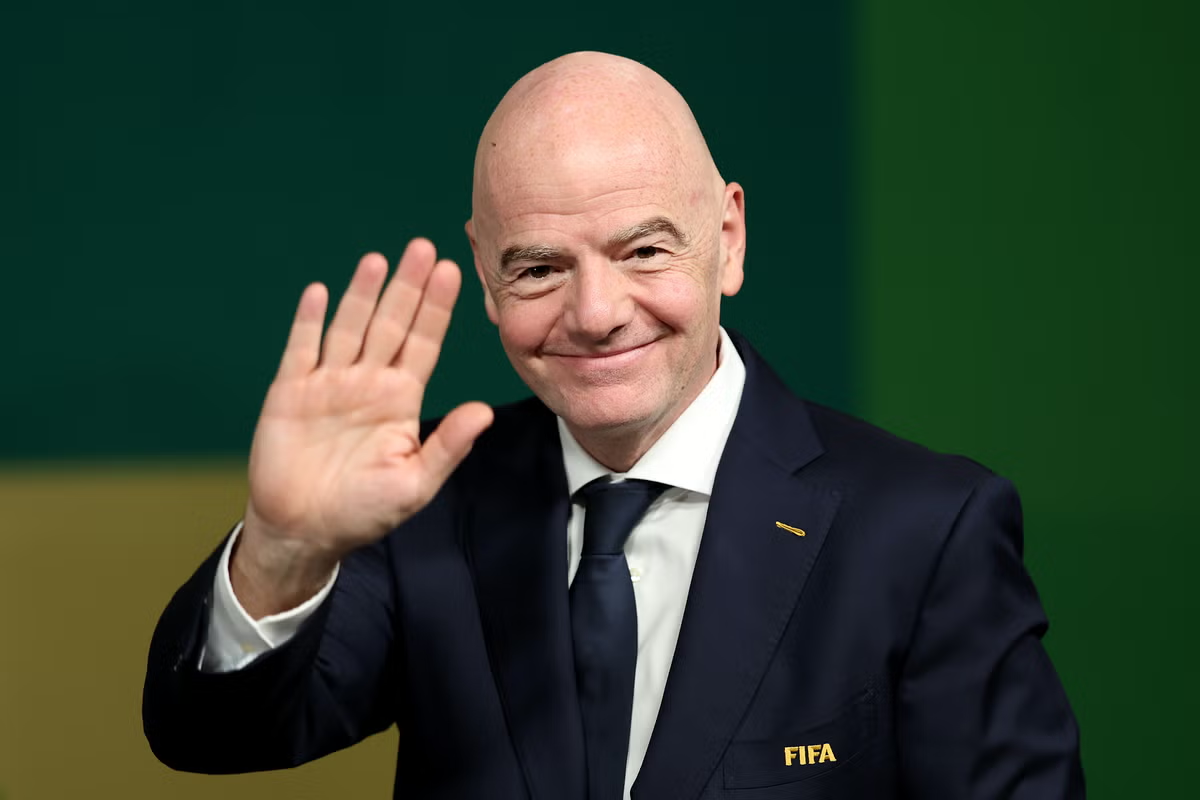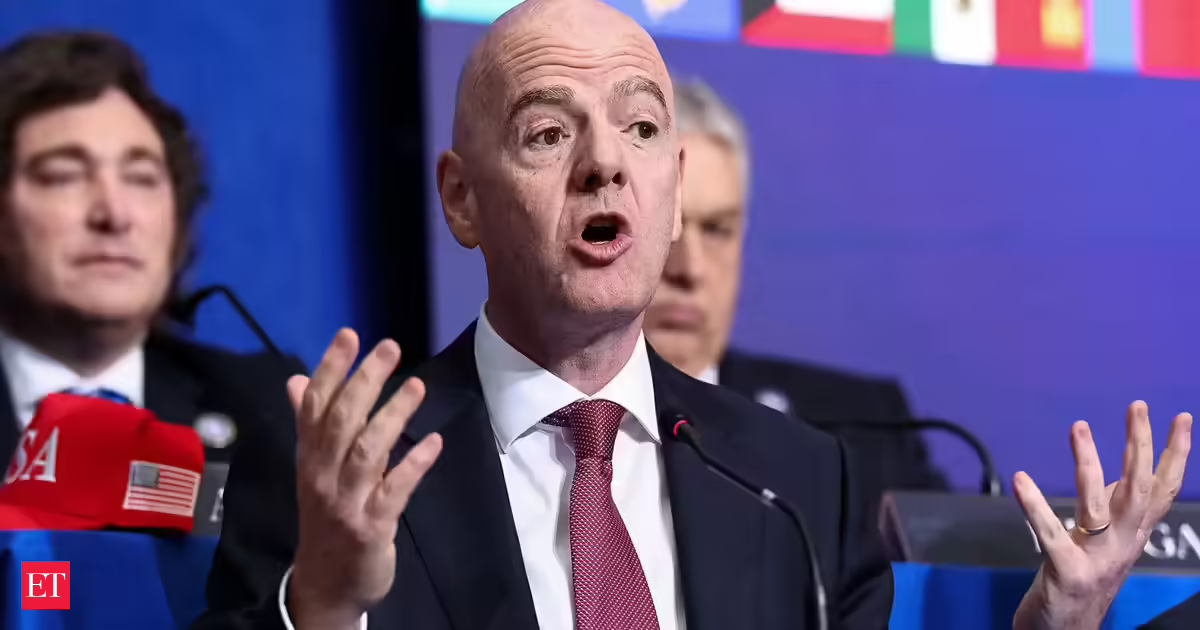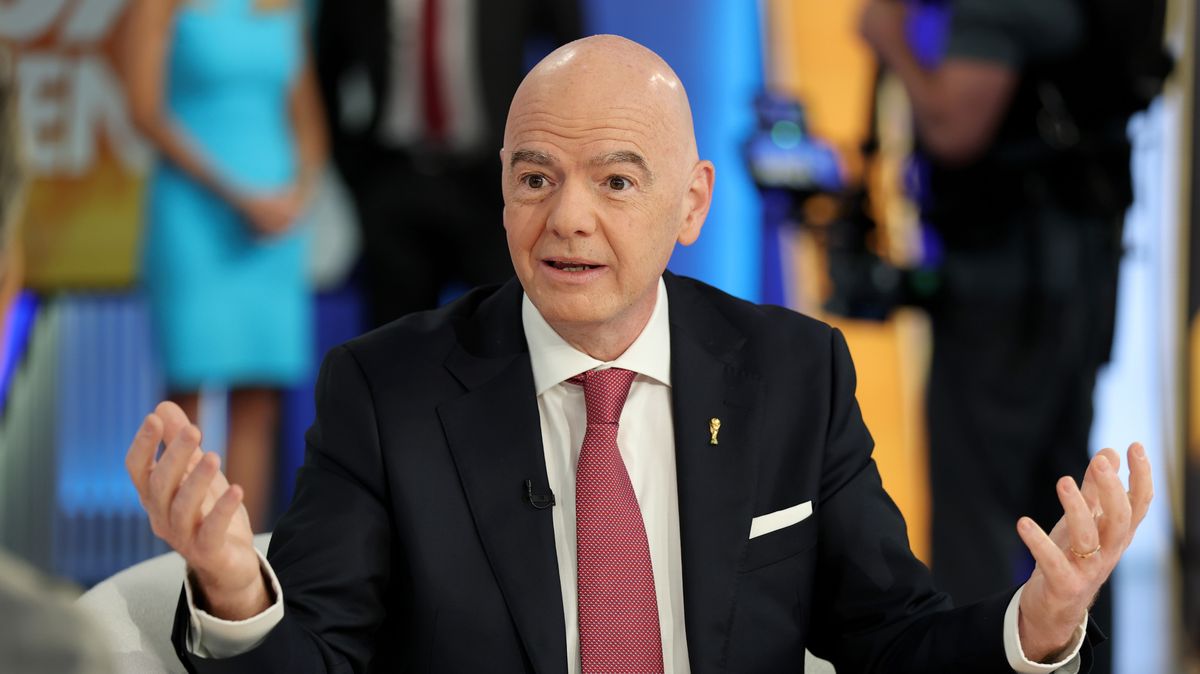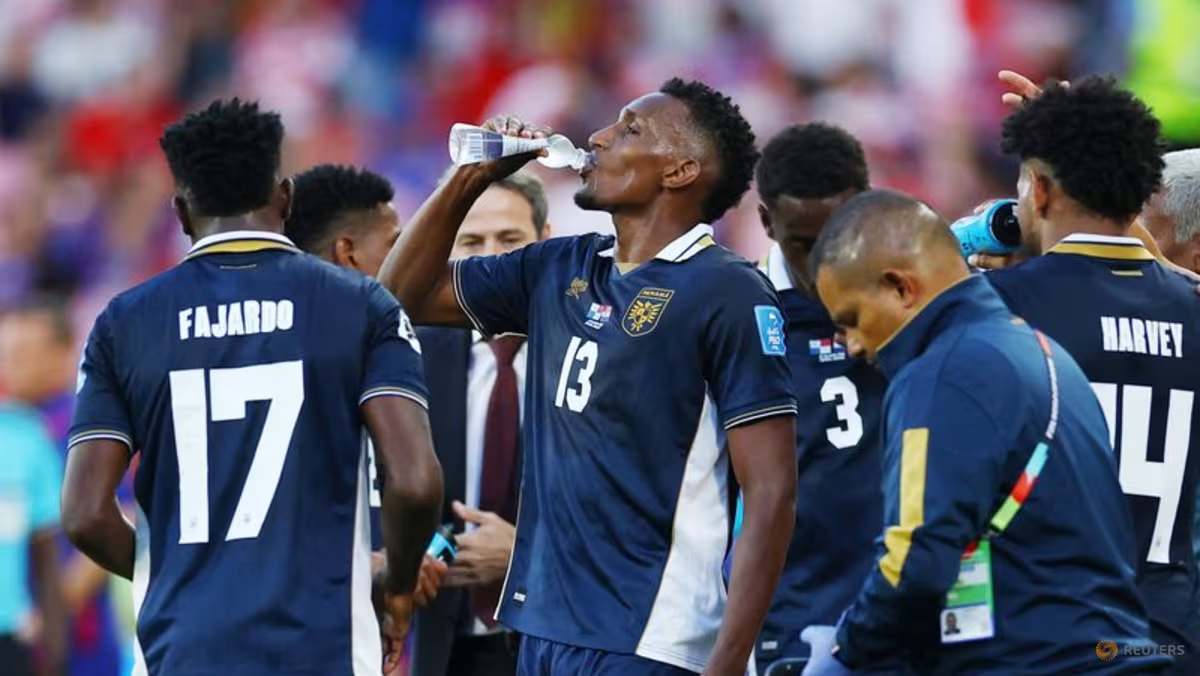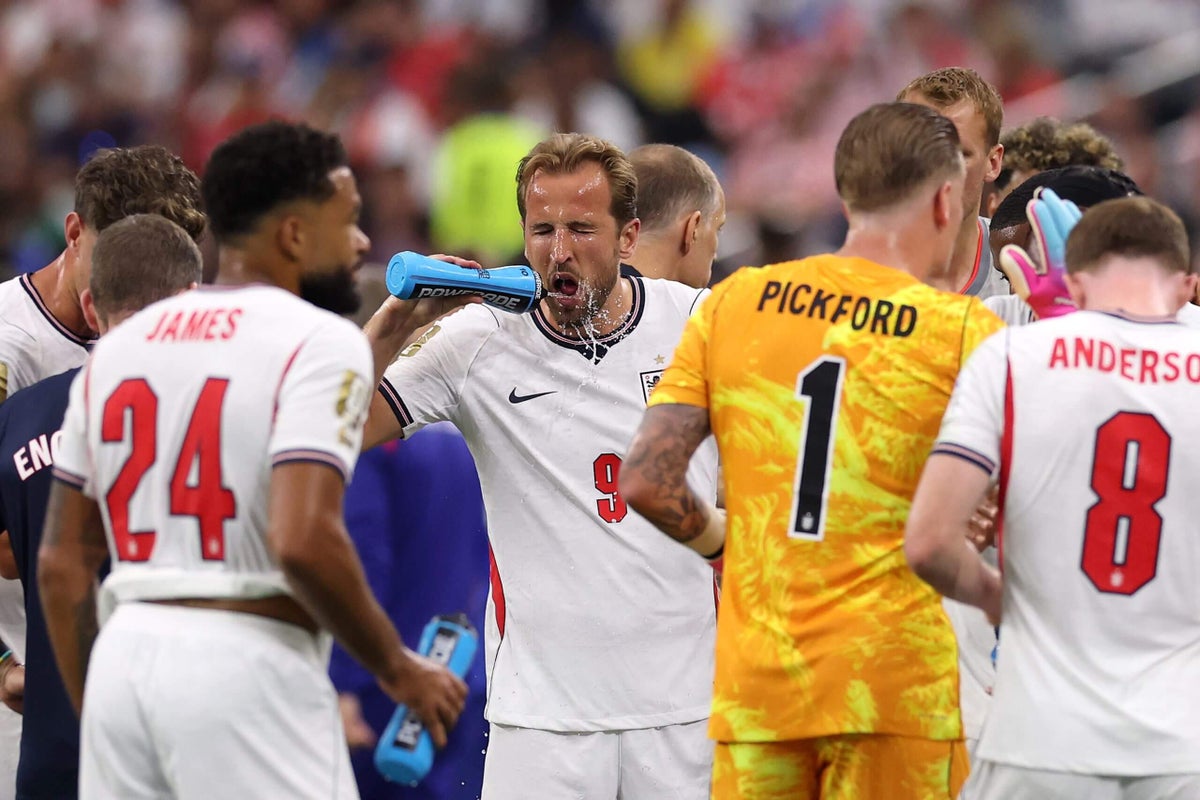
ATLANTA — FIFA president Gianni Infantino said the governing body will consider keeping hydration breaks at future World Cups despite criticism of the additional stoppages introduced during the 2026 tournament.Infantino defended the mandatory cooling breaks, which take place midway through each half, saying they may be contributing to the high intensity and entertainment levels seen during the expanded 48-team tournament.FIFA will evaluate whether to retain the breaks in future competitions after reviewing their impact during this World Cup.“Maybe the coach can reassess certain situations, correct certain mistakes. The players get a little rest and come back in full speed,” Infantino said on Tuesday. “Maybe it’s good.”The breaks, introduced at approximately the 22nd minute of each half, have become one of the tournament’s most controversial innovations. Fans in several stadiums have greeted the stoppages with boos, particularly at indoor venues with air conditioning such as Atlanta's Mercedes-Benz Stadium.Critics have argued that the interruptions resemble American-style timeouts and provide additional opportunities for television commercials.Infantino rejected suggestions that the breaks were introduced for commercial reasons, insisting FIFA receives no extra revenue from the additional stoppages.“Broadcasters maybe generate more, but for us, we make zero additional revenues,” he said.The FIFA president also argued that applying hydration breaks to every match ensures sporting fairness.“If we were to use hydration breaks only in those matches where it was too hot and not in the other matches, we would give an advantage or a disadvantage to some of the coaches or some of the teams,” Infantino said.The debate comes as the World Cup has produced a record scoring pace through the opening rounds, while several matches have been played in extreme summer conditions across North America.The tournament has also delivered a series of surprises, including strong performances from debutants Cape Verde and Curaçao, helping to ease concerns that the expansion from 32 to 48 teams would reduce competitiveness.Infantino suggested the breaks may have contributed to the high level of intensity seen throughout matches.“We’ve never seen 90 minutes in a tournament played with such intensity,” he said. “Until the last second, players attack and continue pushing.”FIFA is expected to review feedback from players, coaches, broadcasters and supporters before deciding whether hydration breaks become a permanent feature of future World Cups.
FIFA to review future of hydration breaks after World Cup backlash
FIFA president Gianni Infantino defended the controversial hydration breaks at the 2026 World Cup and said the governing body may keep them for future tournaments.
372 words~2 min read