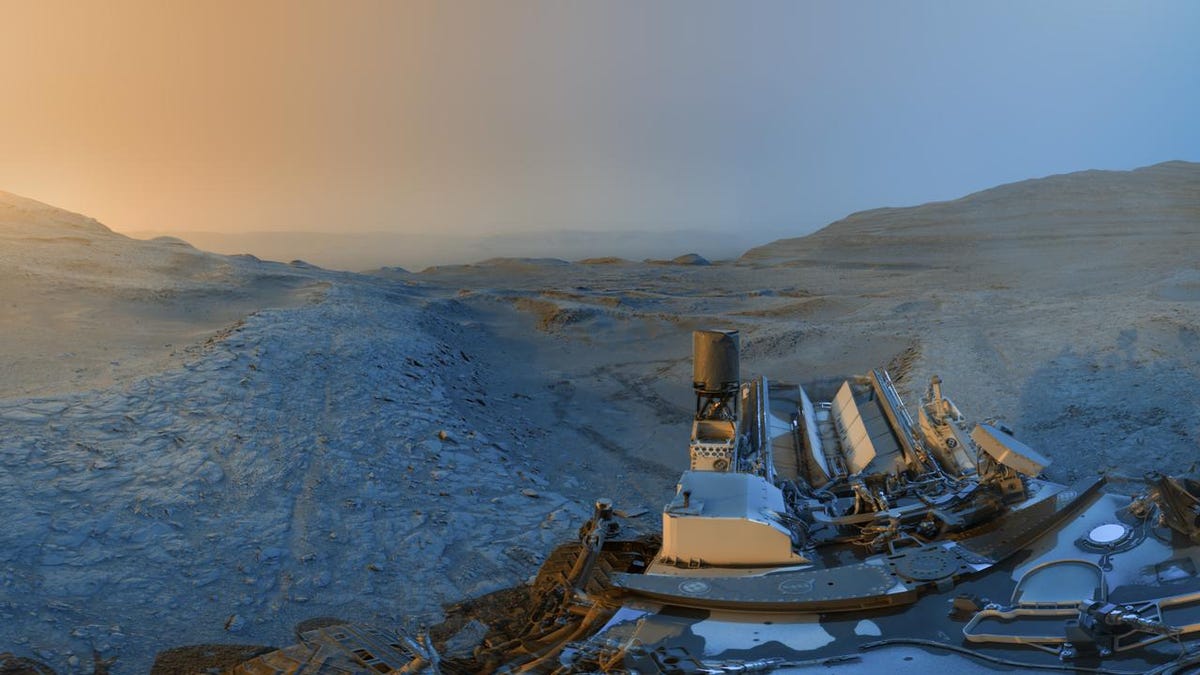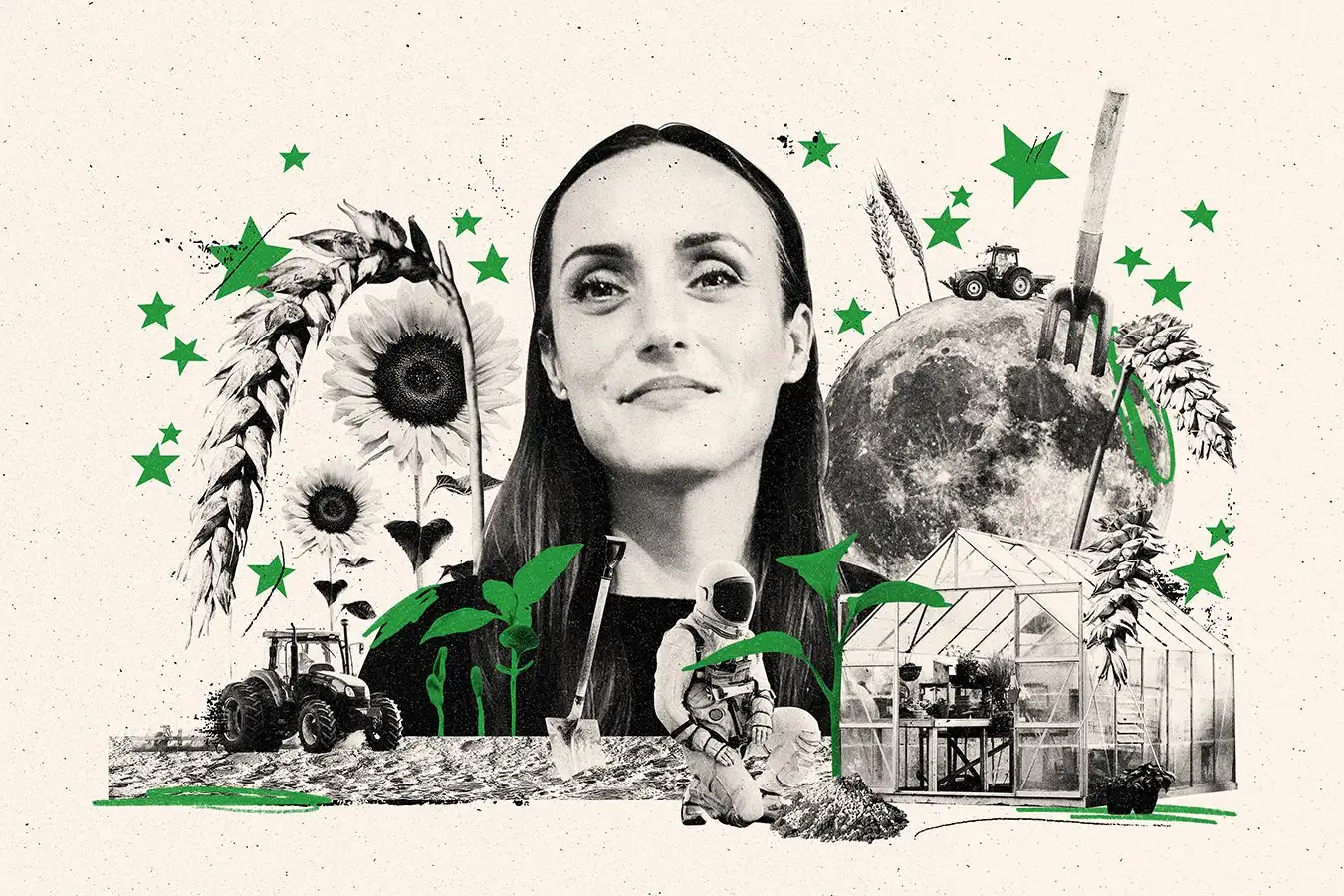
Astronaut Mark Watney is stranded on Mars and must somehow find a way to grow potatoes in the planet’s unforgiving, ochre soil before he starves. This is the plot of The Martian, which is very much a work of fiction. But for a real-life space botanist, look no further than Jessica Atkin.
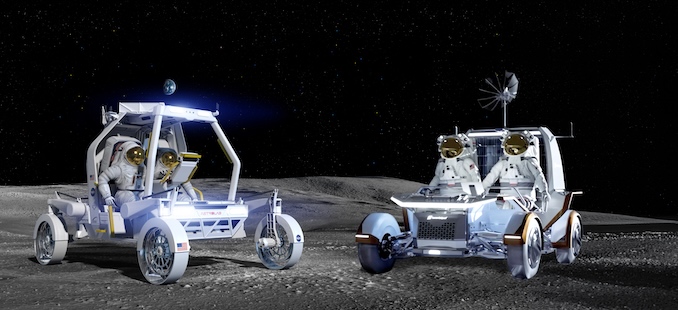
Her skills might soon be in demand. After all, the recent Artemis II mission that circled the moon is a reminder that NASA is working towards a permanent base on the lunar surface. Sending pre-packaged food up from Earth may be enough to feed those living there for a while. But to make a moon base truly self-sustaining, its astronauts will need to grow their own crops.
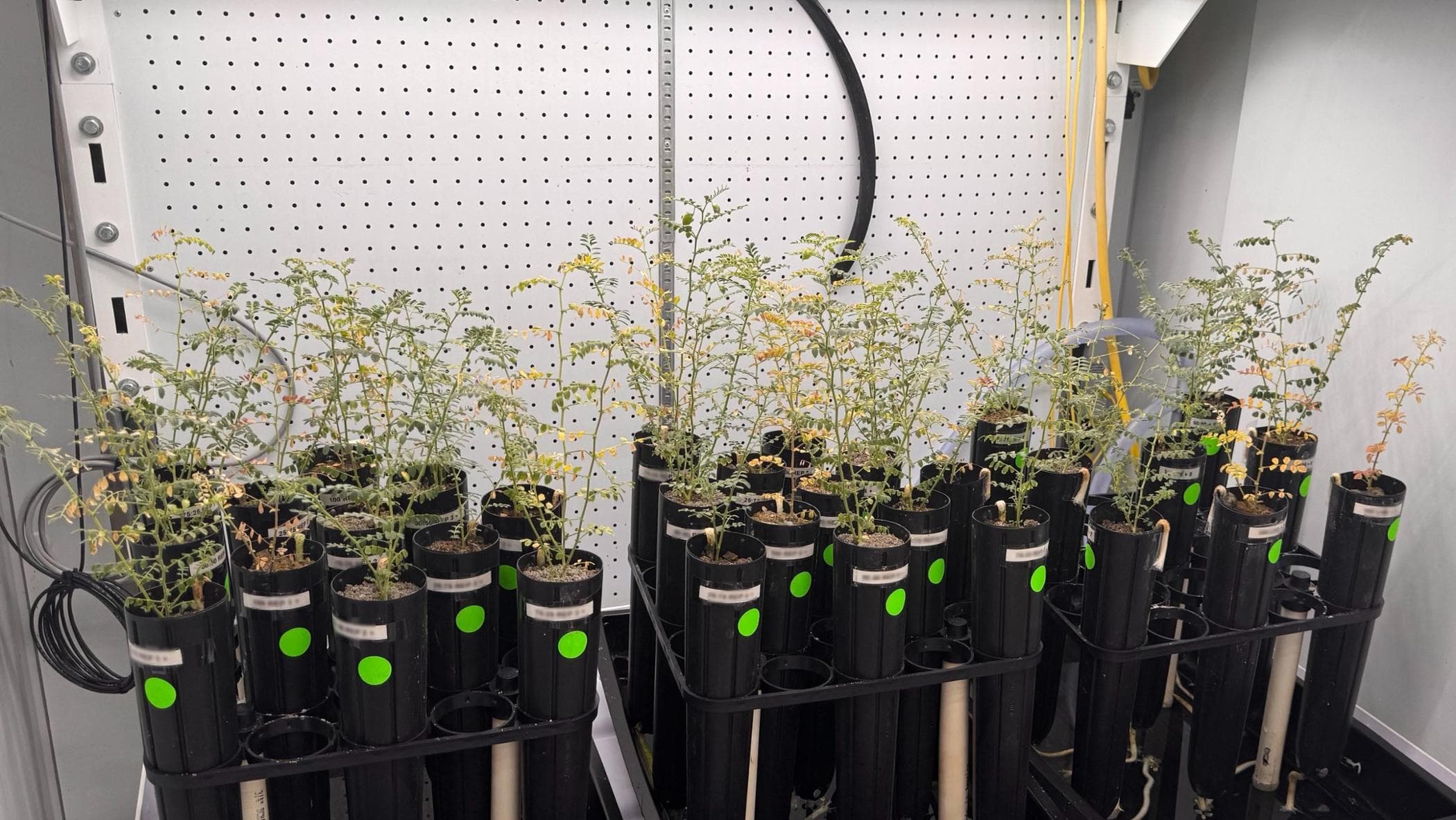
Doing so is a tall order: in addition to colonists needing to mine the moon’s reserves of water ice to hydrate their crops, the harsh, volcanic lunar dust, or regolith, is remarkably hostile to plant life. That’s where Atkin, who is based at Texas A&M University, comes in. She recently showed that lunar regolith spiked with an alchemic mixture of organic matter and a special sort of fungus seems to allow chickpeas to sprout. The powers that be have taken notice: she has been awarded a large NASA grant to carry on with her research and crack how to grow veg on the moon.