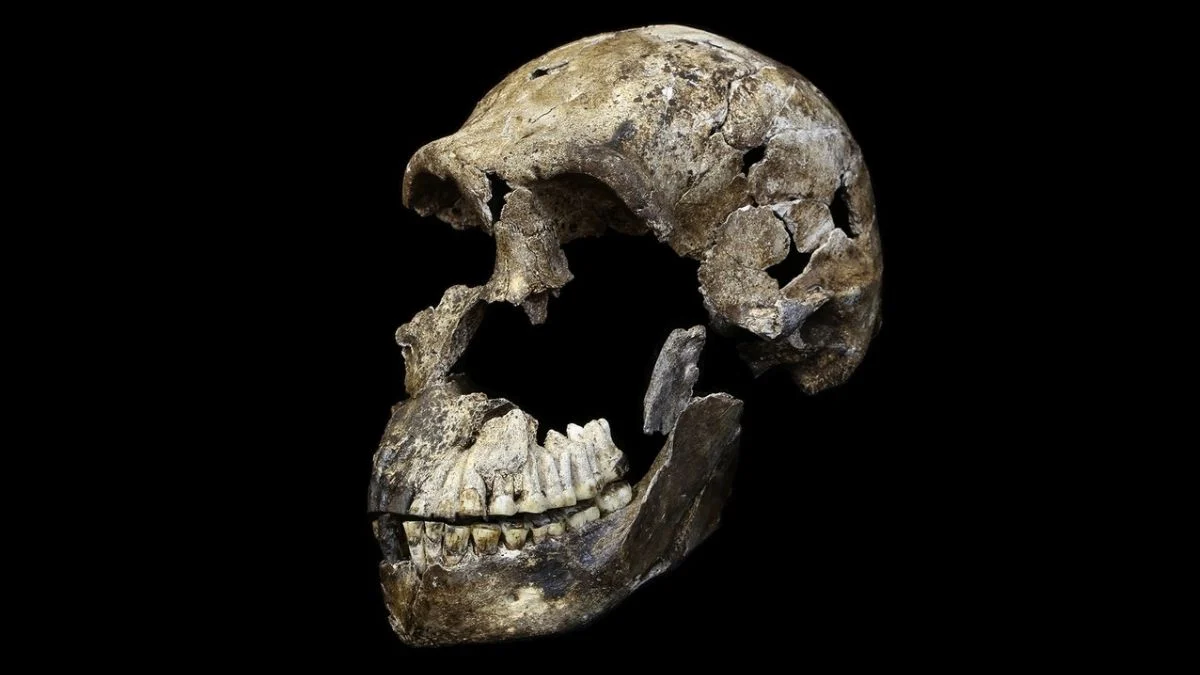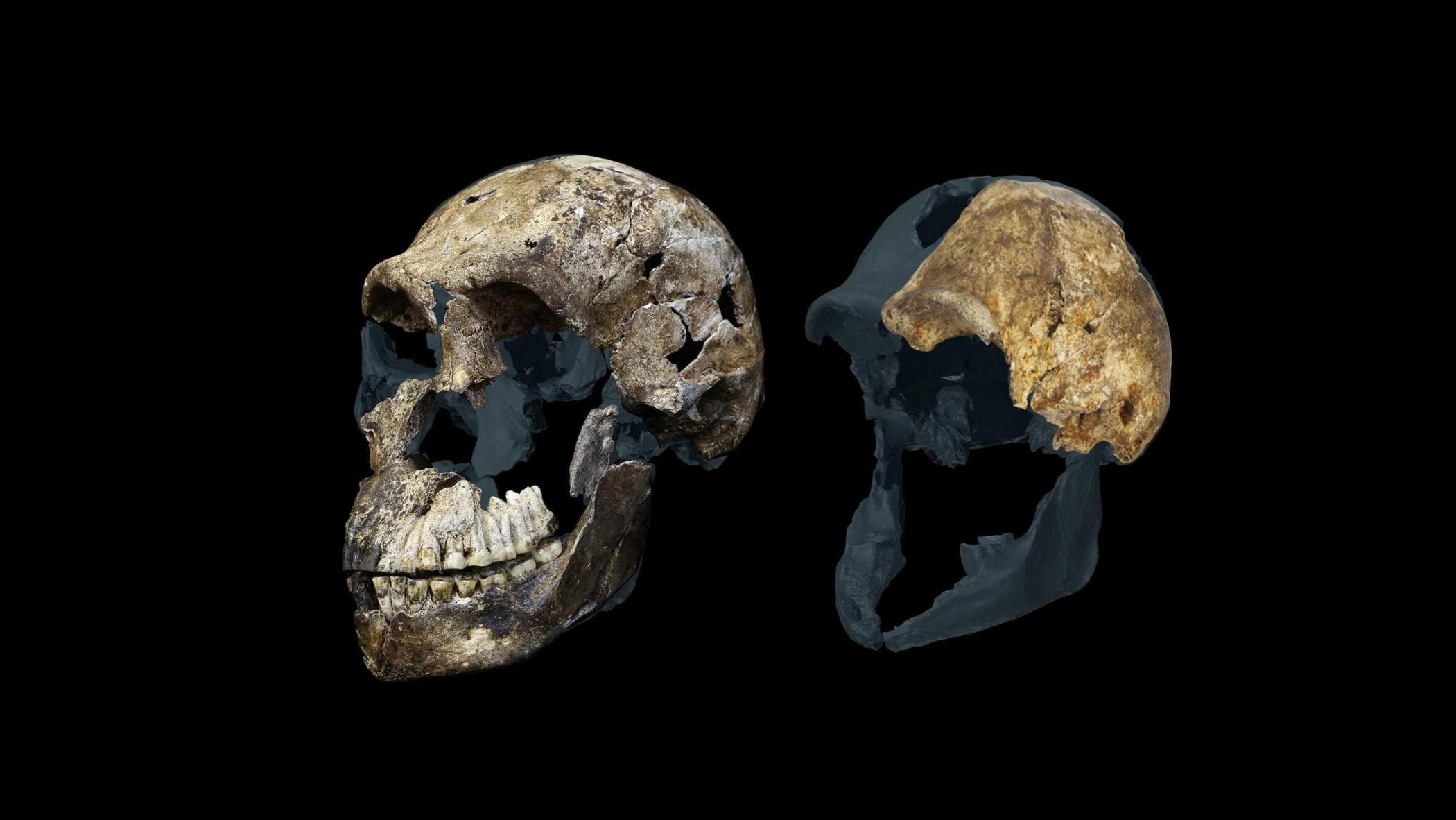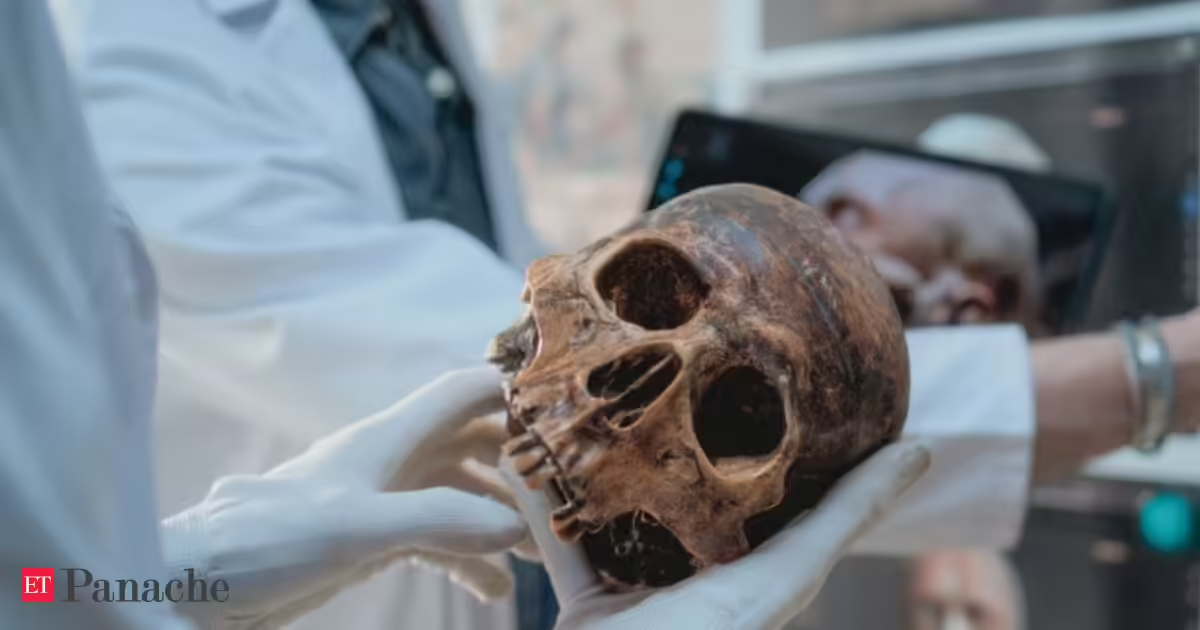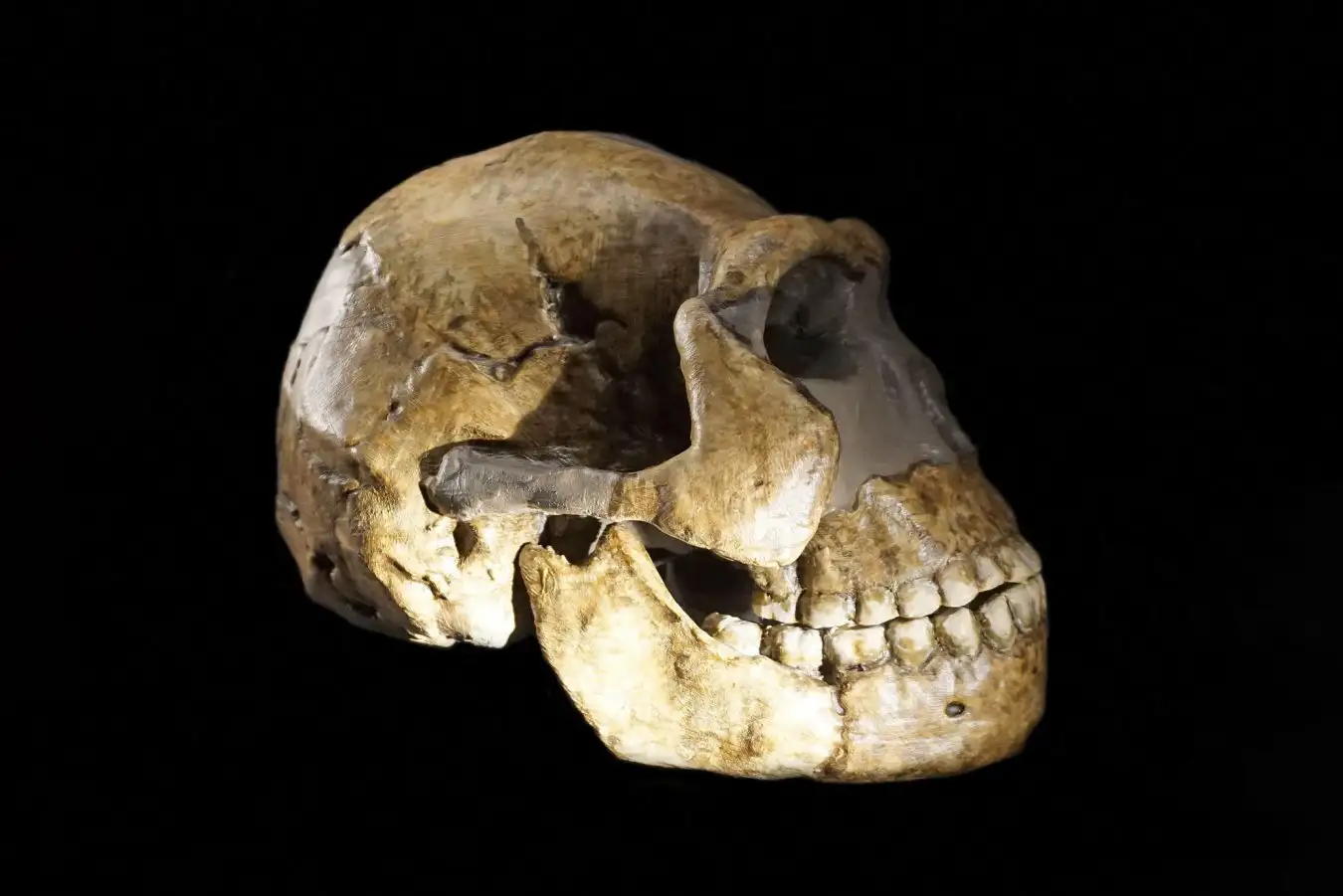
A Homo naledi skullPeter van Evert/Alamy
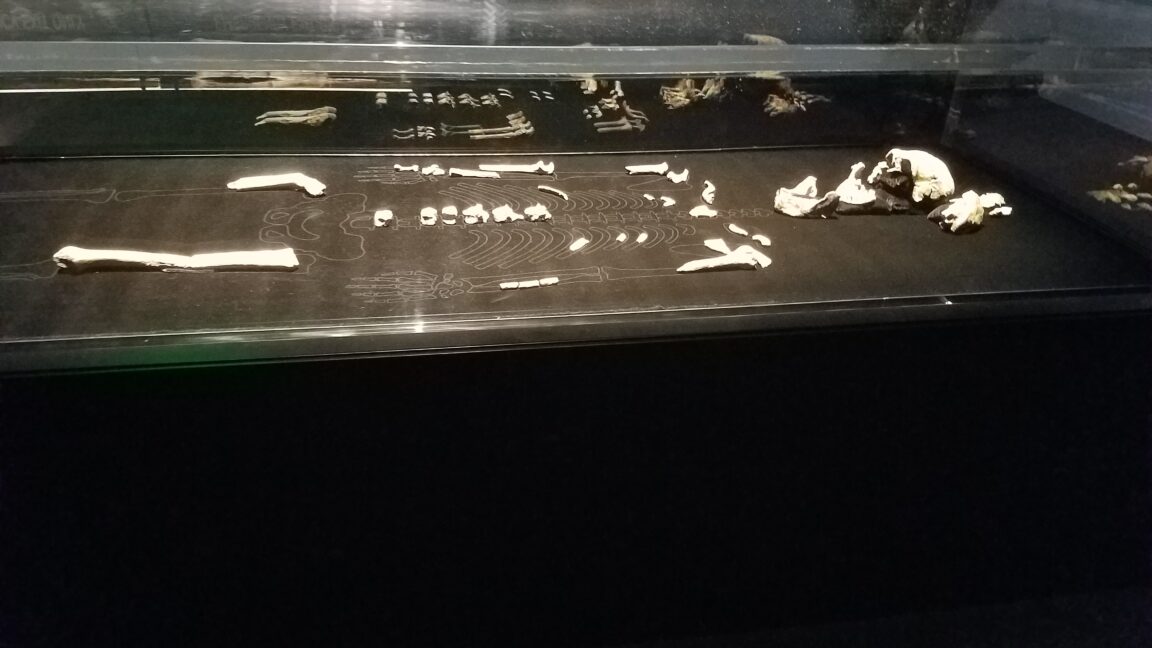
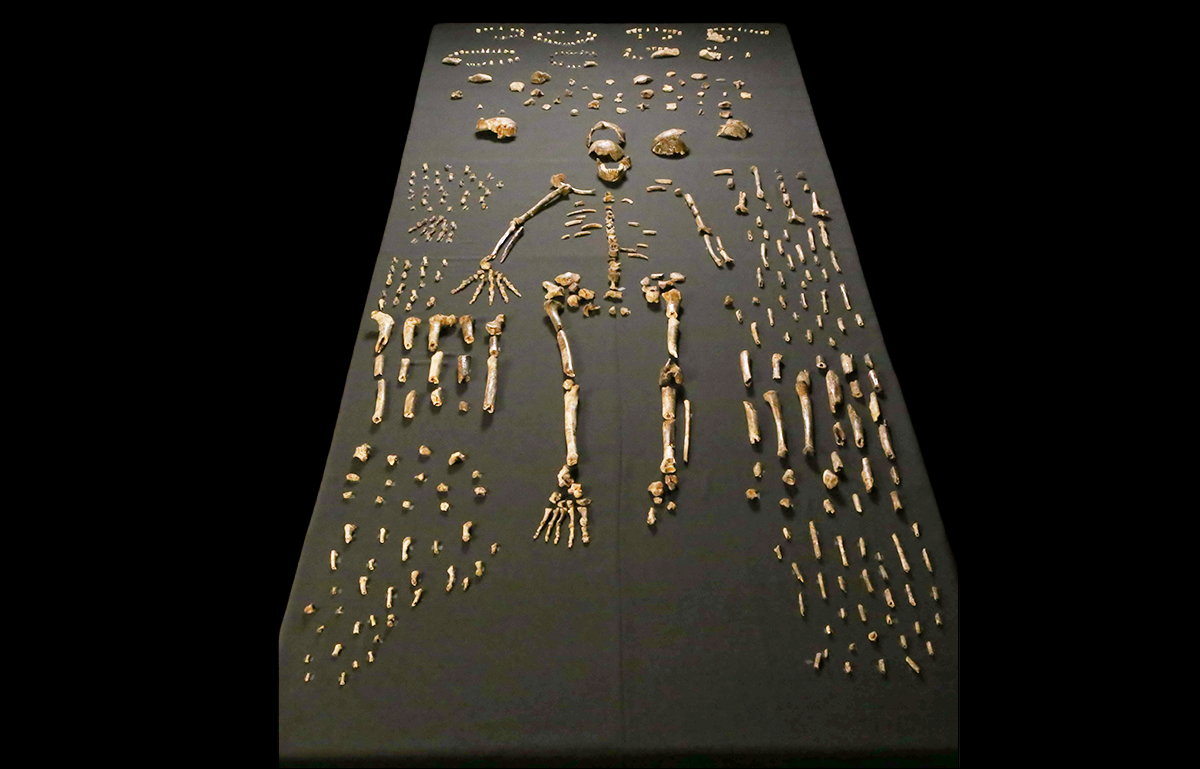
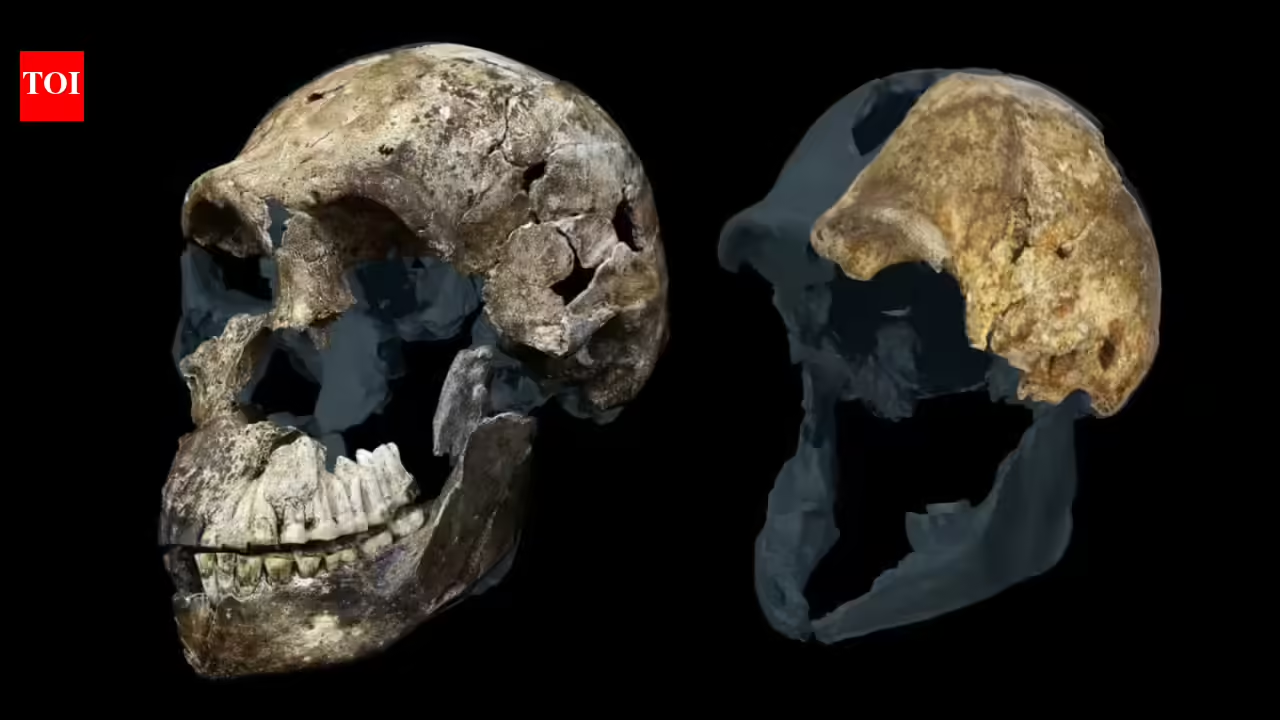
The Homo naledi fossils discovered in a South African cave 13 years ago are even more remarkable than we thought. An analysis of proteins in the skeletons suggests they are all female. The discovery may be the clearest evidence yet that H. naledi really did treat its dead in an unusual way.
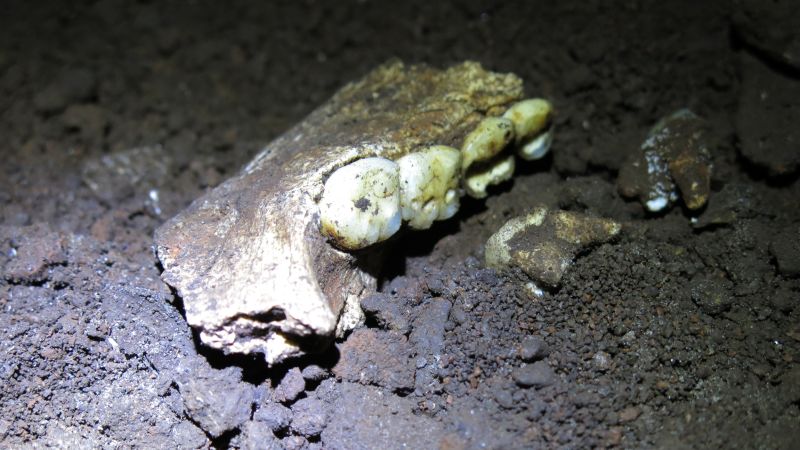
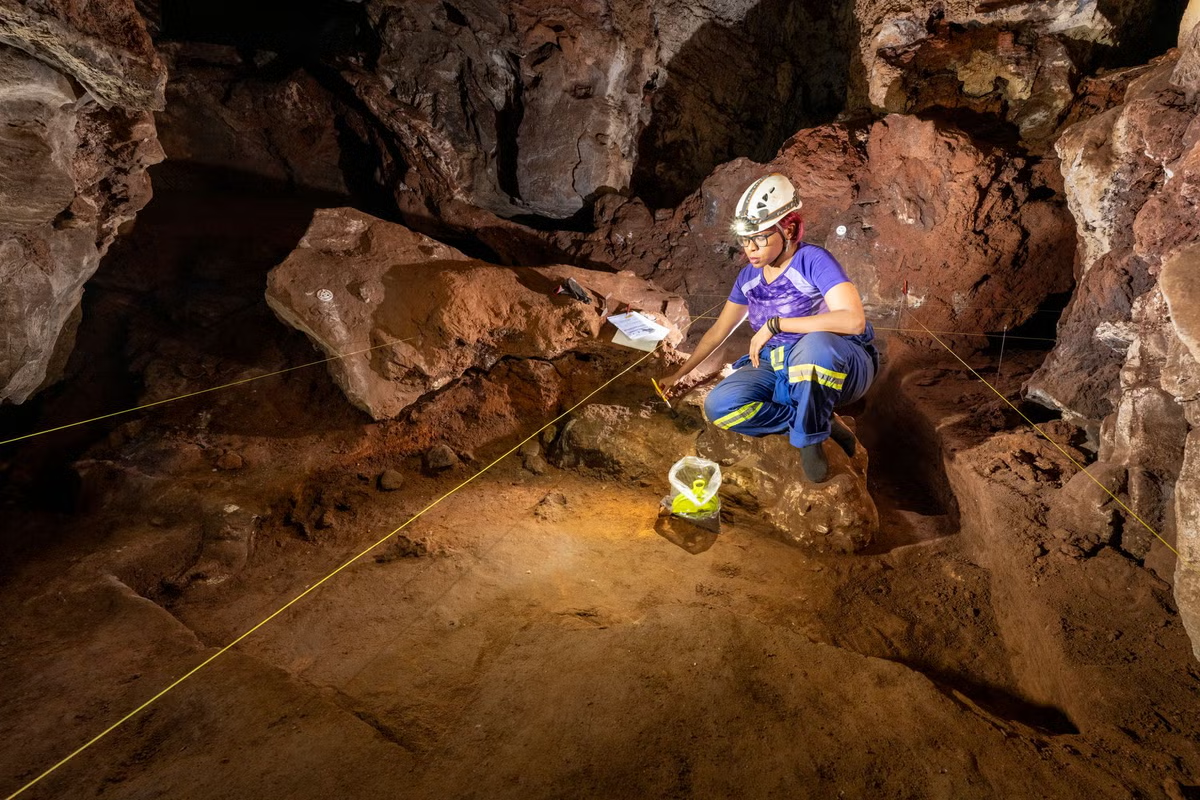
A couple of cavers stumbled upon the H. naledi fossils in 2013 as they explored the Rising Star cave system, about 40 kilometres north-west of Johannesburg. The fossils were in a series of deep and difficult-to-access cave chambers. Since then, researchers have been grappling with the mystery of how they got there.
A prominent but controversial idea first suggested in 2015 is that H. naledi deliberately dragged its dead through the cave system and deposited them in the chambers. In the years that followed, the researchers working at the site – led by Lee Berger at the University of the Witwatersrand, South Africa – expanded on this hypothesis. They say that archaeological evidence inside the cave suggests H. naledi dug graves for its dead in the dirt floor of the rock chambers, that it used flaming torches to light the way through the dark caves and that it left rock art on the chamber cave walls. All of these ideas have been met with extreme scepticism.