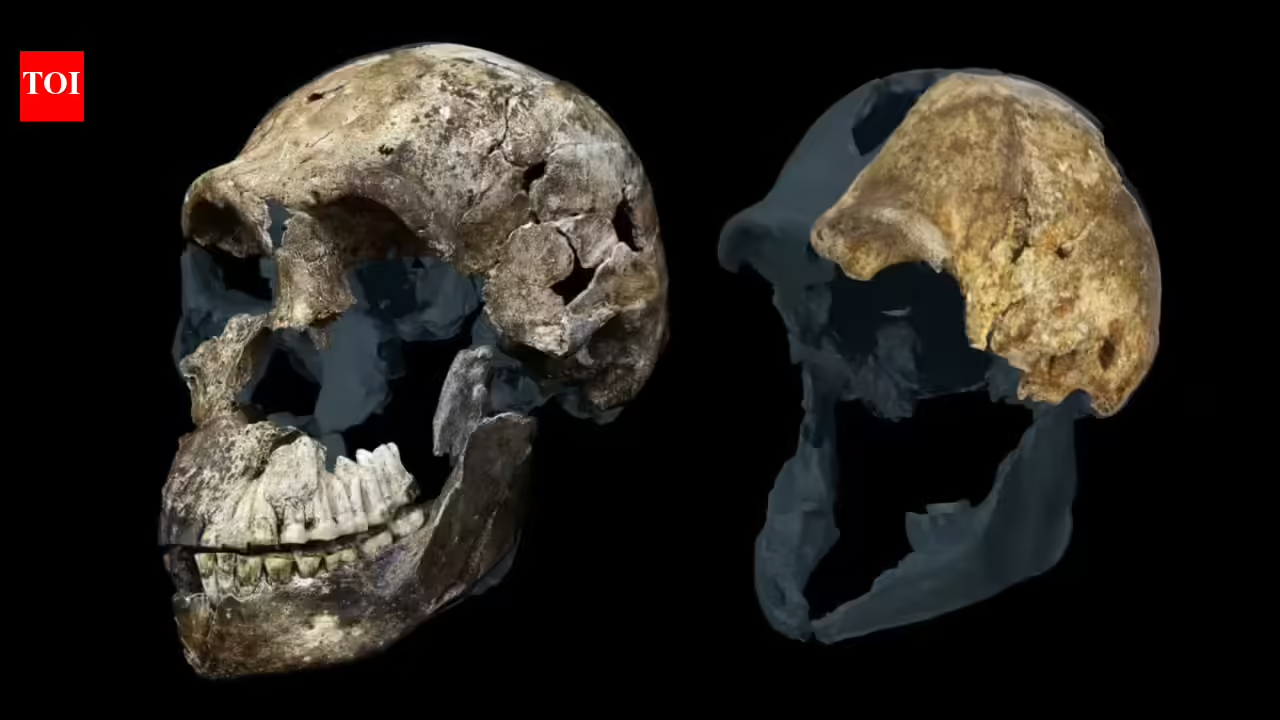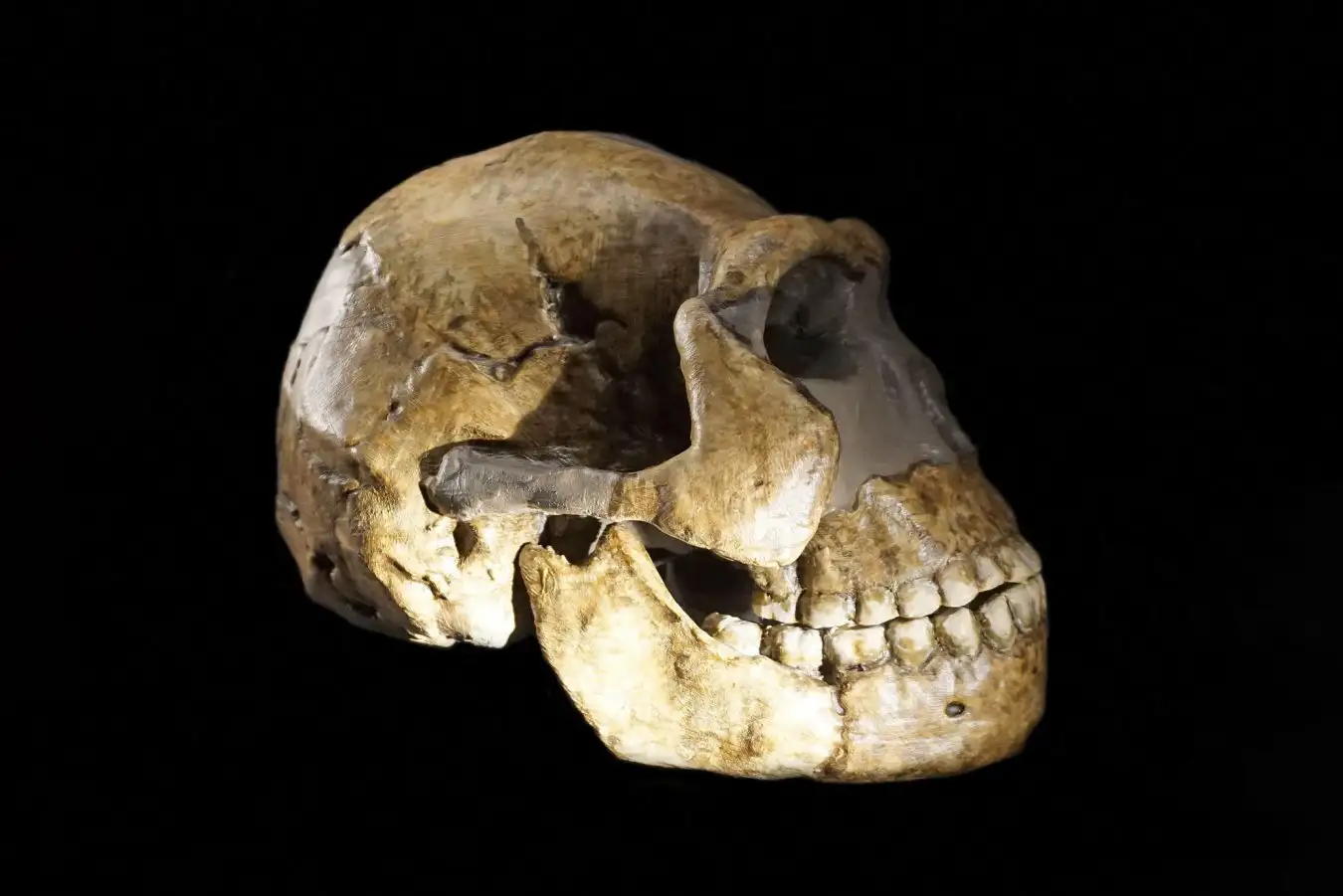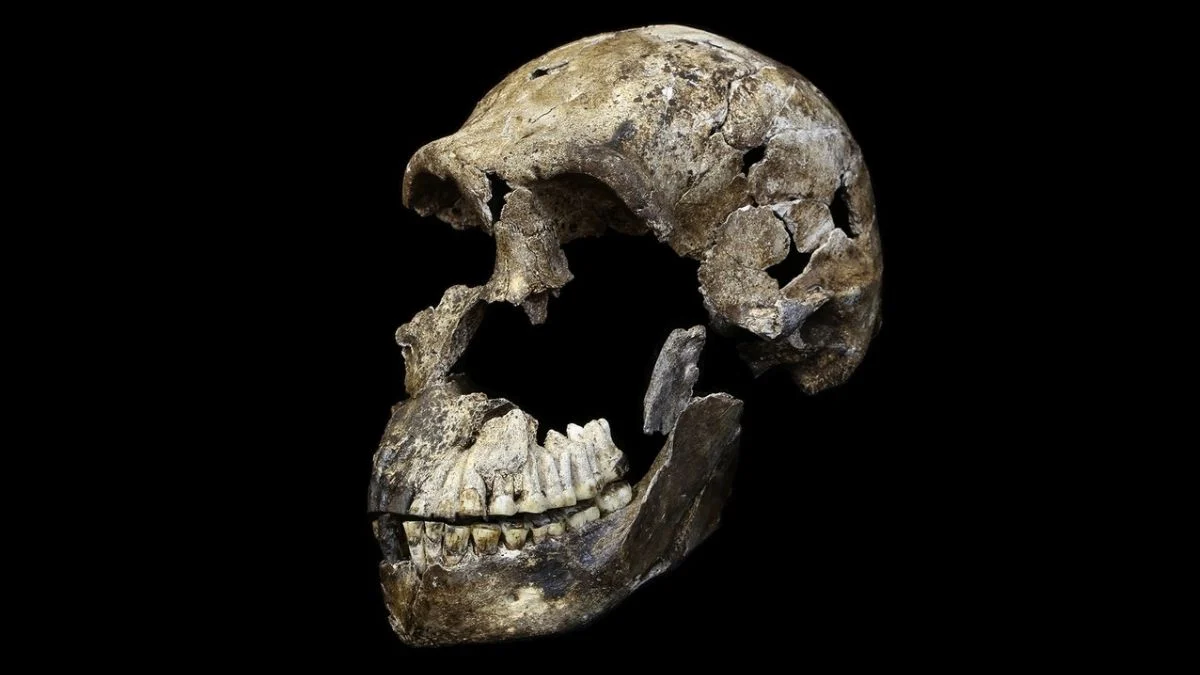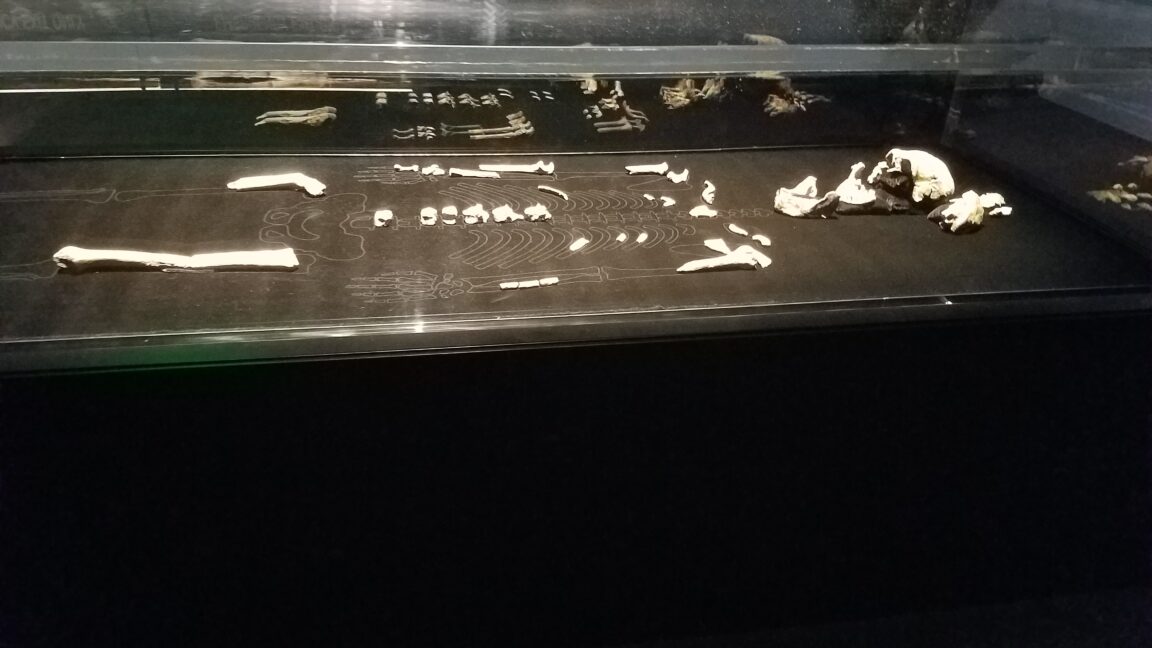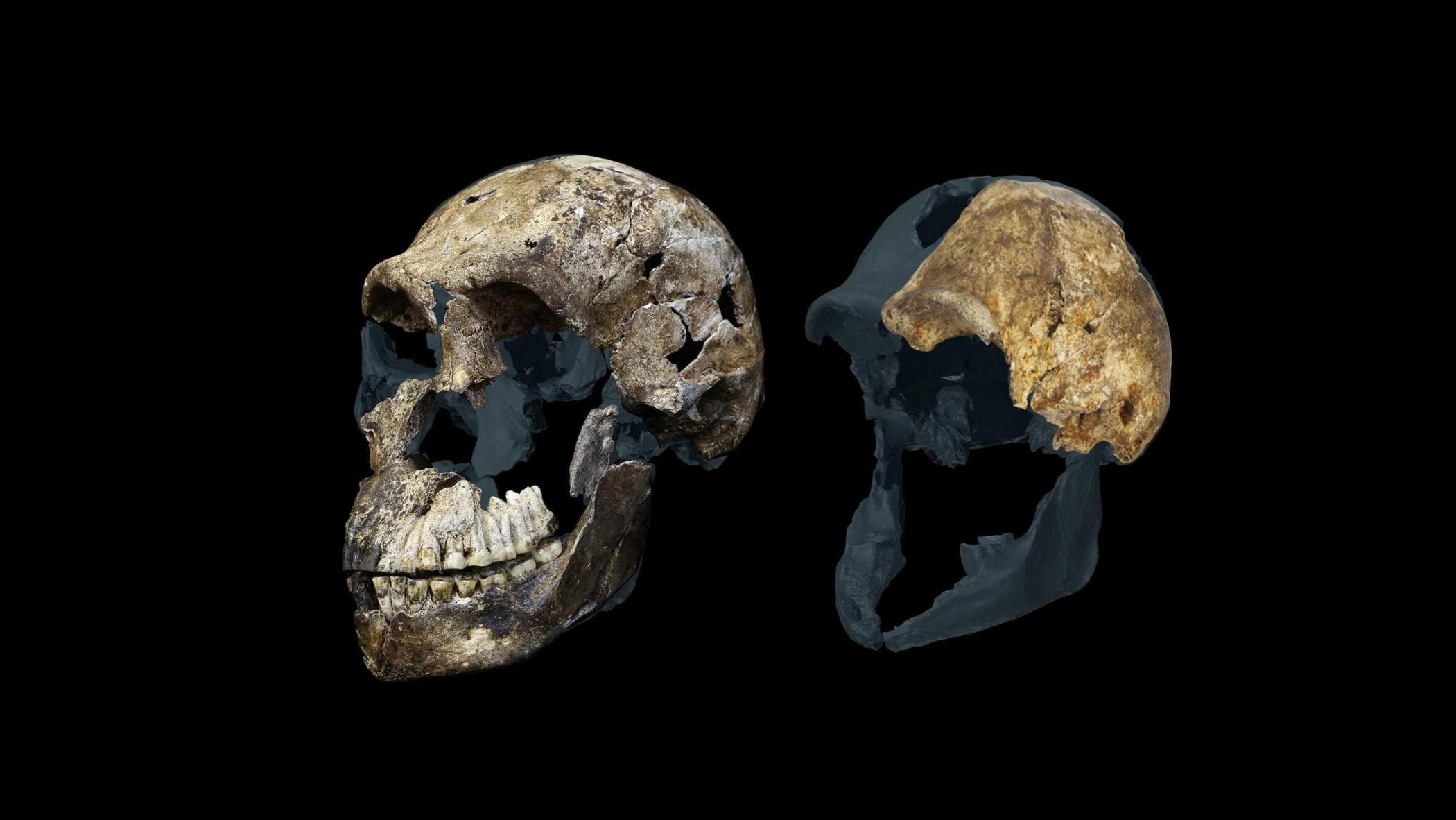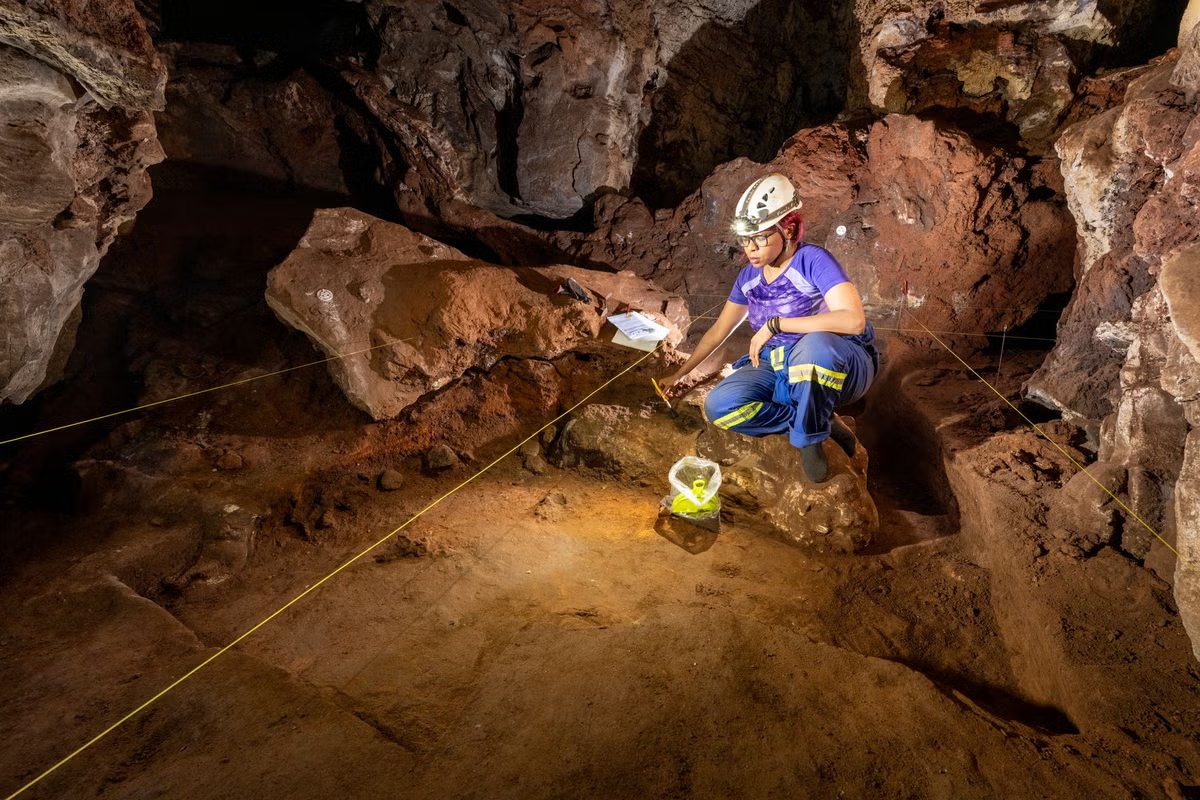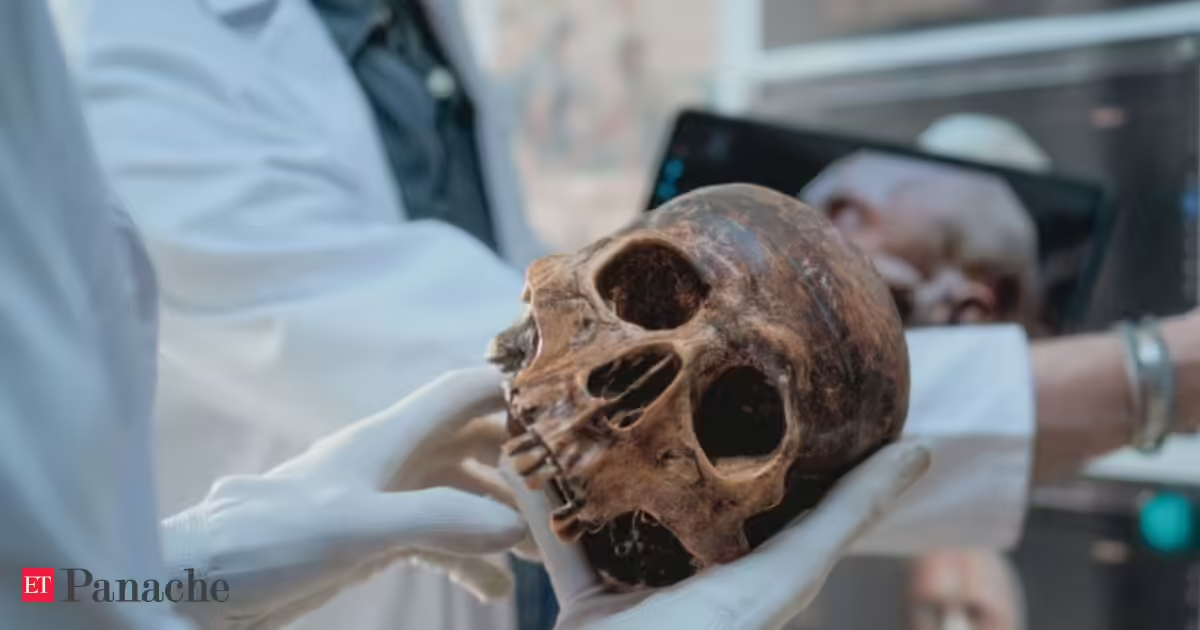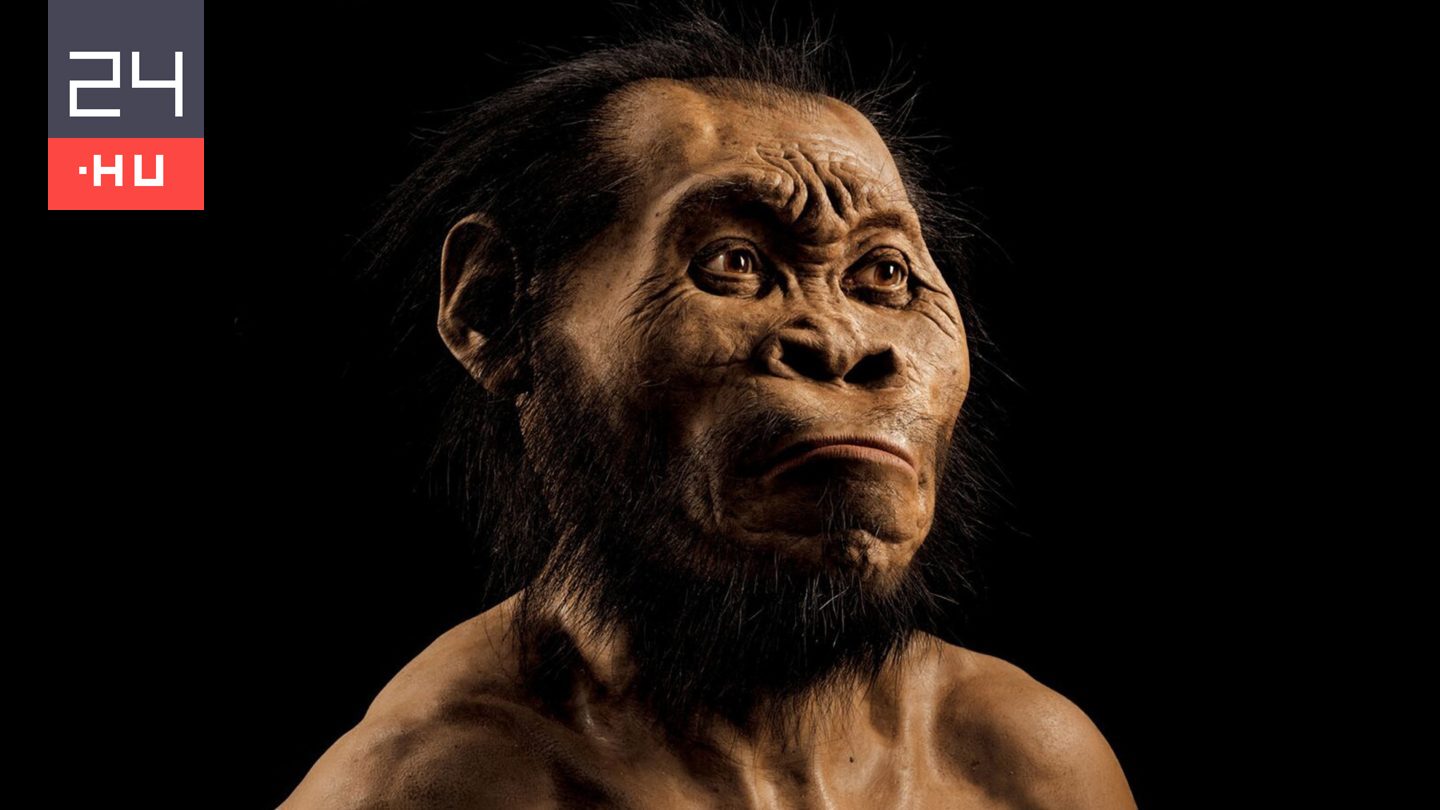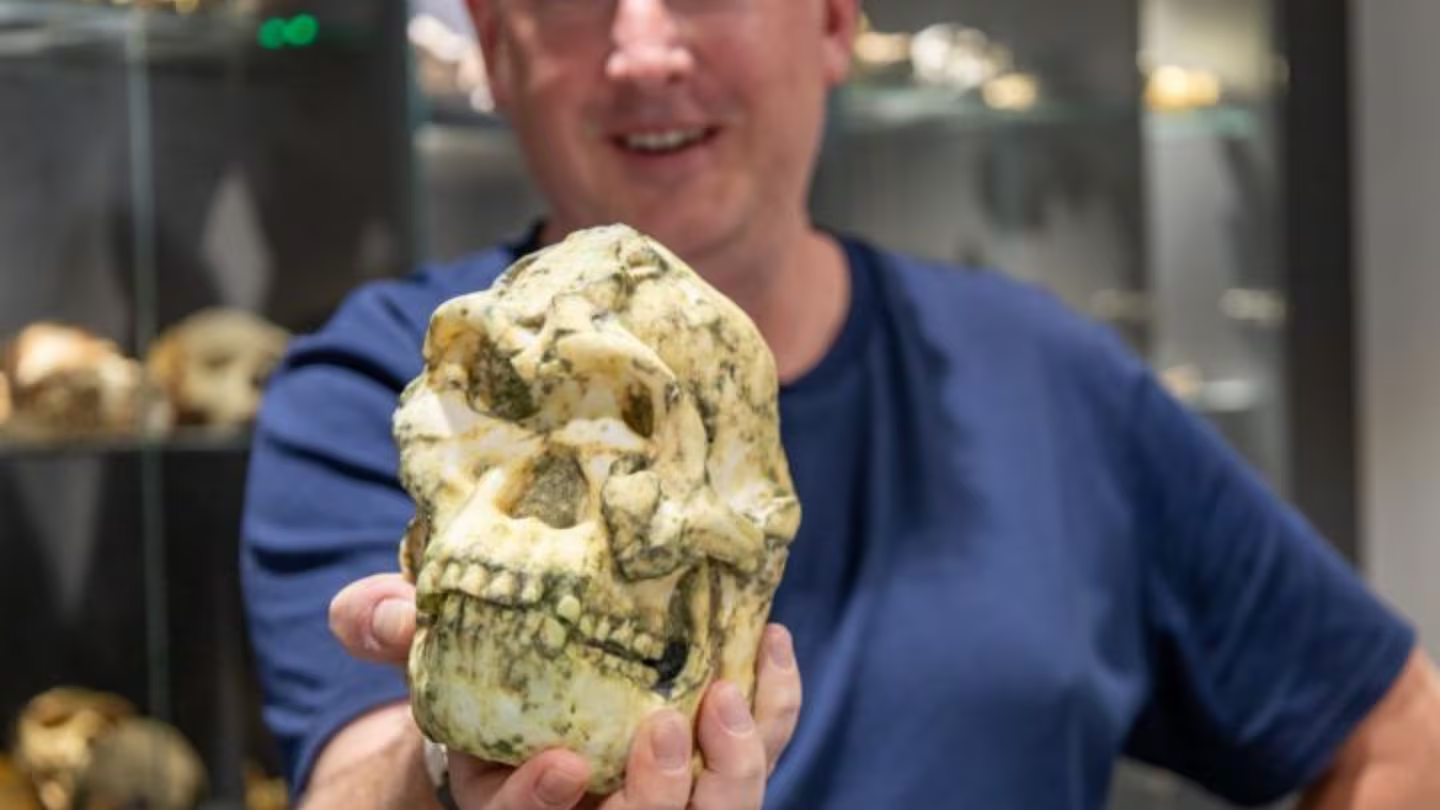
Humanlike fossils have emerged from the deep and twisting caverns of the Rising Star cave system in South Africa over the past decade — and what they have revealed has rocked the field of human origins. Now, new findings on the sex of individuals whose remains were discovered there are giving researchers a fresh but perplexing perspective on this oddball human relative.
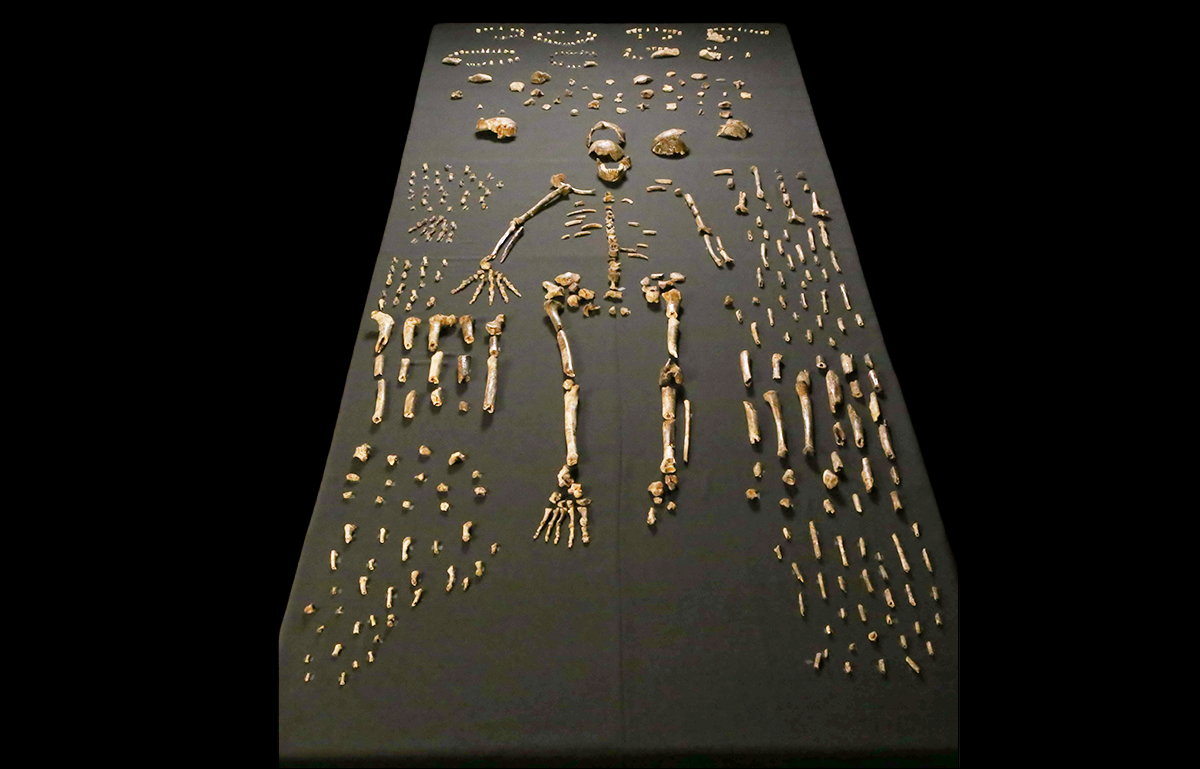
In 2015, scientists first described a tiny and puzzling species of hominin from an unusually rich cache of fossils found at a site known as Dinaledi Chamber within the cave system.
Despite having a brain not much bigger than a chimp, researchers hypothesized that Homo naledi, as the species was named, deliberately buried its dead in the confines of the cave. This act represented a sophisticated practice once regarded as uniquely human. Members of the species may even have engraved symbols on the rock walls, they reported.
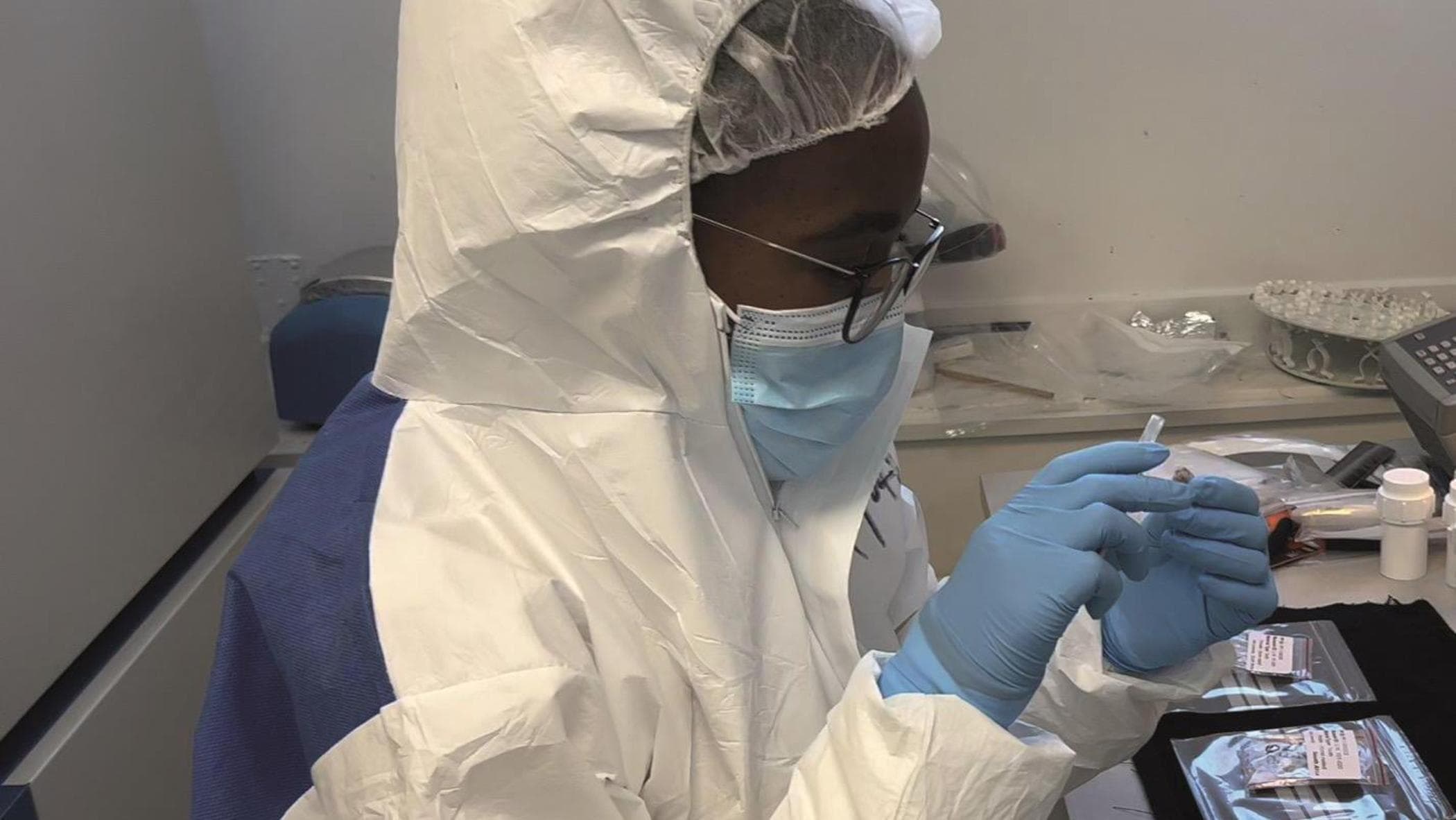
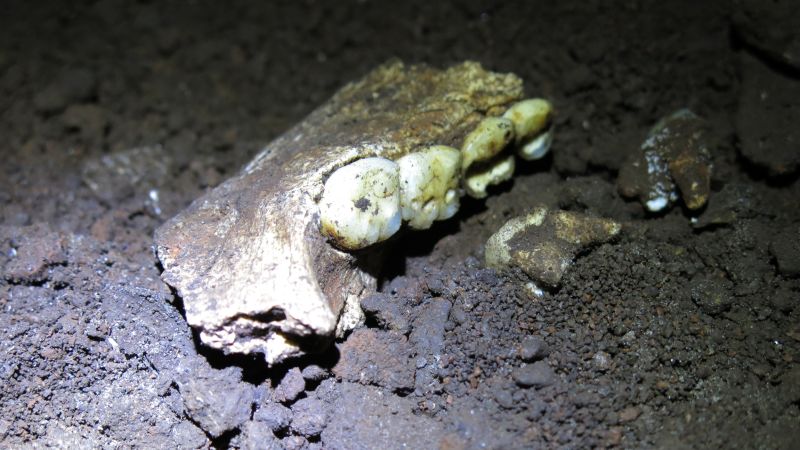
The latest research adds another layer of mystery: Scientists have recovered ancient proteins from teeth representing 20 individuals found at the site and determined that all the teeth came from females.
“When these results came out, there were a lot of quite nervous scientists. This was not what we expected,” said Lee Berger, a paleoanthropologist and National Geographic explorer in residence, who has led excavations at the site and coauthored the latest research.