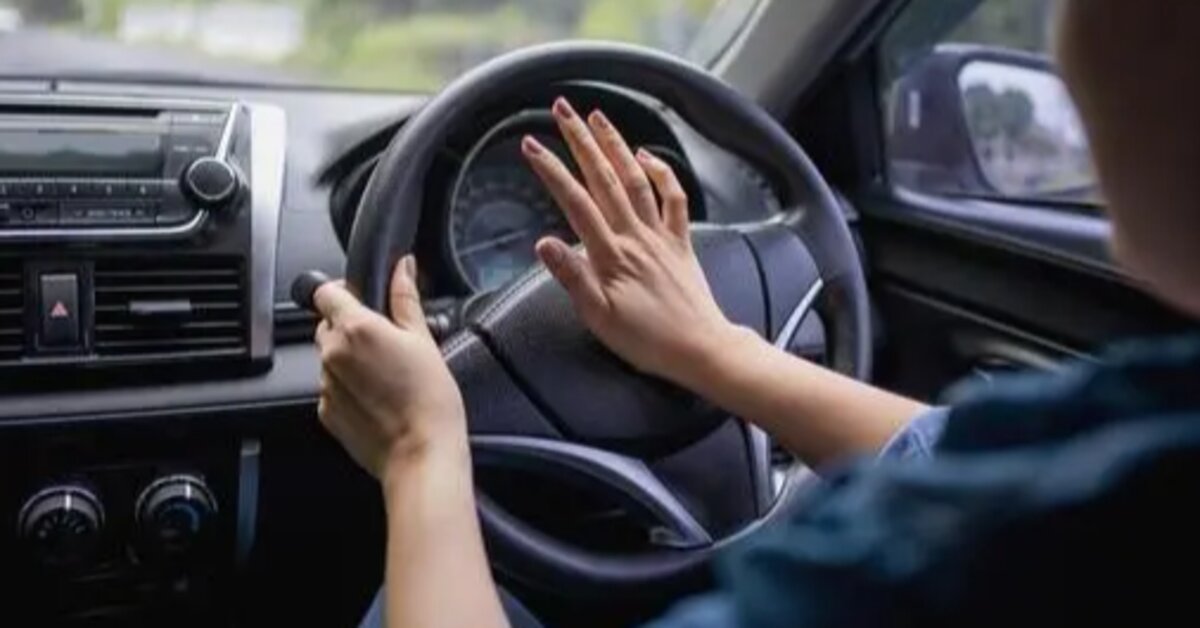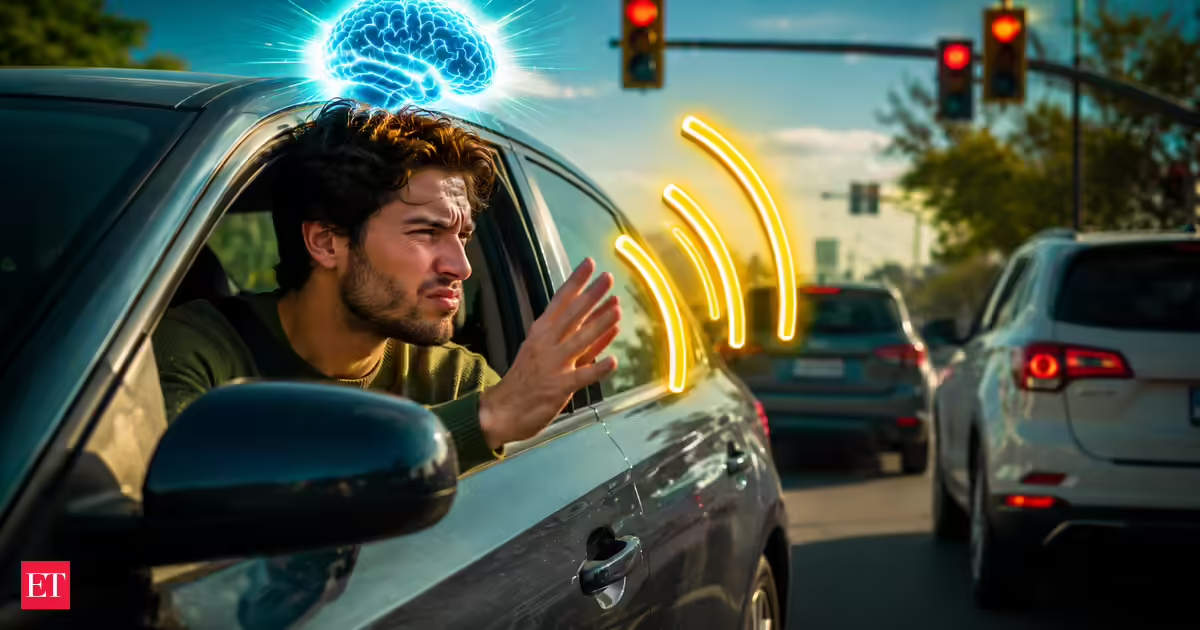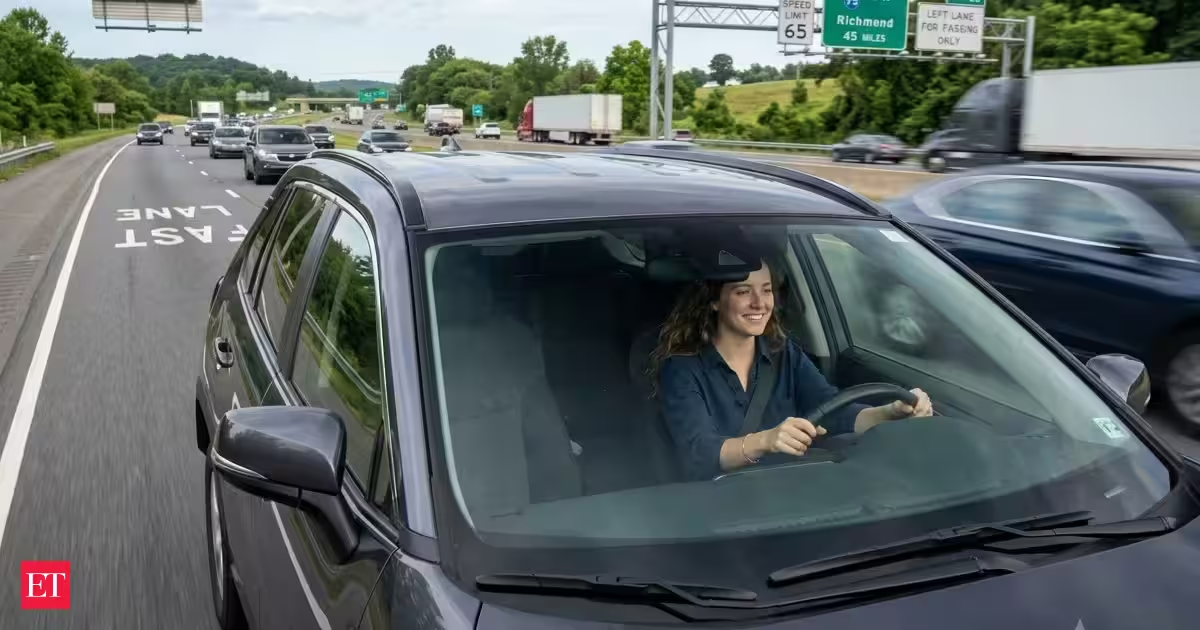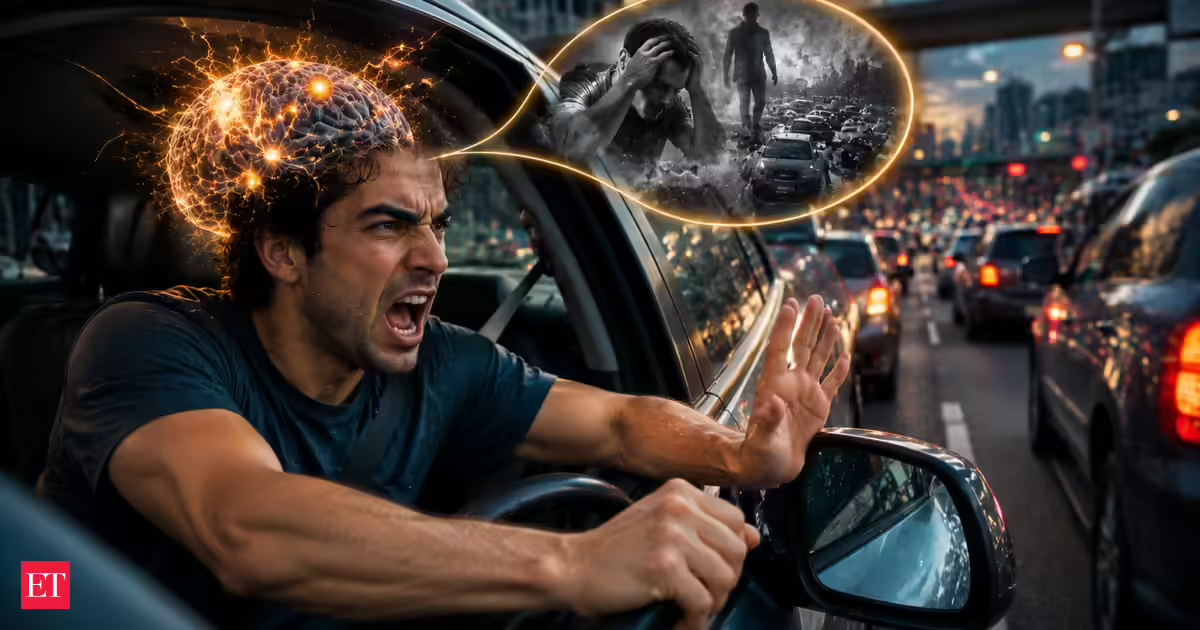
Almost everyone has experienced it. Cars are barely moving. The traffic light ahead is still red. Nobody has anywhere to go. Yet suddenly, someone starts honking. Then another person joins in. Soon, an entire lane seems to be participating. To outsiders, the behavior may seem irrational. After all, a horn cannot magically remove a traffic jam. But psychology suggests there is much more happening beneath the surface.People who honk excessively in heavy traffic are not always impatient or rude. In many cases, their brains may be reacting to stress, uncertainty, and a temporary loss of control. Driving is already a mentally demanding activity. Add crowded roads, delays and time pressure, and the brain begins operating under strain. Several psychological theories help explain why some people instinctively reach for the horn.The brain dislikes losing control over situationsOne of the biggest triggers behind traffic frustration is the loss of control. Psychologists have consistently found that humans prefer environments where their actions produce predictable outcomes. Traffic disrupts that expectation. You are pressing the accelerator, but the car is not moving. You are trying to reach a destination, but external circumstances are preventing progress. This mismatch creates mental tension.Psychologist Albert Bandura explored the concept of self-efficacy, which refers to people's belief that they can influence outcomes. Traffic weakens that belief. The horn may become an attempt to restore a sense of influence, even if only temporarily. The action says, "I am doing something." Even if nothing changes, the brain briefly feels less helpless.Frustration-aggression theory may explain the reactionOne of the oldest explanations comes from frustration-aggression theory. Psychologists proposed that frustration often appears when people are blocked from achieving a goal. In traffic, the goal is simple: get somewhere. Heavy congestion creates an obstacle. The frustration builds. For some people, honking becomes an immediate outlet. Imagine a person running late for an important meeting. Every extra minute increases emotional pressure. The horn becomes an expression of that accumulated frustration. It is not necessarily directed at one individual. It is often directed at the situation itself.You Might Also Like:Cognitive overload may make people react impulsivelyDriving requires constant mental effort. The brain monitors mirrors, pedestrians, road signs, speed, and surrounding vehicles all at once. Psychologists describe this as cognitive load. Heavy traffic increases the load dramatically. The brain becomes overwhelmed by information. When mental resources are stretched thin, emotional reactions often become stronger.Small inconveniences may suddenly feel much larger. For example, a delay of two minutes may feel insignificant in a relaxed state. But after forty-five minutes in bumper-to-bumper traffic, the same delay may feel unbearable. The brain's patience starts shrinking.Emotional contagion may spread the behaviorPsychologists have also studied emotional contagion, the tendency for emotions and behaviors to spread from one person to another. Traffic is a perfect environment for this phenomenon. One driver honks.Nearby drivers become more alert and irritated. Some unconsciously copy the behavior. The emotional atmosphere changes. People may not even realize they are being influenced. Humans naturally mirror the actions and emotions of others, especially in crowded environments. This is why one impatient driver can quickly affect an entire lane of traffic.The anonymity effect may reduce social restraintDriving creates a unique psychological environment. People are physically present but socially disconnected. Researchers call this deindividuation.You Might Also Like:Inside a vehicle, people often feel anonymous. The normal social rules that guide face-to-face interactions may weaken. For example, most people would not shout at strangers standing beside them in a grocery store. But behind a windshield, emotional restraint sometimes decreases. The vehicle creates a sense of separation. This can make impulsive behaviors like unnecessary honking more likely.Time pressure changes how the brain processes delaysAnother important factor is time urgency. Some people naturally have stronger reactions to delays because they are highly time-conscious. Psychologists have linked this to Type A behavior patterns, which are associated with competitiveness, urgency and impatience.People operating under tight schedules may interpret traffic as a direct threat to their goals. The brain shifts into problem-solving mode. When no solution exists, frustration rises. Honking becomes a substitute action. The person feels they are fighting back against the delay.Stress hormones may also fuel the behaviorTraffic is not only mentally demanding. It can also trigger physiological changes. Stressful situations increase cortisol and adrenaline levels. The body becomes more alert. Heart rate rises. Patience decreases. The brain enters a mild fight-or-flight state. In this condition, people often become more reactive.This does not mean they are angry people. It means their nervous systems are responding to prolonged stress. After all, sitting in traffic for an hour is not passive for the brain. The brain treats it as an active challenge.The horn may have less to do with impatience and more to do with emotional releasePsychology teaches us that everyday behaviors can reveal what is happening beneath the surface of the mind. Honking is rarely the entire story. More often, it reflects stress, a desire to regain a sense of control, and the effects of mental overload. People who honk in heavy traffic are not always trying to be aggressive. In many cases, they are reacting to frustration, uncertainty, and the pressure that builds up in demanding situations. Their brains may simply be searching for a small sense of agency in a situation where very little can be controlled. Sometimes, pressing the horn is not about making the traffic disappear. It is the brain's way of briefly saying, "I don't like being stuck." And that feeling is far more human than most people realize.FAQsWhy do people honk so much in traffic?Psychology suggests many drivers honk because traffic creates stress, frustration and a temporary loss of control.Is excessive honking a sign of anger issues?Not always. It can sometimes be an immediate reaction to environmental stress rather than a personality problem.
Psychology says people who honk in heavy traffic may not be impatient, they could be reacting to stress, loss of control and mental overload
Why do some people repeatedly honk in heavy traffic? Psychology suggests the behavior may be linked to frustration, stress, perceived loss of control and emotional regulation.
960 words~4 min read