24 June 2026
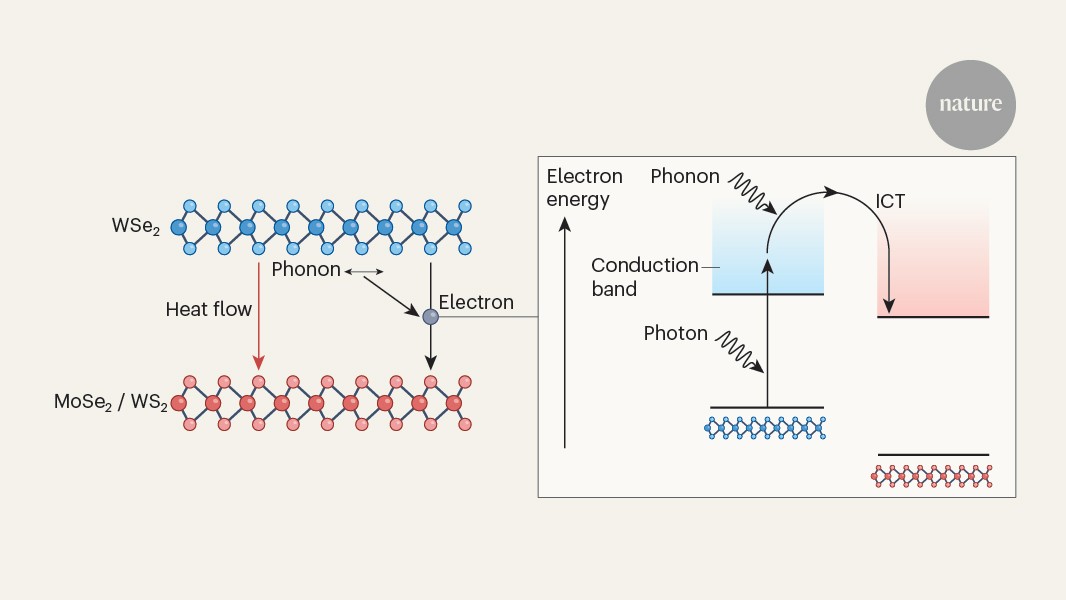
A temperature difference of more than 100 kelvin can be created between stacked layers of 2D material by irradiating them with laser light.
By
Steven P. Hepplestone0 &
Robert J. Hicken1
A temperature difference of more than 100 kelvin can be created between stacked layers of 2D material by irradiating them with laser light.
24 June 2026
A temperature difference of more than 100 kelvin can be created between stacked layers of 2D material by irradiating them with laser light.
By
Steven P. Hepplestone0 &
Robert J. Hicken1
Scientists have demonstrated that heat can move through a crystal in focused, wave-like rays at room temperature instead of…
A newly developed material can control and "program" heat, allowing it to direct thermal radiation, switch modes, and remember…
How does light turn into motion within a metal? A team of researchers from European XFEL, the University of Potsdam and other…
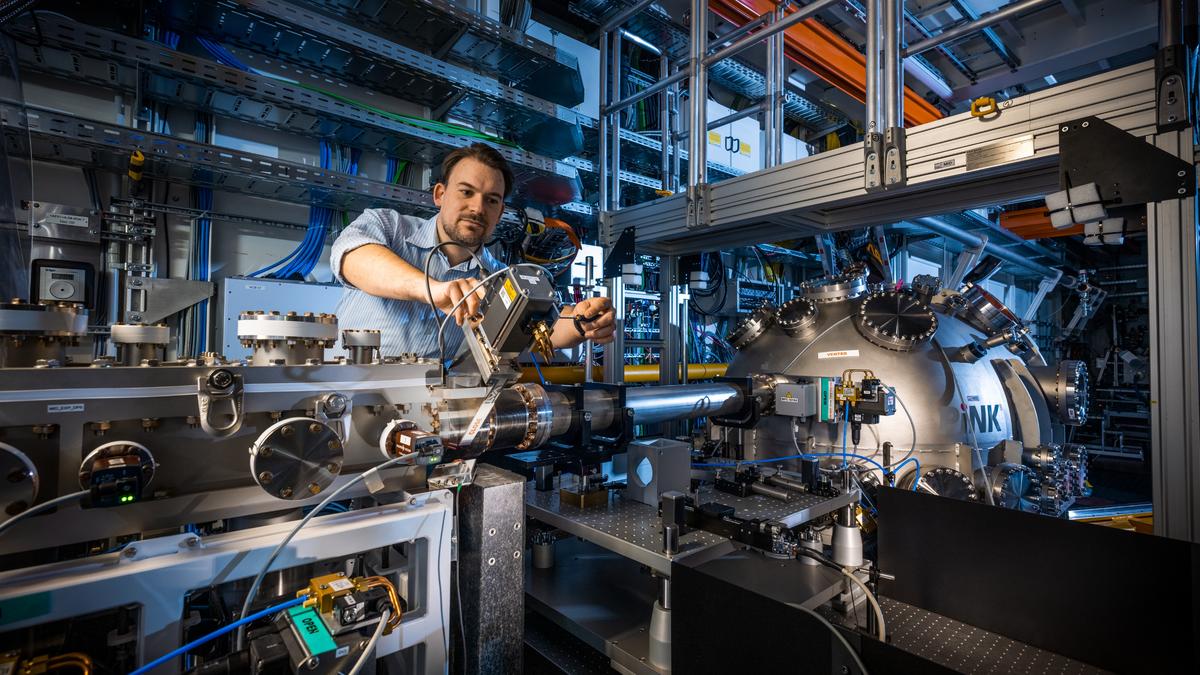
Scientists use laser pulses to manipulate atoms at terahertz frequencies, advancing next-gen computer technology through strain…
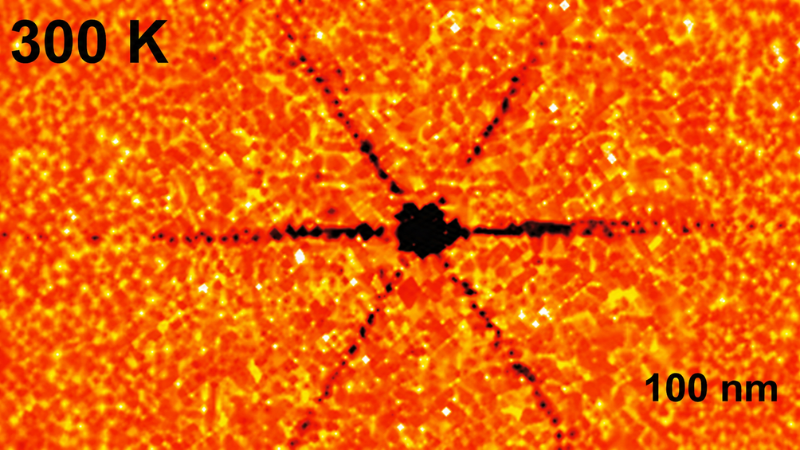
Efficient heat management in solids is key to advancing the next generation of electronics. However, wavelike heat movement —…
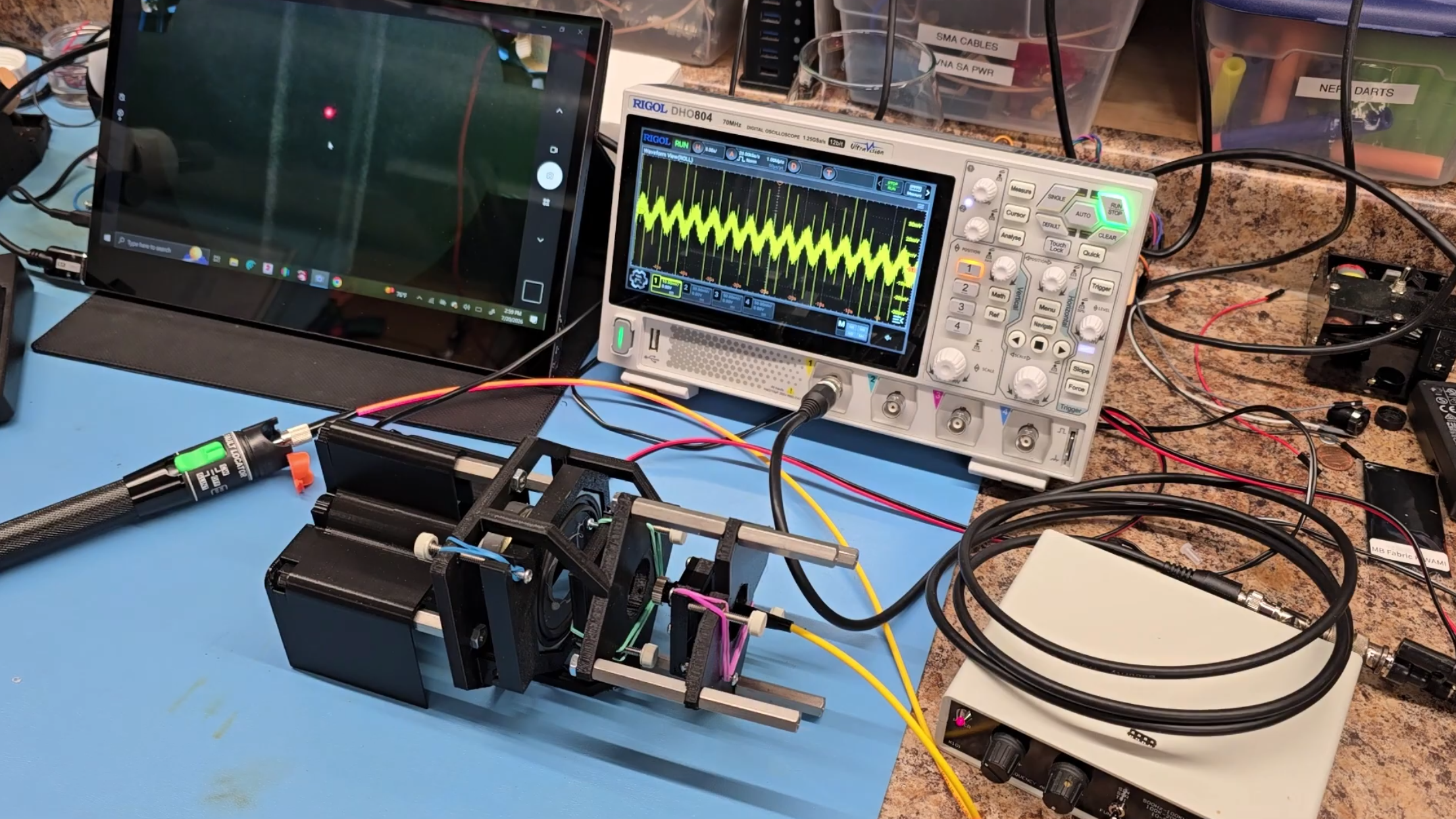
Optical cavities – two mirrors arranged to reflect light multiple times between them – form the basis of lasers and certain…
Laser strums atoms trillions of times in search for better computers

Magnet-Free Structured Light Control Could Advance Quantum Communications
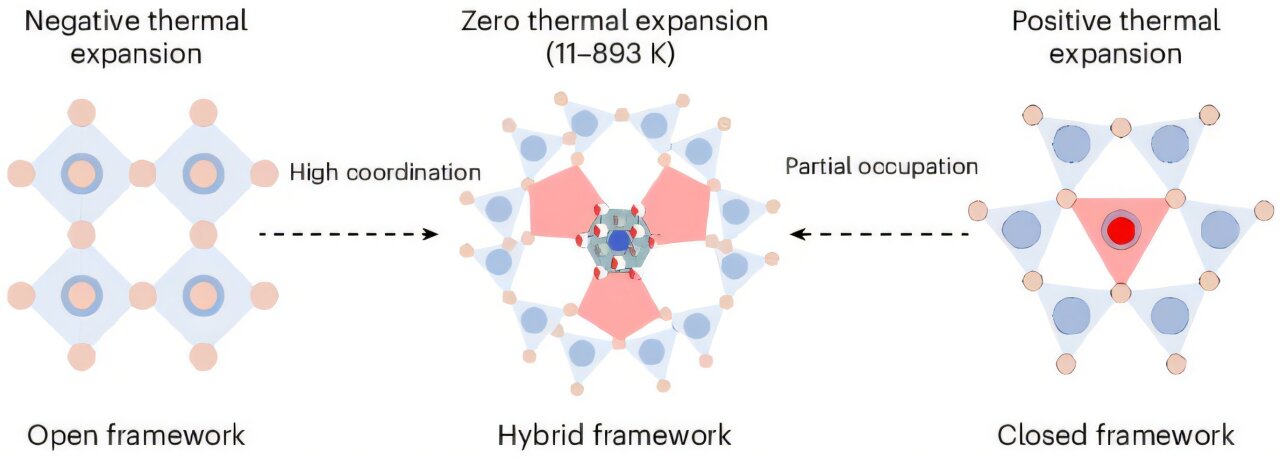
Novel crystal strategy delivers near-perfect zero thermal expansion from 11 K to 893 K
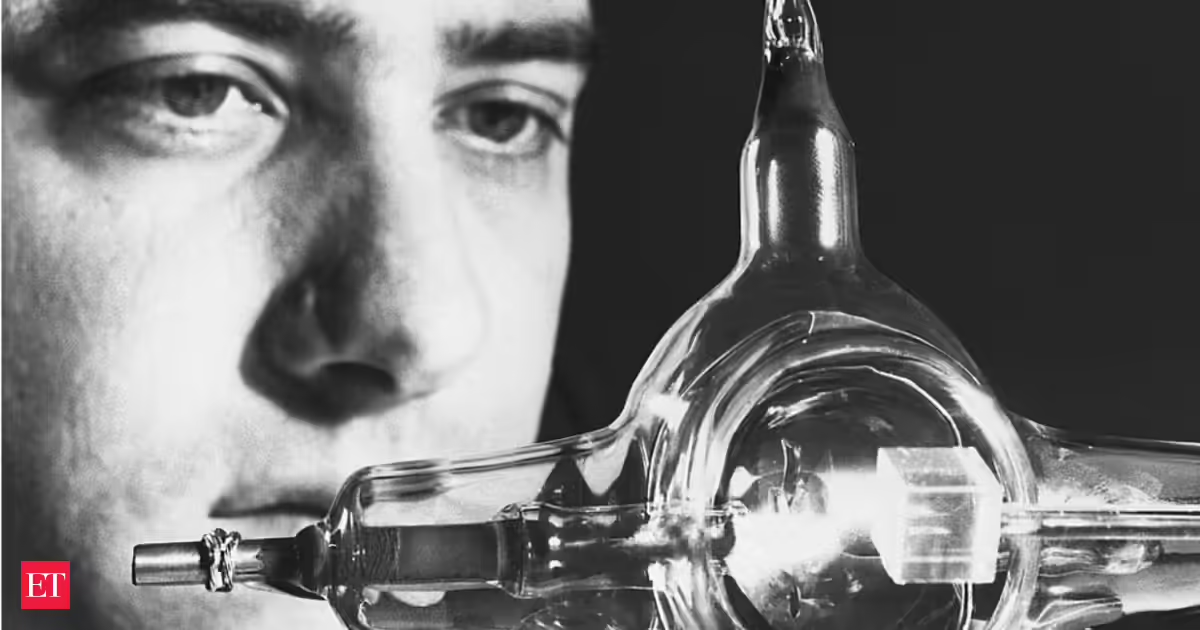
In 1960, a physicist fired a flash lamp into a synthetic ruby rod: It produced the first working laser and changed how humans control light