During the first two decades of my career as a special operations helicopter pilot, I flew close to the ground keeping a close watch on the enemy and on our forces below. But my successors will need to focus on what’s above them.
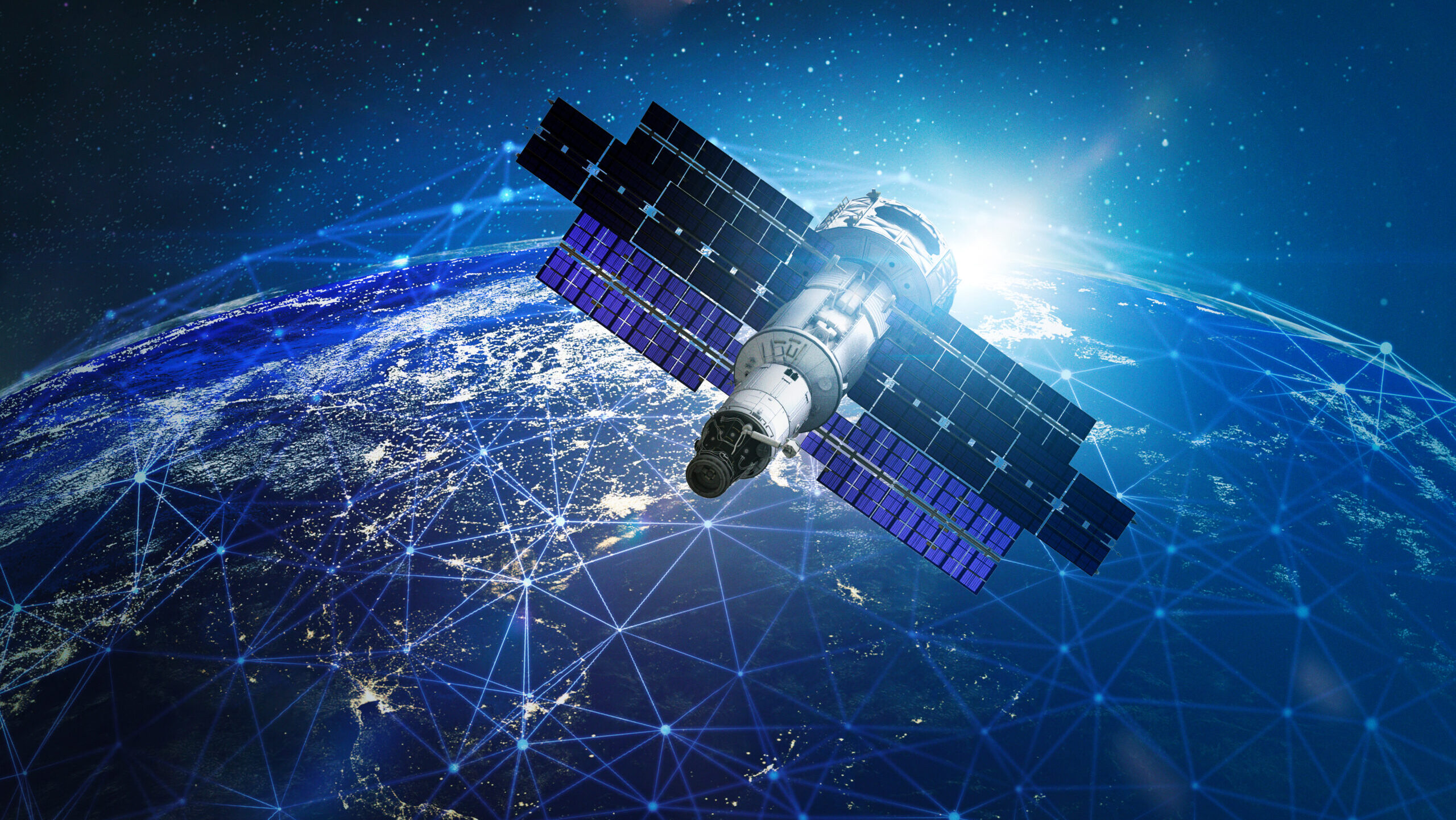
Space is now the ultimate high ground in warfighting. Whoever dominates space has a decisive advantage over our adversaries. The recent combat operations in Iran, Ukraine, and Venezuela, where space operations were vital to each and every movement of military forces, have shattered any remaining illusions about space having a secondary role in modern conflict.
Our ability to maintain our advantages in space while denying them to a sophisticated adversary has become a baseline requirement for everything we do in the maritime, air, ground, and cyber domains. But even as America’s space capabilities play a vital role in modern operations, that advantage is not guaranteed, and our comfortable and familiar bureaucratic behaviors are actively putting it at risk.
As the Air Force Vice Chief of Staff, I came to appreciate that my job, and that of my counterparts from the other services, was not to build the world’s best Air Force, Army, Navy, Marine Corps, and Space Force, but rather to build the world’s best joint force. And the single biggest imperative to doing that was securing space superiority. To stay ahead of potential adversaries, the Department of War must accelerate its embrace of a new class of agile, commercially-developed space systems built for speed, resilience, and active orbital operations.