HUNTSVILLE, Ala. — U.S. Space Command has ranked offensive space capabilities and systems for countering proliferated low Earth orbit constellations as its two highest priority needs for fiscal years 2029 through 2033, signaling where the combatant command sees some of the biggest gaps in preparing for a future conflict in space.
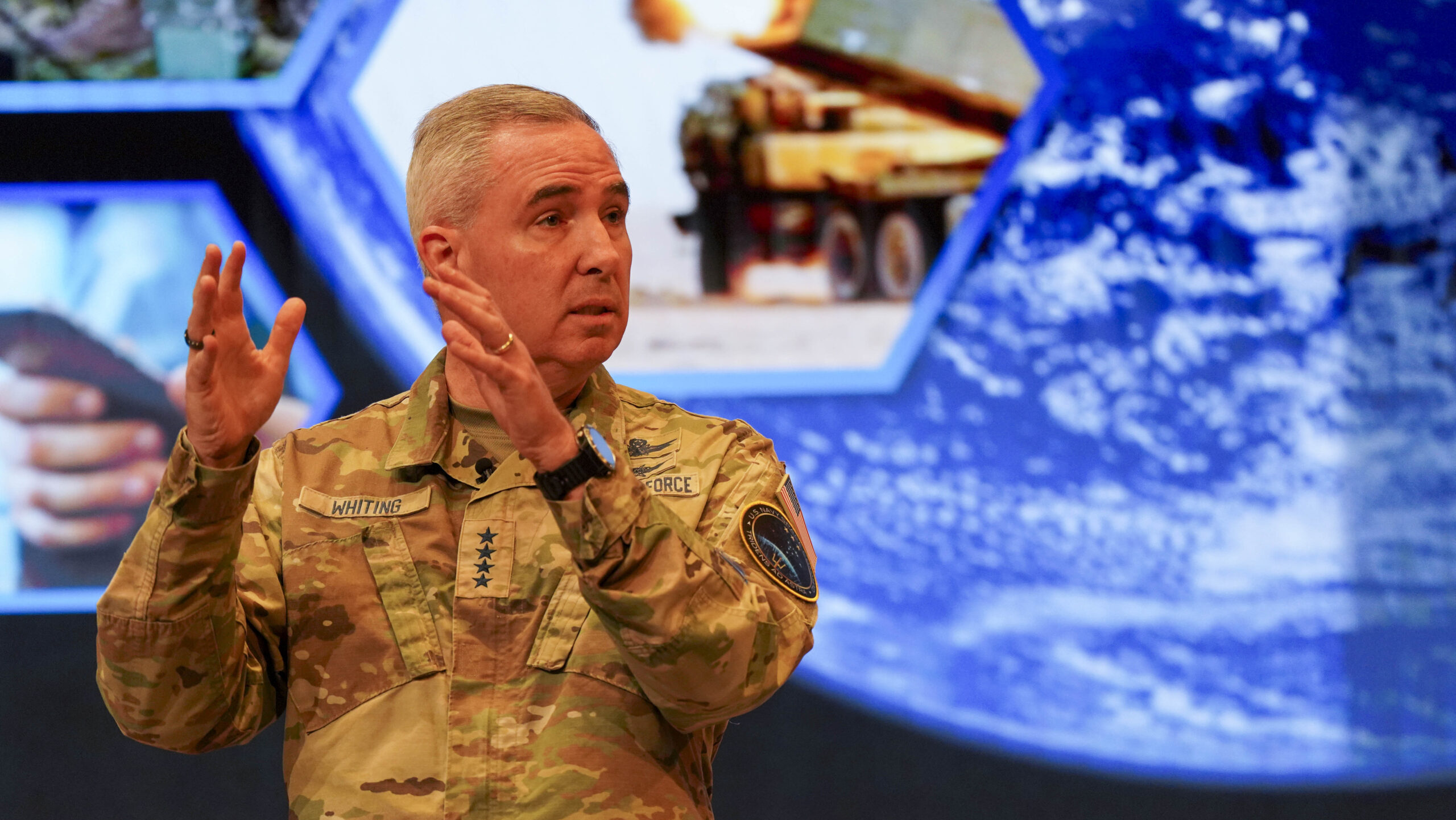
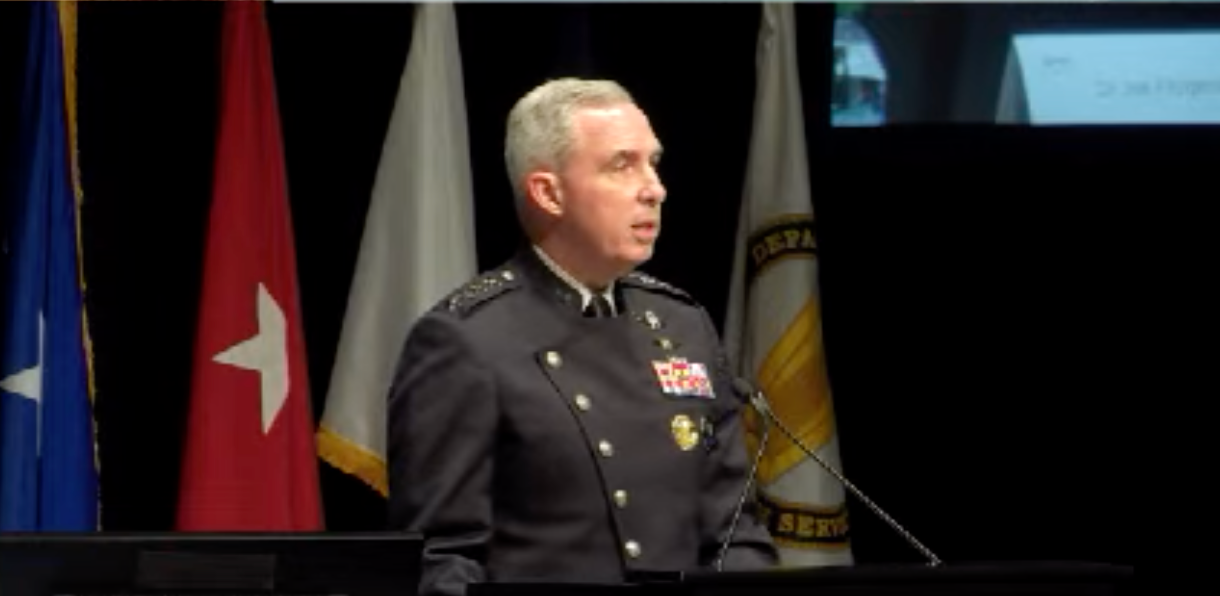
Gen. Stephen Whiting, head of U.S. Space Command, unveiled these priorities Aug. 12 at the Space and Missile Defense Symposium and discussed them during a news conference at Redstone Arsenal.
The list puts what Whiting called “integrated space fires” and “counter-pLEO” capabilities first and second. Those are followed by joint integrated space command and control; dedicated space domain awareness for space engagements; and sustained space maneuver.
“This isn’t just a wish list. It’s a clear demand signal to several audiences describing the warfighting capabilities we need to meet our mission,” Whiting said.
The Integrated Priorities List is Space Command’s assessment of capability gaps based on emerging threats, planned Pentagon investments and technologies under development. Whiting said the list is intended to direct the attention of the military services, government laboratories, research organizations and industry toward problems the command believes are not being adequately addressed.