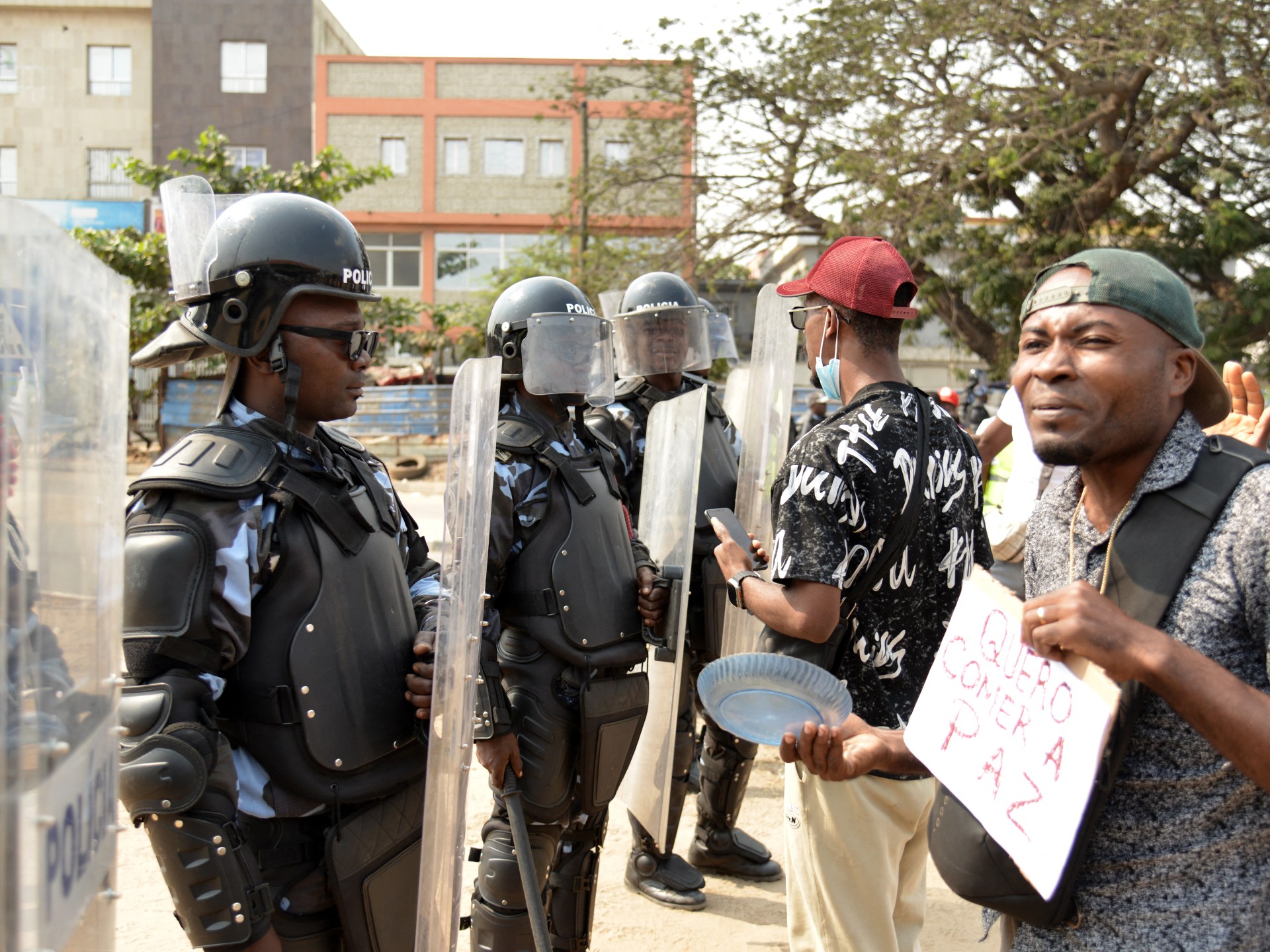
Few places in Africa have been as isolated and understudied as eastern Angola, particularly the highlands of the Moxico provinces, a region rich in biodiversity, culture and history. The country’s political past helps explain this isolation. Having achieved independence from Portugal in 1975 after 11 years of war, Angola descended into a civil war that lasted 27 years, one of the longest conflicts in Africa.
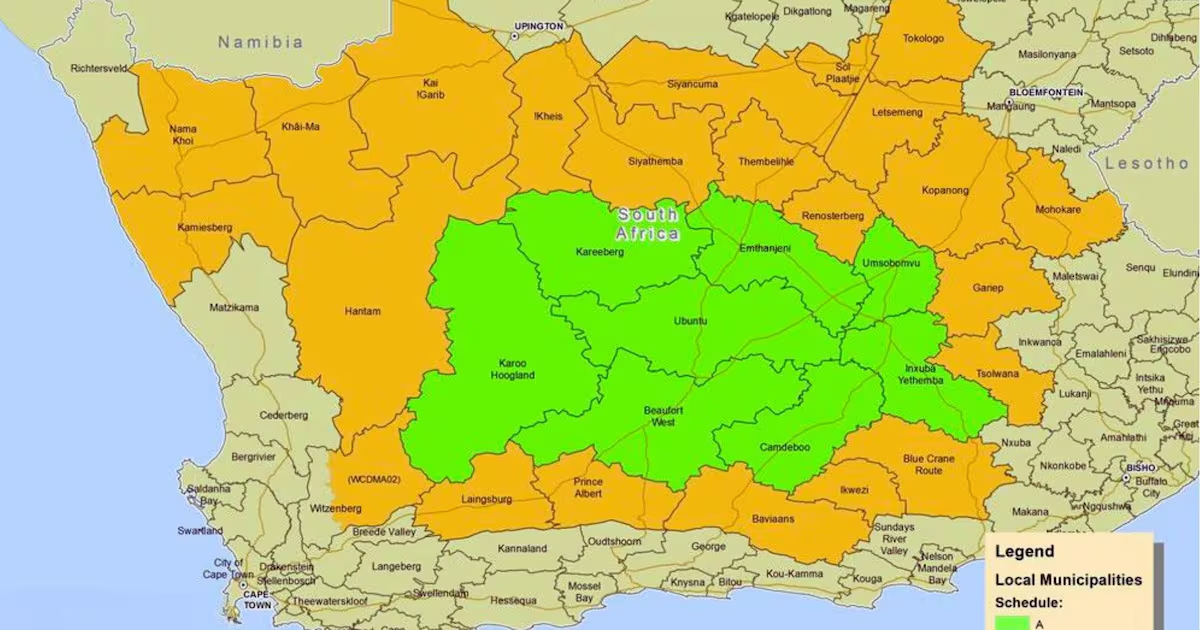
The study area in Angola.
Author supplied, CC BY
Since peace was established in 2002, development has concentrated in the capital Luanda, on the west coast. The east of the country has remained deeply marginalised, with limited access to basic services such as healthcare and education. Infrastructure is scarce and portions of the territory still have many landmines.
In these areas the state’s limited presence, likely a legacy of political exclusion and geographic isolation, has allowed communities a good deal of autonomy over land and resources. This has contributed to ecological preservation but hindered social and economic development.