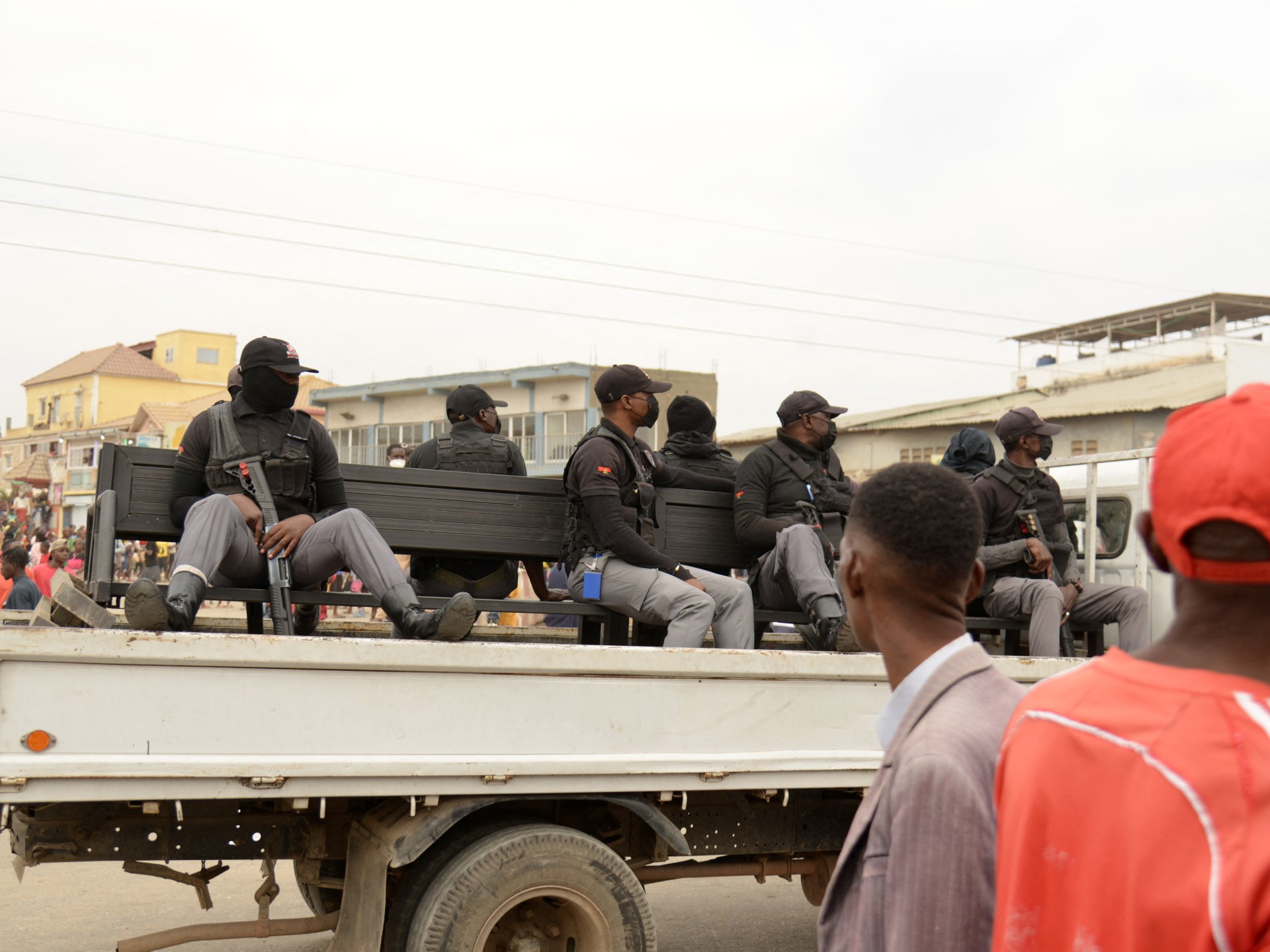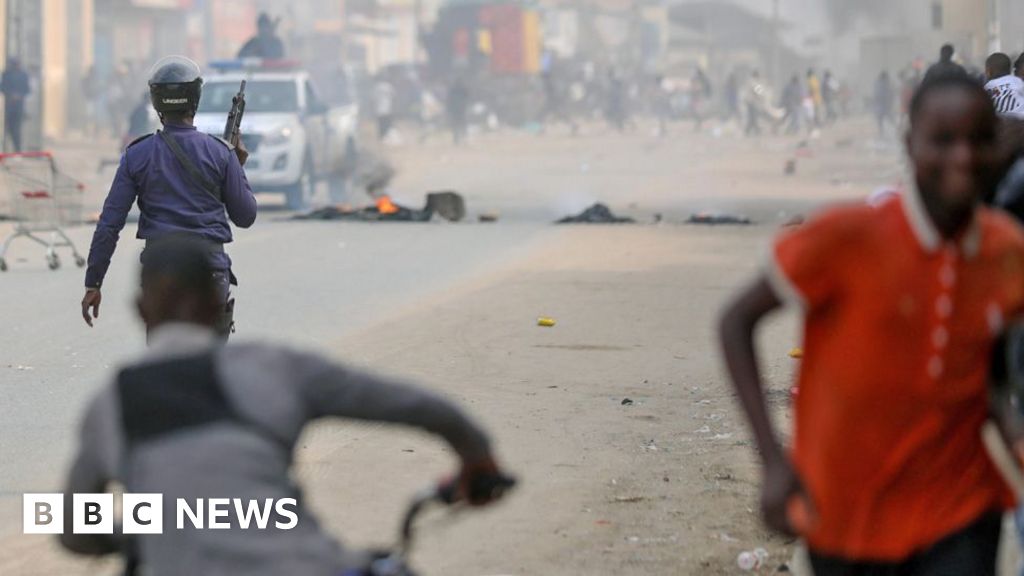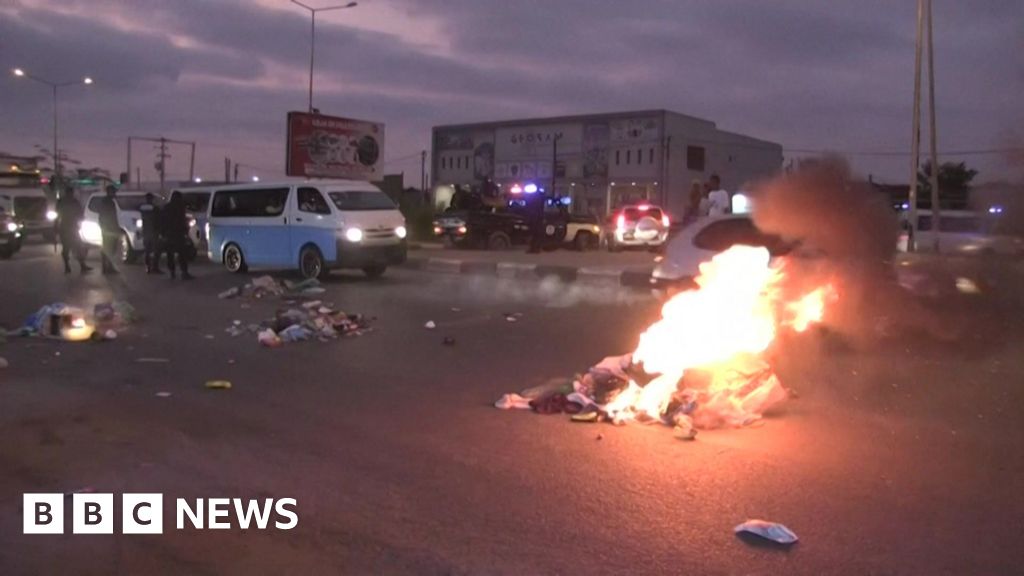
People in parts of the Angolan capital, Luanda, are still afraid to talk openly about what happened in July when protests brought part of the city to a standstill and disturbances rocked other provinces too.
What began as a call among taxi drivers to come out against the jump in the price of fuel turned violent over three days with at least 30 people losing their lives and thousands subsequently arrested.
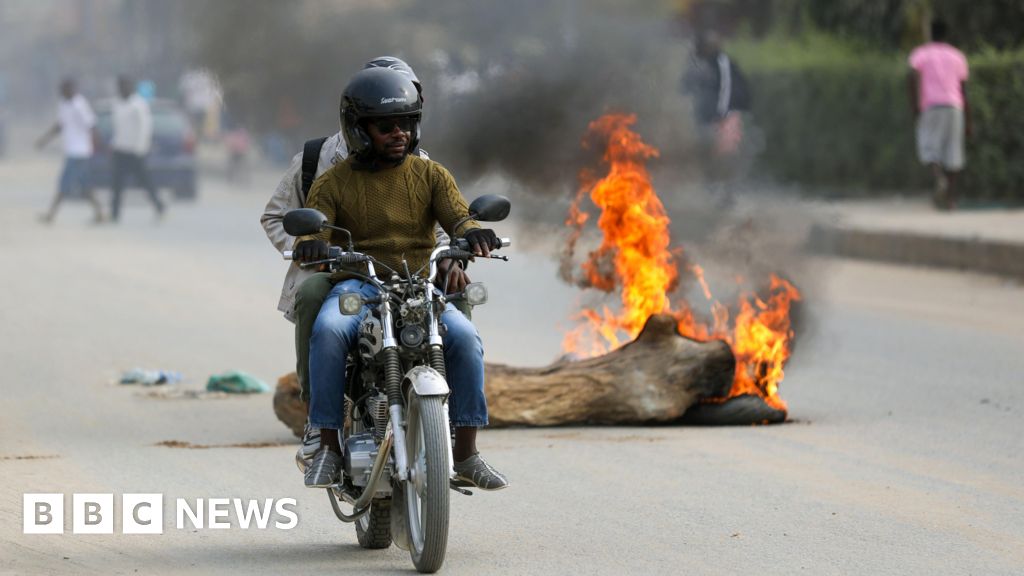
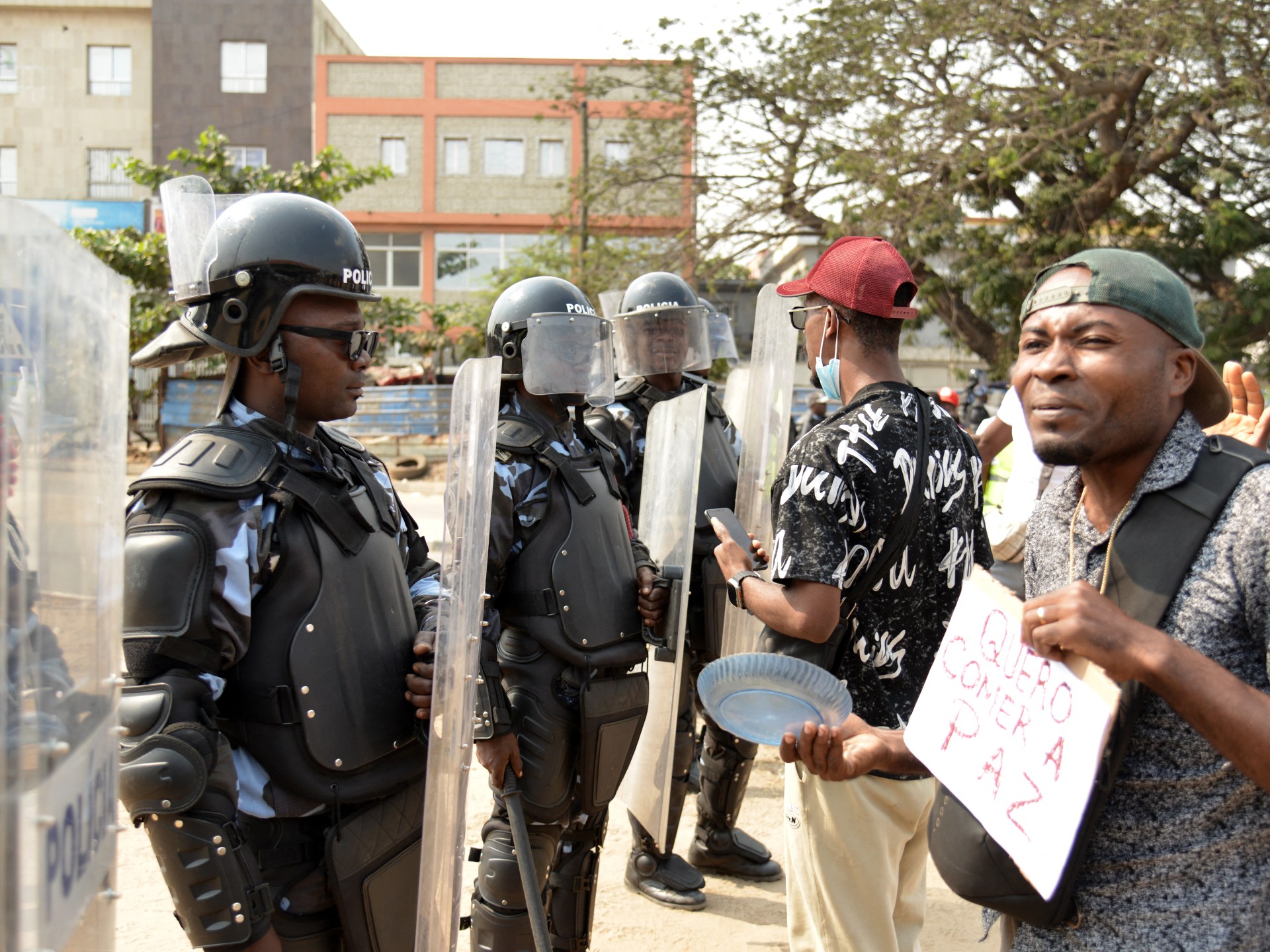
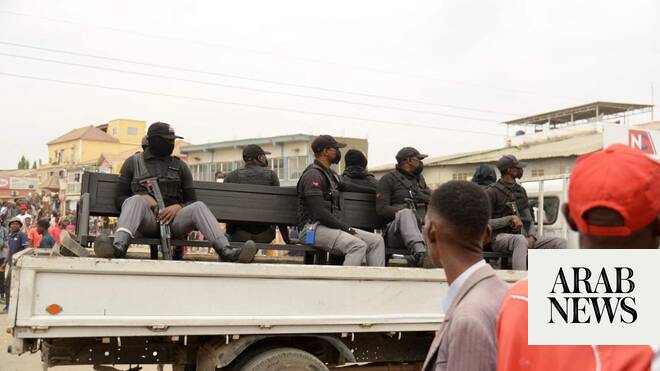
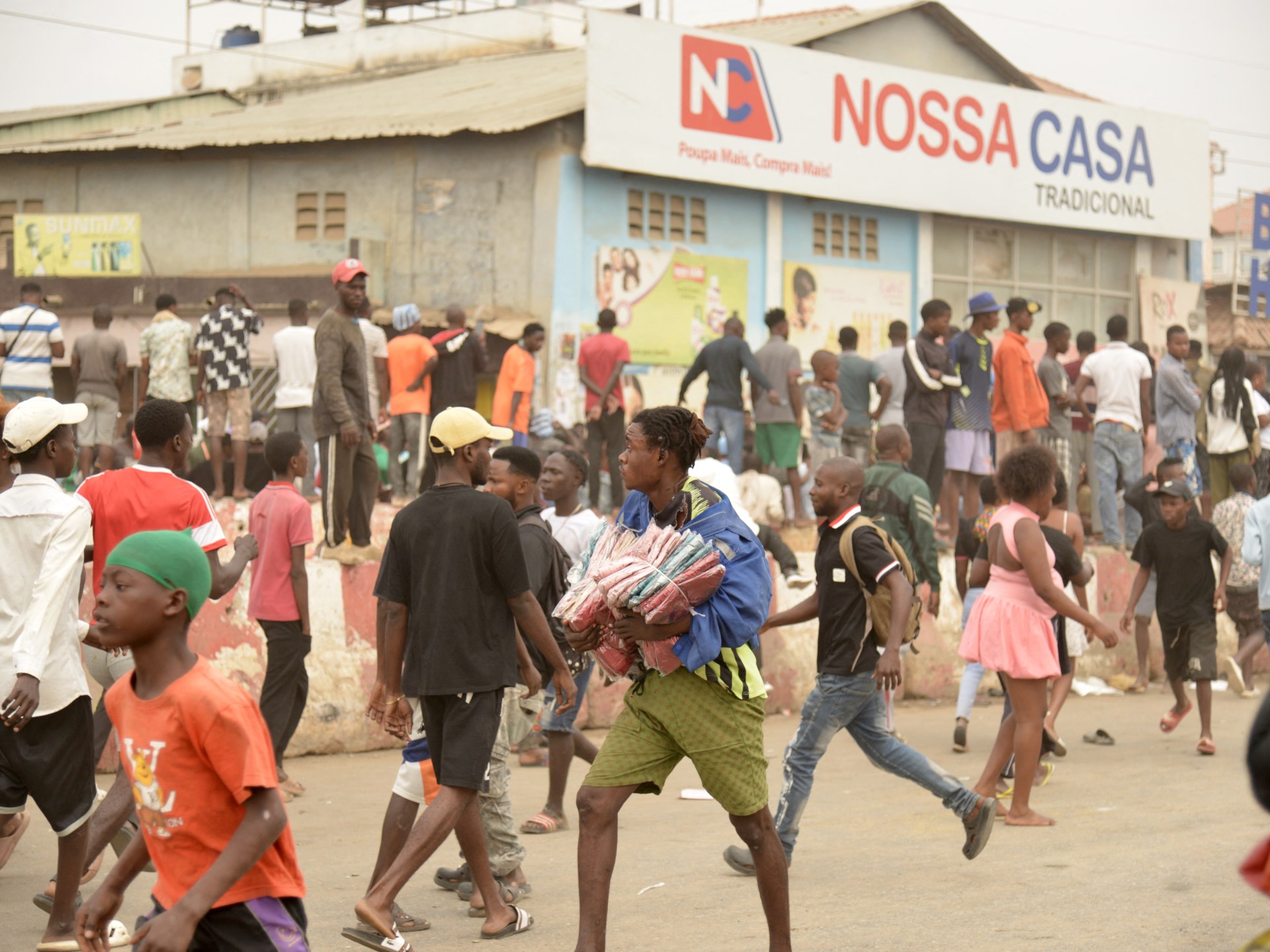
Roads were blocked with burning tyres, shops were looted and clashes erupted between demonstrators and police.
It was one of the most significant waves of protest since the end of the civil war in 2002.
In the run-up to oil-rich Angola marking 50 years of independence from Portugal on 11 November, the demonstrations highlighted continuing concerns about poverty and inequality.