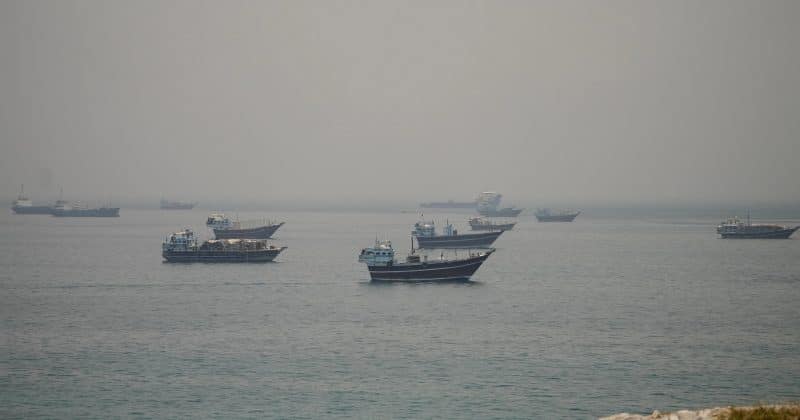
For the first time since the US-Iran conflict erupted in late February, the oil market’s structural backbone just shifted. Physical crude curves for both Dubai and Murban have moved into contango, a market condition where future prices exceed spot prices, signaling that traders expect more oil on the way, not less.
The trigger: a memorandum of understanding signed between the United States and Iran over June 15-17, reopening the Strait of Hormuz to commercial shipping. The agreement provides toll-free passage for an initial 60-day window, effectively uncorking one of the most critical chokepoints in global energy.
The numbers tell the story
West Texas Intermediate crude dropped more than 5% to approximately $76 per barrel following the announcement. Brent crude settled near $79.
To appreciate the scale of what just happened, consider this: the Strait of Hormuz handles roughly 20 million barrels per day of oil flow. That’s about a fifth of global consumption. When it effectively closed in late February due to escalating US-Iran tensions, the market priced in a massive supply disruption and crude surged on geopolitical risk premiums.