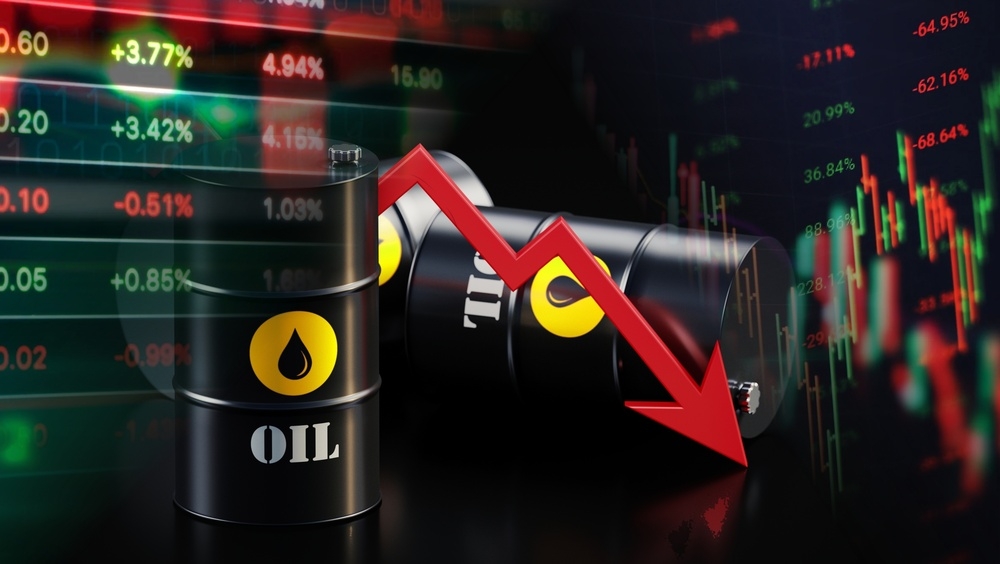
West Texas Intermediate crude fell approximately 5% to around $80 per barrel this week, dragged lower by growing optimism that a preliminary US-Iran agreement could normalize oil flows through one of the world’s most important shipping chokepoints.
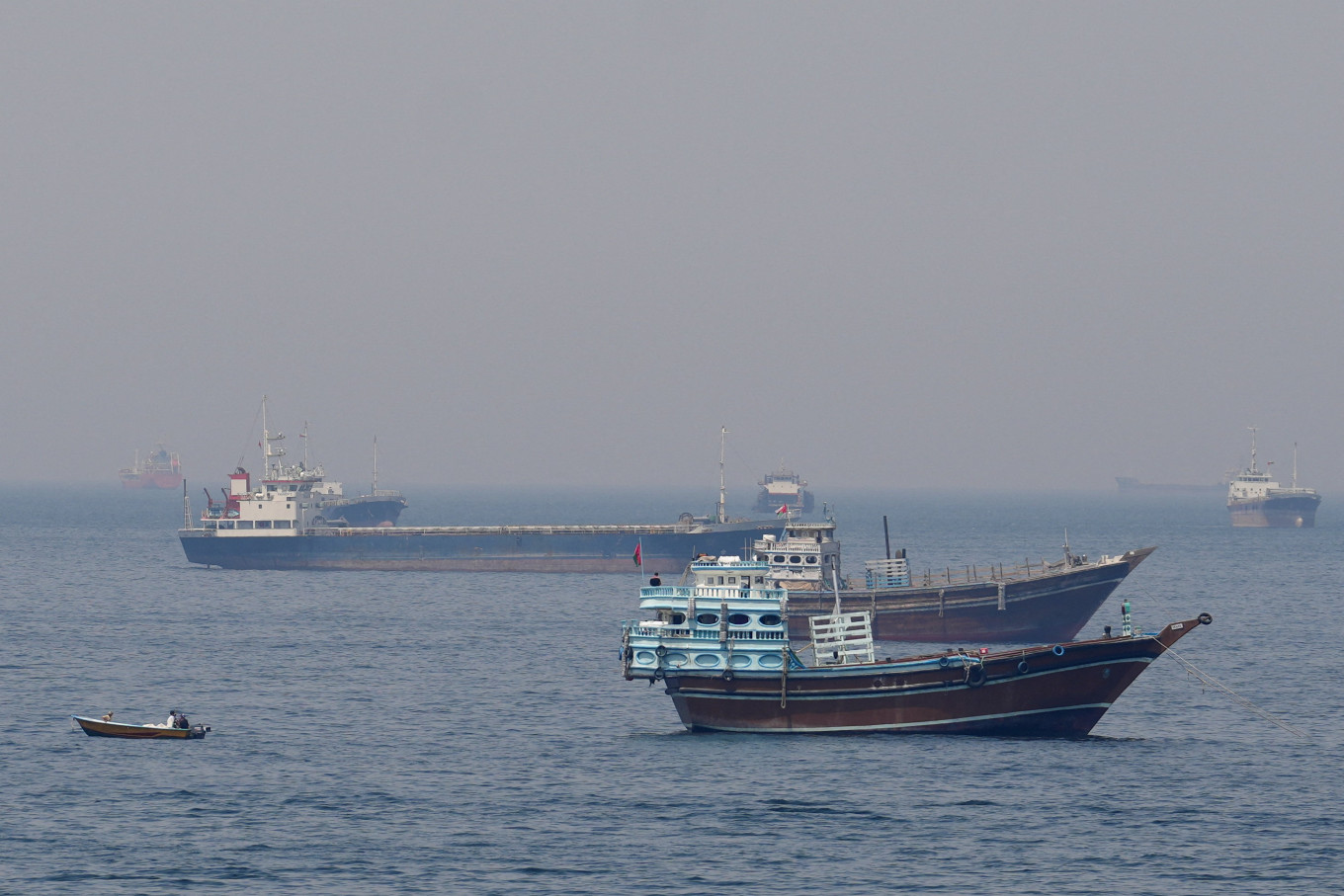
The Strait of Hormuz, a narrow waterway responsible for roughly 20% of global oil and LNG supply, has been at the center of geopolitical anxiety for months. The prospect of it reopening without friction is doing exactly what you’d expect: pulling the rug out from under the risk premiums that had been propping up crude prices.
From $110 to $80: how diplomacy deflated the barrel
Not long ago, escalating conflict concerns had pushed oil prices well above the $110 to $120 range. Traders were pricing in worst-case scenarios involving supply disruptions, tanker insurance spikes, and the kind of energy crunch that gives central bankers nightmares.
Now the mood has flipped. Diplomatic progress between Washington and Tehran is replacing fear with something markets hadn’t felt in a while: cautious optimism. The roughly $30-$40 per barrel decline from those peaks represents a massive unwind of geopolitical risk premium.