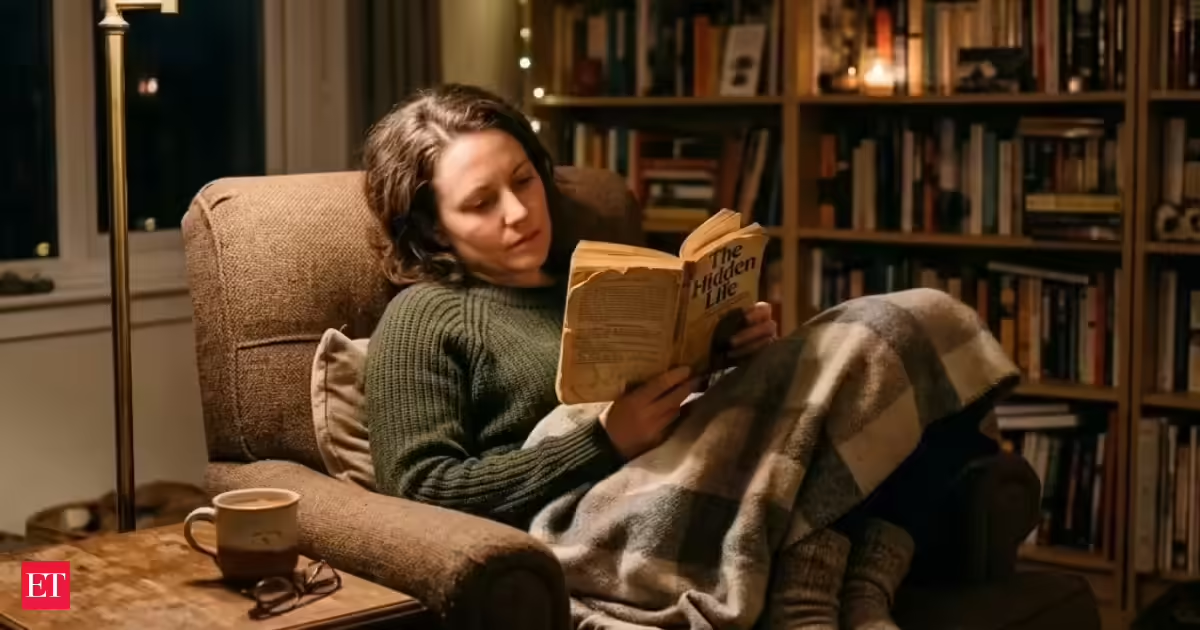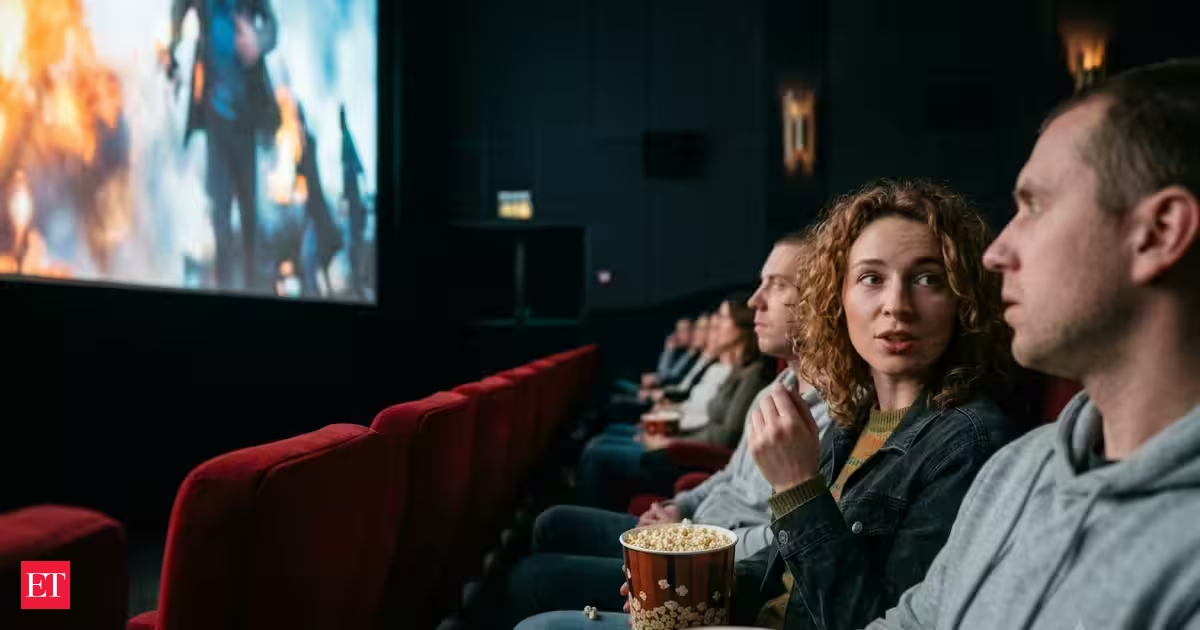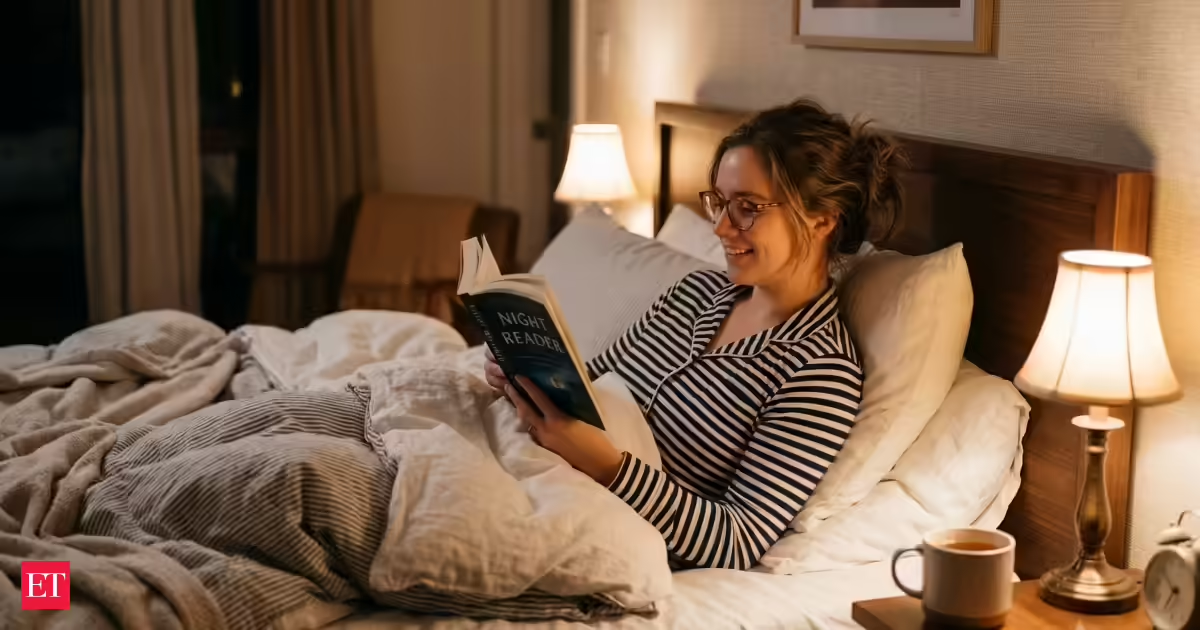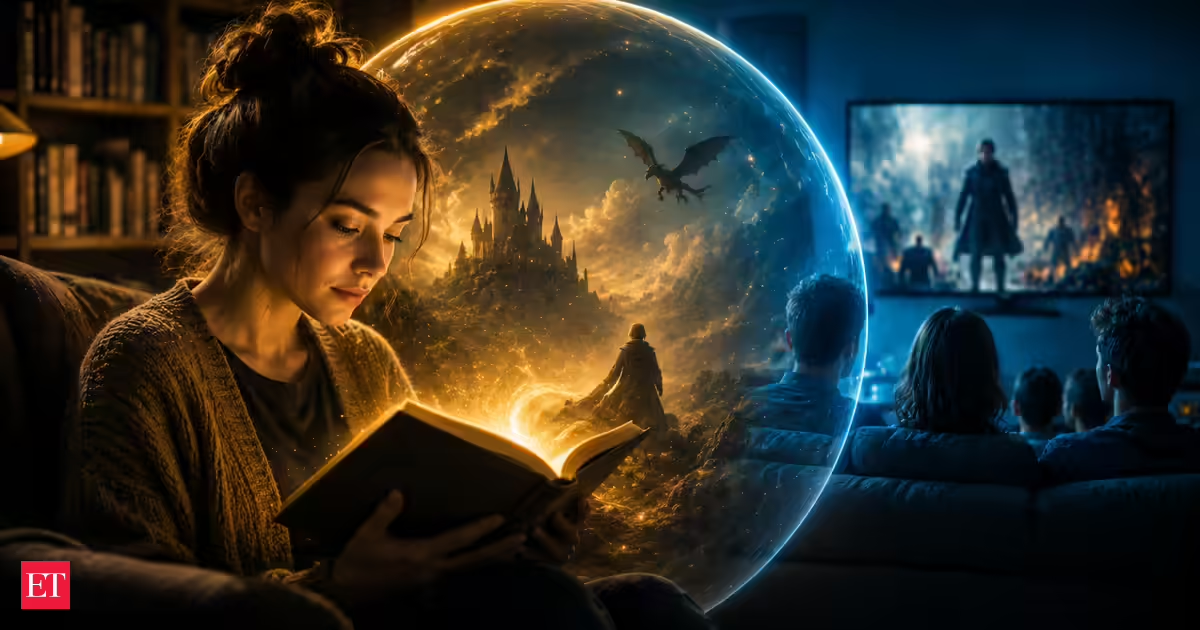
Almost every time a popular book becomes a movie, the debate returns. Someone inevitably says, "The book was better." It happens with fantasy stories, thrillers, romance novels and even biographies. For some people, this statement has become almost automatic. At first glance, it may sound like they are trying to appear sophisticated or dismissive of movies. But psychology suggests something deeper may be happening. People who consistently believe books are better than movies are not necessarily criticizing cinema. Their brains may simply process stories differently. Several well-established psychological theories help explain why.Reading forces the brain to become a co-creatorOne of the biggest differences between books and movies is participation. Movies provide images, voices, music and environments instantly. Books do not. Readers must build those elements themselves.Psychologists refer to this as mental simulation. The brain actively constructs scenes, faces, voices and emotions while reading. This process makes readers participants instead of observers. For example, two people reading the exact same novel may imagine completely different versions of the main character. That personal involvement creates stronger emotional investment. The story begins to feel like something they helped create.You Might Also Like:Narrative transportation theory explains the deep connectionOne major explanation comes from narrative transportation theory. Researchers suggest people can become mentally transported into stories when they are deeply engaged. During this process, individuals temporarily lose awareness of their surroundings and emotionally enter another world.Books often encourage deeper transportation because readers control the pace. They can pause, reread paragraphs and spend more time imagining details. Movies move at a predetermined speed.Readers often feel more immersed because they are directing the experience themselves. For example, someone reading a mystery novel may spend days thinking about clues between chapters. That prolonged engagement strengthens emotional attachment.The imagination effect may make books feel more personalPsychologists have long studied how imagination affects memory and attachment. When people generate information themselves, they often value it more. This phenomenon is sometimes connected to the generation effect. The effort involved in creating mental images can strengthen memory and emotional significance. Imagine reading about an old castle. Your brain decides its size, colors, atmosphere and sounds. When a movie later presents a completely different version, disappointment can happen. The film is not necessarily wrong. It simply does not match the version already stored in the brain. Readers are often protecting their own creations.Ownership theory may explain why movie adaptations disappoint fansAnother explanation comes from psychological ownership. Researchers have found that humans often develop feelings of ownership toward ideas, experiences and memories. The more time and effort people invest in something, the stronger that attachment becomes. Books require hours, days or even weeks of engagement. Readers slowly build relationships with characters. When a movie adaptation changes scenes, removes characters or alters endings, it can feel personal.The brain may interpret the changes as losing part of something familiar. For example, fans often debate whether movie versions stayed "faithful" to the original source material. That reaction often comes from emotional ownership rather than simple criticism.Personality traits may also influence the preferenceResearch involving the Big Five personality model suggests that people who score high in openness to experience often enjoy imagination, abstract thinking and creative exploration. Books naturally appeal to those tendencies.These individuals often enjoy filling in gaps themselves rather than receiving all the information immediately. Movies provide a complete sensory experience. Books leave room for interpretation. Neither is superior. They simply activate different preferences. People who love books may enjoy the extra cognitive work involved in building imaginary worlds.Cognitive effort can make experiences more rewardingInterestingly, the brain often values experiences that require effort. Psychologists sometimes call this effort justification. People tend to appreciate outcomes more when they invest energy into achieving them. Reading a 500-page novel takes commitment. Finishing that journey creates a sense of accomplishment.Watching a two-hour movie can still be enjoyable, but it often demands less active participation. This additional effort may partly explain why readers become deeply attached to books. Their brains have invested significant mental resources. The reward feels larger.Stories also become part of identityNarrative psychologist Dan McAdams suggests people build identities through stories. Books often become woven into those identities. People remember where they were when they read certain novels. They associate books with particular stages of life.For example, someone may remember reading a favorite novel during college or while navigating a difficult period. Years later, the story becomes connected to personal growth. A movie adaptation may struggle to recreate those memories because the emotional context already belongs to the reader.The statement may have less to do with movies and more to do with protecting imaginationPsychology teaches us that personal preferences often reflect deeper psychological needs. Reading a book is rarely just about the pages themselves. It is about giving the imagination room to grow, actively participating in the experience, and forming a personal connection with the story that makes it feel uniquely meaningful. People who always say books are better than movies are not necessarily trying to sound intellectual. Their brains may simply enjoy experiences that require active creation instead of passive observation. Sometimes, they are not defending a book at all. They are defending a world they spent hours building inside their own minds. And once the brain creates something deeply personal, it rarely wants to give it away.FAQsWhy do some people always prefer books over movies?Psychology suggests books require more active participation from the brain, making readers feel more emotionally invested.Is preferring books a sign of intelligence?Not necessarily. It is often linked to imagination, personality traits and cognitive preferences rather than intelligence itself.
Psychology says people who always say ‘books are better than movies’ may not be trying to sound intellectual, they may be protecting a world their brains created
Psychology teaches us that personal preferences often reflect deeper emotional and cognitive needs. Choosing to read a book is rarely just about the words printed on a page. More often, it is about seeking connection, stimulation, escapism, or a more immersive way of experiencing a story.
925 words~4 min read