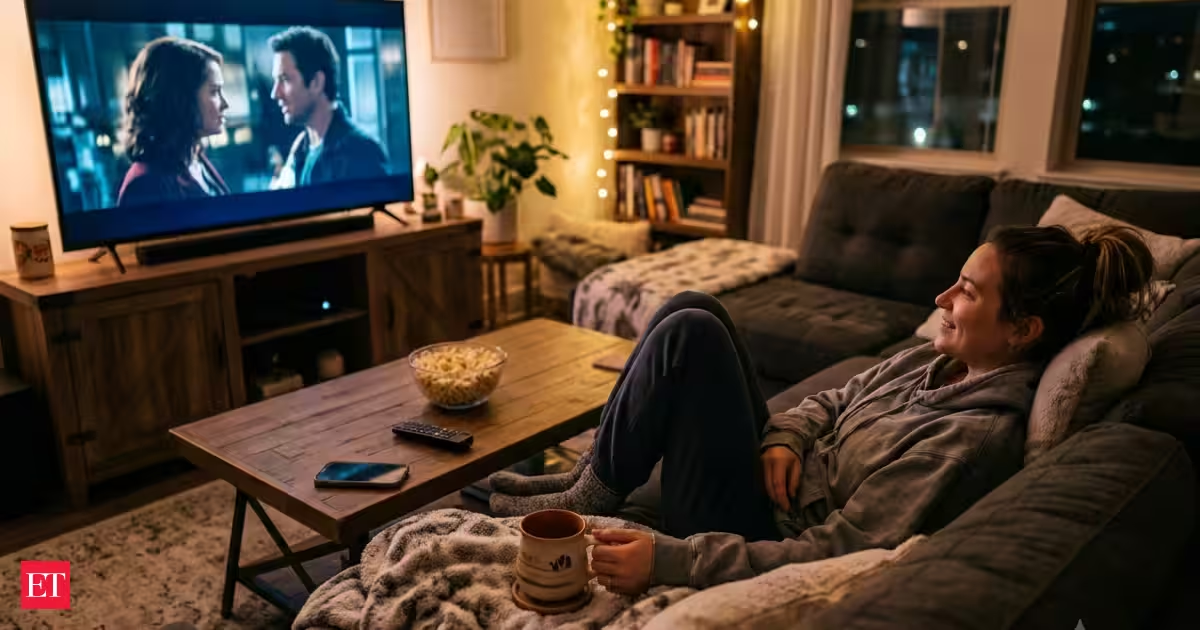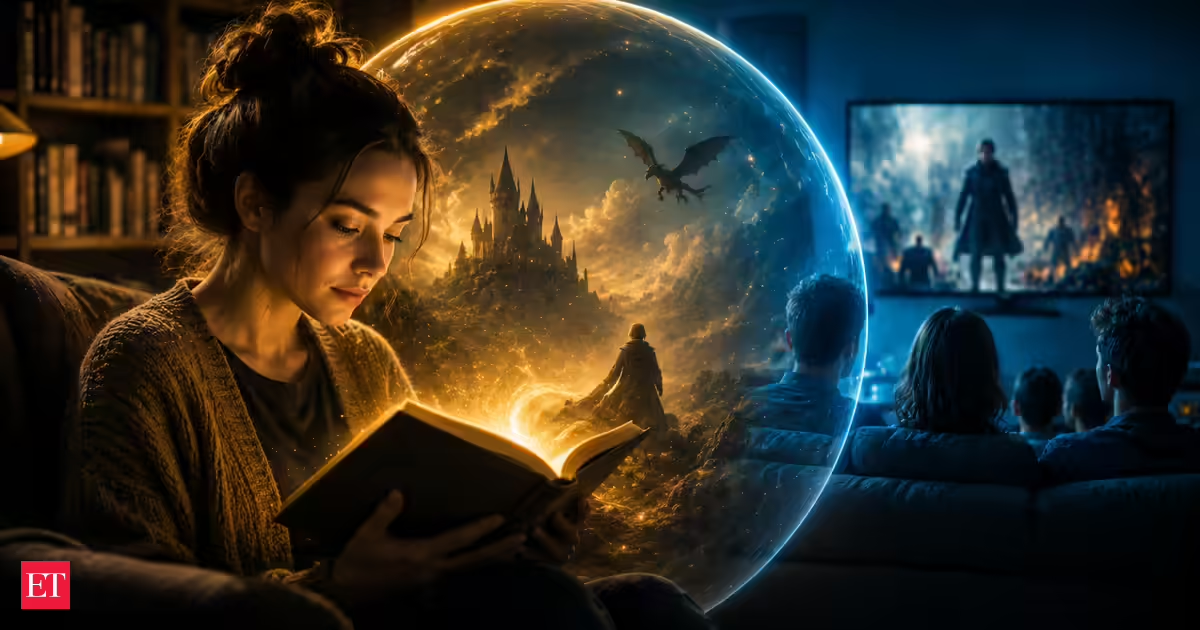
Psychology says people who learn a great deal from movies aren't simply spending time watching fictional stories. Many people pay close attention to characters, decisions, emotions, and events shown in films. Psychology explains that this process can become a source of learning. Researchers say people often observe behavior, compare situations with their own lives, and think about possible outcomes. Instead of treating movies only as entertainment, they use stories to understand relationships, emotions, communication, and decision-making. Several psychology theories explain why this happens. These theories show that films can influence thoughts, feelings, and future actions through observation and reflection.Movies can become a source of learningMany people remember scenes from films for years. Some remember conversations between characters. Others remember how a problem was solved or how someone handled a difficult situation. Psychology explains that learning from movies happens because people often compare fictional situations with their own experiences.This learning may include:Understanding emotionsLearning communication skillsWatching different ways to solve problemsSeeing the effects of decisionsUnderstanding relationshipsLearning about different culturesThinking about values and choicesThe learning does not always happen consciously. Sometimes people understand a lesson only after thinking about a movie later.You Might Also Like:Psychology says people who learn a great deal from movies aren't passive absorbersPsychology explains that people who learn from films usually process information actively.Instead of simply watching scenes, they often:Observe how characters behaveNotice emotional reactionsCompare situations with real lifeThink about different choicesReflect on the endingImagine themselves in similar situationsThis process is known as active processing. The brain organizes new information by connecting it with previous experiences and existing knowledge. Rather than accepting every message without thought, engaged viewers often evaluate what they see before applying it to their own lives.What psychology says?Psychology suggests that people can learn by watching others, even when those people are fictional characters. Learning happens because viewers pay attention to actions, emotions, conversations, and consequences shown throughout the story. The brain can treat observed experiences as useful information for future situations. This explains why some people remember lessons from films for many years.What does this mean?It means that movies can become educational experiences without being classroom lessons.Viewers may learn:How people respond to pressureHow relationships developHow communication affects outcomesHow choices create consequencesHow emotions influence decisionsThese lessons can later help people understand situations they face in everyday life.Why does this happen?Psychologists say storytelling captures attention in a way that facts alone sometimes cannot. People naturally follow stories because they want to know what happens next.As they follow the story, they also observe:EmotionsSocial interactionsMoral choicesSuccessesFailuresPersonal growthThese observations become part of the learning process.The psychology theory behind this behaviorOne of the best-known explanations comes from Albert Bandura's Social Learning Theory. According to this theory, people learn by observing other people. Learning does not always require direct experience.Instead, people can watch someone else perform an action and understand:What happenedWhy it happenedWhat consequences followedMovies provide many examples of human behavior. Although characters are fictional, viewers still observe actions, reactions, rewards, mistakes, and consequences. This allows learning through observation rather than direct participation.How observational learning works?Observational learning usually follows several steps.These include:Paying attention to behaviorRemembering what was observedUnderstanding why the behavior happenedApplying similar ideas in real life when appropriatePeople who actively watch films often complete these steps naturally while following the story.This psychology study saysPsychology research suggests engaged viewers process movie stories using mental frameworks called schemas. Schemas help people organize information based on previous experiences. When watching films, viewers compare new situations with things they already know.This process helps them understand:Human behaviorEmotional reactionsSocial expectationsDecision-makingResearchers also note that viewers often imagine how they would react if placed in similar situations.The principle behind the behaviorAnother explanation involves the brain's mirror neuron system. Mirror neurons become active when people perform an action and also when they observe someone else performing the same action. This system helps explain why viewers sometimes feel connected to fictional characters.People may experience:SympathyEmpathyConcernHappinessSadnessThese emotional responses help strengthen learning because emotions improve memory and understanding.Understanding narrative transportPsychologists also describe something called narrative transport. This happens when people become deeply involved in a story.During this process:Attention increases.Outside distractions become less important.Emotional involvement grows.Viewers become more connected to characters.When people experience narrative transport, they often think carefully about the situations presented in the story. This creates opportunities for learning and self-reflection.Lessons people can take into daily lifeMovies can encourage people to think differently about many parts of life.Some possible lessons include:Looking at situations from another person's perspectiveUnderstanding emotional reactionsBecoming more aware of communication stylesThinking before making decisionsRecognizing the effects of actionsLearning from mistakes without experiencing them directlyPeople do not need to copy fictional characters. Instead, they can reflect on the situations shown and decide what lessons are useful.Mindful viewing can improve learningPsychologists suggest that watching movies with attention can increase learning.Instead of only focusing on entertainment, viewers can ask themselves questions such as:Why did this character make that decision?What were the consequences?Would another choice have changed the outcome?What emotions influenced the situation?What can I apply to my own life?Thinking about these questions encourages self-reflection. Over time, this habit may improve emotional awareness and understanding of social situations.The role of emotional intelligenceMany films present situations involving friendship, family, work, conflict, and personal growth. Watching these situations can help viewers recognize emotions in themselves and others.Psychologists say this may contribute to emotional intelligence, often called EQ. People with stronger emotional awareness may communicate more effectively and better understand different viewpoints. Movies cannot replace real-life experience, but they can provide examples that encourage reflection.
Psychology says people who learn a great deal from movies aren't passive thinkers: What this behavior means?
Psychology says people who learn a great deal from movies aren't simply watching stories for entertainment. Research explains that many people learn by observing characters, situations, and emotions shown on screen. Psychology connects this behavior with observational learning, empathy, mirror neurons, and narrative transport. These ideas explain why films can shape thinking, improve emotional understanding, support self-reflection, and help people apply lessons from fictional stories to real-life situations.
908 words~4 min read