Brussels wants to double the agency’s staff and widen its data powers. Rights groups say it has written the surveillance before drawing the safeguards.
The European Commission moved to give Europol a markedly bigger job. In a proposal set out as part of its drive to harden the bloc against organised, internet-based, and financial crime, Brussels wants to convert the EU’s police agency from a clearing house for national forces into something closer to an operational force in its own right, with more staff, more money, and a wider reach into data.
The headline numbers are blunt. The Commission has floated doubling Europol’s personnel and earmarked roughly €3bn for the agency over the next budget period, alongside almost €12bn for the border force Frontex.
The overhaul would beef up the agency’s support to member states through Operational Task Forces and Joint Investigation Teams, deepen its strategic partnerships with non-EU countries and private firms, and add what the Commission frames as stronger oversight and accountability mechanisms to keep the expansion in check.
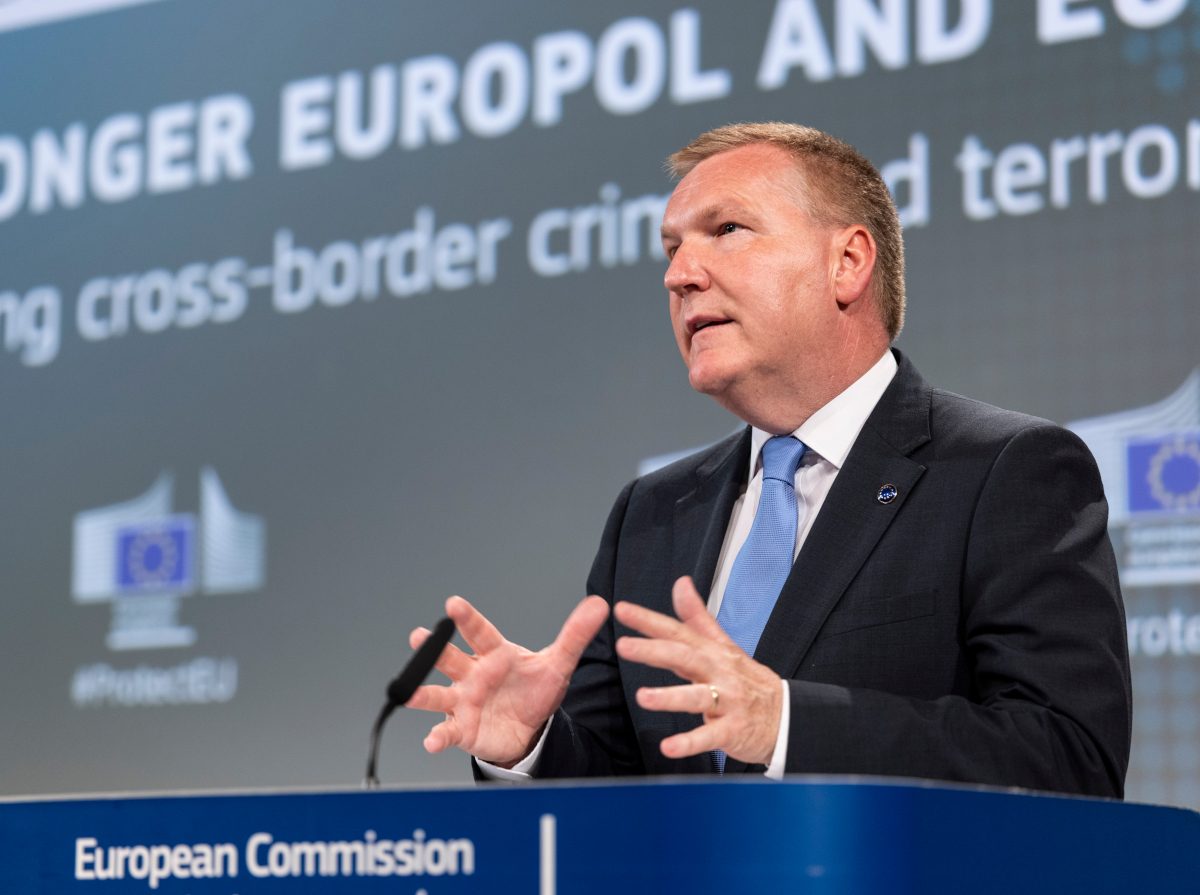
The plan sits inside the Commission’s wider internal-security agenda, the so-called ProtectEU strategy, which promised Europol “an ambitious overhaul” of its mandate to make it “a truly operational police agency.”