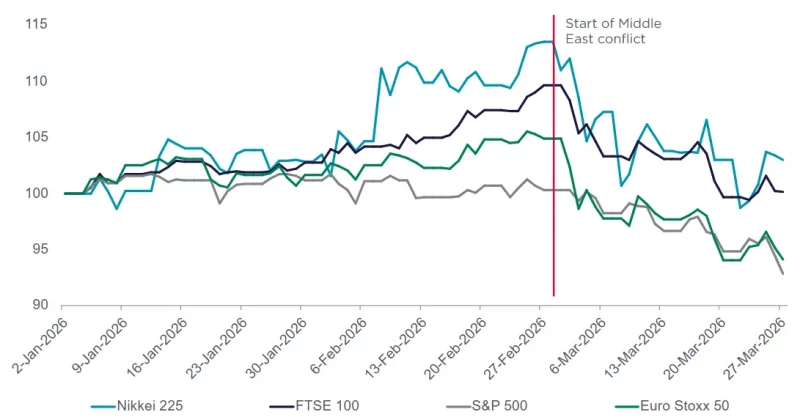
The European Commission has cut its euro area growth forecast to 0.9% for 2026, down from a prior estimate of 1.2%. The revision, issued May 21, 2026, puts a number on something markets had been pricing in for months: the war in the Middle East is becoming an economic problem for Europe, not just a geopolitical one.
The core mechanism is straightforward. The conflict has pushed oil prices higher, and higher energy costs act like a tax on every business and household in the bloc. The Commission estimates the impact amounts to roughly 0.4 percentage points shaved off euro area real GDP growth over the next year.
How bad could it get?
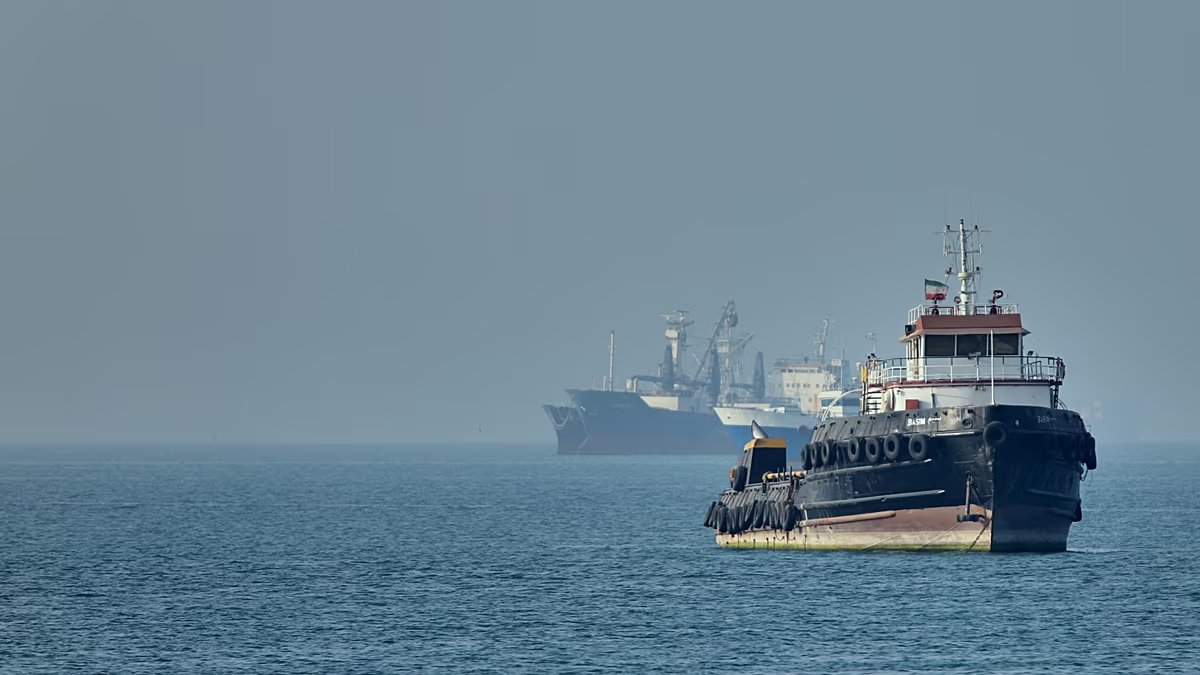
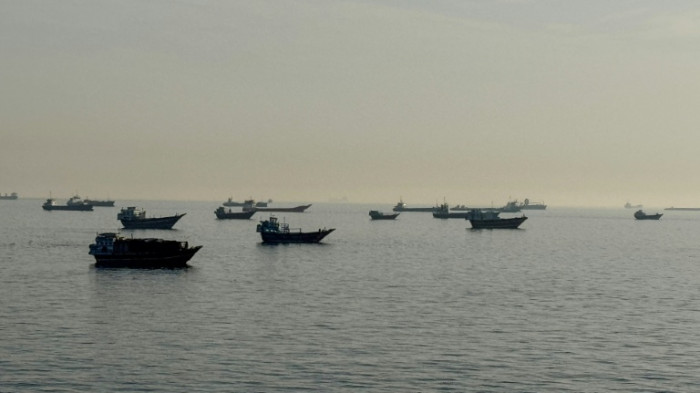
The baseline forecast of 0.9% is the relatively calm scenario. The more unsettling version involves a prolonged conflict that threatens shipping through the Strait of Hormuz. If that route faces serious disruption, the Commission’s analysis suggests growth forecasts could be cut in half from current projections, introducing stagflation risk: slow growth combined with persistent inflation.
Brent crude surged past $120 per barrel in March 2026 following disruptions tied to the Iran conflict.