Story audio is generated using AI
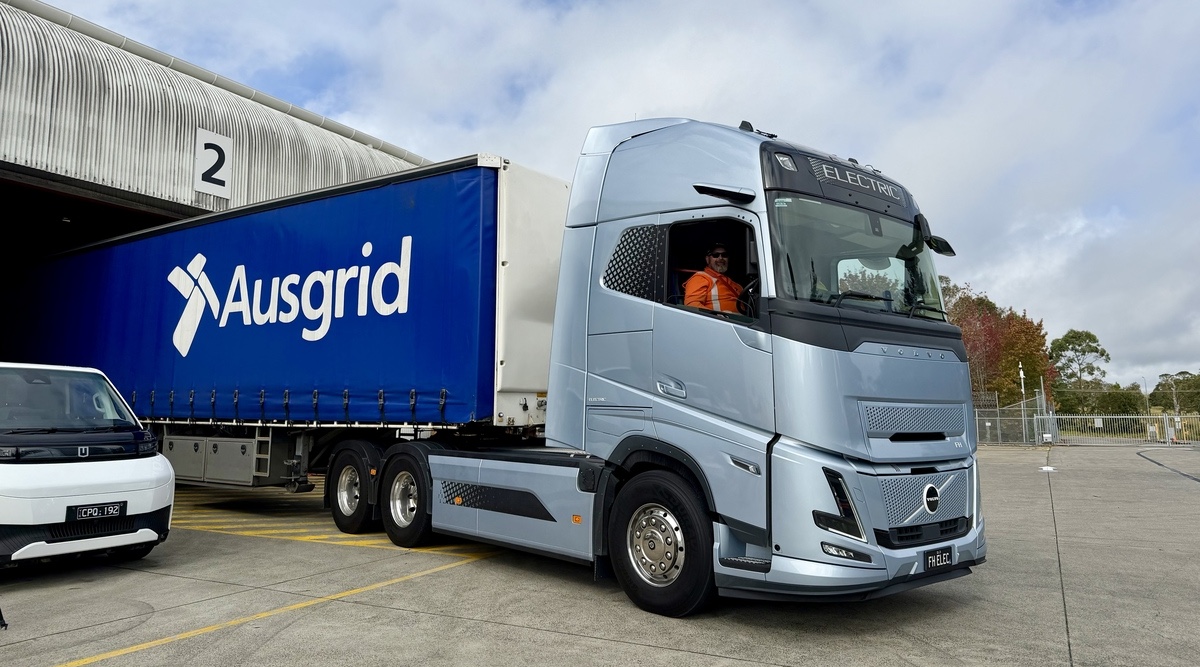
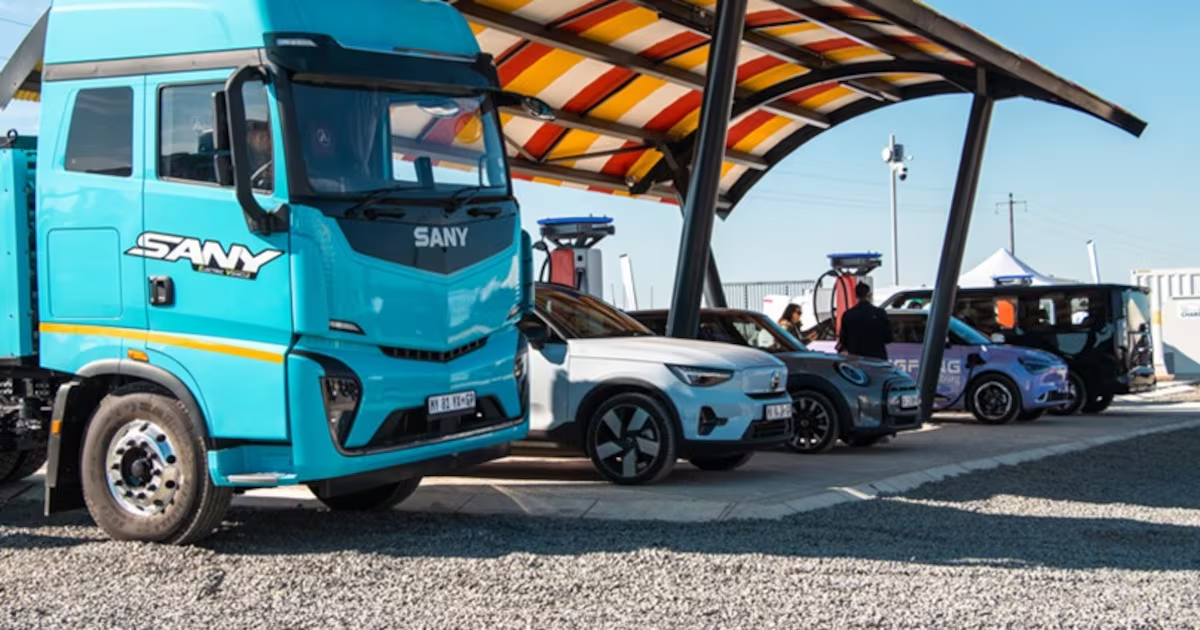
Sceptics question whether battery-powered trucks are practical, but South Africa’s trucking industry is beginning a gradual shift towards electrification as operators manage rising fuel costs and tightening emissions expectations. Diesel technology continues to dominate long-haul logistics, but an increasing number of operators are incorporating electric commercial vehicles into their fleets, with pilot studies revealing potential cost savings.Indian commercial vehicle giant Tata Motors recently unveiled 11 new trucks, buses and bakkies for sub-Saharan Africa in Cape Town, including a battery-electric range aimed at zero-emission freight. The electric line-up includes the Ace Pro compact delivery vehicle with a range of up to 155km, the Ultra E.9 light-duty urban truck with about 140km of range, and the Prima E28.K tipper targeting mining and construction with up to 200km of range.Volvo Trucks has introduced its FH, FM and FMX electric ranges locally, offering 200km to 300km per charge. Logistics operators such as DSV have integrated Volvo electric trucks into their fleets, supported by solar-powered and on-site battery storage charging systems.Chinese manufacturer Sany has entered the market with electric heavy-duty models, including the EV490, which is capable of up to 80-tonne gross combination mass, using battery-swapping technology to reduce downtime. Daimler Truck Southern Africa has launched the Mercedes-Benz eActros and Fuso eCanter for distribution and last-mile logistics, while Scania has piloted an electric heavy-duty truck with the Shoprite Group for urban deliveries, supported by dedicated charging infrastructure and renewable energy from the retailer’s solar installations.Public transport electrification is also beginning to emerge. Cape Town will introduce its first electric bus into the MyCiTi fleet in August, a Volvo BZRLE model with locally manufactured bodywork.Electric trucks remain significantly more expensive to buy upfront than diesel equivalents, but operators are reporting lower running and maintenance costs. Ndia Magadagela, CEO of electric fleet leasing company Everlectric, said early adopters in South Africa are increasingly finding EVs outperform diesel over certain distances.“The total cost of ownership of an EV is significantly lower than an ICE vehicle, even though the purchase price remains higher,” she said at a recent EE Business Intelligence webinar.In one example, she compared a diesel double-cab bakkie priced at R380,000 with an EV double cab at R750,000. Over five years and 240,000km, the diesel’s total cost of ownership was R1.26m versus R860,000 for the EV, a 27% saving. In another case, she said a four-tonne truck reached break-even point at about 2,500km of operation, beyond which it becomes cheaper than diesel.Her analysis was based on early adopter electric fleets including DSV, FedEx, Woolworths, Vodacom and others, which have collectively covered more than 12.5-million km in South Africa and reportedly avoided about 2.75-million kg of CO₂ emissions.Infrastructure remains one of the biggest hurdles to scaling EV truck adoption. While most electric trucks are suited to short-haul and urban routes, long-distance feasibility is improving through the rollout of DC fast chargers on major corridors.On the busy N3 freight route between Johannesburg and Durban, Zero Carbon Charge (Charge) recently launched two new off-grid, fast-charging stations at Tugela and the Reitz Roadside Interchange, backed by a R100m investment from the Development Bank of Southern Africa. Powered by solar and battery storage, the stations operate independently of Eskom supply and each station can charge up to eight EVs simultaneously. Charging times at these stations for electric commercial vehicles now range from about one hour to 1 hour 40 minutes depending on the vehicle type and battery size.A similar off-grid charging site was introduced on the N12 between Klerksdorp and Wolmaransstad in 2024.Diesel remains deeply entrenched in long-haul freight, and rather than abandoning internal combustion, manufacturers are also doubling down on efficiency improvements to existing diesel engines.At the recent Nampo Harvest Day in Bothaville, Scania introduced its Super powertrain, a next-generation 13l diesel engine delivering up to 8% fuel savings and brake thermal efficiency of up to 50%, supported by drivetrain and gearbox upgrades designed to reduce operating costs.Fuel is still the largest cost driver in heavy-duty transport, accounting for 30% to 50% of total operating expenses, making incremental efficiency gains significant.“We are operating in an environment where efficiency is no longer only a technical performance metric. It has become a key driver of profitability and sustainability,” said Erik Bergvall, MD of Scania Southern Africa.Alongside the growing adoption and improving economics of electric trucks, critics argue against their high upfront costs, expensive battery replacement and limited impact on reducing pollution.Albrich van Niekerk, group CEO of transport and logistics group Pander Holdings, argues that electric trucks remain “a luxury experiment” rather than a practical logistics solution. Writing in FleetWatch, he questioned the environmental logic of EVs powered by coal-heavy grids, and the ecological cost of battery production.“Charging an ‘eco-friendly’ truck with coal-based power defeats the very purpose of going green,” he said, adding that lithium, nickel and cobalt mining carries significant environmental and social impacts, while batteries are costly and difficult to recycle.He believes the future lies not in replacing internal combustion engines entirely, but in evolving them with cleaner fuels such as hydrogen, ammonia, synthetic fuels and advanced bio-diesels.