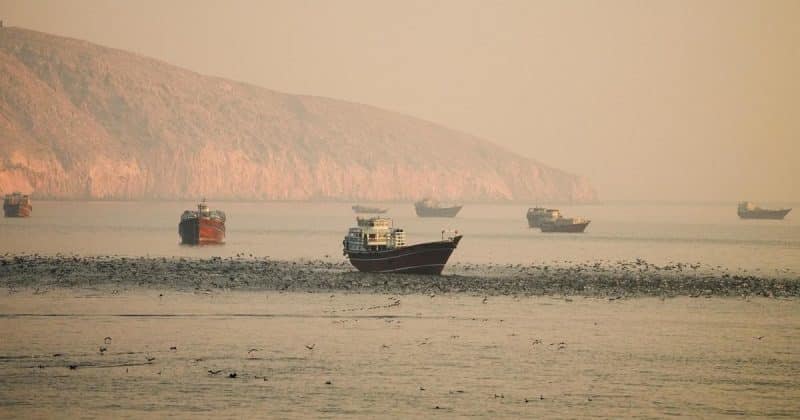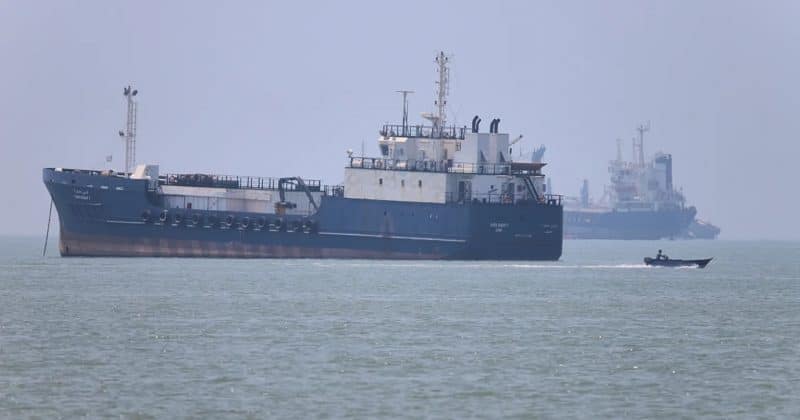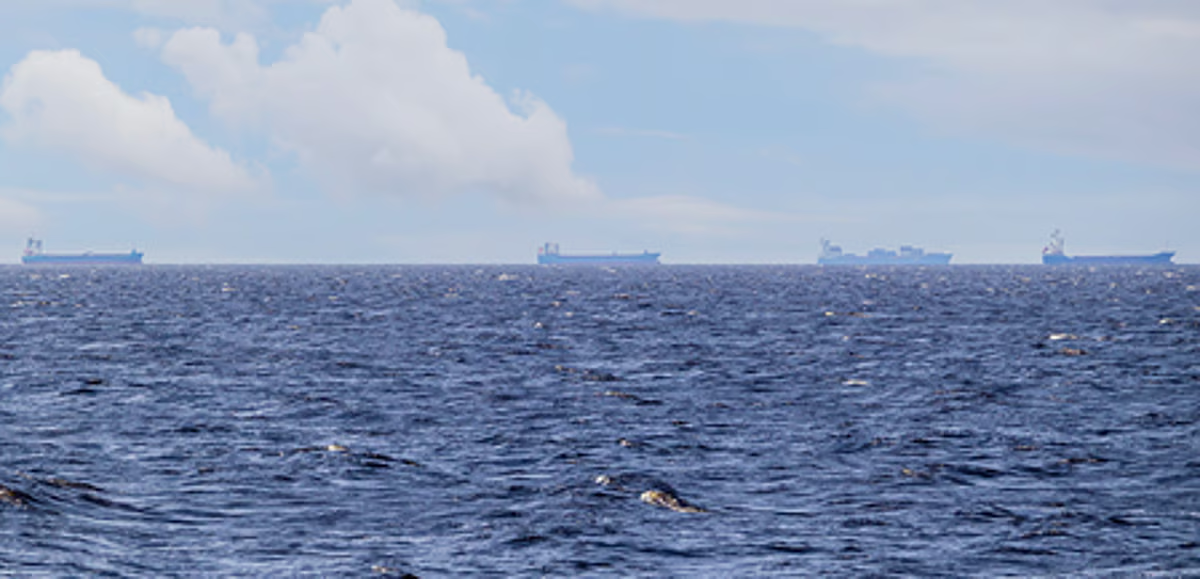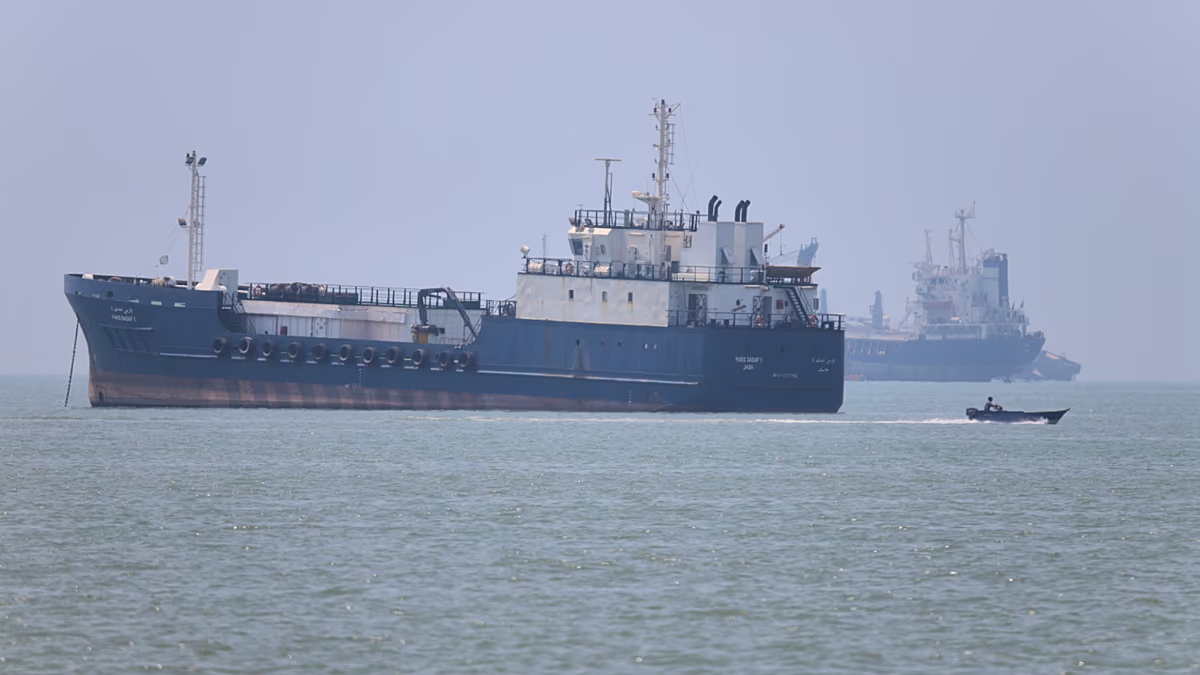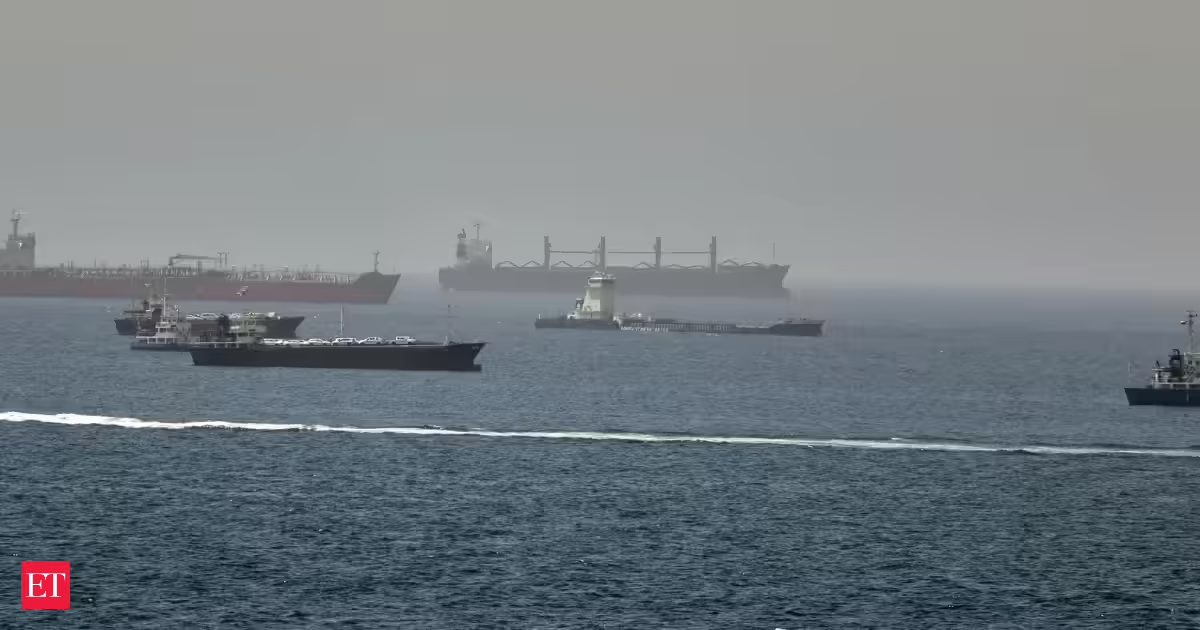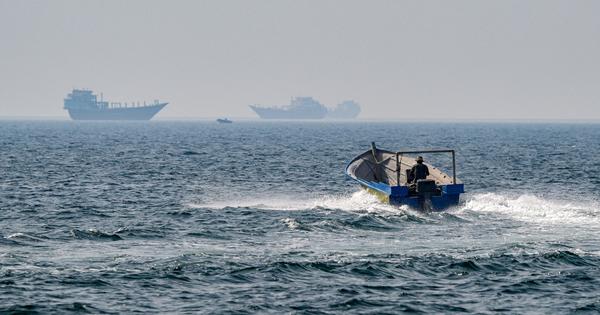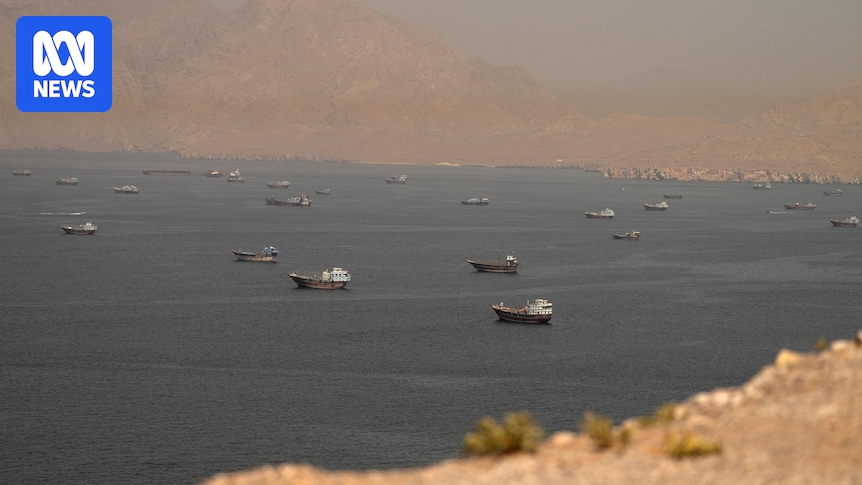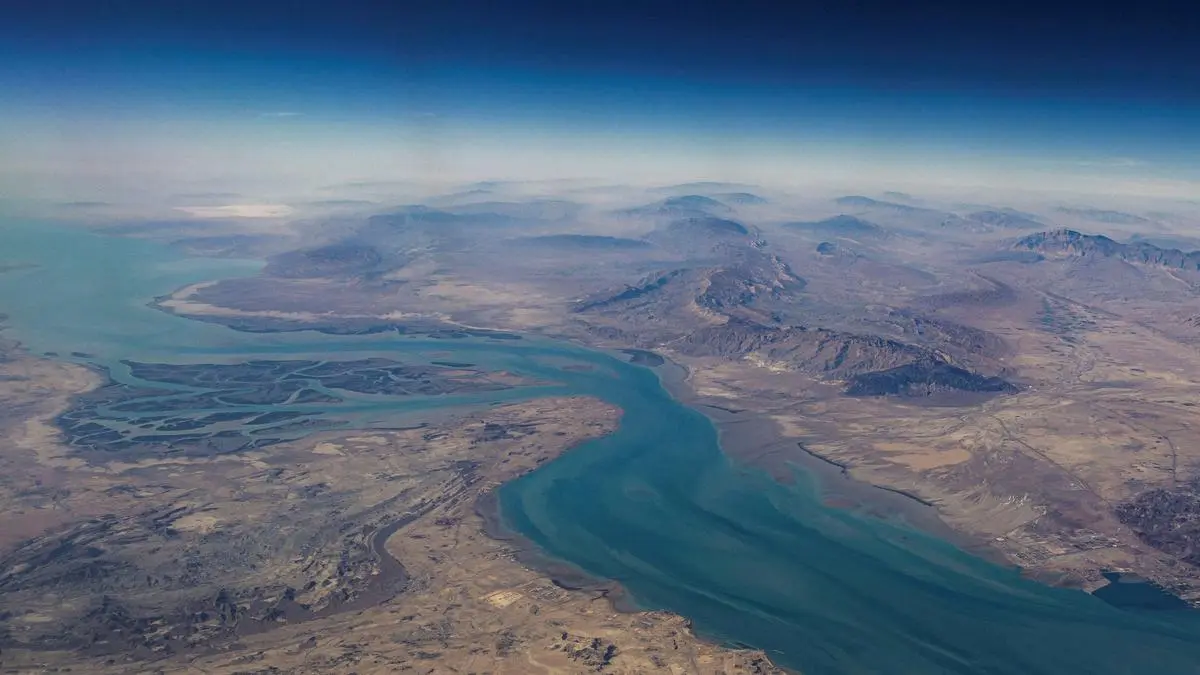
The evacuation exercise will be carried out in cooperation with Iran, Oman, other regional coastal states, the US and the global maritime industry.
| Photo Credit:
The International Maritime Organization (IMO) has announced plans to evacuate more than 11,000 seafarers stranded in the Strait of Hormuz region following a peace agreement between the US and Iran aimed at restoring maritime security in one of the world’s most critical shipping corridors.The Strait of Hormuz, situated between Oman and Iran, is among the world’s most important energy transit routes, carrying a significant share of global crude oil and liquefied natural gas shipments. The evacuation of stranded seafarers and the gradual restoration of safe navigation are expected to ease concerns over disruptions to global energy supplies and maritime trade.“After months of hardship and distress for thousands of innocent seafarers, and negative impact for the whole world, I welcome with deep satisfaction the peace agreement concluded between the US and Iran,” IMO Secretary-General Arsenio Dominguez said in a statement.He paid tribute to the 14 seafarers who lost their lives during the conflict and said the IMO would immediately begin implementing a large-scale evacuation operation for crews still stranded in the region. Earlier this month, three Indian sailors were killed when a commercial vessel was caught in an attack near the Strait of Hormuz.Evacuation exerciseThe evacuation exercise will be carried out in cooperation with Iran, Oman, other regional coastal states, the US and the global maritime industry. According to the IMO, safety guarantees have been secured and navigation conditions thoroughly verified to support the operation.The announcement comes as Oman unveiled an emergency maritime traffic management plan for the Strait of Hormuz to facilitate the safe movement of vessels amid continuing security concerns.In a navigation warning issued on June 23, the Oman National Hydrographic Office said the Sultanate remained committed to ensuring freedom of navigation through the strategic waterway and would not impose any transit tolls on vessels.Oman said the existing Traffic Separation Scheme (TSS), the standard route used by ships transiting the strait, is currently unsafe. In coordination with the IMO, authorities have established temporary maritime corridors and introduced a phased vessel movement system to reduce navigational risks.Under the plan, vessels will be grouped and assigned departure schedules, with operators receiving individual transit instructions. Ships will first proceed to a designated waiting area in international waters before being cleared to enter the temporary routes.Authorities have also designated a special eastbound transit route through Omani waters. Vessel owners and masters have been instructed to conduct independent risk assessments, maintain active Automatic Identification System (AIS) transmissions and comply with directions issued by coastal states.daily updatesThe IMO will provide daily updates on vessel departures, while maritime traffic may be temporarily suspended for safety, security or naval operational requirements.Lars Jensen, a shipping analyst and container industry expert, said on social media that vessel movements out of the Gulf had begun to increase.“More container ships have been exiting in the past day. This includes 3,000-TEU YM Credibility, 10,000-TEU Haiphong Express and 16,000-TEU HMM Daon,” he said.However, Jensen cautioned that the developments did not yet represent a return to normal operations.“These are clearly positive developments. But they do not as yet constitute a reversal to normality. For that to happen we need to see a normalization of vessel flows in both directions catering for the flow of goods in and out. This is clearly not the case in a situation where vessels exiting the Gulf is being labelled an ‘evacuation’ by the IMO,” he said.Industry sources said the IMO estimate of 11,000 seafarers relates primarily to crews aboard larger commercial vessels. The actual number of mariners affected could be significantly higher if smaller ships, coastal vessels and fishing boats operating in the Gulf region are included. A substantial number of Indians are employed on these smaller vessels and boats.Published on June 24, 2026