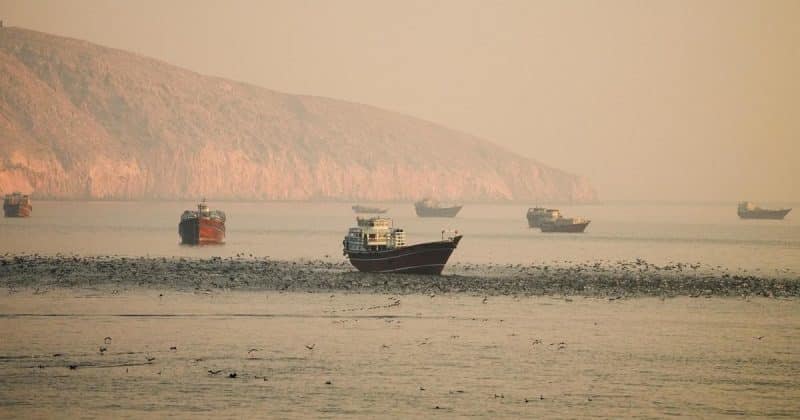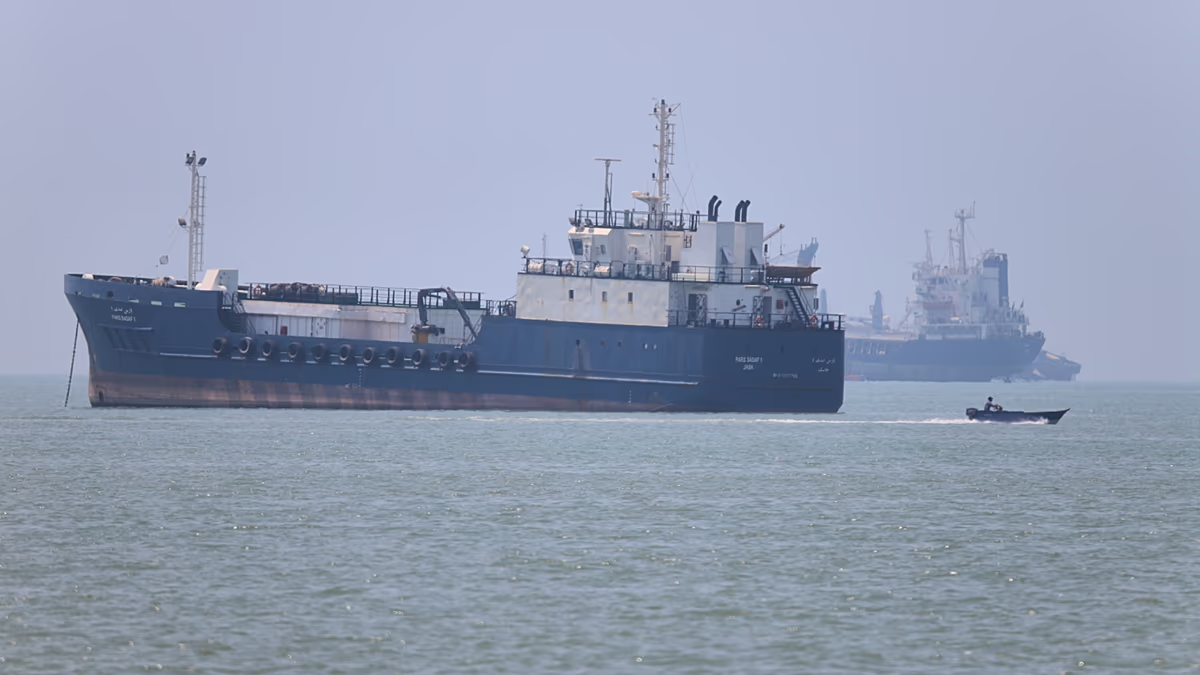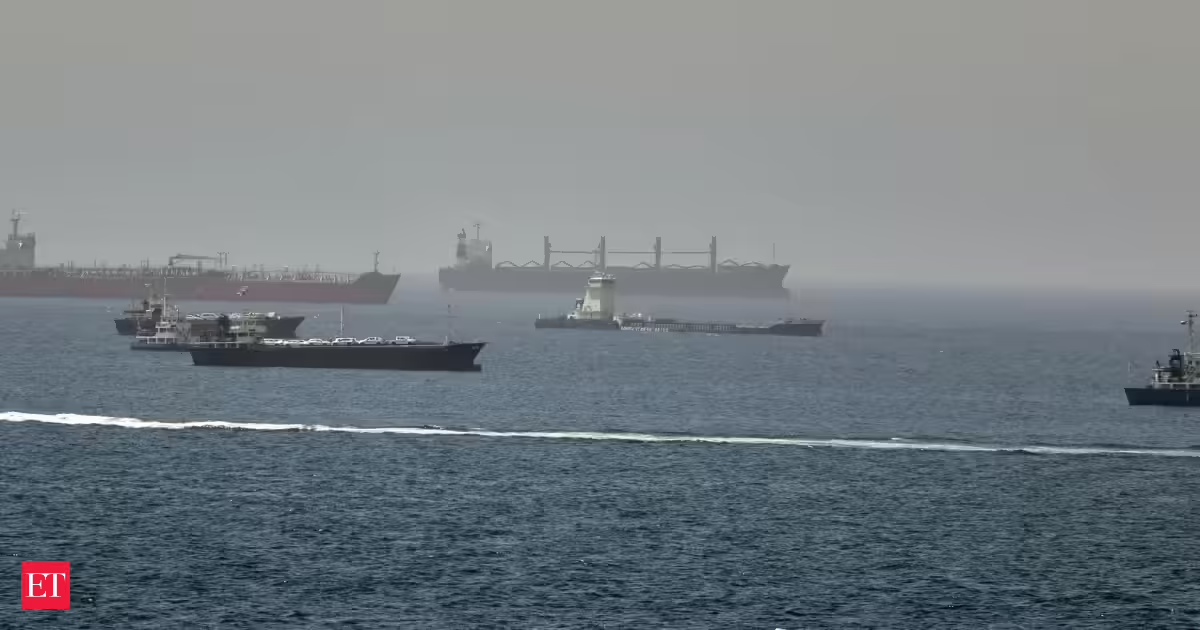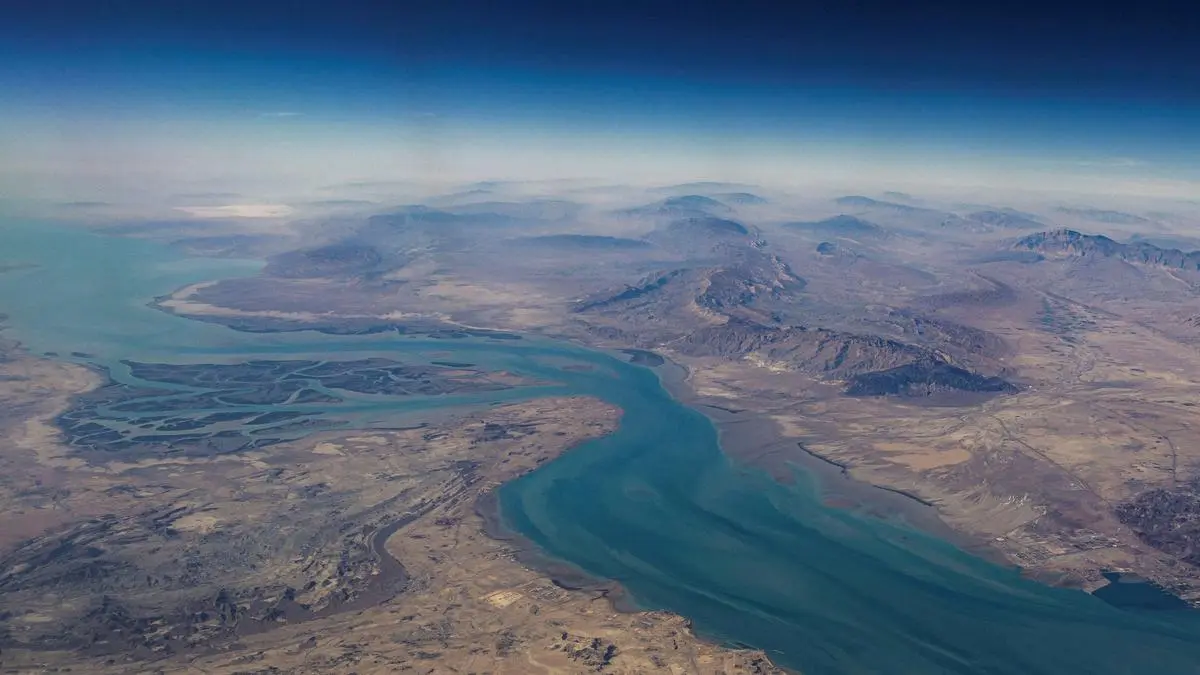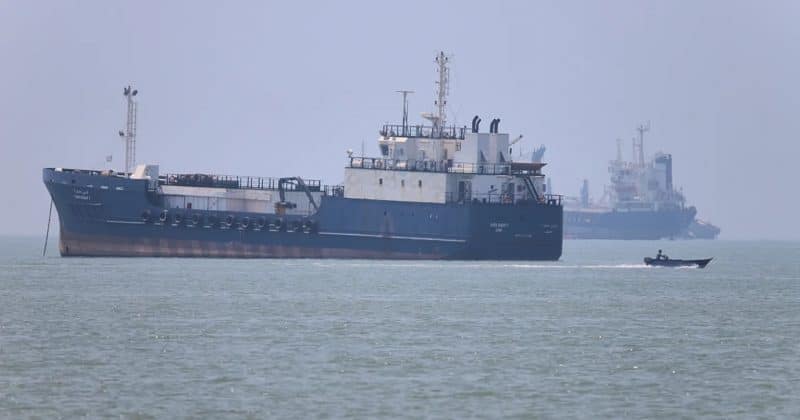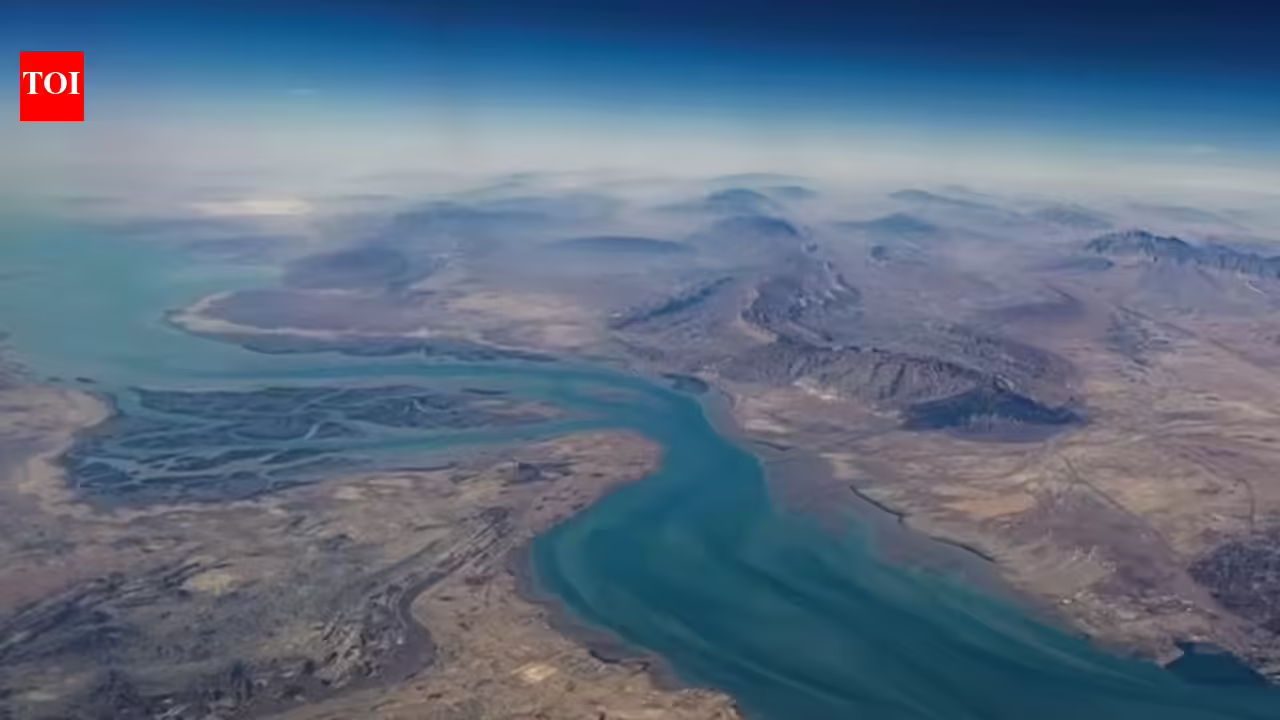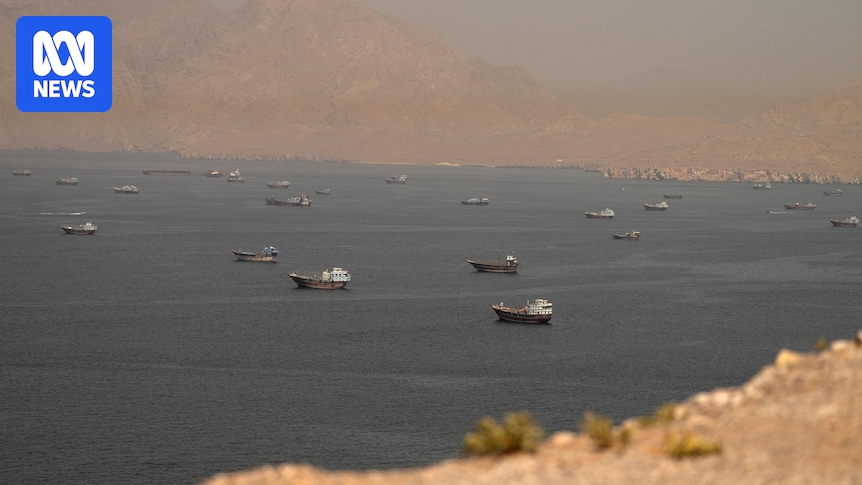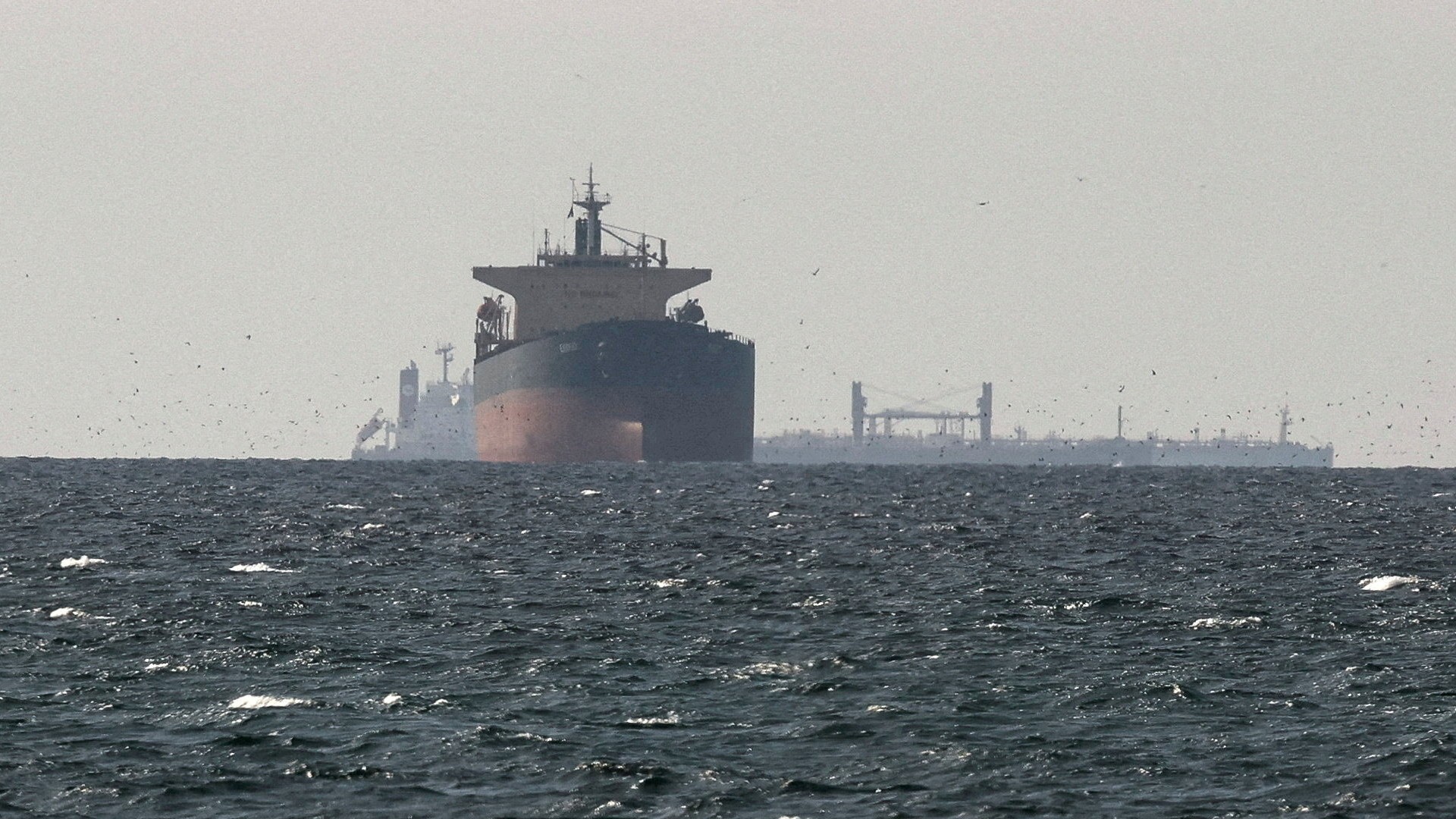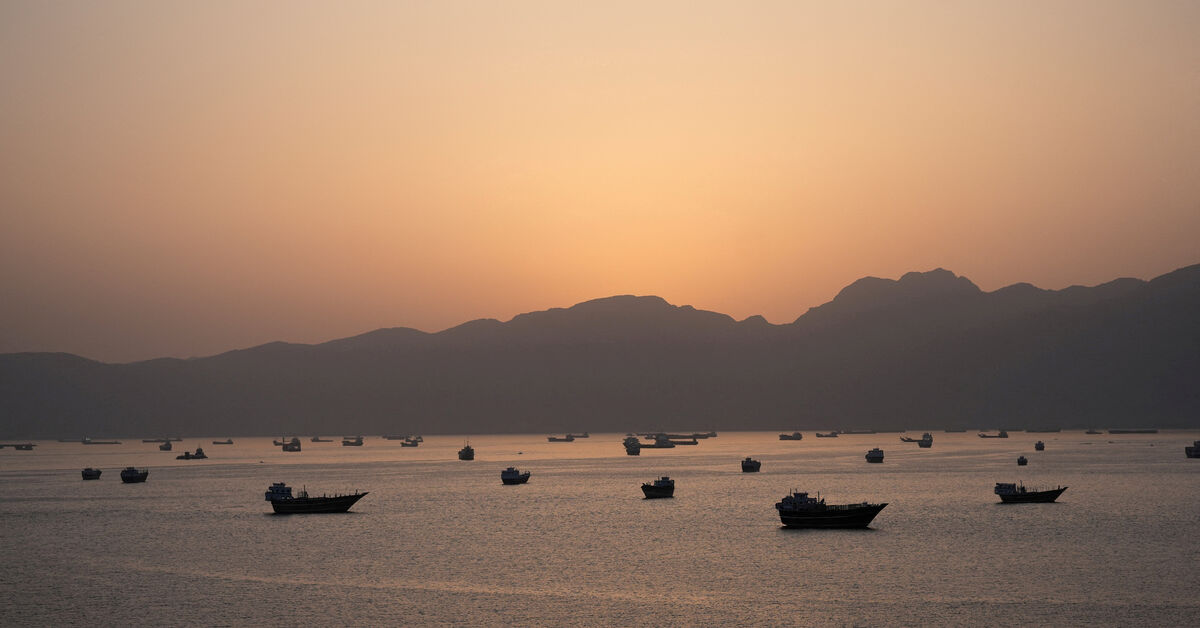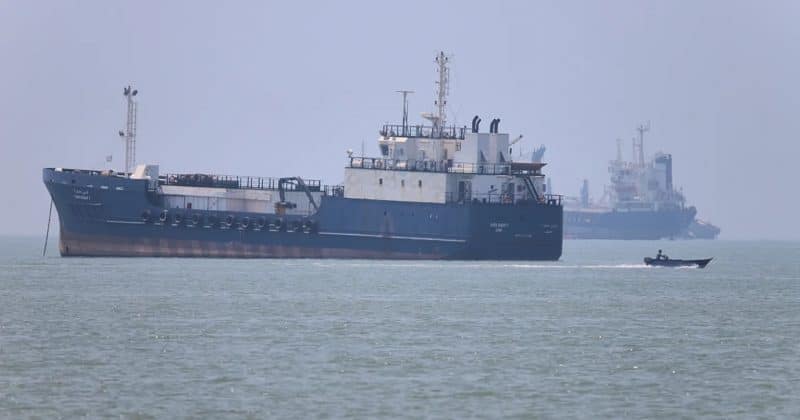
The International Maritime Organization is moving to extract roughly 11,000 seafarers trapped in the Persian Gulf, launching what amounts to one of the largest coordinated maritime evacuations in recent memory. The operation, announced on June 23, follows a ceasefire agreement between the United States and Iran that created a narrow window to navigate vessels through the Strait of Hormuz.
Roughly 20% of global oil passes through this 21-mile-wide channel on any given day. When Iran shut it down in late February, it didn’t just strand ships. It stranded people.
How 11,000 people ended up stuck at sea
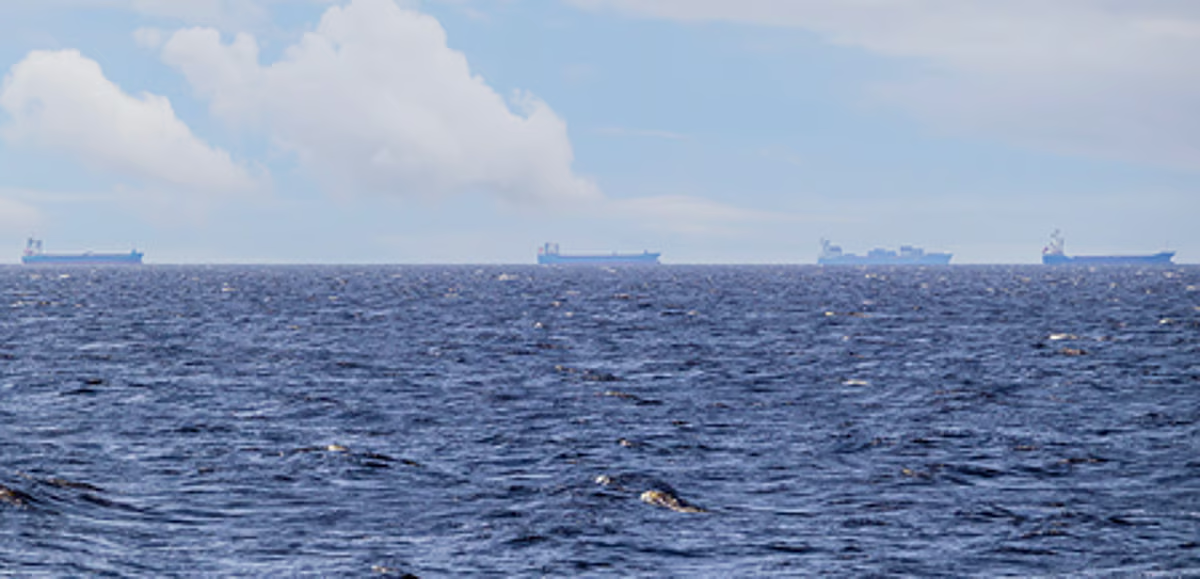
The crisis traces back to February 28, when Iran closed the Strait amid US and Israeli military operations in the region. At the peak, estimates suggested around 20,000 seafarers were stranded across approximately 2,000 vessels. Attacks on shipping in the area raised the stakes considerably, with reports of fatalities among crew members.
A temporary ceasefire in early April offered some relief, but not enough to open safe passage for the bulk of the fleet. Planning for the current evacuation intensified during that period.