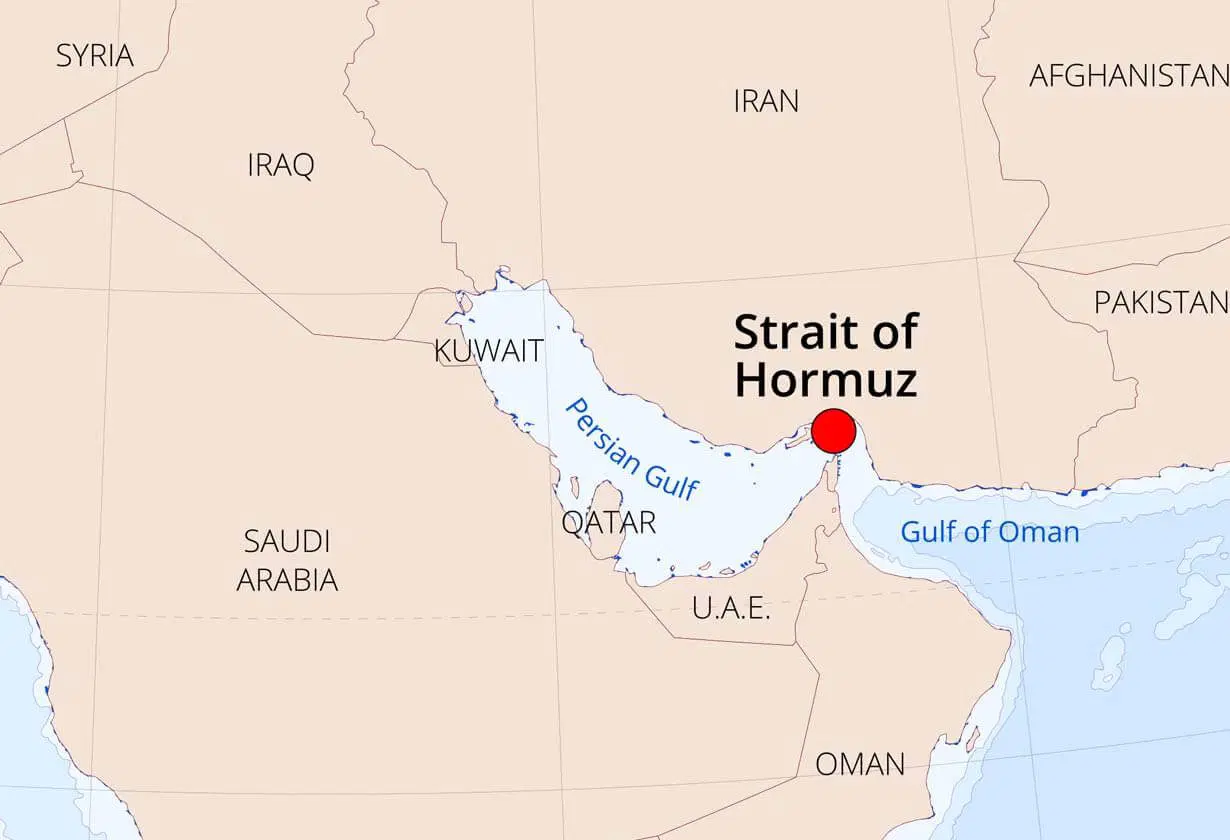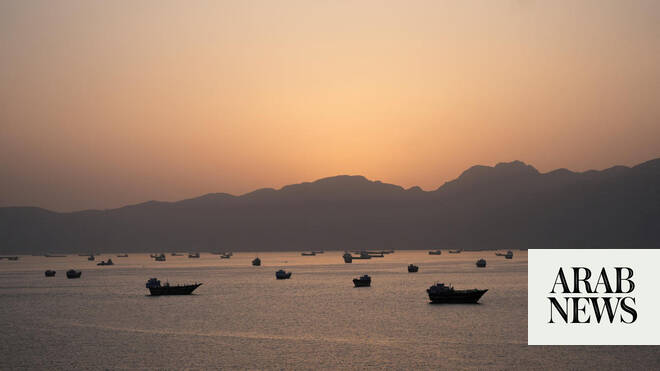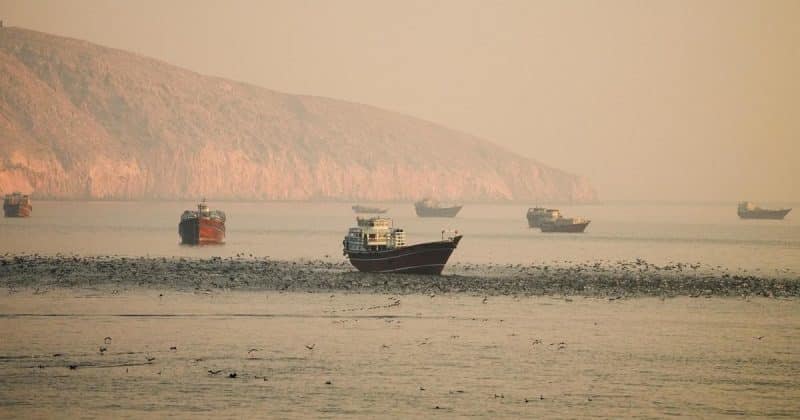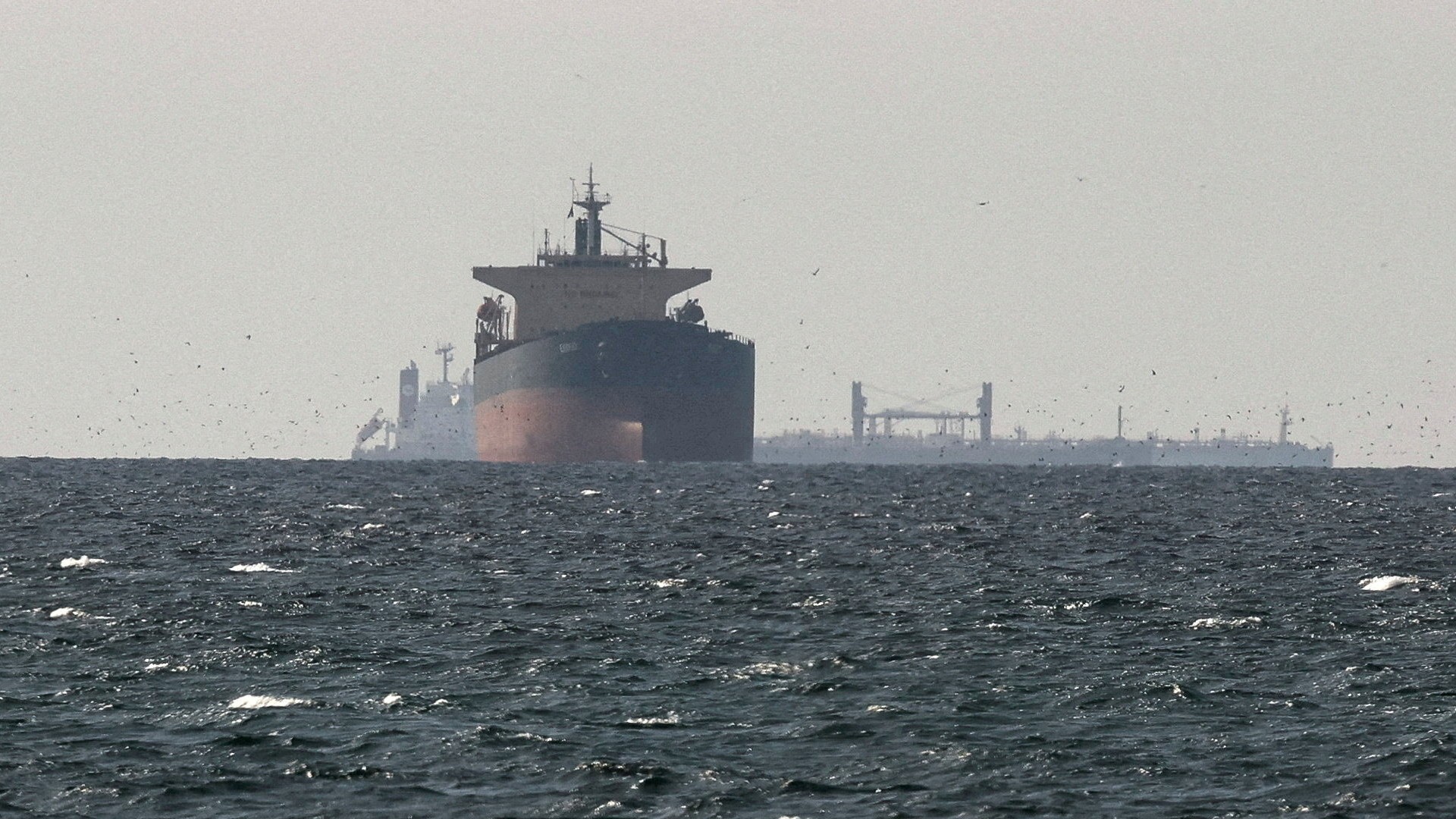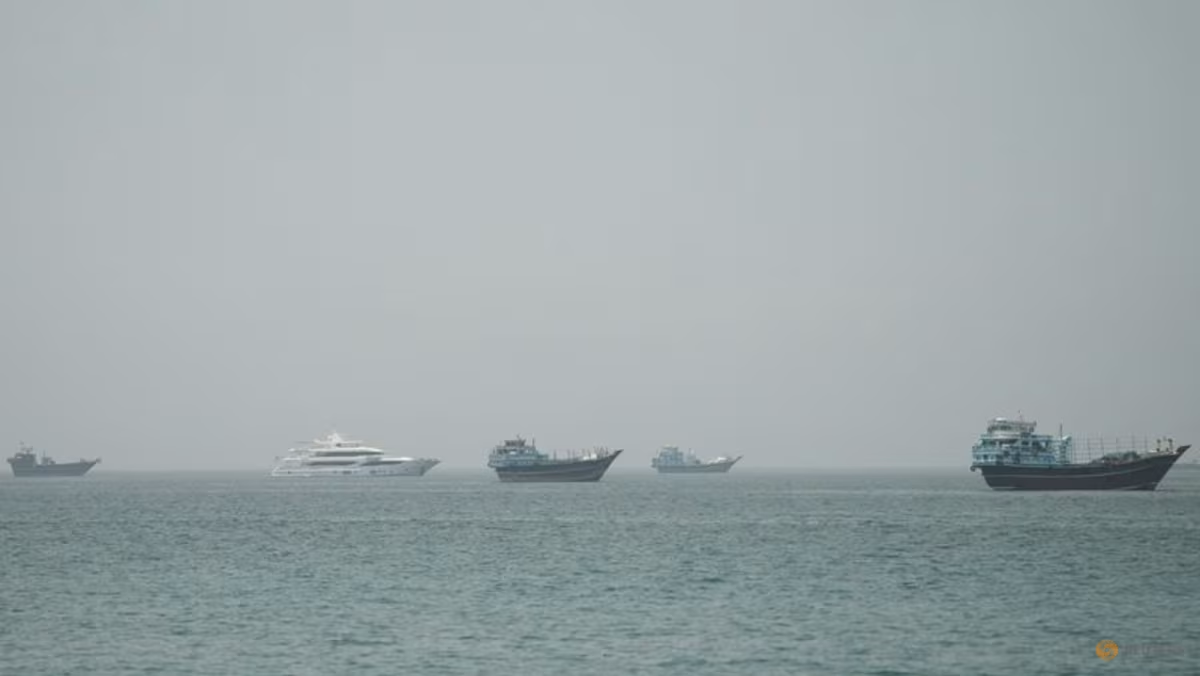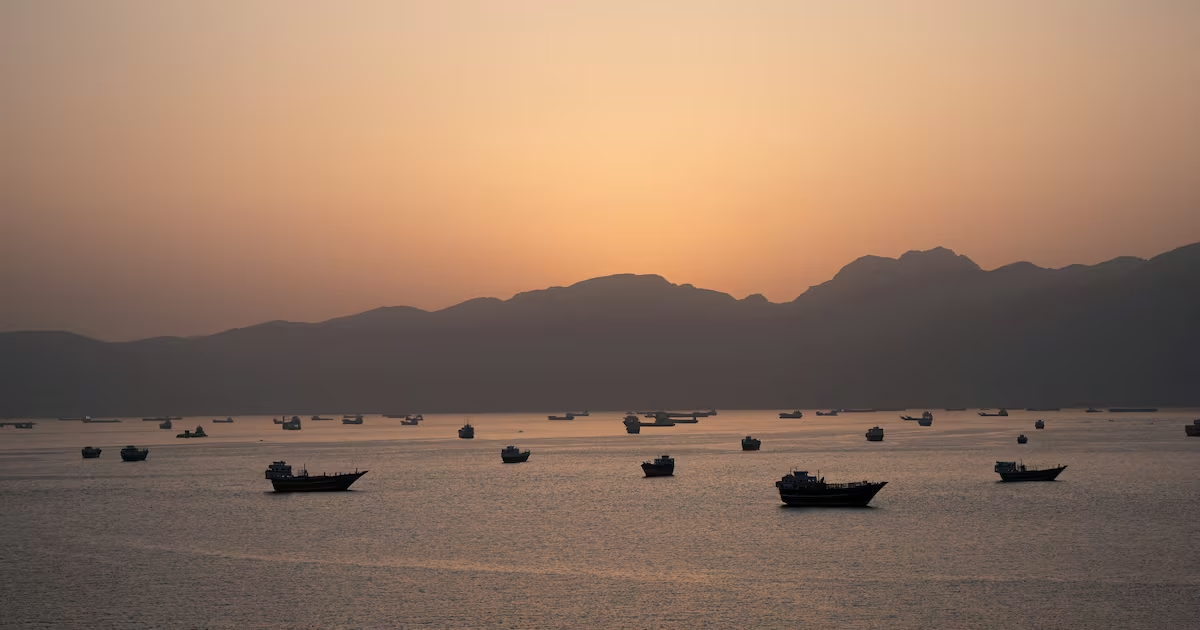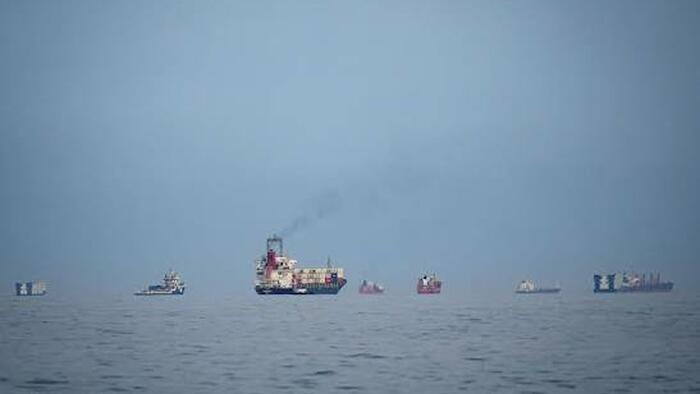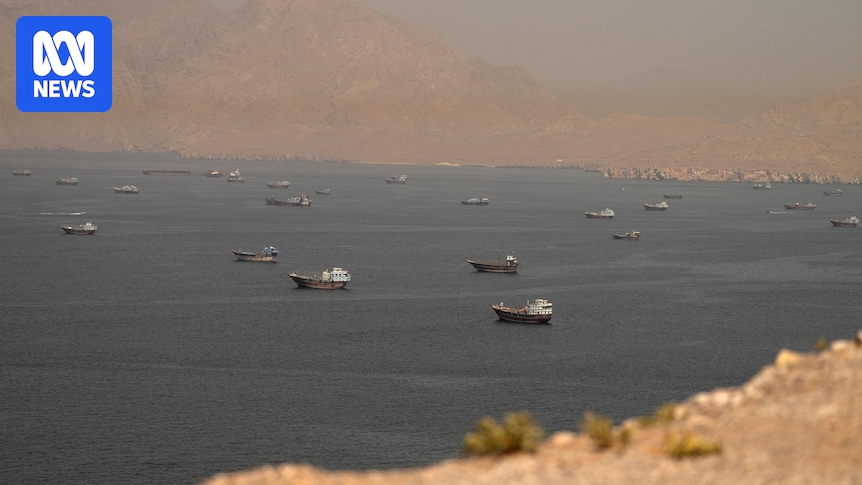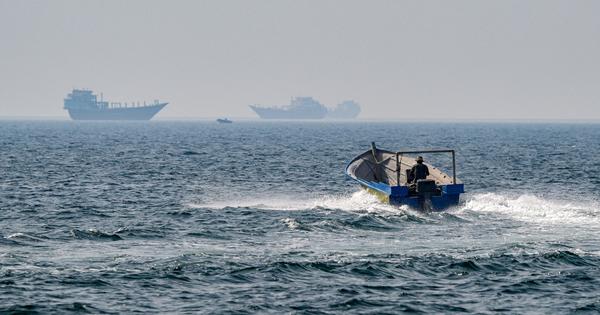
The United Nations’ International Maritime Organization on Tuesday announced a plan to evacuate all ships, and the more than 11,000 seafarers on them, stranded in the Strait of Hormuz.Arsenio Dominguez, the secretary-general of the organisation said that the operation would be carried out “in close cooperation with Iran, Oman, all other coastal states in the region, the United States and the maritime industry”.Dominguez added: “We have secured the necessary safety guarantees and have thoroughly verified the conditions for safe navigation to support these operations. We remain fully committed to ensuring the safety of seafarers and the continuity of global trade.”Since the conflict in West Asia began on February 28, the Strait of Hormuz, the narrow waterbody connecting the Gulf to the Arabian Sea, had effectively been blocked for most international commercial vessels, triggering a global energy crisis.However, the United States and Iran last week held an initial round of talks in Switzerland aimed at reaching a final peace deal. The two countries will establish a communication channel “to avoid incidents and miscommunication with the aim of safe passage for commercial vessels” through the Strait of Hormuz, mediators Pakistan and Qatar said.The International Maritime Organization on Tuesday referred to a letter written by Oman’s Ministry of Defence to Pakistan’s National Hydrographic Office, outlining further details about the plan to evacuate ships and seafarers.The letter states that Oman worked with the International Maritime Organisation to “provide all vessels with the option of a temporary maritime corridor” along listed coordinates.Keeping in mind the elevated risk of collisions in the current circumstances, the UN agency has developed a phased approach based on the groups of vessels with the coordination of the Omani authorities, the letter said.The Omani defence ministry said that the traditional maritime route management system was currently unsafe, due to which vessels leaving the Strait of Hormuz can use two temporary routes. “Vessels included in the designated groups will be contacted individually and provided with further instructions regarding their departure by relevant parties coordinated by the IMO,” it said.Maritime traffic through the Strait of Hormuz has increased in the past week, with shipping intelligence agency Kpler saying that at least 36 commercial vessels traversed the waterway on Monday, a record high since the war began, according to Al Jazeera.US President Donald Trump said in a social media post that 19 million barrels of oil flowed through the strait on Monday, which he claimed was an all-time record. “Oil prices are tumbling down, and the world is a much safer place,” he claimed.On Wednesday, the benchmark Brent crude was trading at under $76 per barrel. The price of Brent was $78 per barrel on February 27, a day before the war in West Asia started. It had climbed as high as $114 per barrel on May 4.Written by Neerad Pandharipande. Edited by Sara Varghese.
UN maritime body, Oman to evacuate ships, 11,000 seafarers stranded in Strait of Hormuz
While the waterway had effectively been blocked since the war began on February 28, maritime traffic has increased over the past week amid peace talks.
471 words~2 min read