Cities have shown that a combination of adaptation measures and energy efficiency can save lives, improve well-being, reduce energy costs, and create conditions for sustainable growth. A new partnership seeks to help mayors and city leaders scale up these efforts through technical and financial assistance.
Your browser does not support the audio element.
Please log in to listen to this commentary
0:00 / 0:00
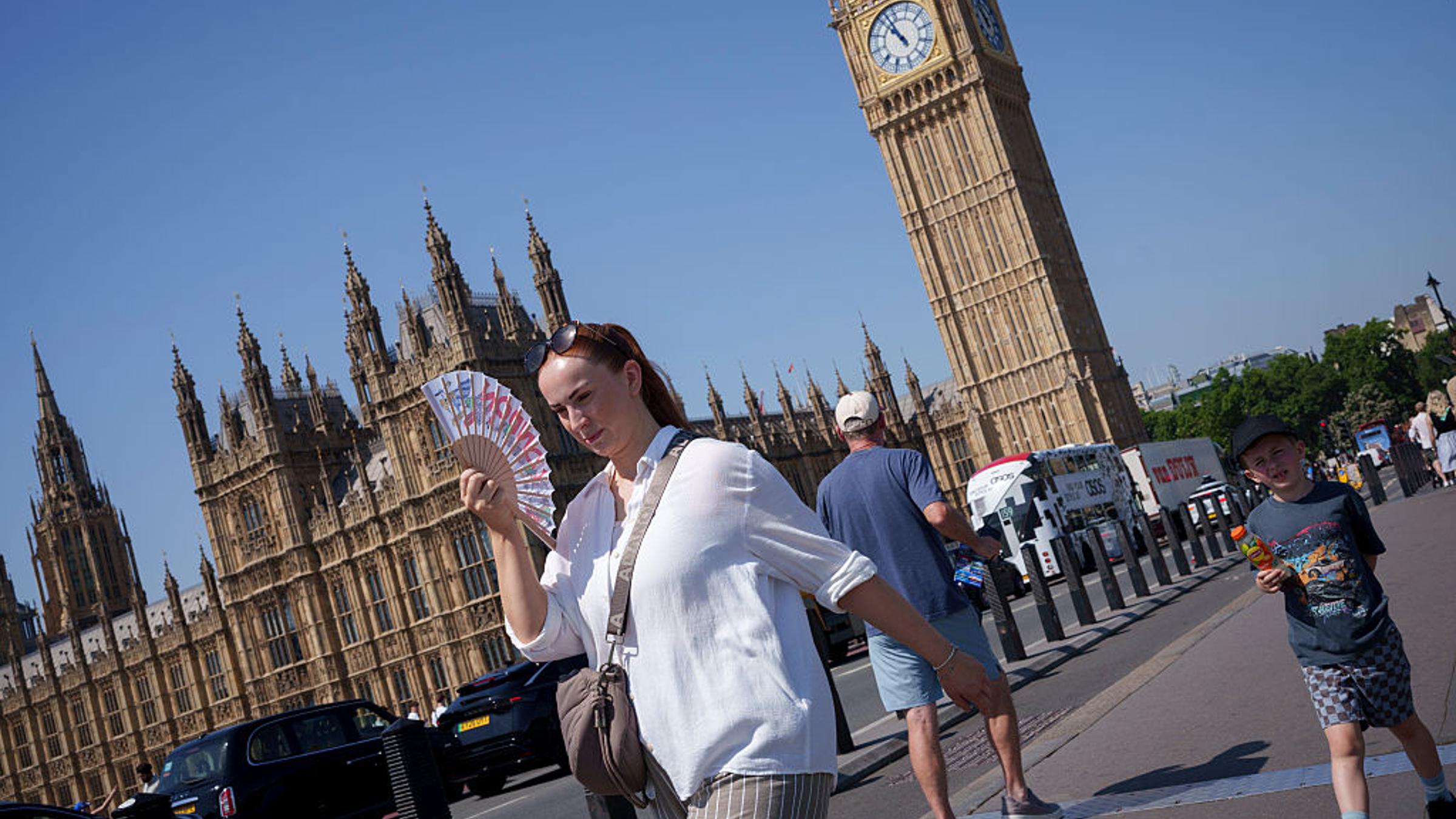
NEW YORK/BRUSSELS—In the global fight against climate change, there has been no shortage of targets and commitments. But people ultimately judge progress by what they experience in their daily lives. And nowhere is the impact of climate action more tangible than in the world’s cities. Mayors understand that the same measures that reduce greenhouse-gas (GHG) emissions and strengthen climate resilience also improve people’s daily lives. Energy-efficient homes lower the families’ bills. Increased access to renewables reduces dependence on imported fossil fuels and vulnerability to spikes in oil and gas prices. Better public transport and safer cycling infrastructure give people more affordable and healthier ways to move around their communities. Trees and green spaces improve air quality, cool neighborhoods, and make cities more pleasant places to live. But climate action is also about protecting people from the already tangible effects of a warming planet. Heat waves, floods, droughts, and extreme-weather events are becoming more frequent and intense. Cities and their residents are increasingly on the front line of these challenges. That is why confronting climate change requires pursuing adaptation alongside mitigation. Around the world, local leaders are adapting schools, hospitals, nursing homes, and public spaces to protect citizens from excessive heat and other climate risks. Shading systems, green roofs, and natural cooling solutions can significantly enhance cities’ resilience to rising temperatures, with children, older people, and other vulnerable residents often benefiting the most. A combination of adaptation measures and energy efficiency can save lives, improve well-being, and reduce energy costs. These green investments also attract talent, innovation, and private investment, making climate action an economic opportunity. Mayors have been putting these principles into practice for years. As a result, GHG emissions have fallen in many of the world’s largest cities, even as their populations have continued to grow. Moreover, cities of all sizes and regions are working together to accelerate the progress they have made individually. Over the past decade, the Global Covenant of Mayors for Climate & Energy (GCoM) has grown into an alliance of more than 14,000 cities and local governments across 150 countries, representing over one billion people. Many member cities have adopted climate goals that are more ambitious than their national governments’—and are on track to achieve them more quickly. Yet cities could move faster and go further with increased support. Specifically, they have a pressing need for technical expertise and access to finance. Many local authorities still lack the resources required to identify, develop, and implement climate projects at the necessary scale. Partnerships can help address these needs. The City Climate Finance Gap Fund, supported by GCoM and the World Bank, is already assisting cities in developing projects that can attract investment and deliver tangible benefits for their populations. Over the past few years, it has supported more than 1,400 cities in turning climate ambition into practical action. Now, GCoM, C40 (a network of the world’s biggest cities committed to addressing climate change), and the European Bank for Reconstruction and Development are building on that work with a new partnership to help cities scale up climate projects through technical and financial assistance. This initiative will focus largely on regions where the gap between ambition and available resources is widest. National governments increasingly recognize the power of cities to drive progress on climate change. While promising, it should be only the beginning. Mayors and city leaders understand better than anyone that the most successful climate policies are those that people can see and feel in their everyday lives: cleaner air, safer streets, lower energy bills, healthier homes, and better protection against extreme weather. With the right support, cities can continue to protect people, strengthen resilience, and create the conditions for sustainable growth. Most importantly, cities can play a powerful leadership role by showing the world that climate action is not a burden, but an opportunity to build better lives and more vibrant communities for all.