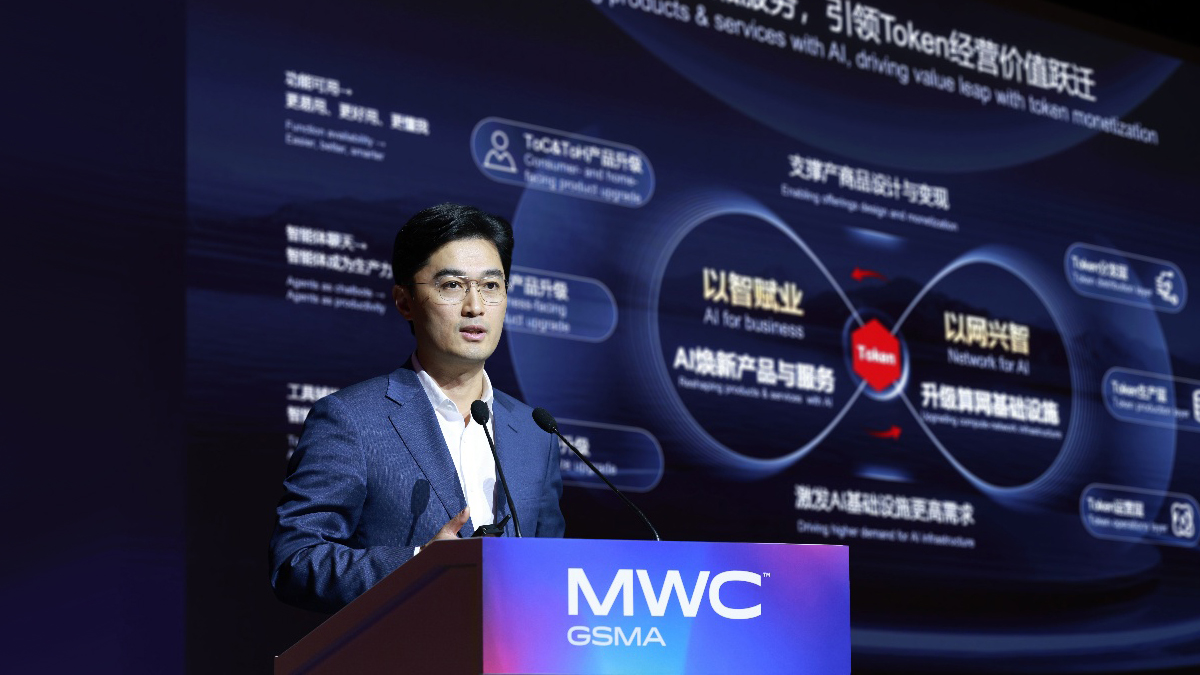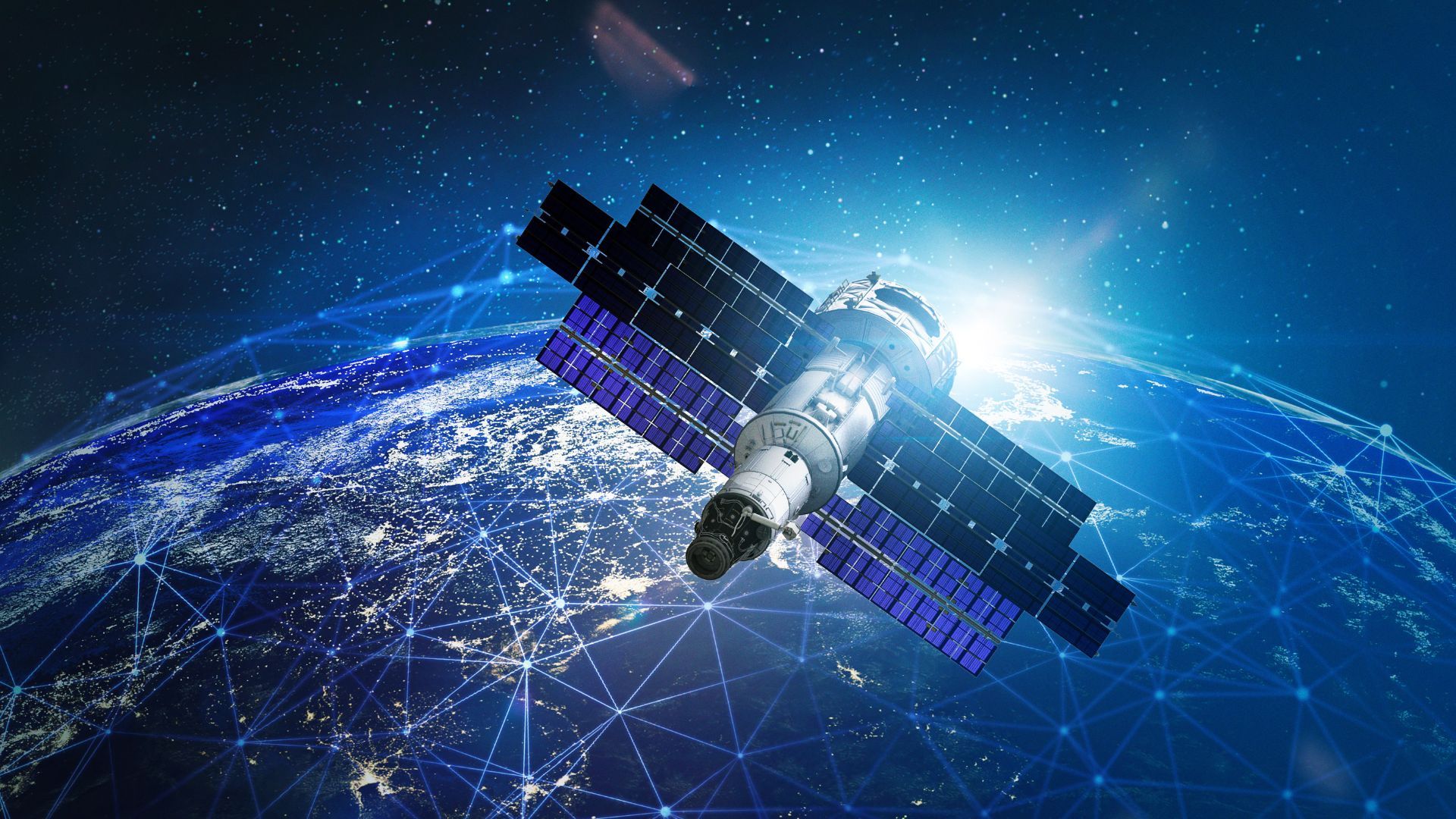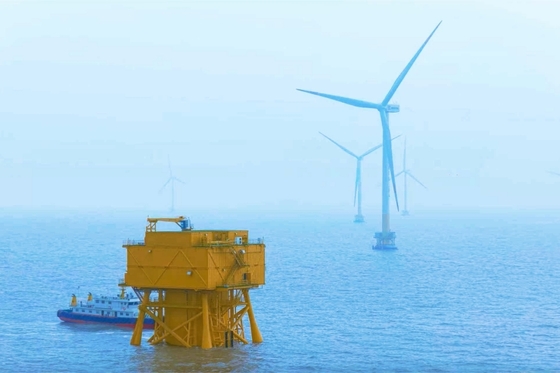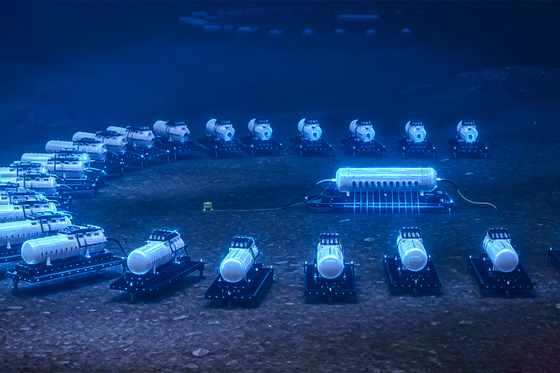
China’s telecoms giants are pushing for “air-space-ground-sea” networks amid Beijing’s push to expand artificial intelligence infrastructure, as SpaceX’s market debut has ignited the industry’s focus beyond the Earth.At the opening of the Mobile World Congress (MWC) Shanghai on Wednesday, telecommunications executives framed the next phase of infrastructure as one that needs to encompass both the skies and oceans to meet skyrocketing demand for AI computing.Wang Tao, rotating chairman of Huawei Technologies, said that as AI gains agentic capabilities, the geographic coverage of the internet should be extended from the current 20 per cent on the ground to 100 per cent “across high altitudes, oceans and deserts”.He expected the number of AI agents to reach up to 1 trillion globally by 2030, which pushed operators to break beyond urban borders.Huawei rotating chairman Wang Tao speaks during the opening ceremony of MWC in Shanghai on Wednesday. Photo: AFPWang, who became Huawei’s rotating chairman in April, said that 2026 marked a “crucial inflection point for mobile communication”. With the number of 5G users in China now exceeding 1.1 billion, the coming decade demanded an unprecedented technological leap, he added.Zhang Zhiyong, chairman of state-owned telecoms tower provider China Tower, said the company was leveraging its base station locations to forge a network covering air, space, ground and sea. The company currently manages over 6.2 million base stations, including 3.28 million dedicated to 5G.
China bets on ‘air-space-ground-sea’ networks for future AI infrastructure
Executives at MWC Shanghai say next phase needs to encompass both the skies and oceans to meet skyrocketing demand for AI computing.
229 words~1 min read