Huawei is trying to move the telecom conversation beyond faster downloads.
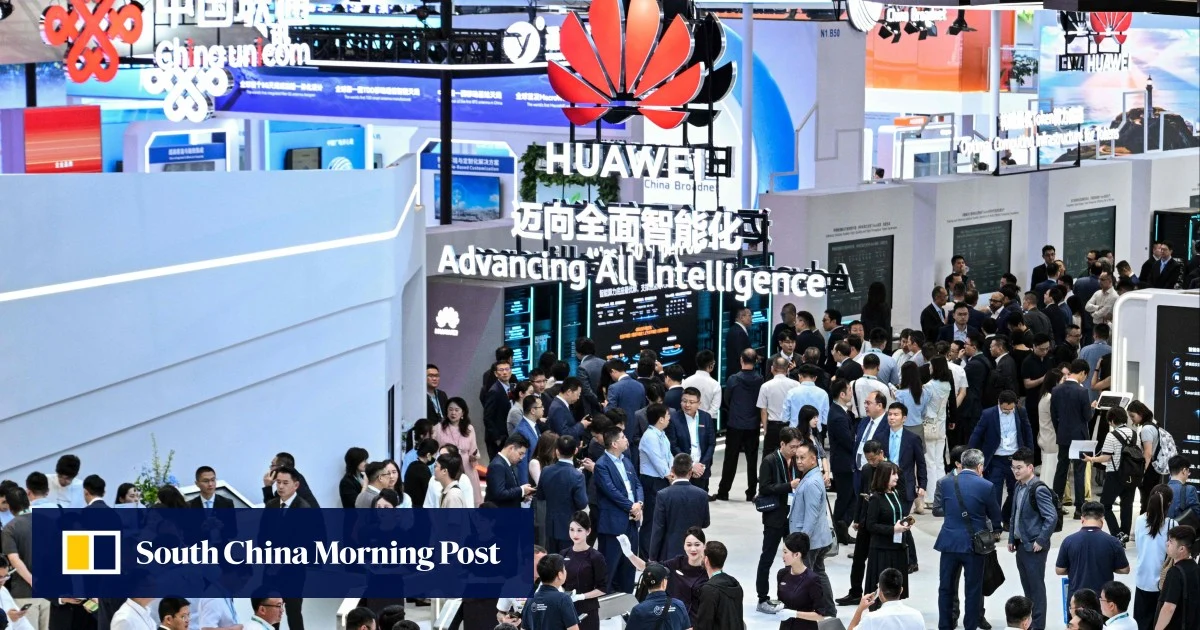
At this year’s Mobile World Congress (MWC) Shanghai, the company framed the next phase of mobile networks around artificial intelligence, arguing that carriers will need to rethink how connectivity, computing power, and services work together as AI agents become more common.
David Wang, Huawei’s deputy chairman and rotating chairman, set out six priorities that he said will shape the next decade of mobile communications. They include developing new services for future mobile systems, integrating AI into mobile networks, building satellite-ground network architecture, planning spectrum for future demand, defining AI-native core networks, and exploring new business models for mobile services.
Put simply, Huawei wants carriers to prepare for a world where networks are not just moving data between people and devices. They will also need to support AI services that process requests, generate responses, and interact in real time.
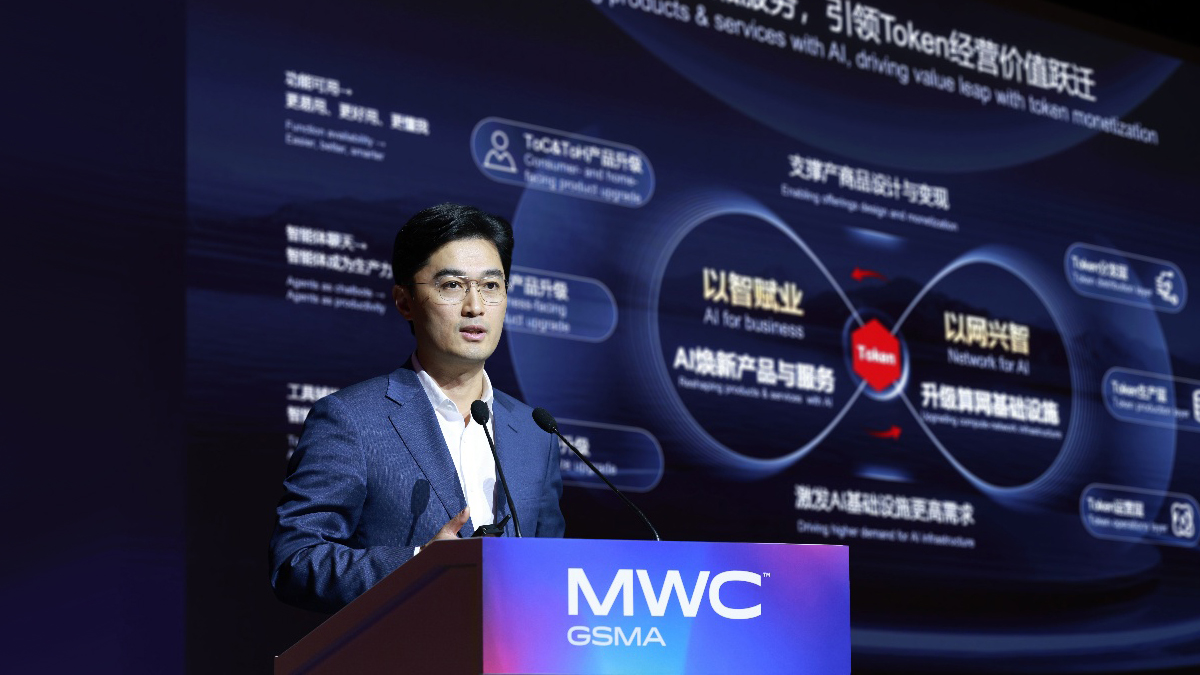
That shift explains Huawei’s focus on what it calls “byte and token monetization.” Bytes refer to conventional data traffic. Tokens are the units processed by AI models, such as pieces of text, images, or other inputs and outputs. As AI services move onto phones, glasses, home devices, and enterprise systems, Huawei believes carriers may be able to earn revenue not only from data usage, but also from the AI activity running across their networks.