Transformative Peace
June 23, 2026
By Aimee Ongeso
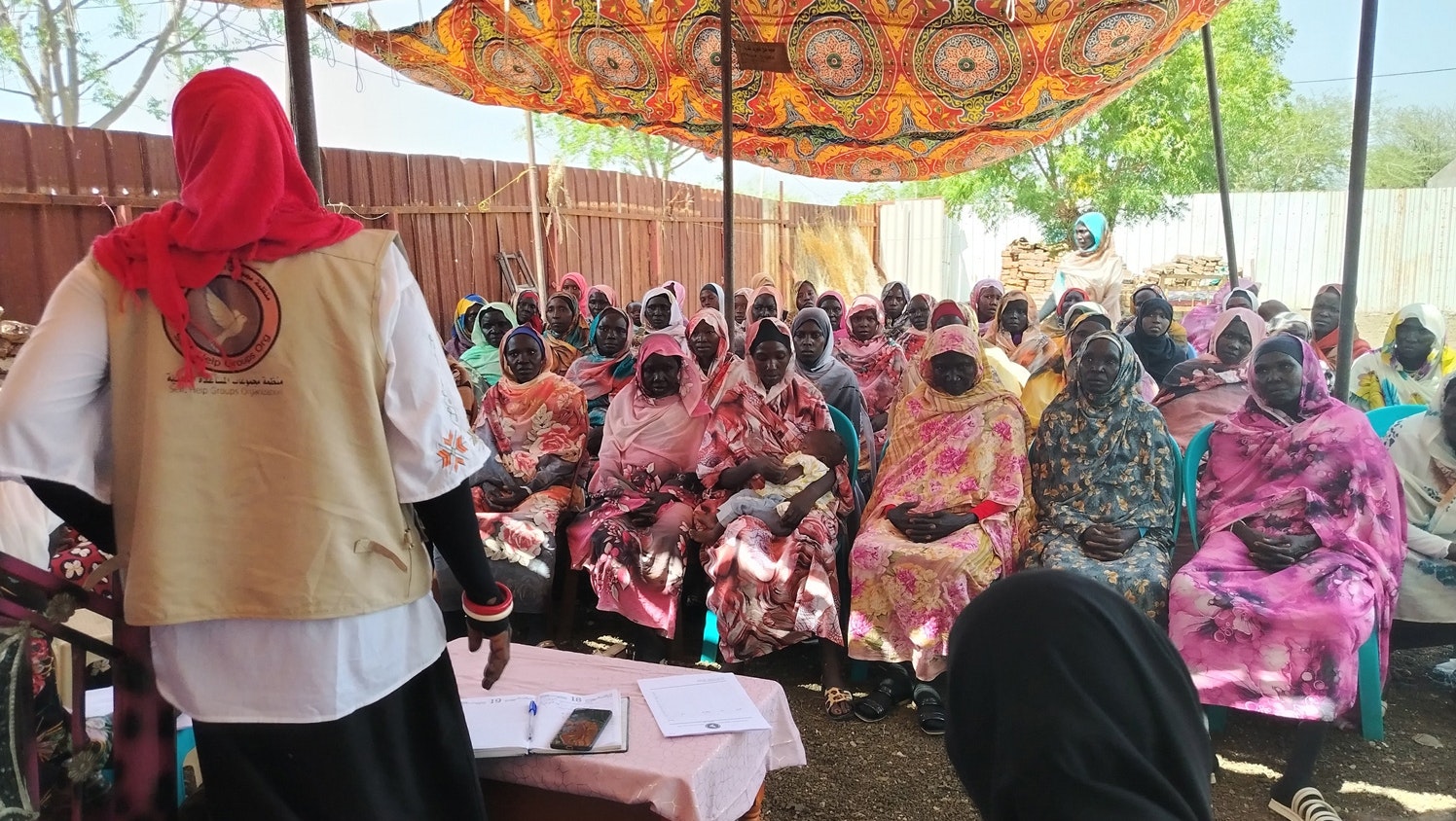
Across Africa, a different approach to peace is taking shape: one that recognizes the central role of economic systems.This vision is called the reparative economy. It starts from the recognition that economic systems are not neutral. They are shaped by histories of inequality, and addressing these histories is necessary to build shared prosperity.Too often, peace has been treated as the absence of violence: a ceasefire, a security arrangement. But peace is brittle if it does not address the socio-economic conditions that caused the violence. True peace is sustained through the everyday governance of resources, the rebuilding of trust, and the restoration of power to those from whom it was taken.These ideas are taking shape in communities across the continent.In Niger, communities are organizing dialogue platforms to discuss peace and the economy at the same table. As a result of these conversations, communities are pooling resources to support community development projects and extend credit to local entrepreneurs.In Mozambique, communities are working with leaders and government at every level to negotiate fair compensation for resource extraction projects that have harmed them.In Mali, organizations help internally displaced women and girls secure land tenure, dismantling barriers that have excluded them from owning land for generations.In Sudan, women’s groups are building cooperative economic systems alongside cultural healing practices—reconstructing both their economic life and social fabric.Defining the Reparative EconomyThe reparative economy is not a new invention. It is a naming, an acknowledgment that communities across the continent have long cultivated holistic models of living in harmony and cooperation. It also builds on Nwamaka Agbo’s Restorative Economics framework, which invests in the healing and self-determination of marginalized communities in the United States.