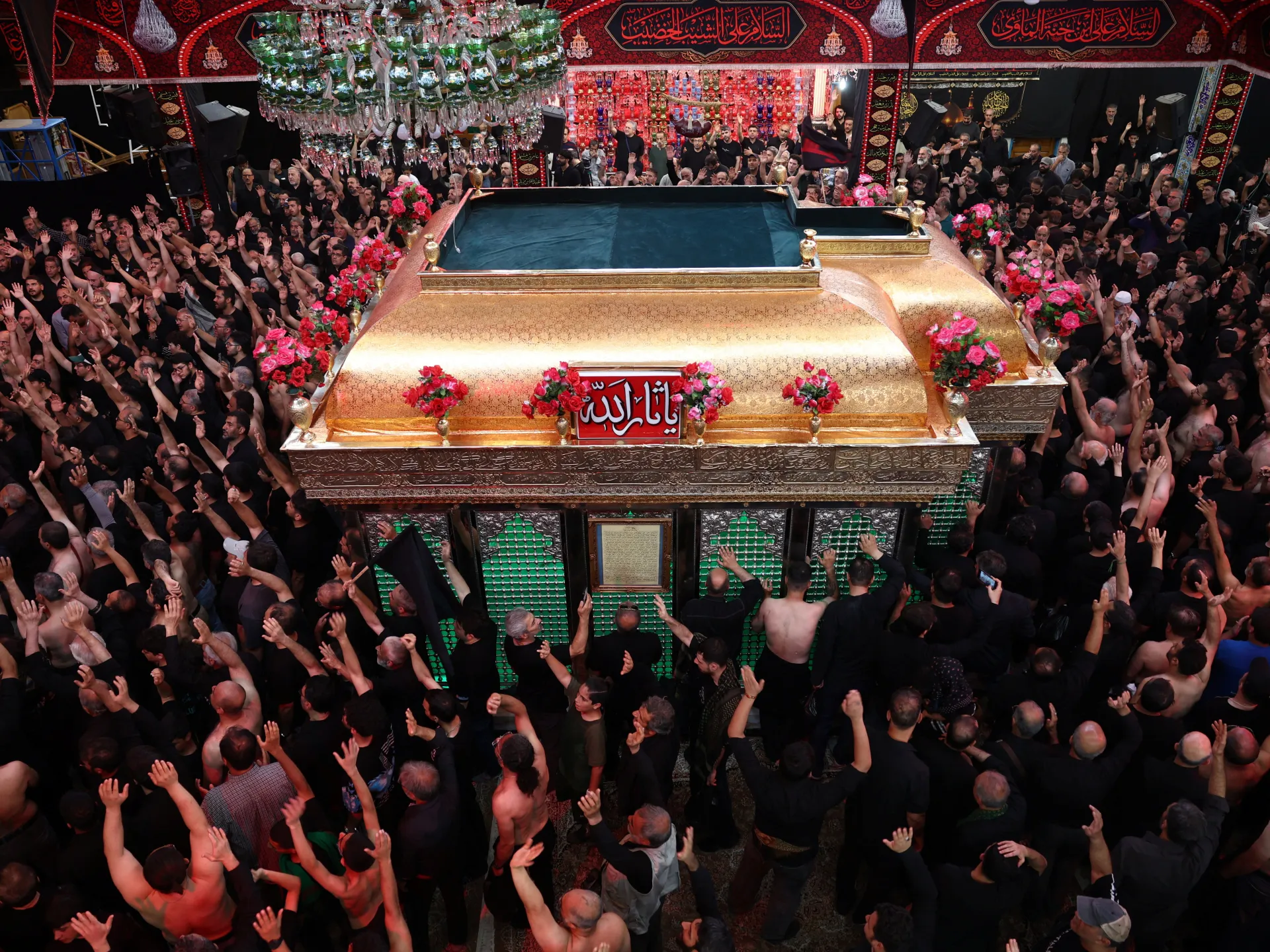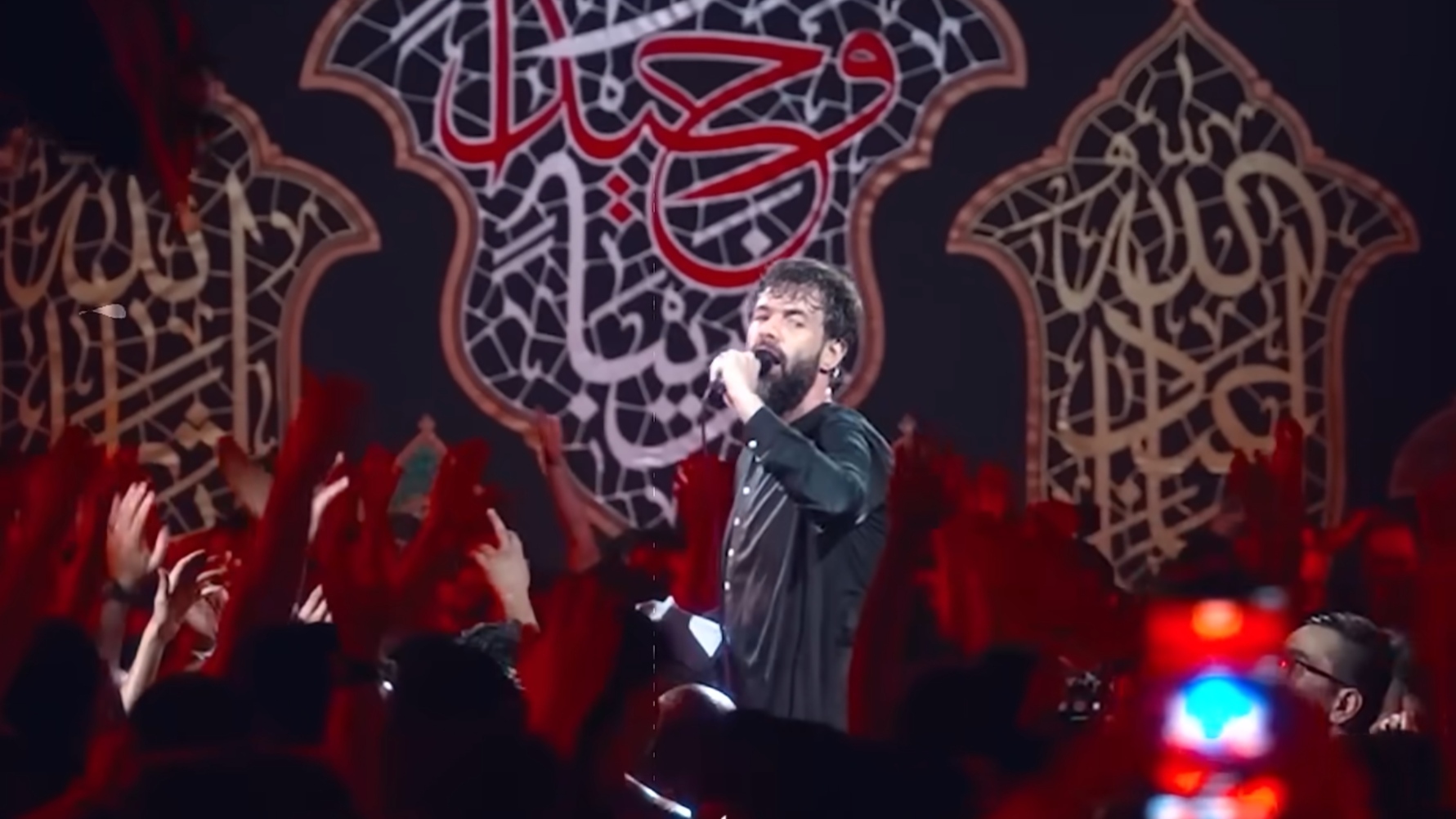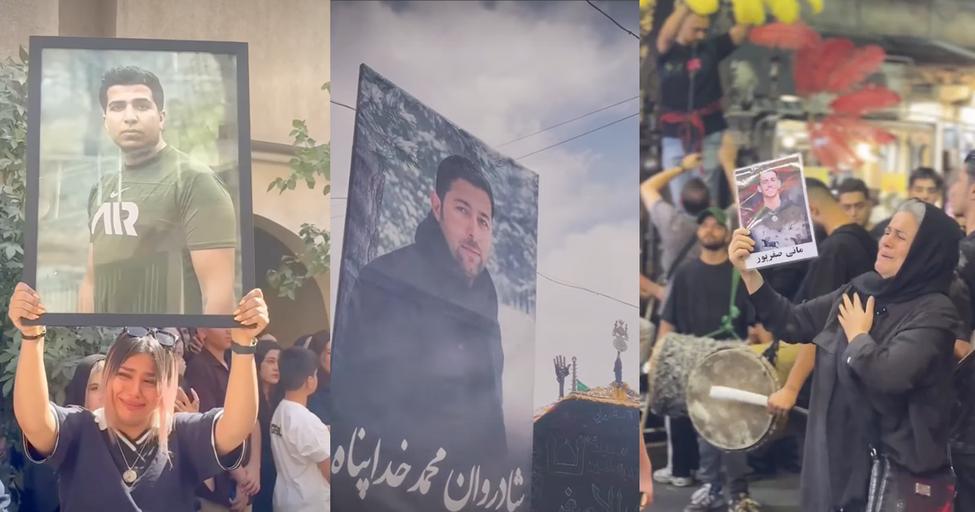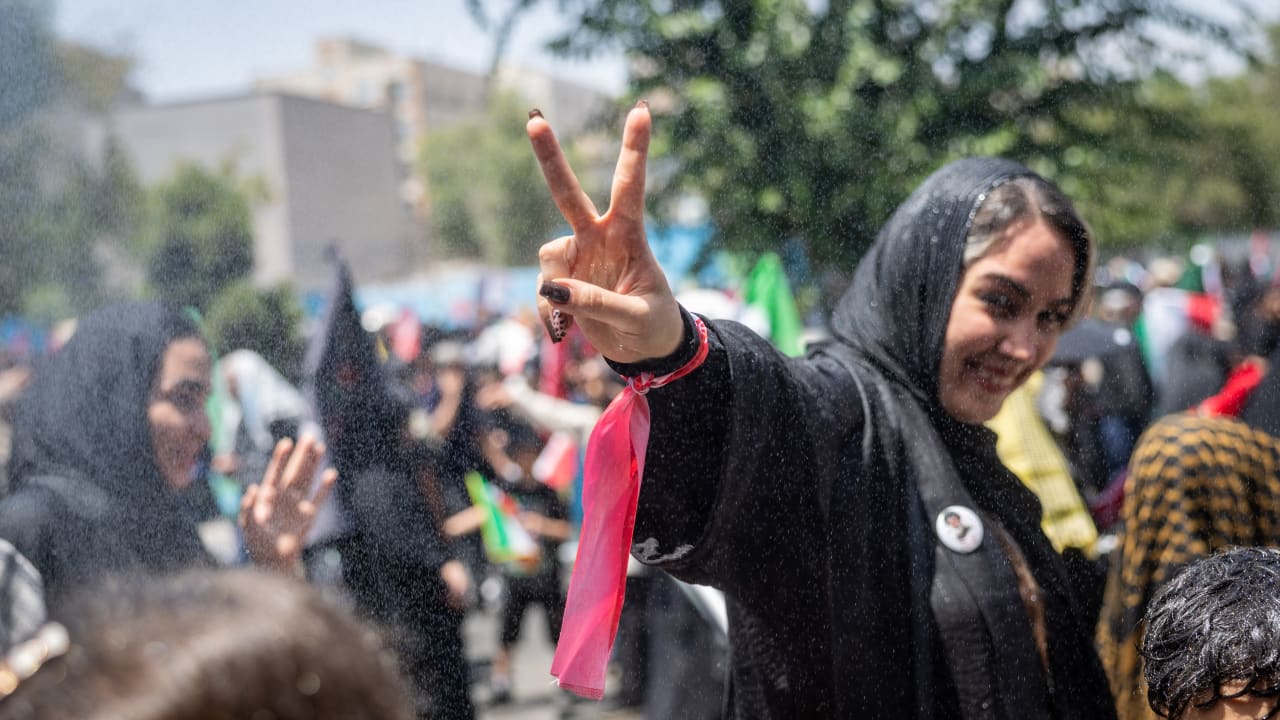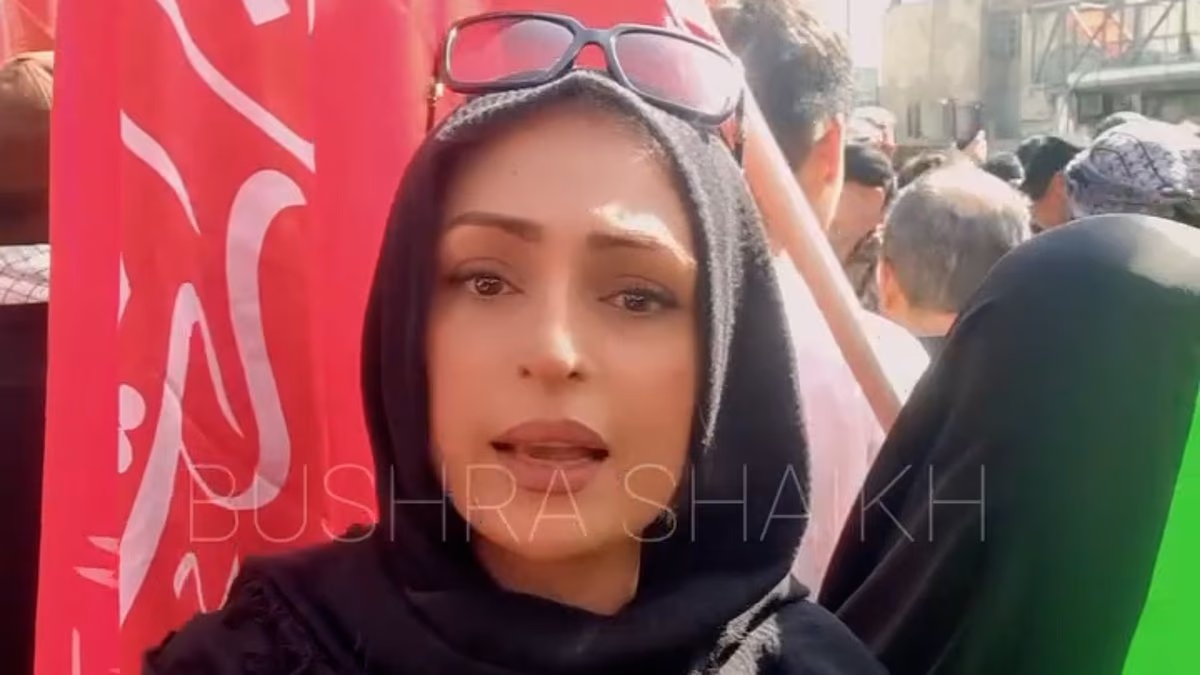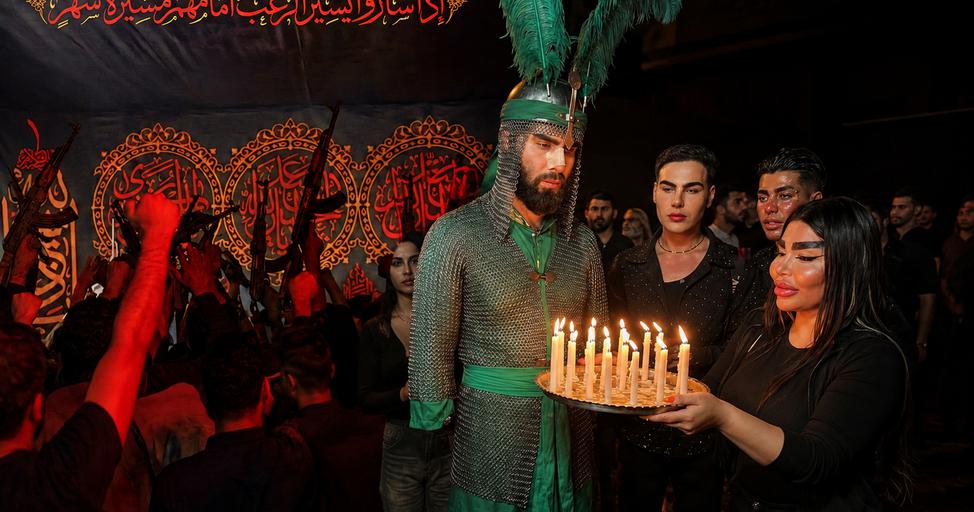
Videos and images of influencers and content creators from various advertising fields attending women’s mourning congregations (Heyats) and private domestic stalls (Mokebs) have taken over social media. Although the transformation of mourning rituals for the third Shia Imam began in the 2000s (the 1380s in the Iranian calendar), this year, following the massive crackdowns of January, both the state and traditional religious segments of society are experiencing much more visible shifts. In most of this year’s videos, alongside synchronized light shows and backbeats accompanying the elegies, there is virtually no trace of the intensely emotional form of traditional breast-beating and chain-flagellation. The appearance of votive food (Nazri) and elegies (Maddahi) has changed, and the spaces have been occupied by men and women whose appearance, under normal circumstances, could result in judicial prosecution and criminal punishment.
Everyone looks identical: contoured cheekbones, plump lips, matching lipsticks, icy blue contact lenses, colorful acrylic nails featuring summer-trend polishes, and long, straight black hair draped over shoulders, accompanied by broad smiles and cigarettes smoked one after another. This is the image reportedly captured at one of the Muharram mourning congregations in Tehran’s Salsabil neighborhood. The young men and women standing in the front row of mourners share nothing with the mourning atmosphere except their black attire. Everything resembles a carnival or a performance aimed at showing that “Muharram mourning does not belong to a specific class or demographic and has room for everyone.”