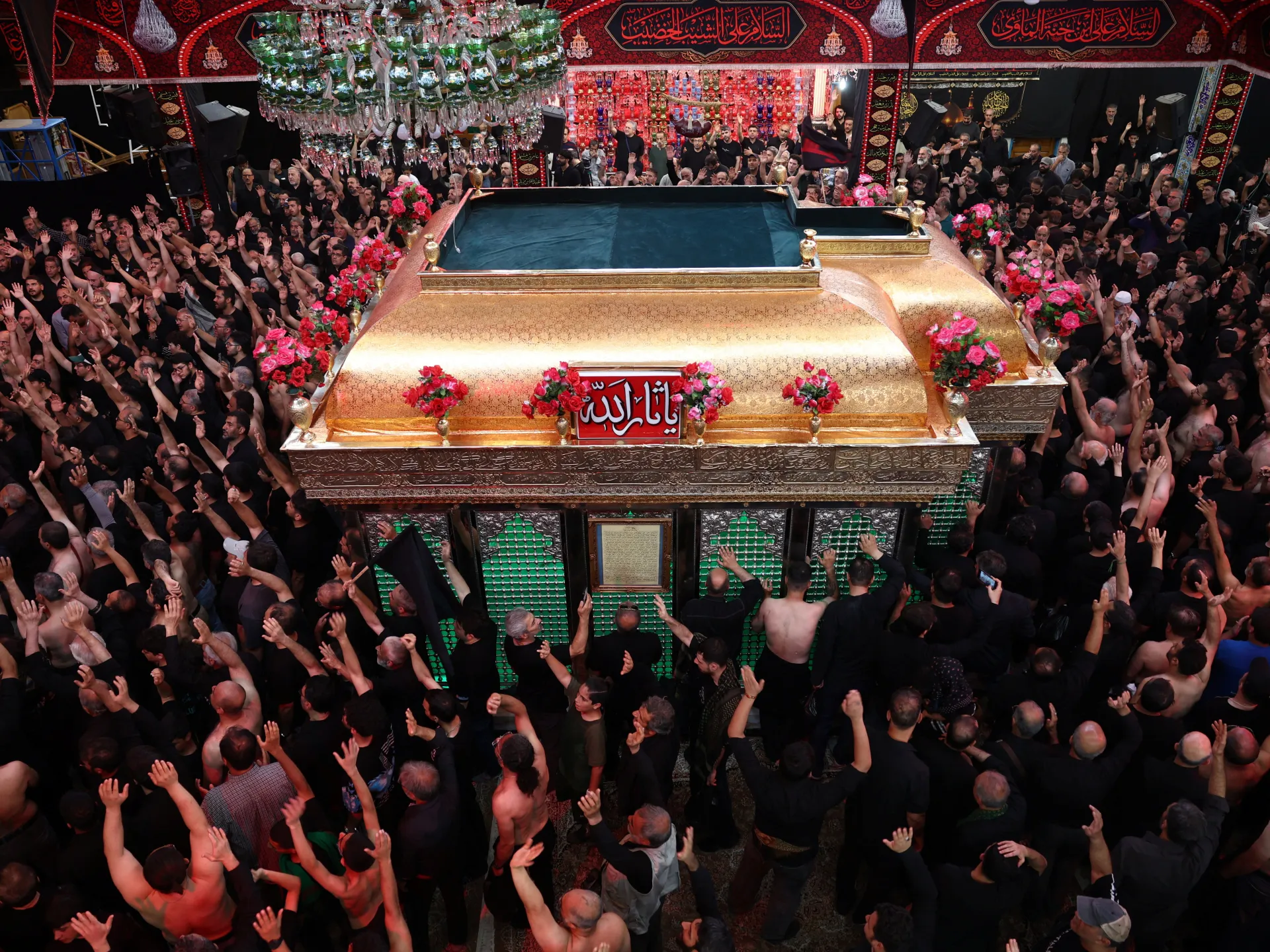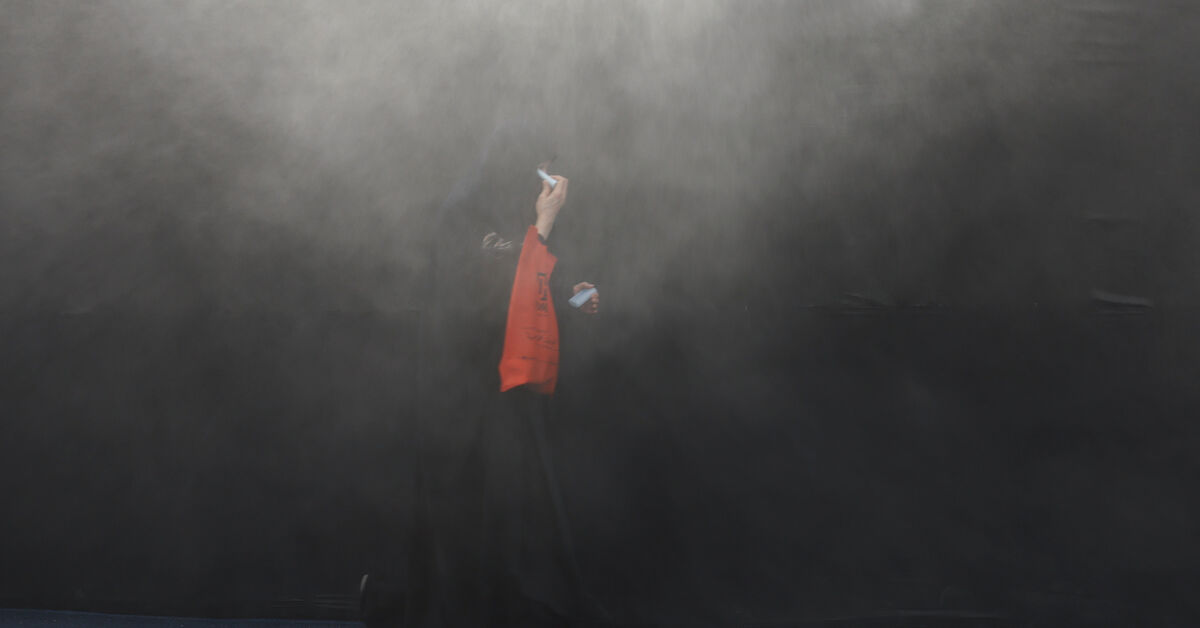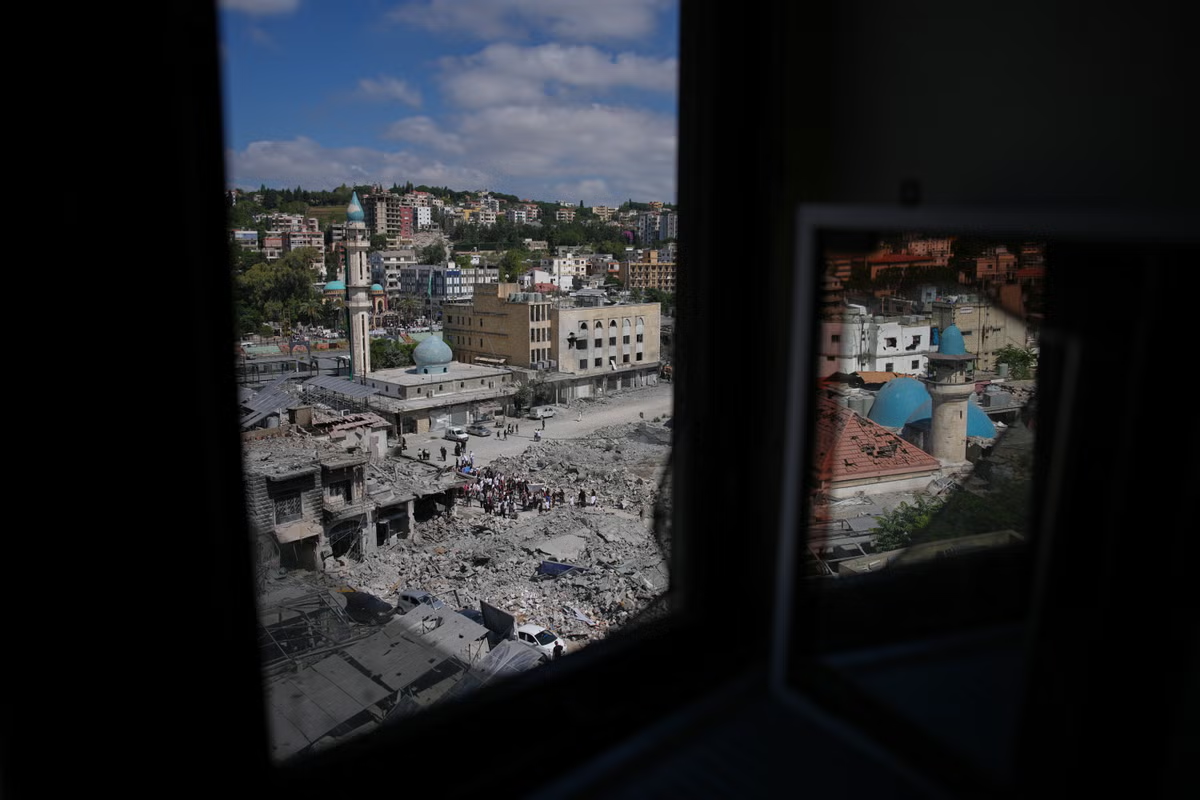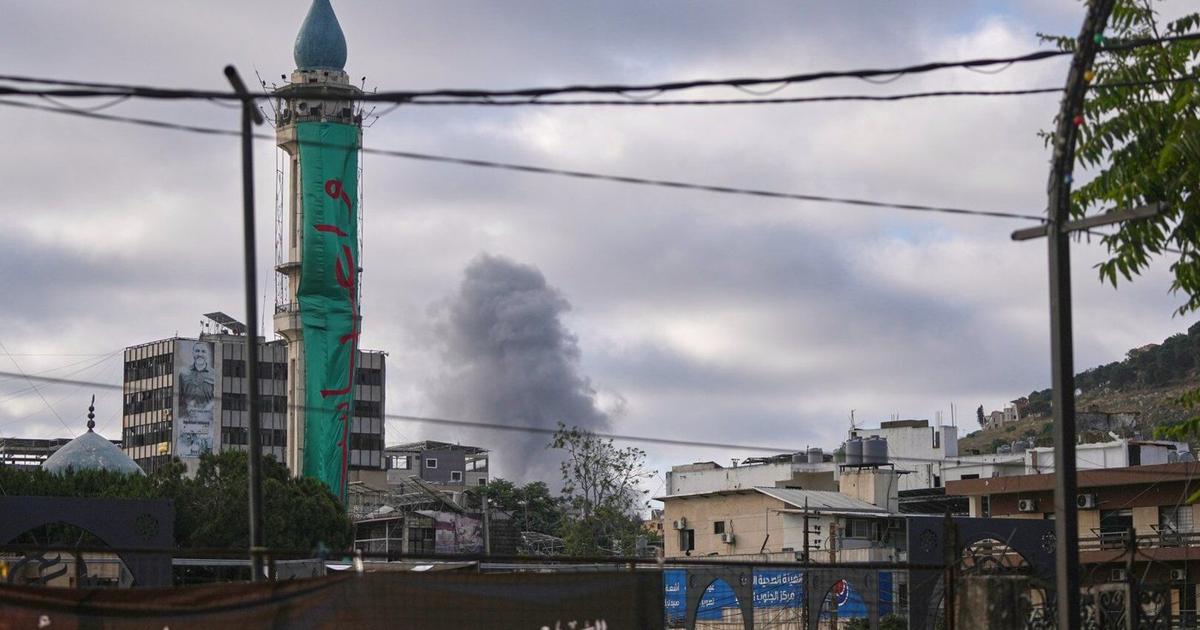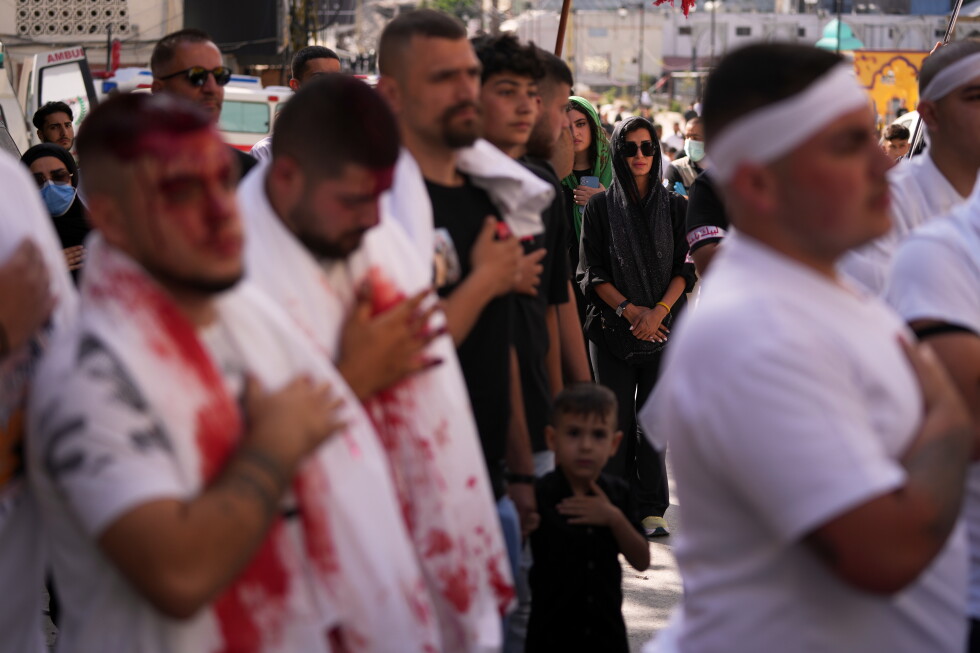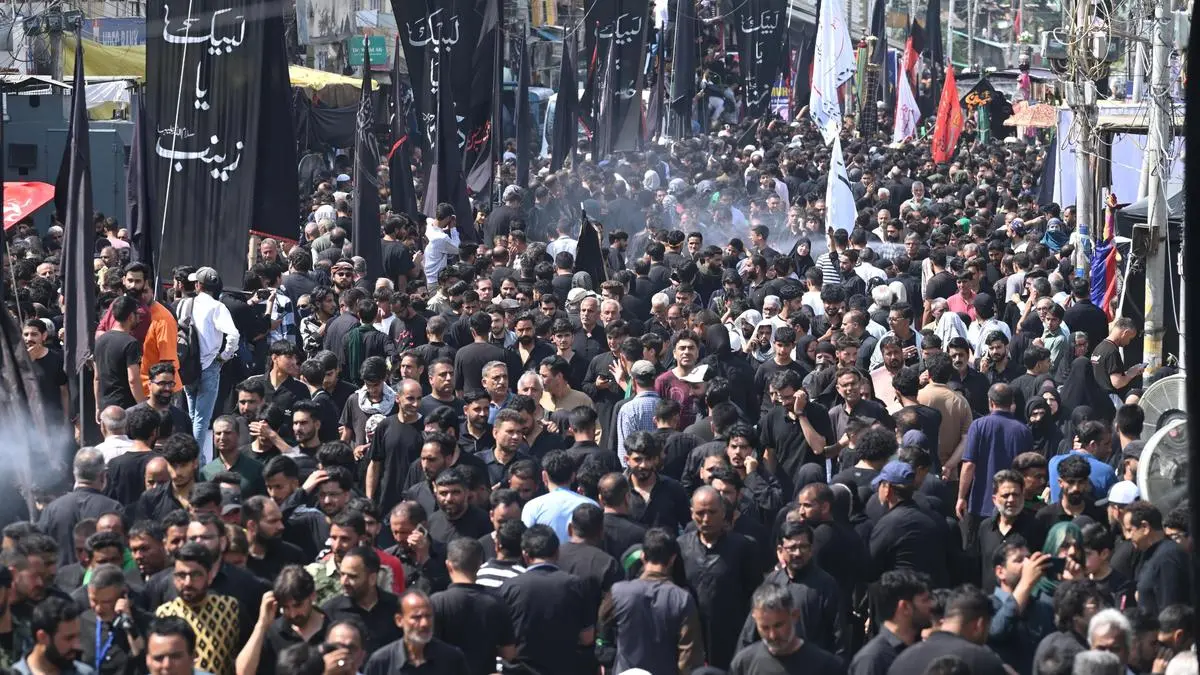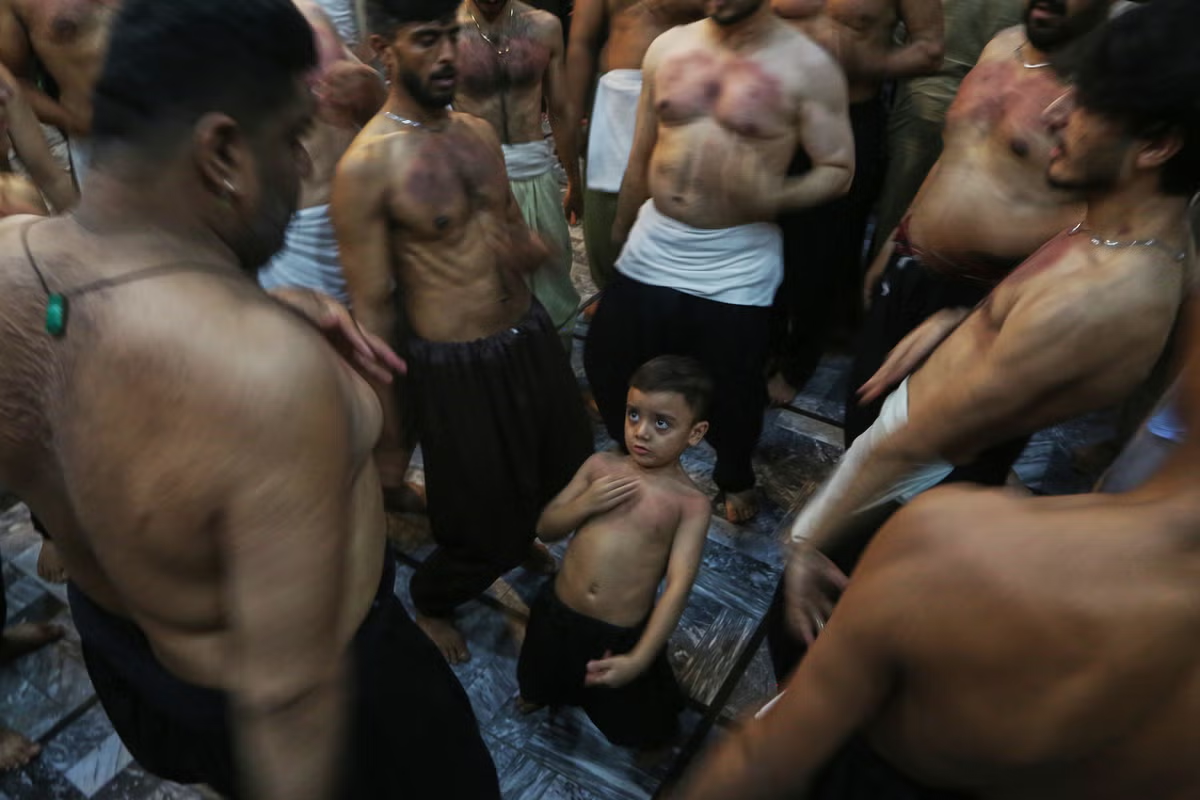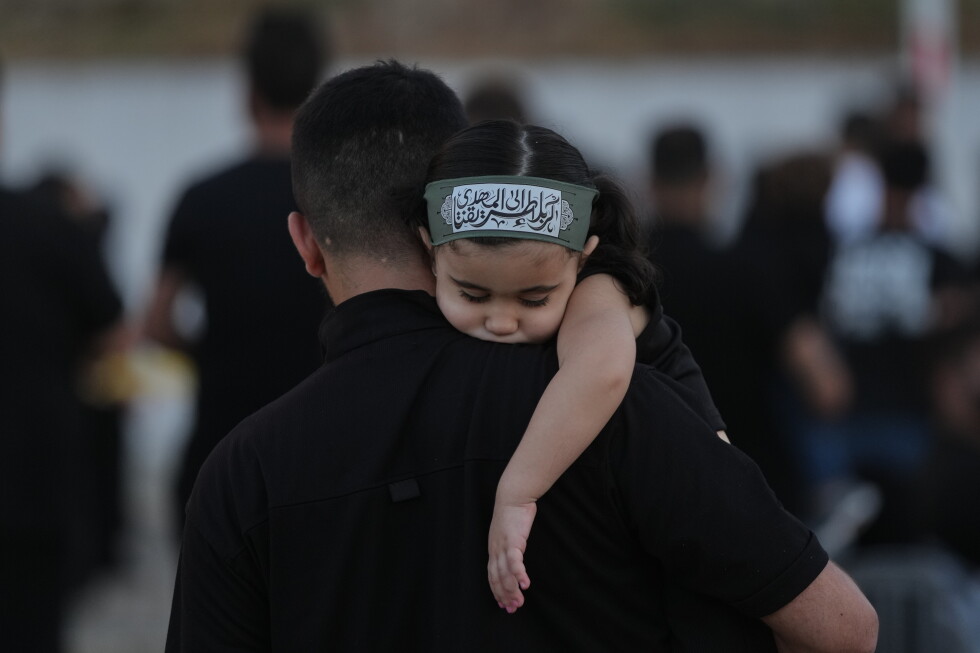
Beyond the historical narrative of the life of the third Shia Imam, Hussein has long been a symbol for Iranians of rebellion against oppression, of innocent blood spilled upon the ground, and of a rightful claim never forgotten in the folds of history.
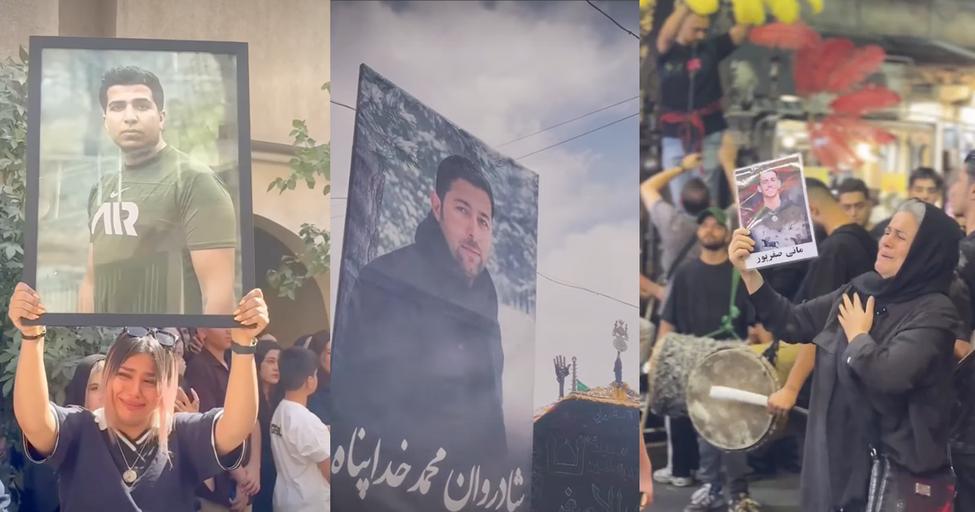
In Muharram 2026, this unique Iranian narrative intertwined with the bloody crackdowns of last January. Once again, the names and memories of those slain in the protests returned to the streets across various cities and neighborhoods of Iran.
“Stand Strong, O Compatriot, to the Very End for the Homeland”
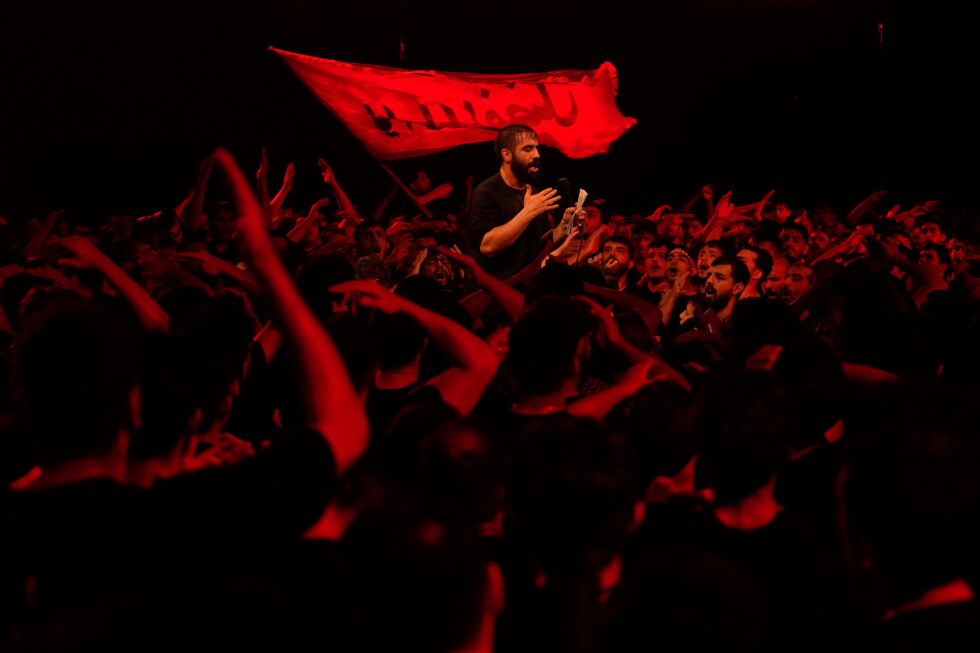
Among those killed in the January protests were both devout religious believers and secular citizens. The mourning rituals of Muharram, however, served as a bridge uniting these two groups. On the afternoon of Tasu’a, a small mourning procession (Heiat) in Islamshahr, Tehran, gathered outside the home of Amir-Reza Mirzaei, a 27-year-old who was killed by direct gunfire on January 9.
The elegy reciter (Maddah) sang for the fallen youth and openly expressed his deep shame and condolences to Amir-Reza’s parents. Reflecting on the moment, his brother wrote: