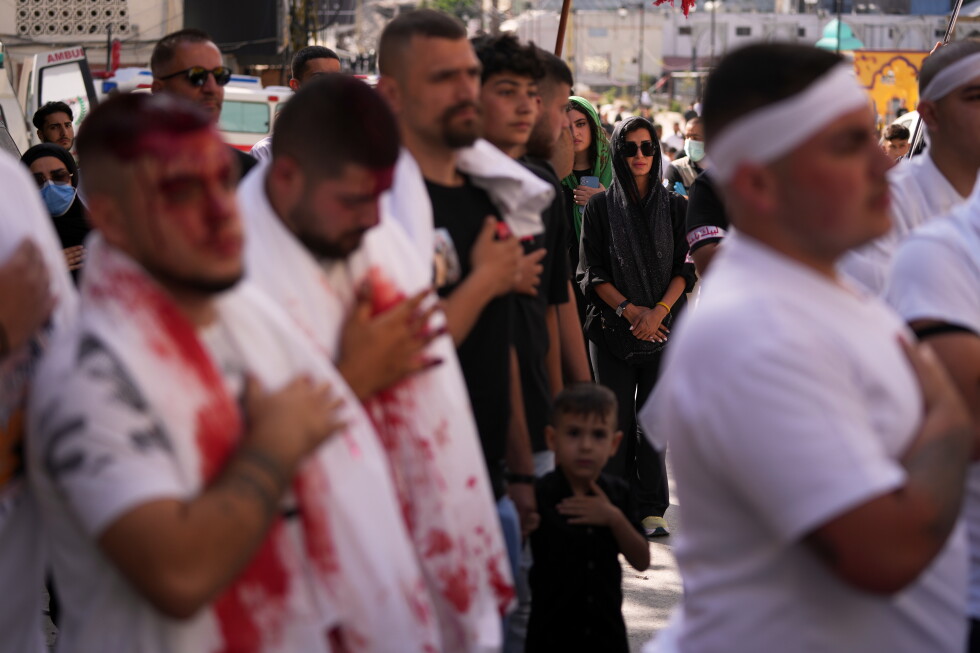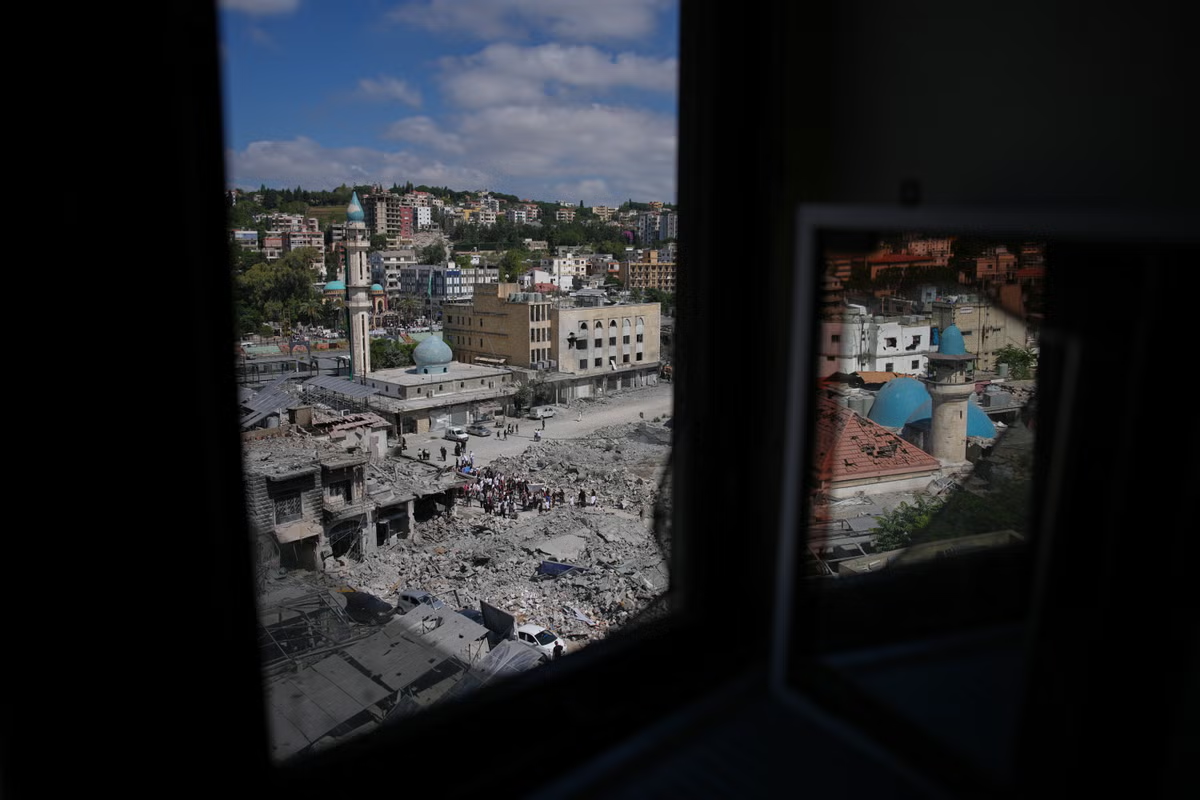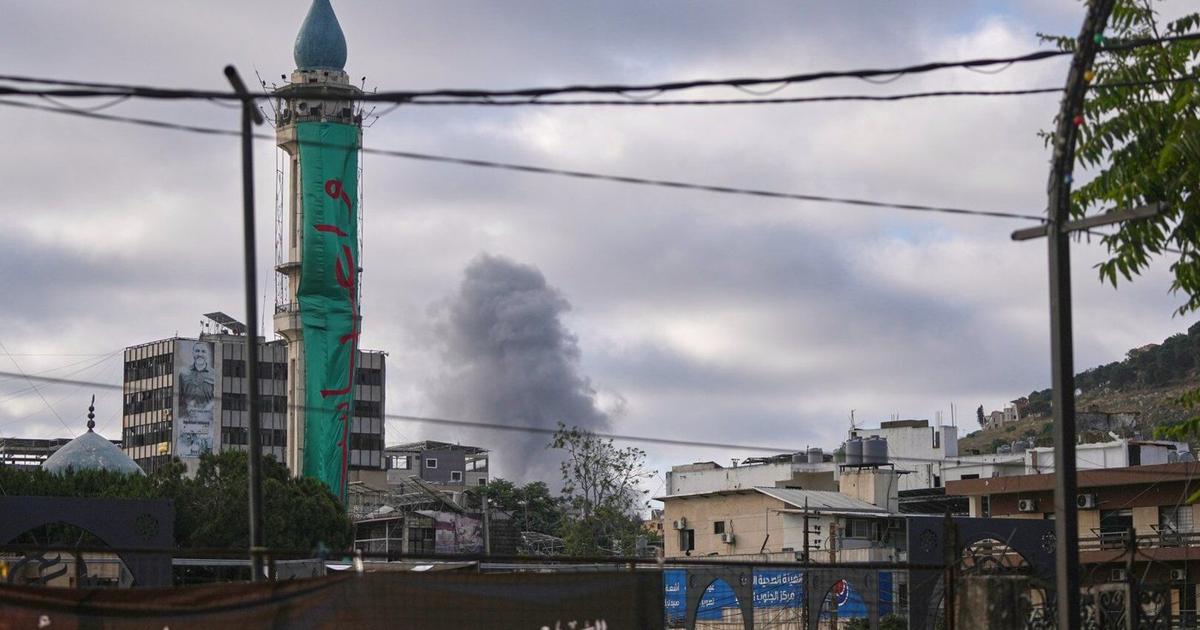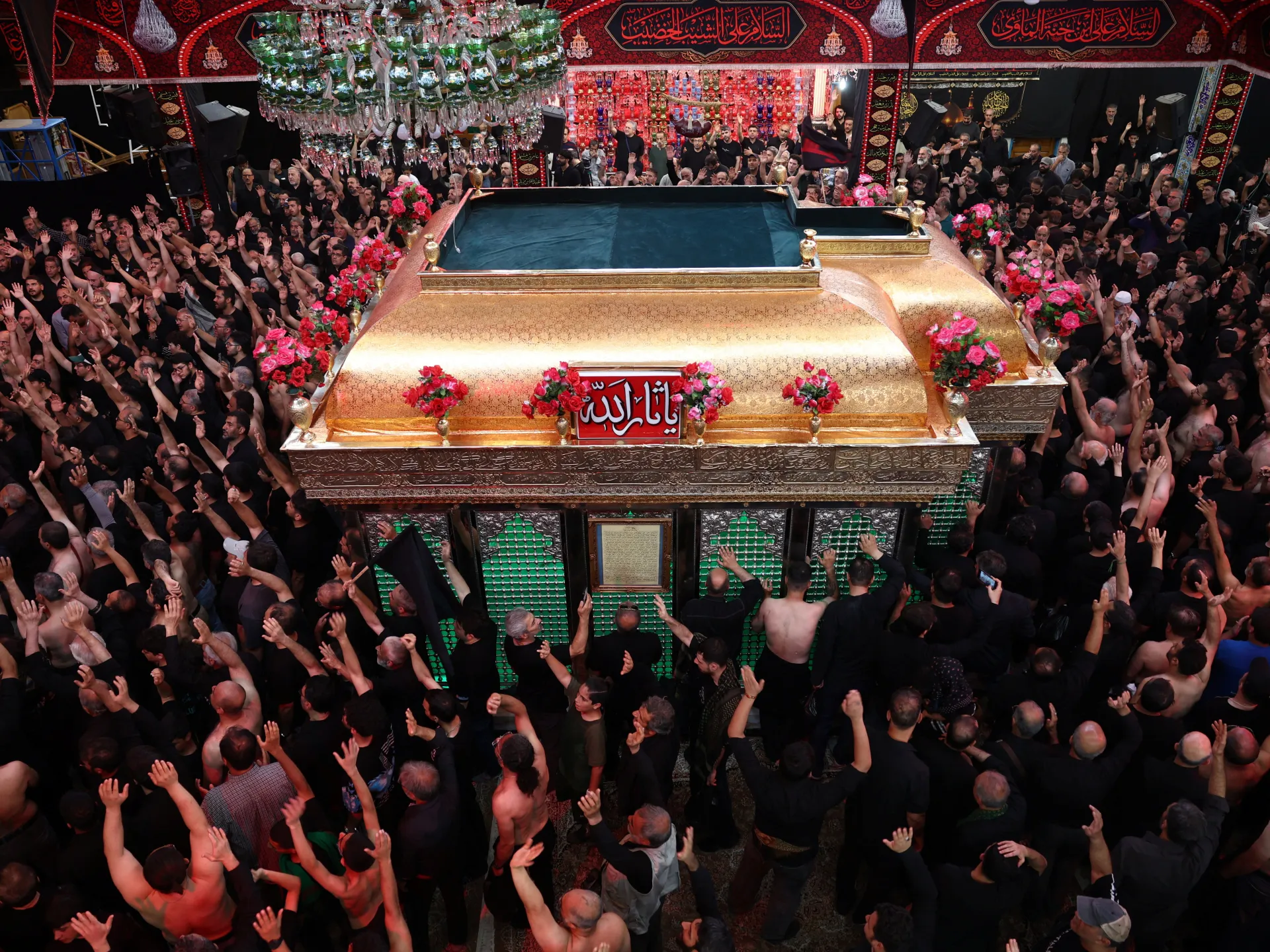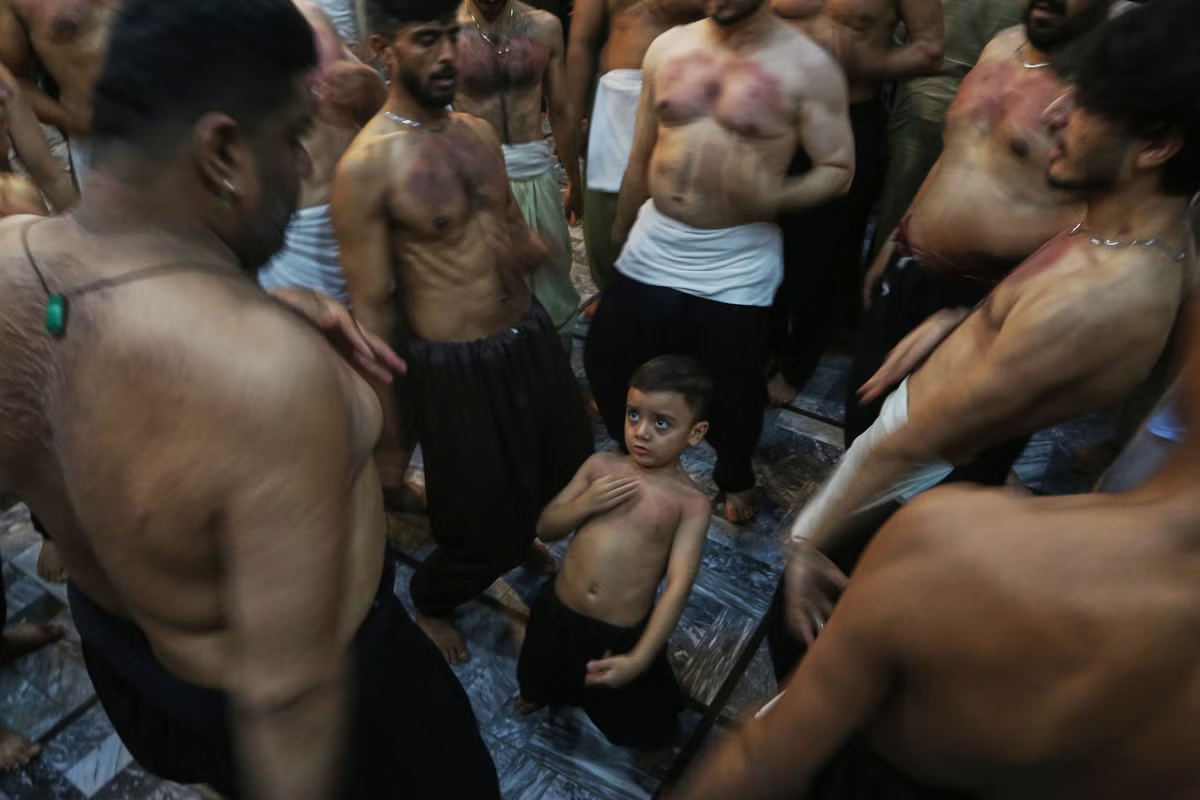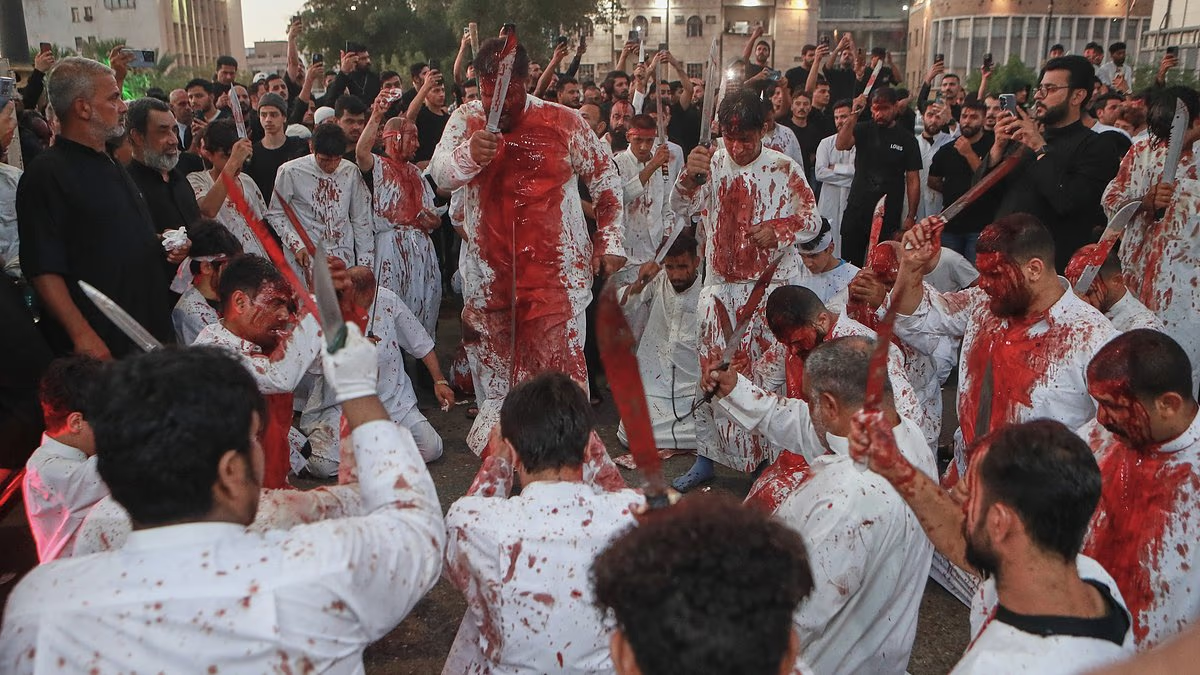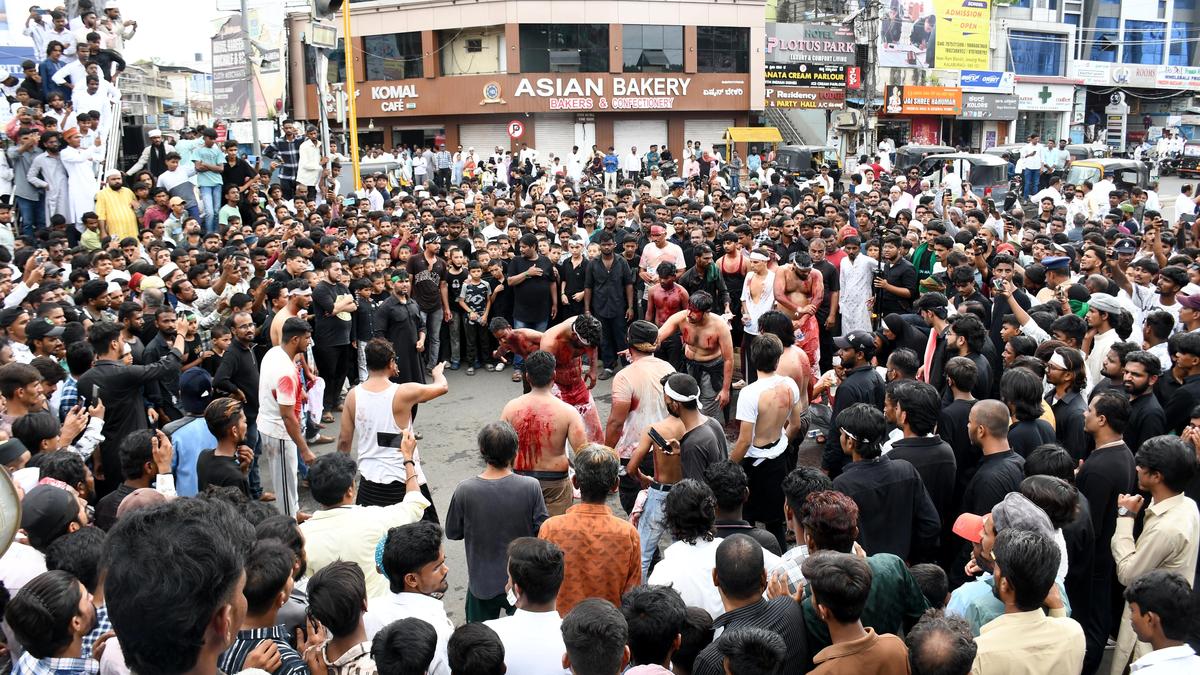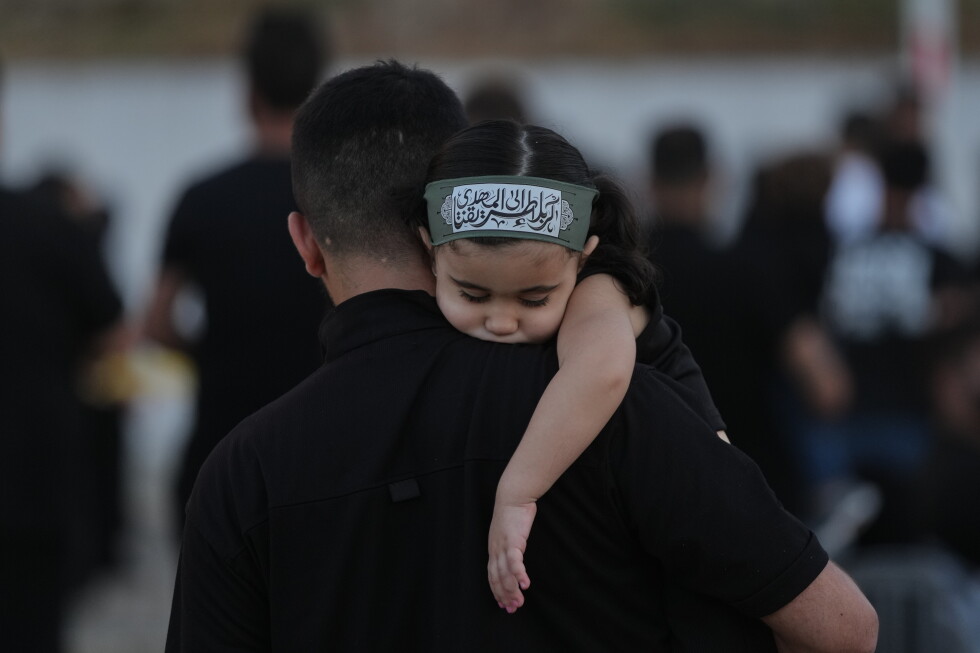
Shiite Muslims have been observing a solemn period of communal mourning leading to the day of Ashoura, which marks the seventh century killing of Hussein, a revered leader and a grandson of Prophet Muhammad. Annual day of Ashoura commemorations are observed on the 10th day of the month of Muharram in the lunar-based Islamic calendar. In Shiite communities, Ashoura is viewed as a symbol of struggle against injustice and tyranny.This year, Muharram and Ashoura follow the war in Iran, where the population is overwhelmingly Shiite, and an interim deal to end it. In Lebanon, many Shiites have been marking Muharram after the devastation inflicted during the war between Israel and the Lebanese militant group Hezbollah.“The gathering every year and the reaffirming of collective memory and collective grief allows every year for the story and the message to adapt to its current context,” said Noor Zehra Zaidi, an assistant professor of history at the University of Maryland, Baltimore County who focuses on Shiite Islam.
A period of mourning, remembrance and deep resonanceShiite Ashoura commemorations mark the death of Imam Hussein, who was killed in the Battle of Karbala, in present-day Iraq. He fought against the army of then Caliph Yazid, to whom Hussein had refused to pledge allegiance.Hussein’s killing is seen as having cemented the schism between Sunnis and Shiites, which stems from the early days of Islam and arguments over Muhammad’s successors as caliph, or leader. The Shiites wanted the caliphate to descend through Ali, Muhammad’s cousin and son-in-law and Hussein’s father. To Shiites, who make up the second-largest branch of Islam after the Sunni majority, the killing holds deep religious and historical resonance and plays a key role in shaping identity.