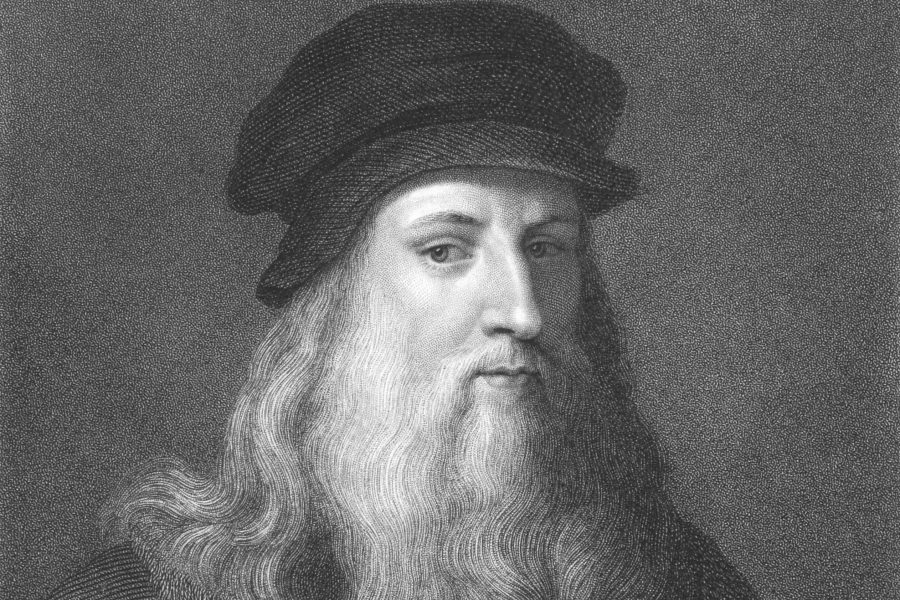
No historical figure better fits the definition of “Renaissance man” than Leonardo da Vinci, but that term has become so overused as to become misleading. We use it to express mild surprise that one person could use both their left and right hemispheres equally well. But in Leonardo’s day, people did not think of themselves as having two brains, and the worlds of art and science were not so far apart as they are now.
That Leonardo was able to combine fine arts and fine engineering may not have been overly surprising to his contemporaries, though he was an extraordinarily brilliant example of the phenomenon. The more we learn about him, the more we see how closely related the two pursuits were in his mind.
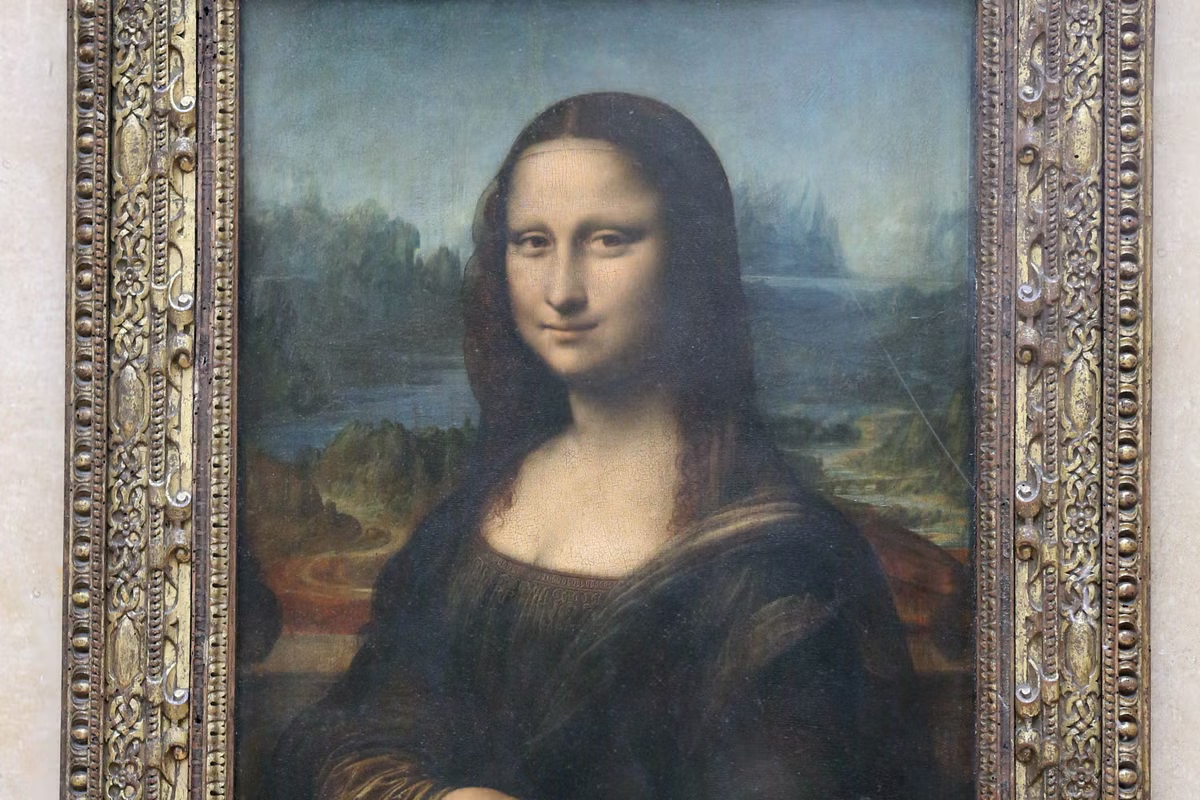
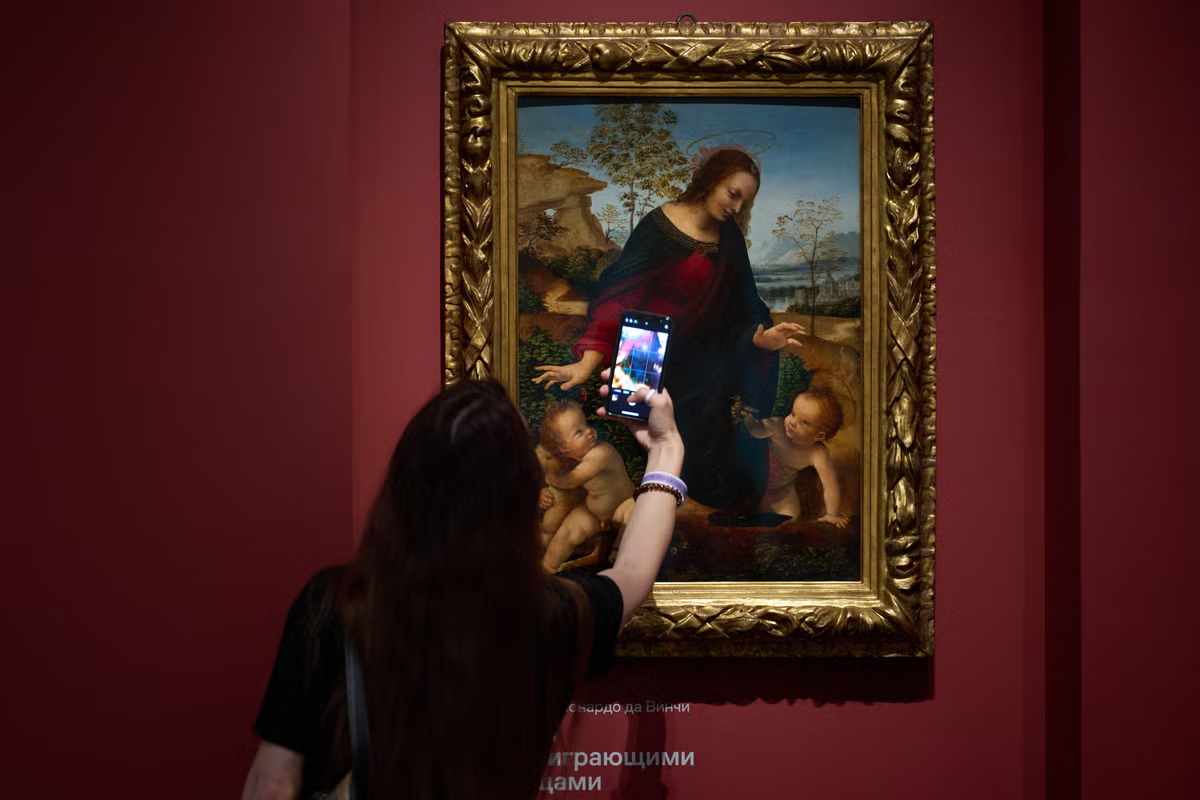
He approached everything he did as a technician. The uncanny effects he achieved in painting were the result, as in so much Renaissance art, of mathematical precision, careful study, and firsthand observation.
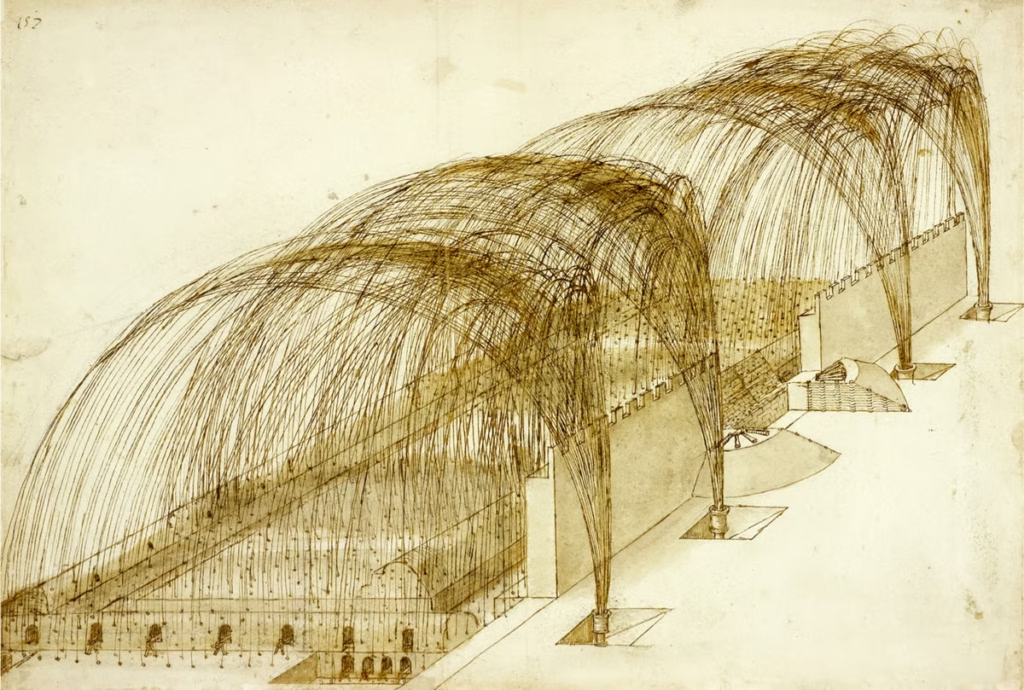
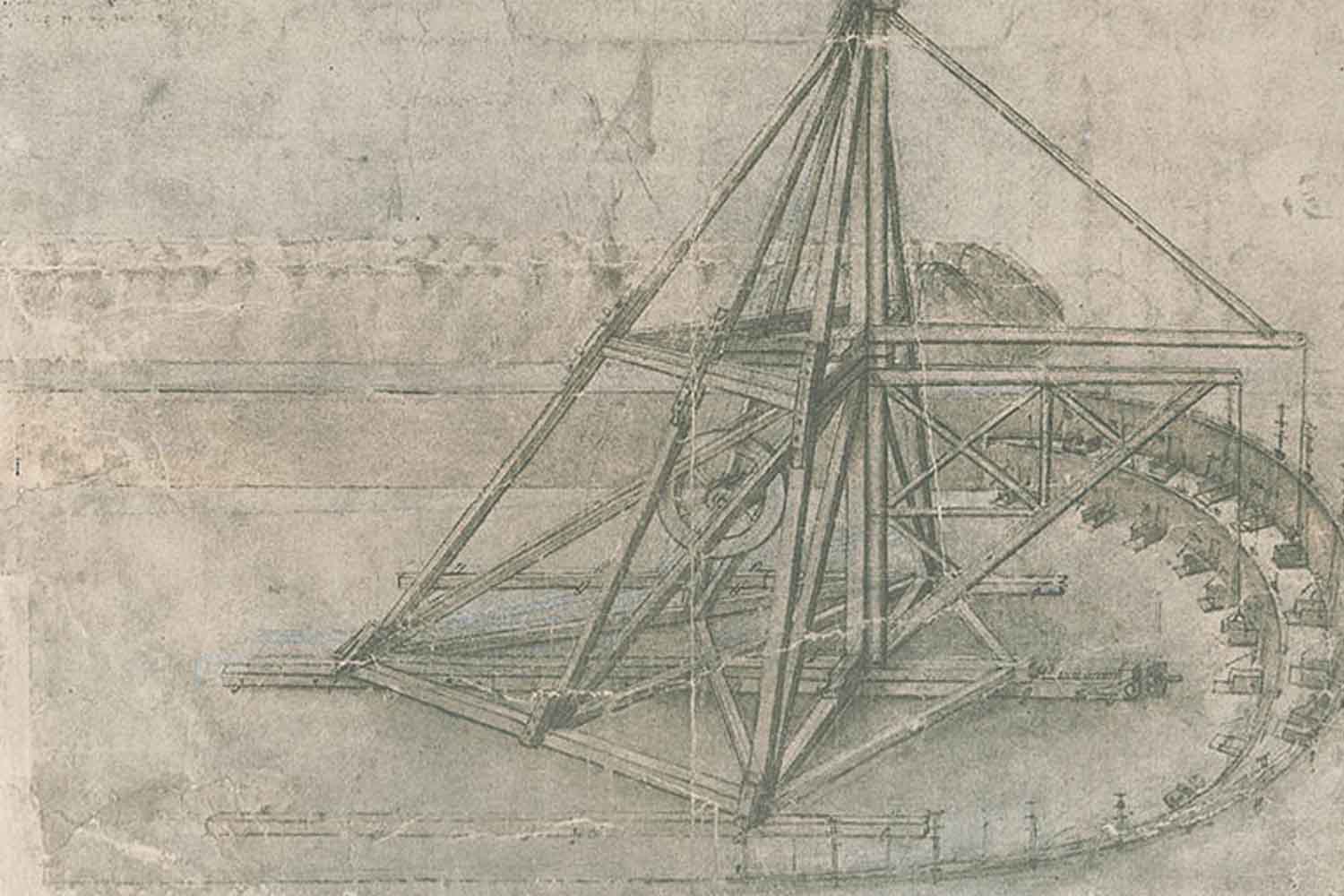
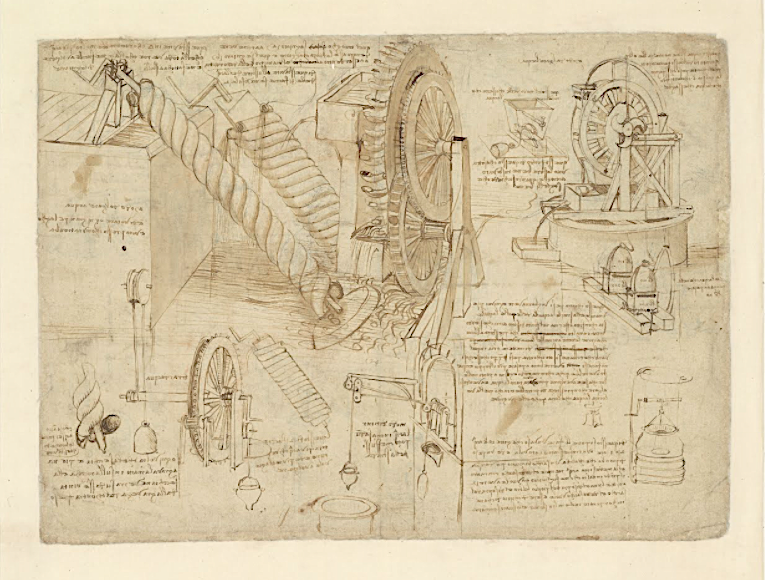
His artistic projects were also experiments. Some of them failed, as most experiments do, and some he abandoned, as he did so many scientific projects. No matter what, he never undertook anything, whether mechanical, anatomical, or artistic, without careful planning and design, as his copious notebooks testify. As more and more of those notebooks have become available online, both Renaissance scholars and laypeople alike have learned considerably more about how Leonardo’s mind worked.