in Art, History, Science | June 24th, 2026 Leave a Comment
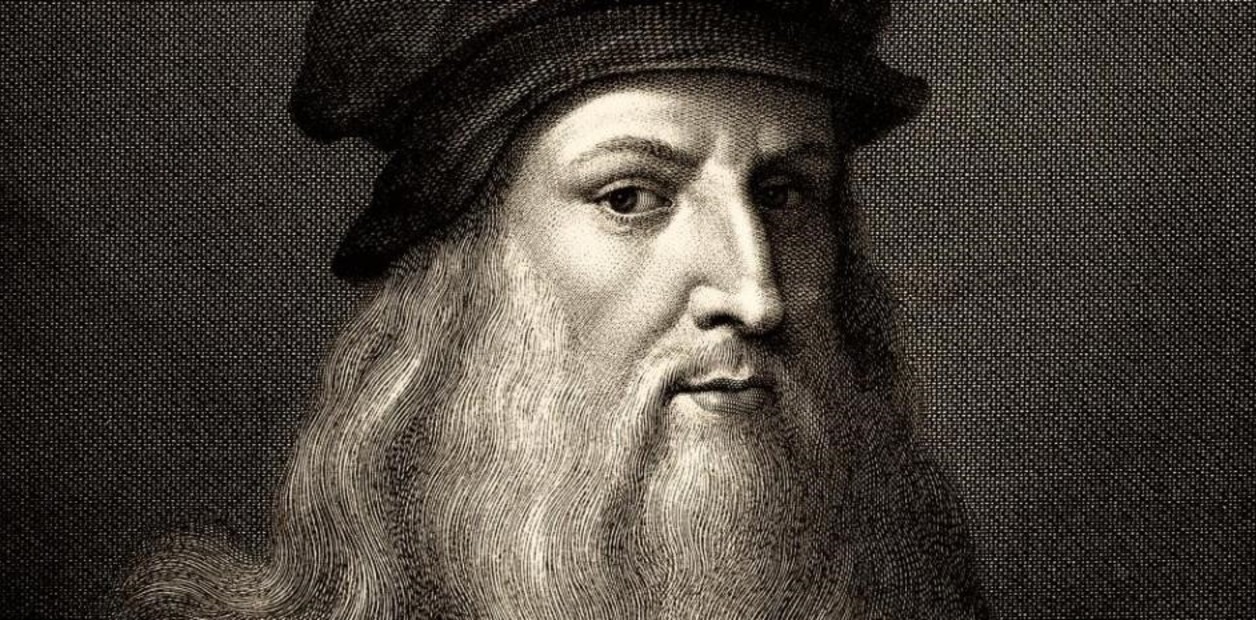
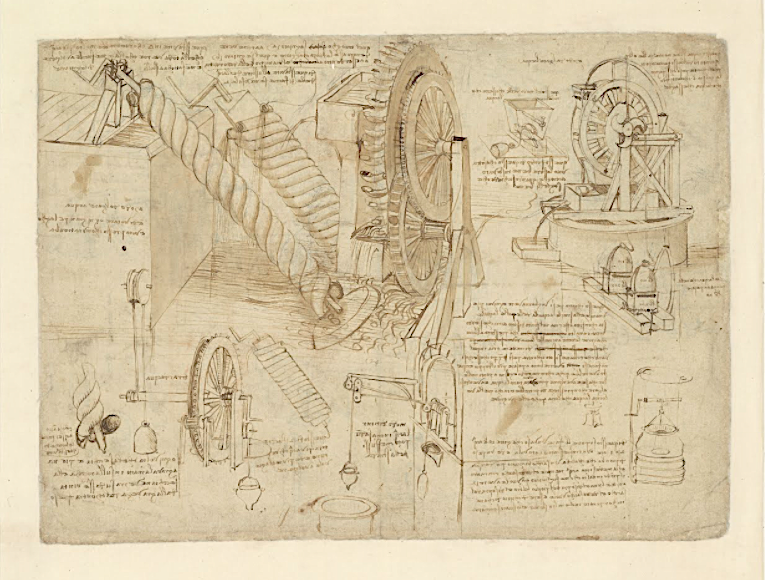
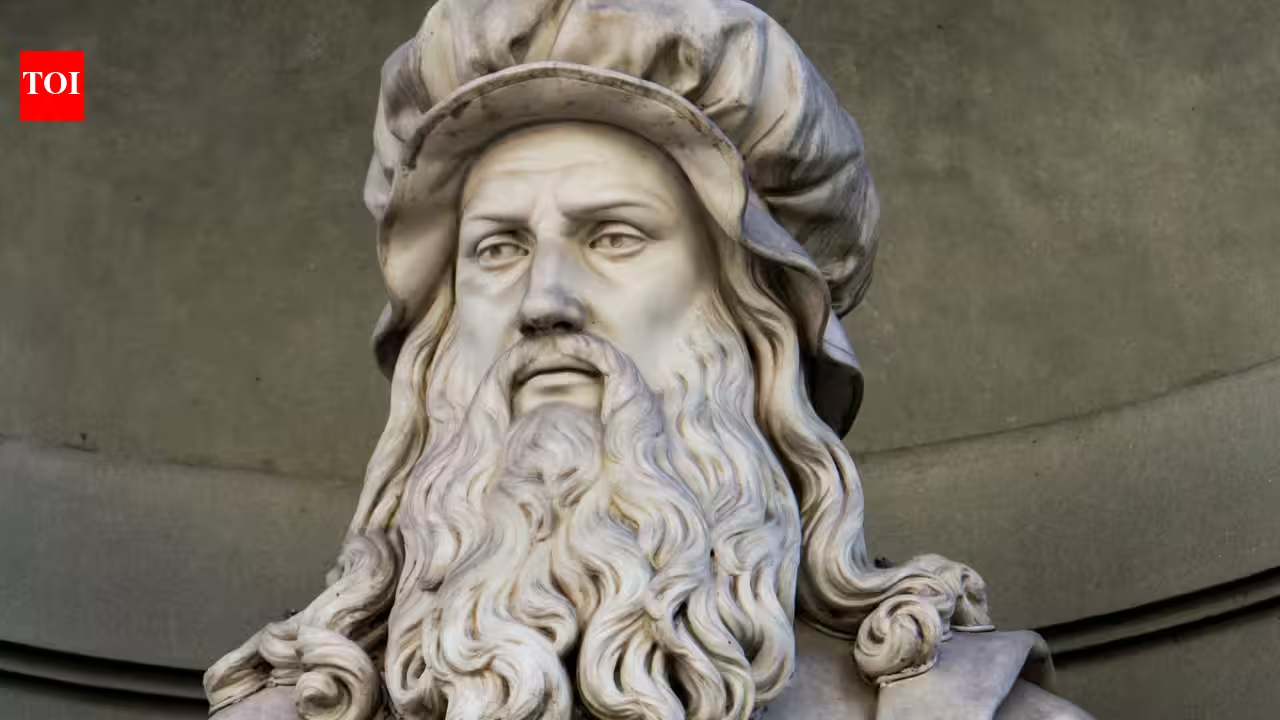
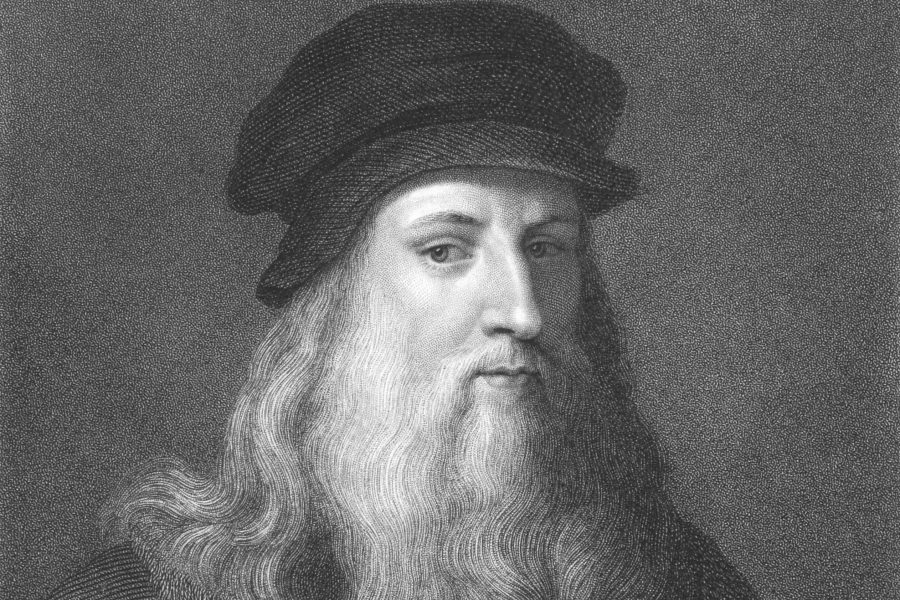
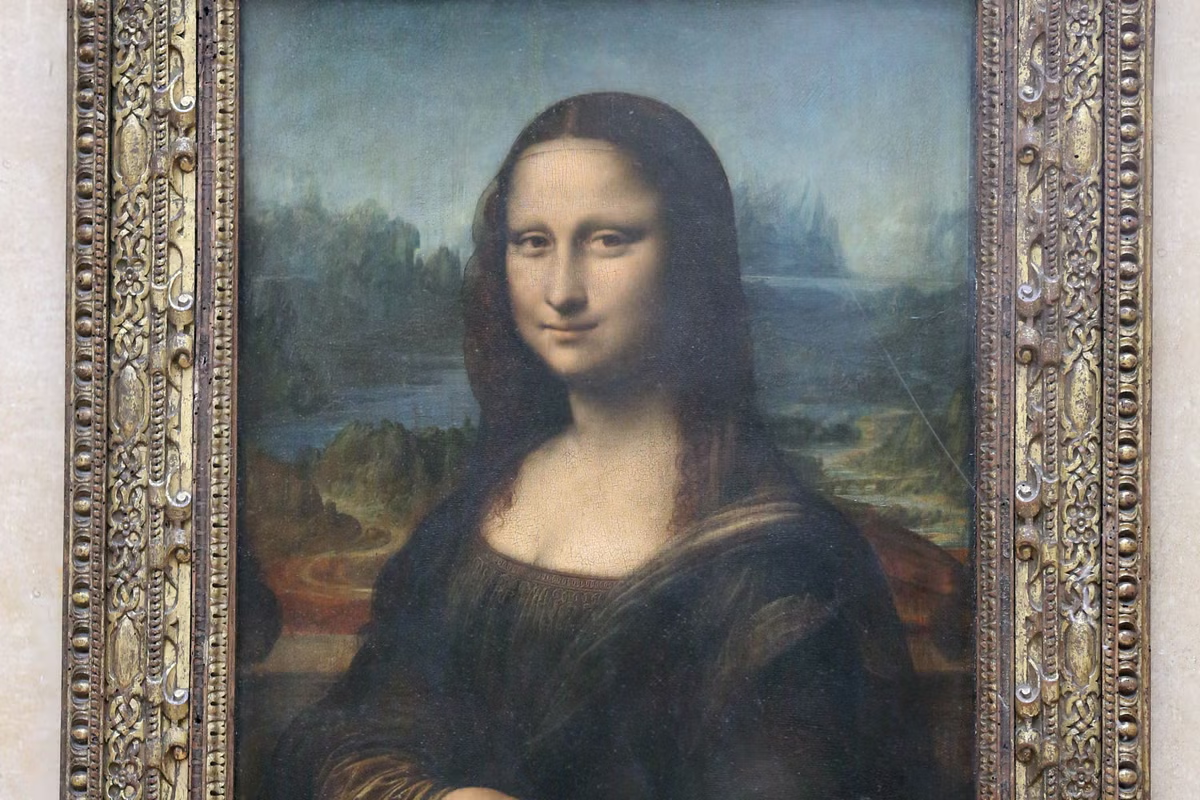
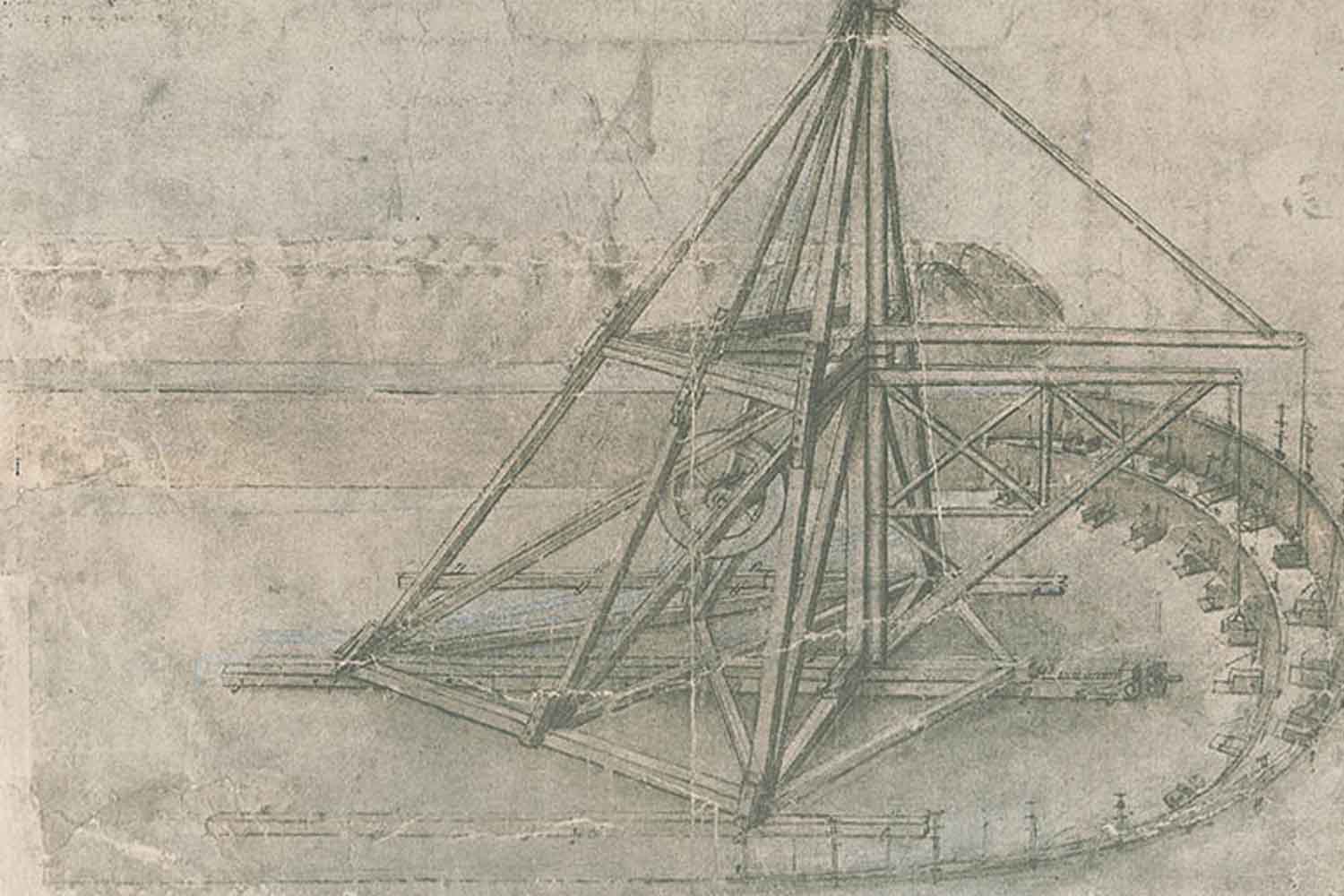
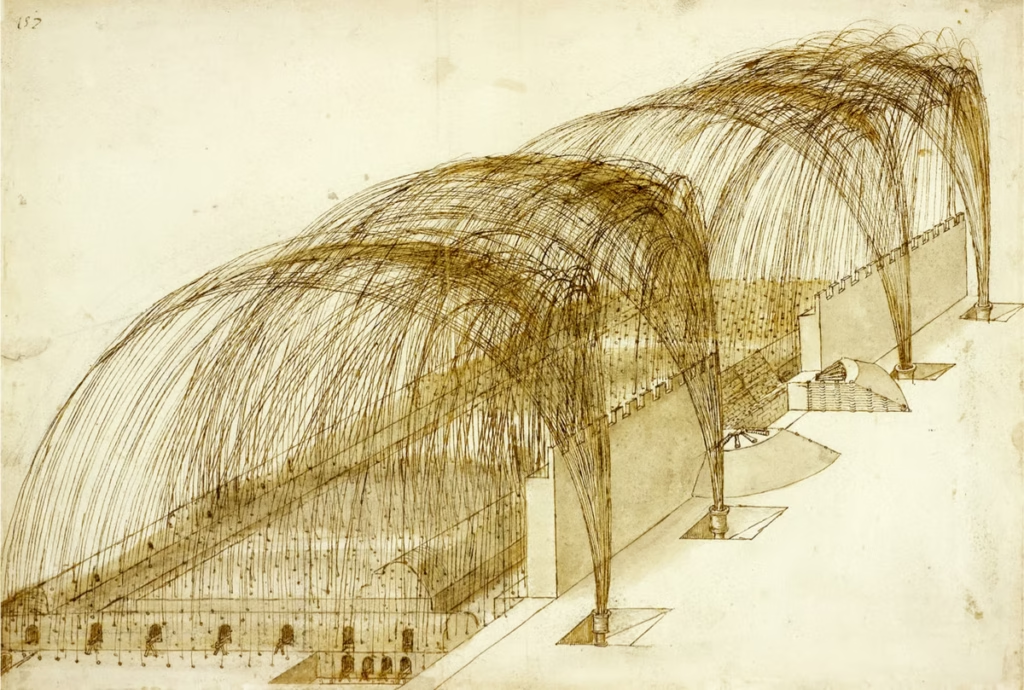
Leonardo da Vinci was a painter, draughtsman, engineer, scientist, theorist, sculptor, and architect, to provide only his most widely agreed-upon list of occupations. It is he, more than any other single figure, who comes to mind when we think of the ideal of the “Renaissance man.” Though considered rather less practical today than it was in fifteenth-century Italy, the relentless questing for both scientific knowledge and artistic perfection implied by that title has never entirely ceased to appeal. For aspiring modern Renaissance men, one of the most enduring sources of inspiration remains Leonardo’s own notebooks, full of backwards-written explorations of ideas both realized and unrealized that move unpredictably from one intellectual domain to another.
That last quality seems to have displeased the sculptor Pompeo Leoni, who eventually came into possession of Leonardo’s notebooks after they were inherited by his last student Francesco Melzi. Leoni “dismounted and cut the folios, separating the materials into two albums according
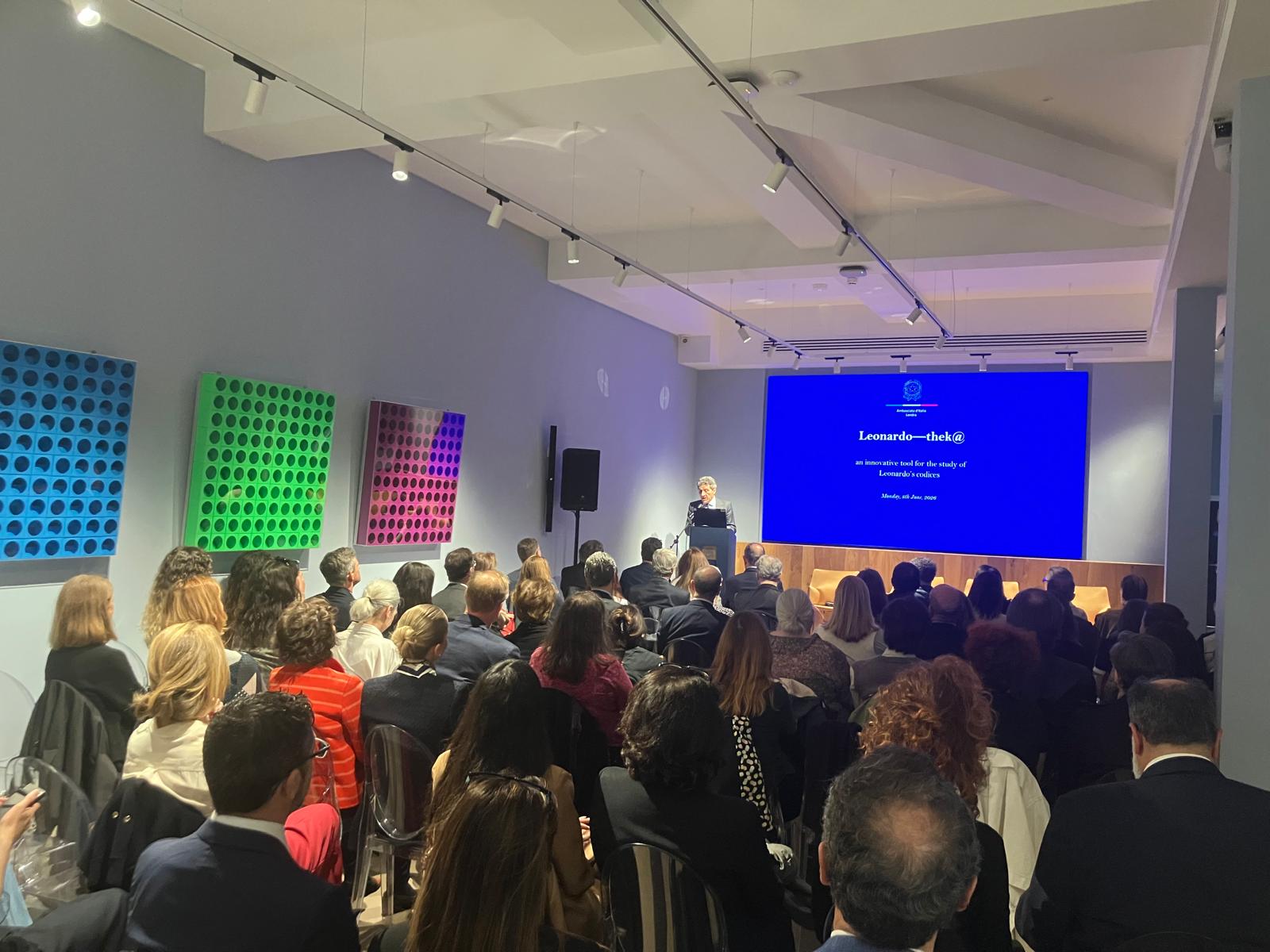
to his own judgement,” notes the Italian Embassy in London, “the larger portion for technical and scientific topics,” and the smaller for “Leonardo’s artistic and figurative workings.”