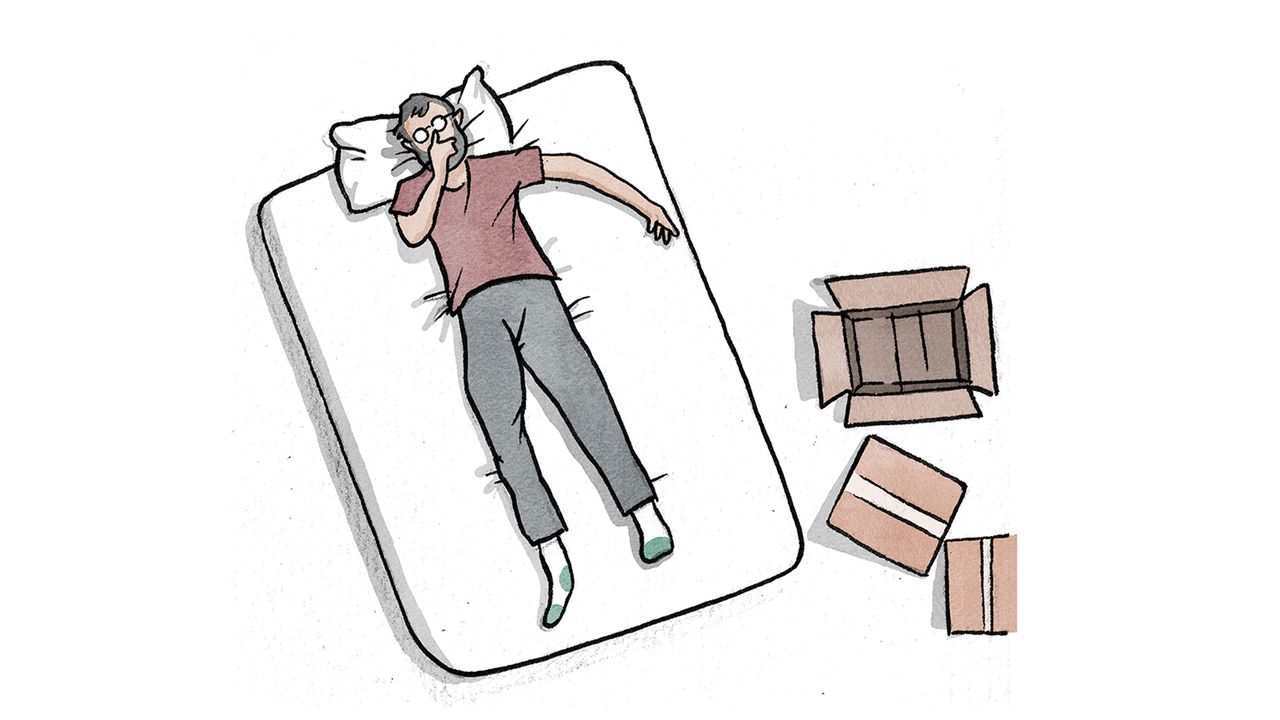
Caked calcium to be strip-mined from Dad’s bathtub and sink. Thick snowdrifts of dust to plow from his bedside tables. Looming towers of credit card statements and tax documents to audit and shred. The sheer filth and paperwork that awaited me.Article continues after advertisement
As I mounted the stairs to my recently deceased father’s room, without sleep still, sirens began to wail, drawing power from a battery I didn’t know I was carrying around with me. Don’t move a thing, it blared. Don’t throw anything away—not yet. It was my training kicking in, time spent in all those archives, and thousands of hours with students on how to navigate primary sources. Draw a map of the room the way it is right now.
Archivists and historians have a term for this: original order, or respect des fonds, in French, we call it, “the principle of maintaining records according to their origin.” This most fundamental of archival concepts enjoins us to keep primary sources in whatever arrangement the researcher first found them. In the case of a published book this is easy, of course, because the pages themselves are bound together. But what about loose things—unbound notes, letters, slips of paper, unsleeved photographs—that can easily be scattered about or reshuffled? The very act of moving such items around, the dictum of original order tells us, can do irreversible damage to the interpretability of the materials, even if the items themselves remain undamaged.