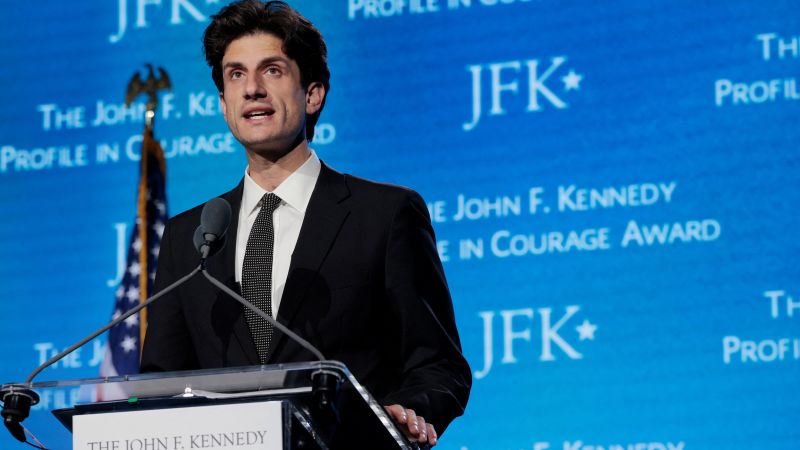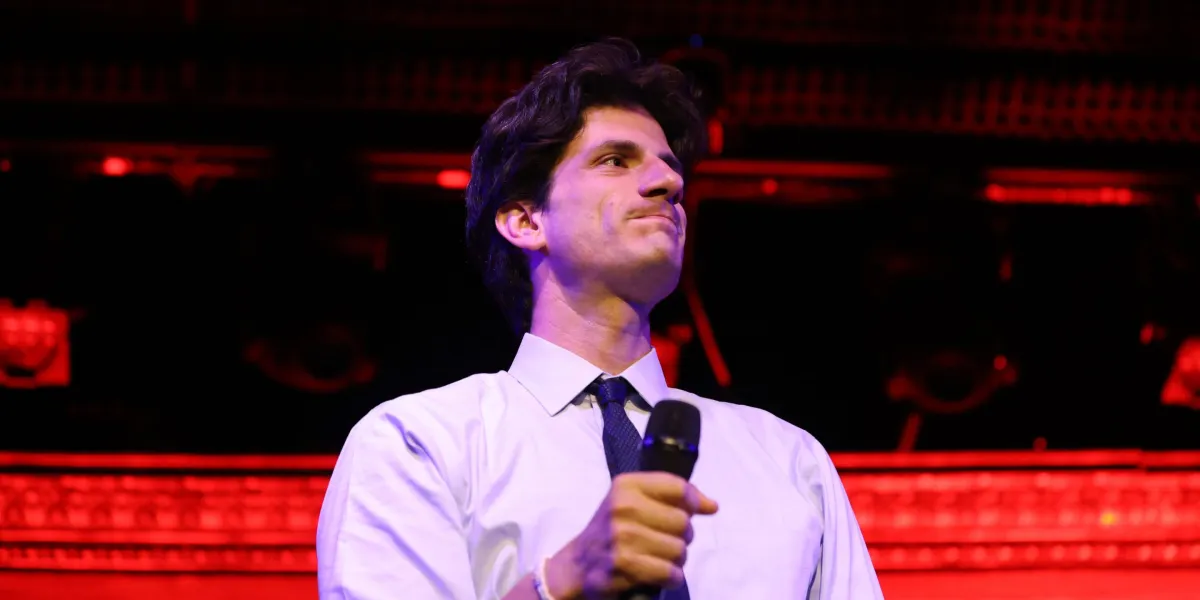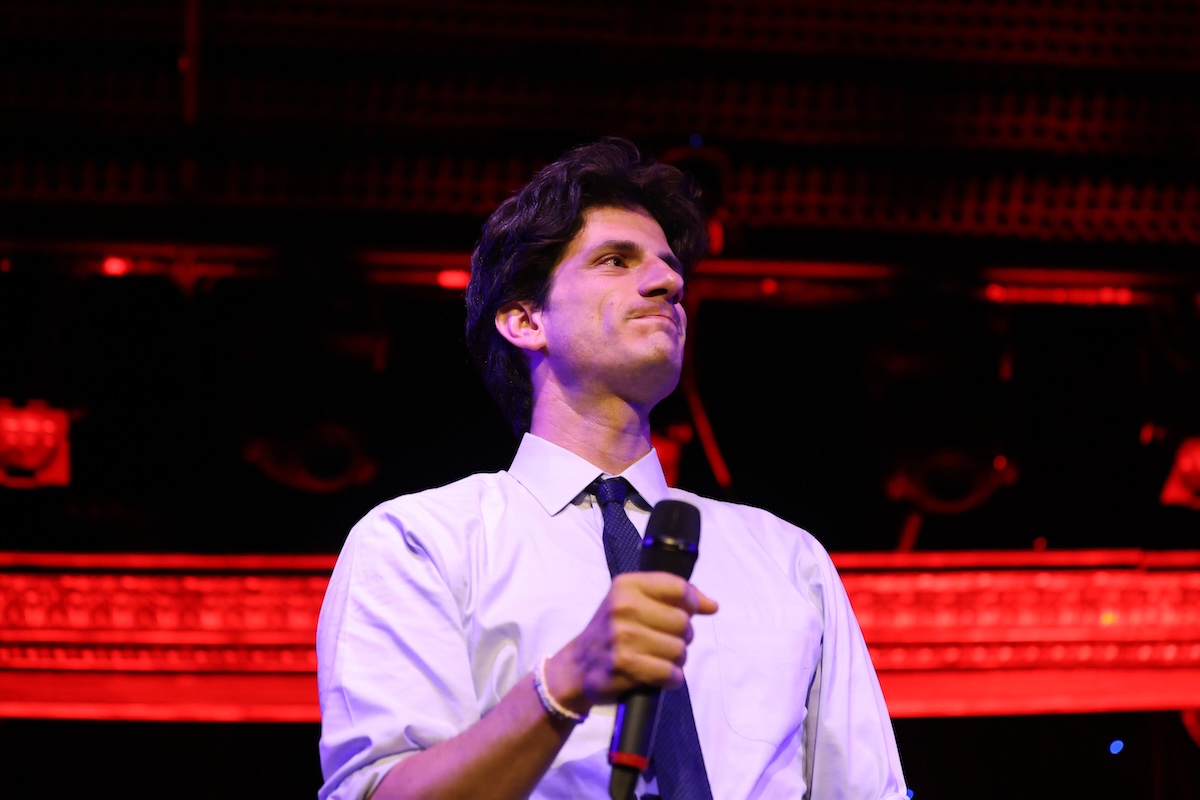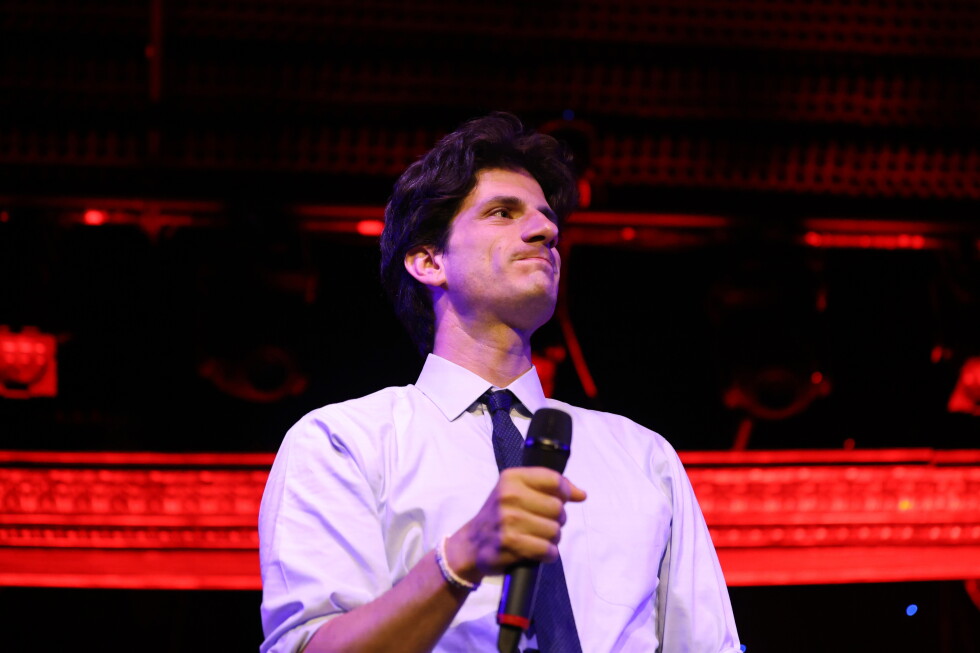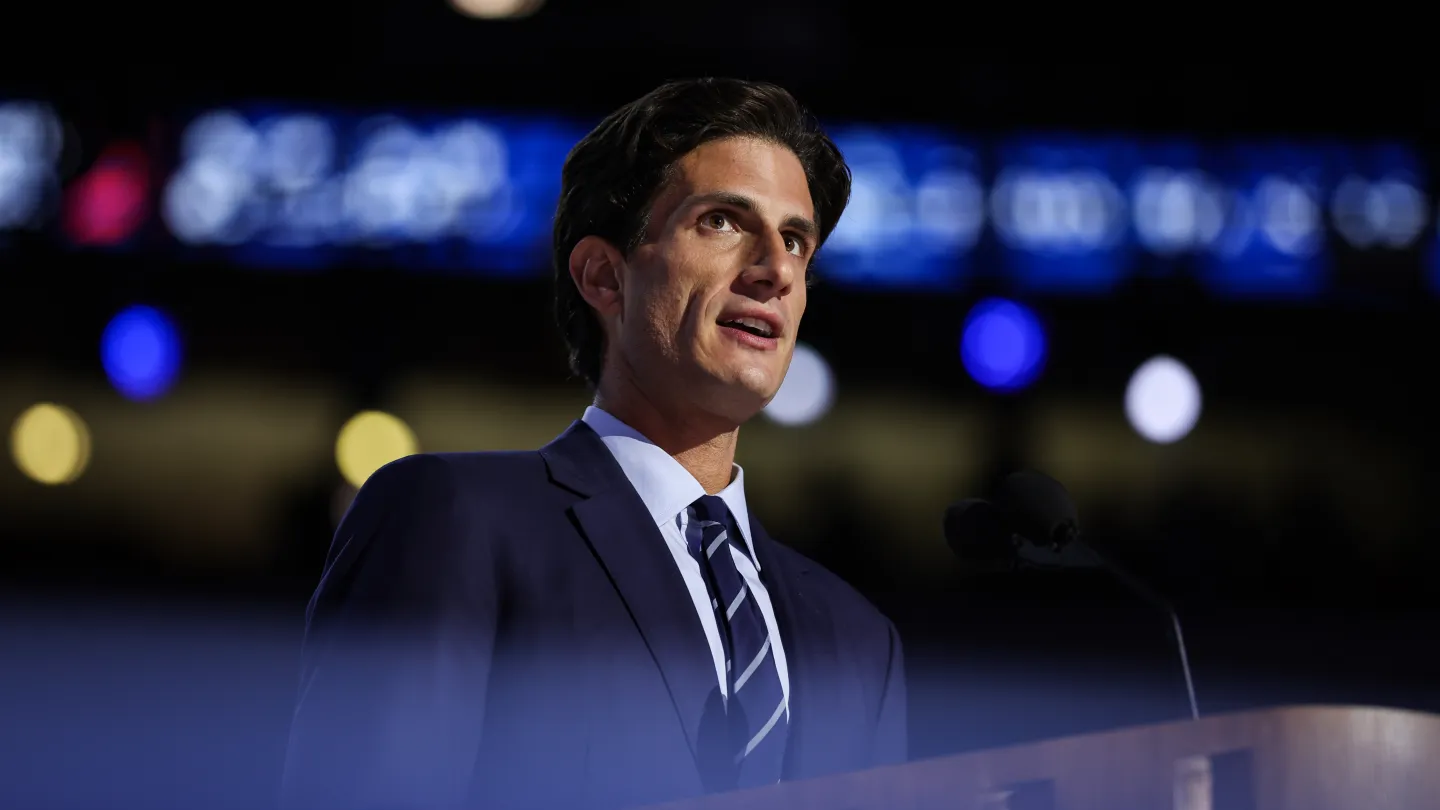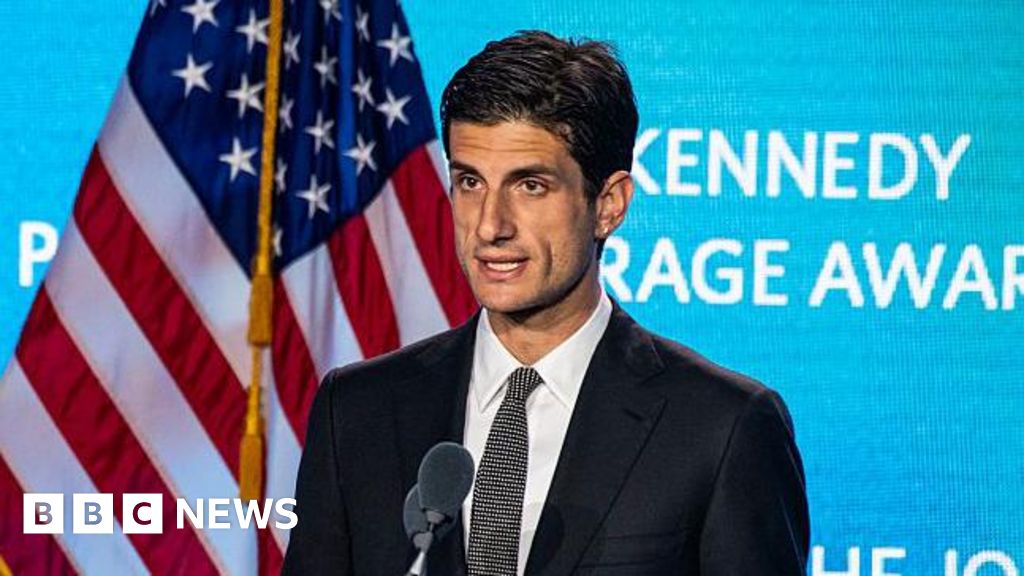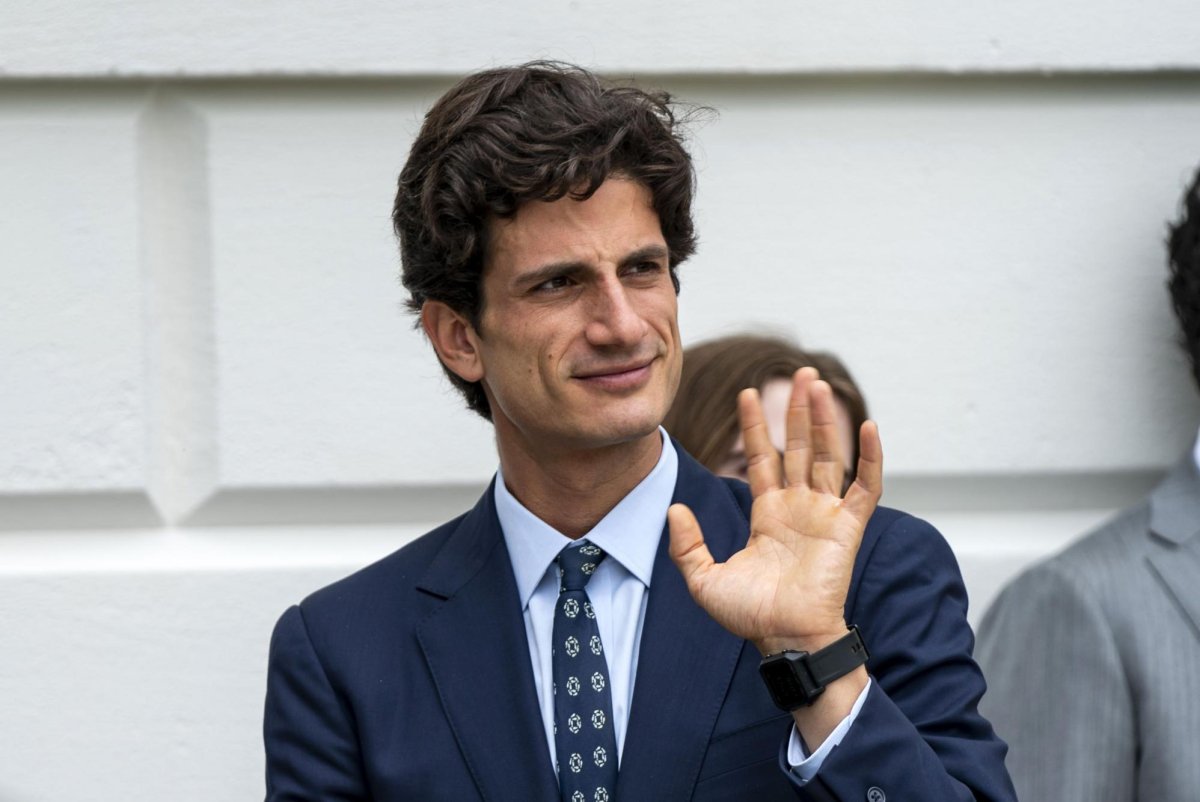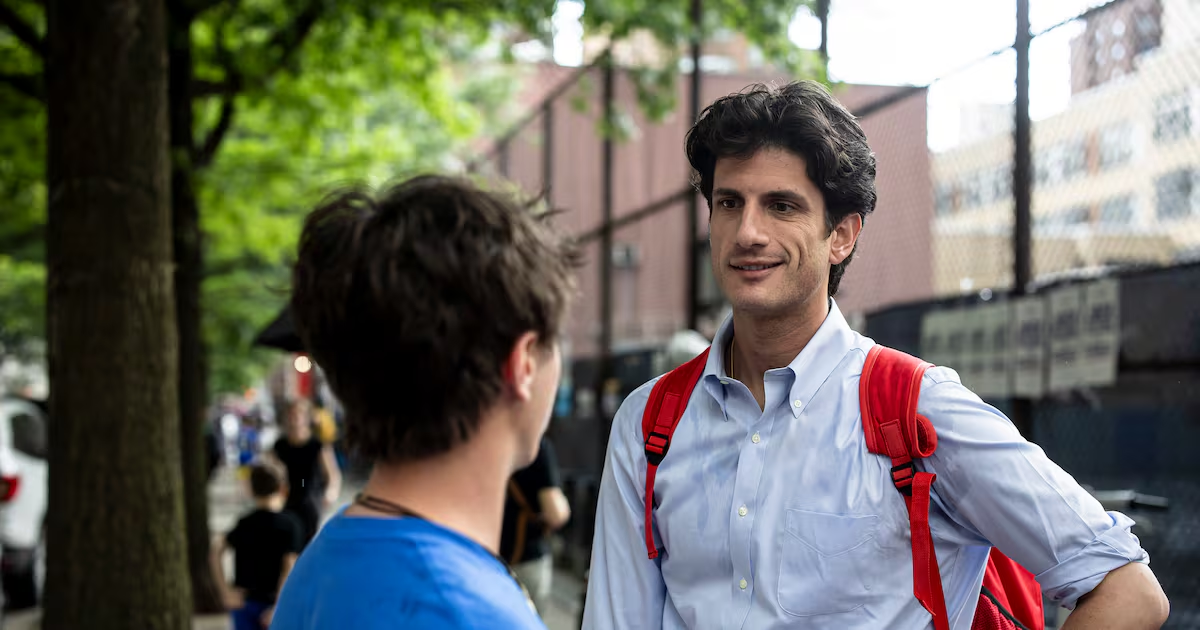
For a first-time candidate, Jack Schlossberg seemingly had it all.He was the scion of the Kennedy family, once the US’s most famous political brand. He was young and handsome, much like his grandfather John Fitzgerald Kennedy, the progenitor of Camelot.He was well connected, earning endorsements from Democratic royalty including former house speaker Nancy Pelosi, and old-money rich, able to pour his own fortune into a campaign he said was, in part, about the evils of money in politics.And in an age in which Democrats have often played catch-up with Republicans online, Schlossberg had a vibrant social media presence, presenting an oddball and decidedly opinionated persona that drew attention whenever he posted.When early polls showed him in front of a crowded field of candidates in New York City’s 12th congressional district, it seemed the race was Schlossberg’s to lose.As it turned out, he lost it.Schlossberg (33) failed in his bid on Tuesday, falling well short in a Democratic primary in one of the nation’s most liberal districts now held by Jerrold Nadler, the veteran Democrat, who is retiring. Once considered a favourite, he was likely to finish a distant third in an expensive primary, behind Micah Lasher, a state assembly member who had been endorsed by Nadler, and Alex Bores, another assembly member whose campaign drew a deluge of outside spending over the issue of artificial intelligence.[ JFK’s grandson shakes up Democratic primary in New YorkOpens in new window ]It’s an open question whether Schlossberg’s defeat marks the demise of a decades-long political dynasty or simply a setback for a family for whom tragedy and accomplishment have been meted out in equal measures. But the rejection of Schlossberg, the only grandson of the former president, is undoubtedly a rebuke of the most influential line of the Kennedy family tree.For some observers, the time was simply not right for another Kennedy to be anointed, particularly one like Schlossberg, whose quirky online presence seemingly gave birth to a chaotic campaign, plagued by staff turnover, missed meetings and a rotating set of advisers.“He was seen as somebody who was very entertaining,” said Hank Sheinkopf, a long-time Democratic political consultant, “but not necessarily serious”.Campaign signage for Jack Schlossberg. Photograph: Michael Nagle/Bloomberg via Getty Images Shortly after polls closed, Schlossberg addressed his supporters, saying it had “been the honour of my life to work with this group of people”. He added: “If we win tonight, or if we don’t, we’re still in the midst of a corruption crisis.” He did not concede.Schlossberg’s electoral defeat also comes as the Kennedy family has also grappled with the defection of Robert F Kennedy Jr, Schlossberg’s uncle, to a Republican administration, serving as health secretary under US president Donald Trump.Known for his opposition to vaccines and other elements of modern medicine, Kennedy has become an ardent supporter of the president, appearing alongside Trump at events like an Ultimate Fighting Championship cage match at the White House last week.Several family members have spoken out about Kennedy, including Schlossberg and his sister, Tatiana Schlossberg, who wrote an acclaimed and agonised New Yorker essay late last year about her battle with terminal cancer, criticising her uncle for cutting “nearly half a billion dollars for research” on possible life-saving vaccines while she fought the disease.Tatiana Schlossberg’s death in December, at just 35, came just weeks after the start of her brother’s campaign. In a statement to The New York Times in May, Paige Phillips, his campaign manager, said that Jack Schlossberg had been running for office “amid a deeply, deeply personal tragedy”.It is not, of course, the only loss to befall the family: John F Kennedy was assassinated in 1963, and his brother Robert F Kennedy’s own presidential campaign was ended by another assassin’s bullet in 1968.The family’s calamities, long a staple of tabloids and other publications, recently attracted new attention in the drama Love Story, which told the story of the romance between John F Kennedy Jr and Carolyn Bessette, who died in a plane crash in 1999.[ Zohran Mamdani-backed candidates sweep Democratic primaries in New York CityOpens in new window ]Chris Coffey, a Democratic consultant, said that he felt bad for Schlossberg, likening his campaign to Andrew Yang’s unsuccessful mayoral bid in 2021, which Coffey managed. Schlossberg, who has never held elective office, seemed unsubstantial, he said.“He just looked erratic,” Coffey said. “Jack didn’t have a message other than: ‘It’s time to shake up politics.’”Coffey added that his campaign had picked up some important endorsements, including Pelosi’s, but he struggled to articulate a clear position on Israel’s military actions in the Middle East, an issue that has divided Democrats, as well as those on the right.Jack Schlossberg speaks to members of the New York State Nurses Association before joining the picket line in support of nurses last January. Photograph: Edna Leshowitz/Getty Images More than anything, however, Schlossberg – running as both an outsider and, conversely, a well-sourced insider – may have suffered from a lack of nuts-and-bolts ground game in a district that girdles the centre of Manhattan and includes some of the city’s most affluent neighbourhoods.“There was a lot of excitement and flash early, but when the dust settles, the folks who you would have expected to do well went to their coalitions and relied on their political experience,” Coffey said. “Jack didn’t have a base.”Those sentiments were echoed by state senator Liz Krueger, who lives in the district and said that “we didn’t see him on the streets very much.” She endorsed Bores.Krueger said people in New York’s 12th District would ask her for her thoughts on candidates because she’s long represented the district in Albany. “But no one ever even started a discussion with me about Jack,” she said, adding: “He did not break through.”She added that while Schlossberg’s social media presence might have attracted young supporters, it did not necessarily connect with the many older voters who populate the Upper West Side and Upper East Side, two large chunks of the district.The son of Caroline Kennedy and Edwin Schlossberg, Jack Schlossberg did have a New York story. He grew up on the Upper East Side, and lives in Chelsea. His political experience was scant, but he still was an intriguing candidate, albeit one who seemingly knew his limitations.“I’m not for everybody,” he told the Times last fall. “You know, my mom always said that. She said: ‘Jack, you’re a little different than the other guys.’ And she wasn’t wrong.”Schlossberg poured at least $1 million of his own into the campaign, and had tried to press his case in its closing weeks, including in a lengthy interview with The New Yorker, where his sister’s final essay had been published. Even here, though, his answer to why he was running for Congress seemed somewhat generic.“I’m running because I want to pass laws,” he told David Remnick, the magazine’s editor. “I want to pass laws that help the people in this district and in our country.”Sheinkopf said Schlossberg’s defeat might have something to do with the fading legacy and allure of the Kennedys.“He probably thought that social media, plus his Kennedy relationship, and being a grandson of a former president and having the imprimatur would be something that New Yorkers would pay attention to,” he said, noting that the assassination of president Kennedy, and effectively, the end of Camelot itself, had occurred more than 60 years ago.Still, he believes that Schlossberg’s career in politics is probably far from over.“He’s quite gregarious, and he’s pleasant and friendly,” he said. “That tells you that he’s got a future. But not a present.”This article originally appeared in The New York Times.
JFK grandson’s defeat dampens dream of a renewed Camelot
Jack Schlossberg fell well short of his bid to win a highly contested Democratic primary in Manhattan
1,267 words~6 min read