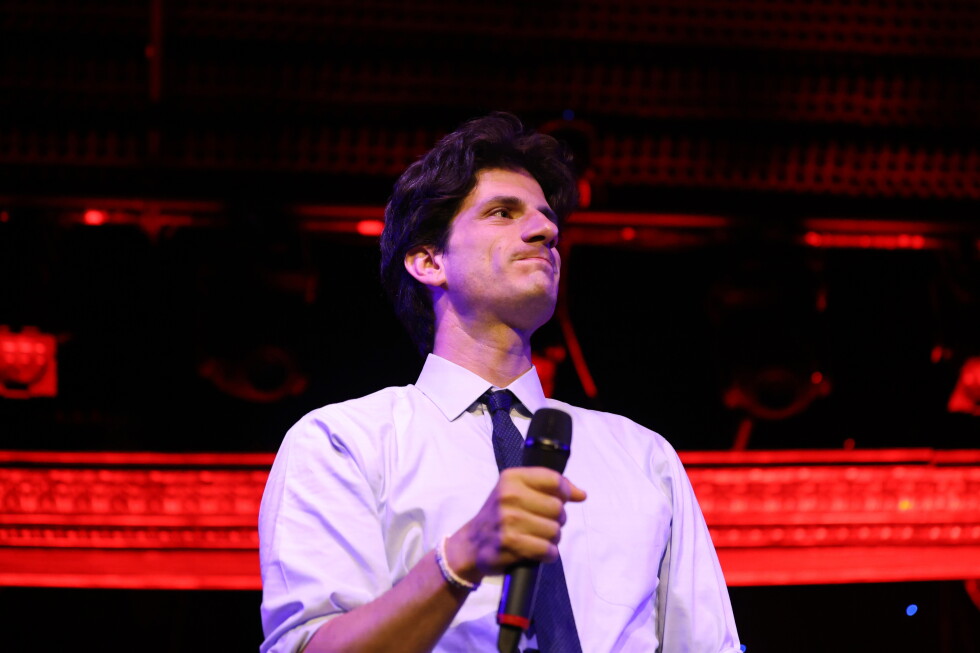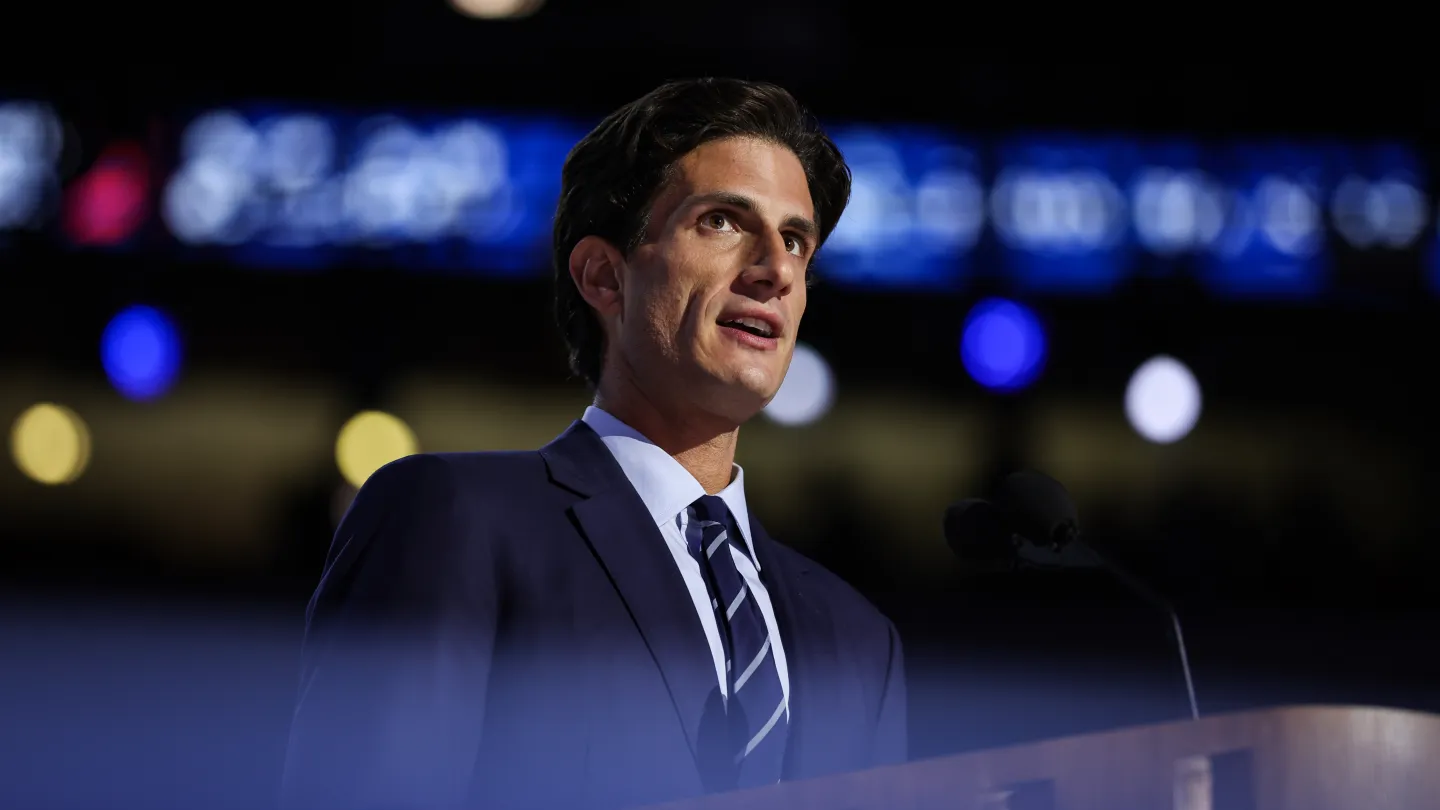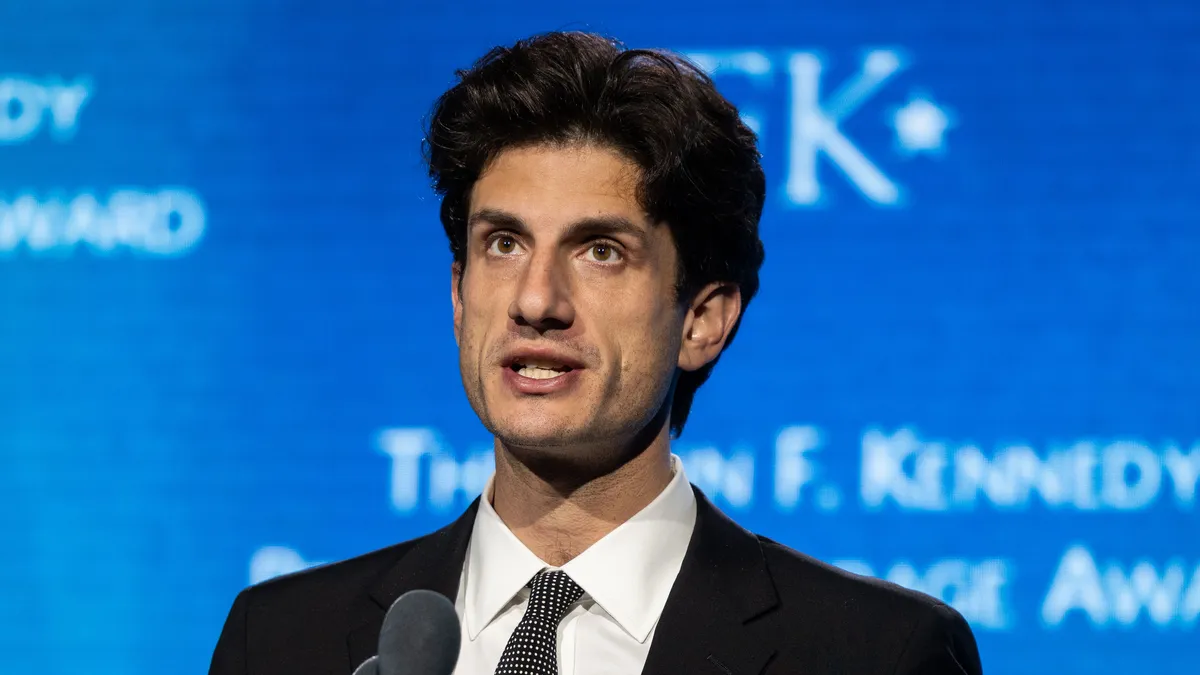
A new day has dawned in Democratic politics, with the Kennedy clan no longer conferring enough fame and fortune to overcome more experienced opponentsShow Caption
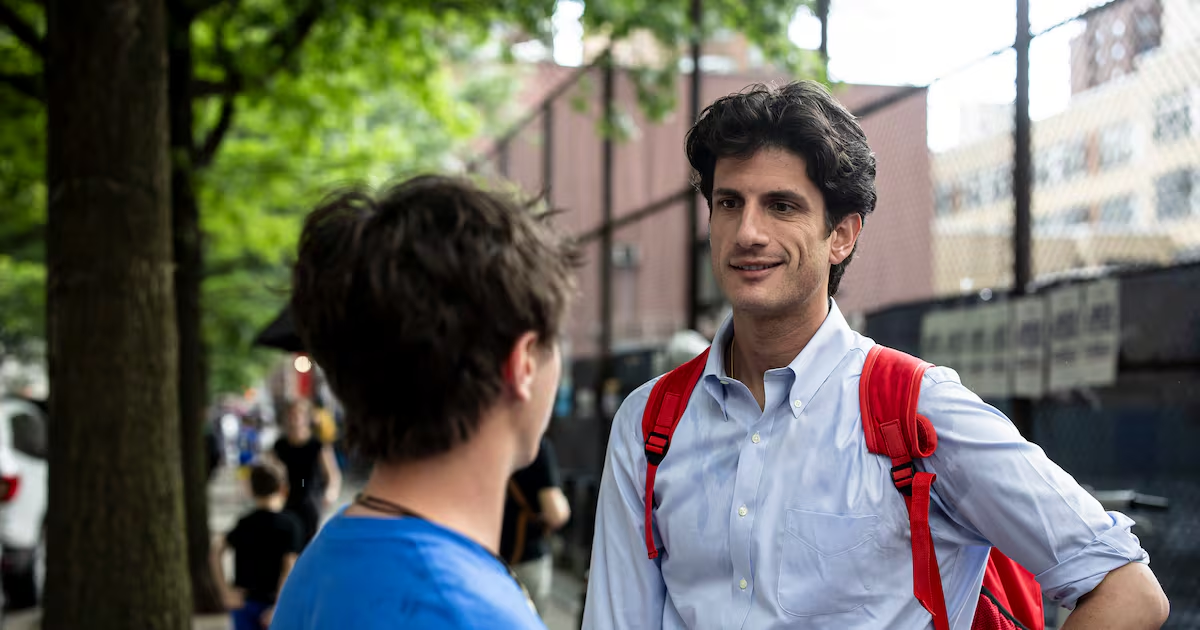
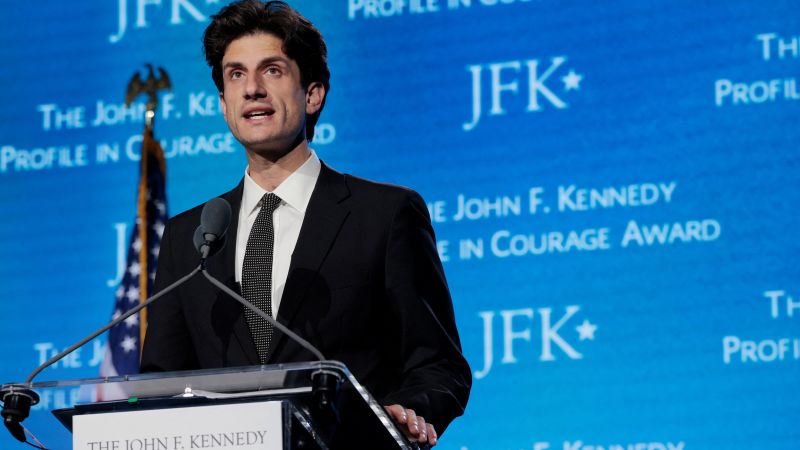
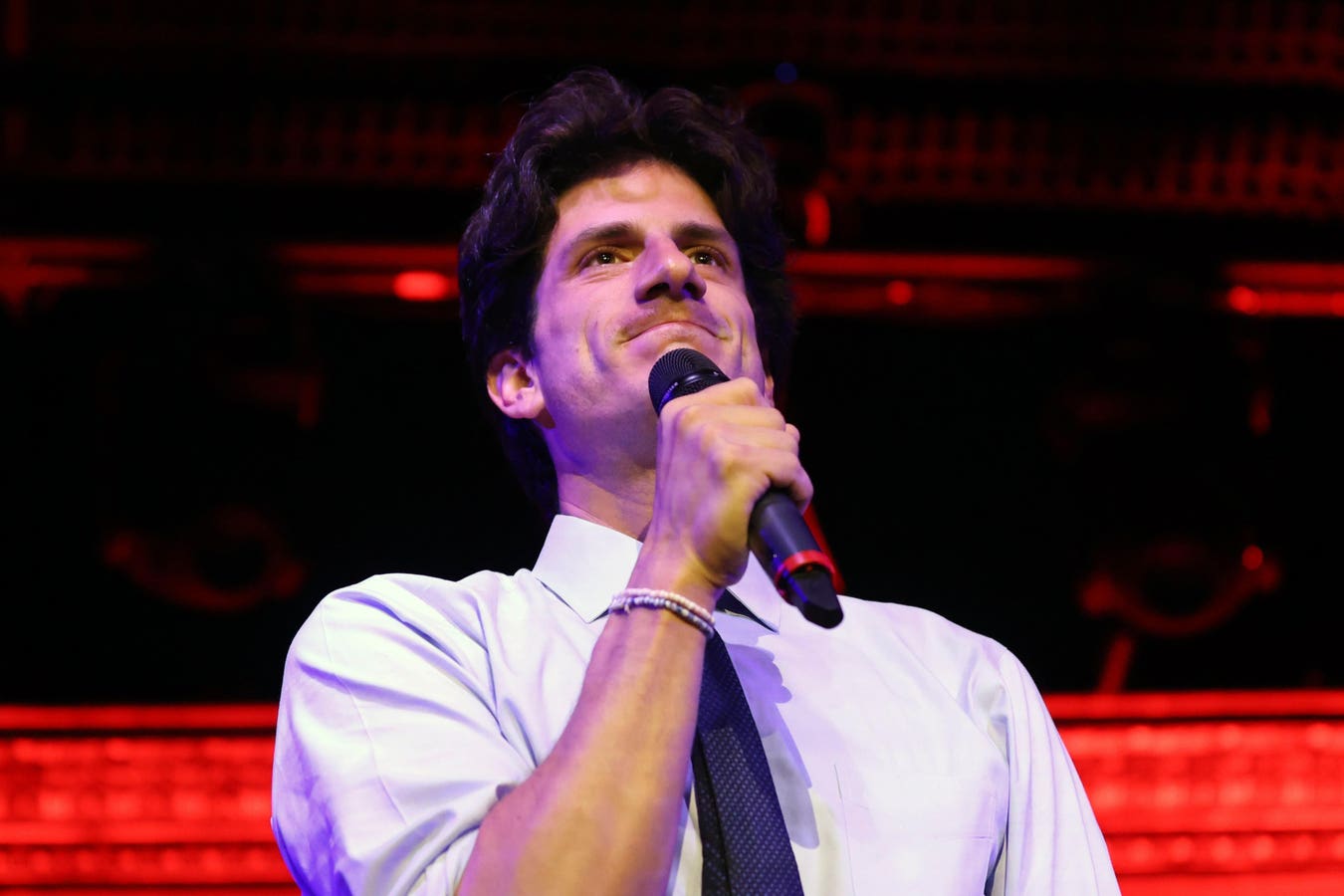
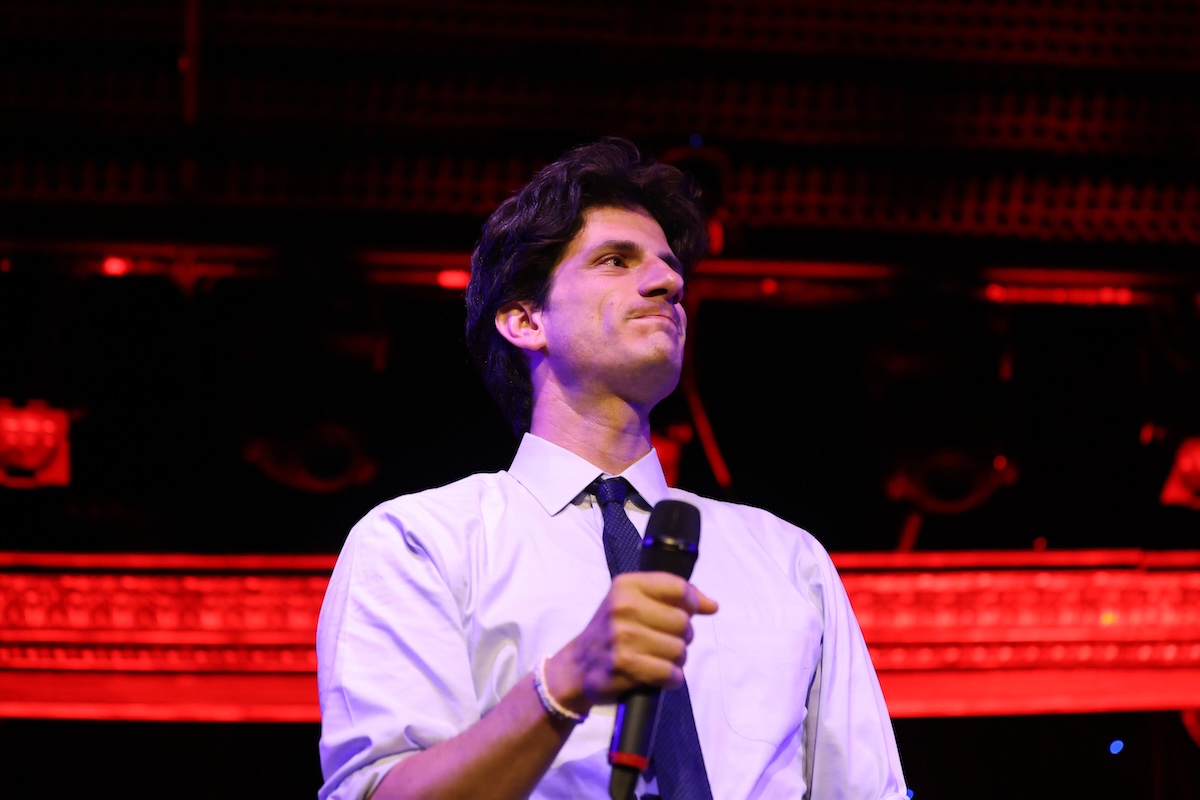
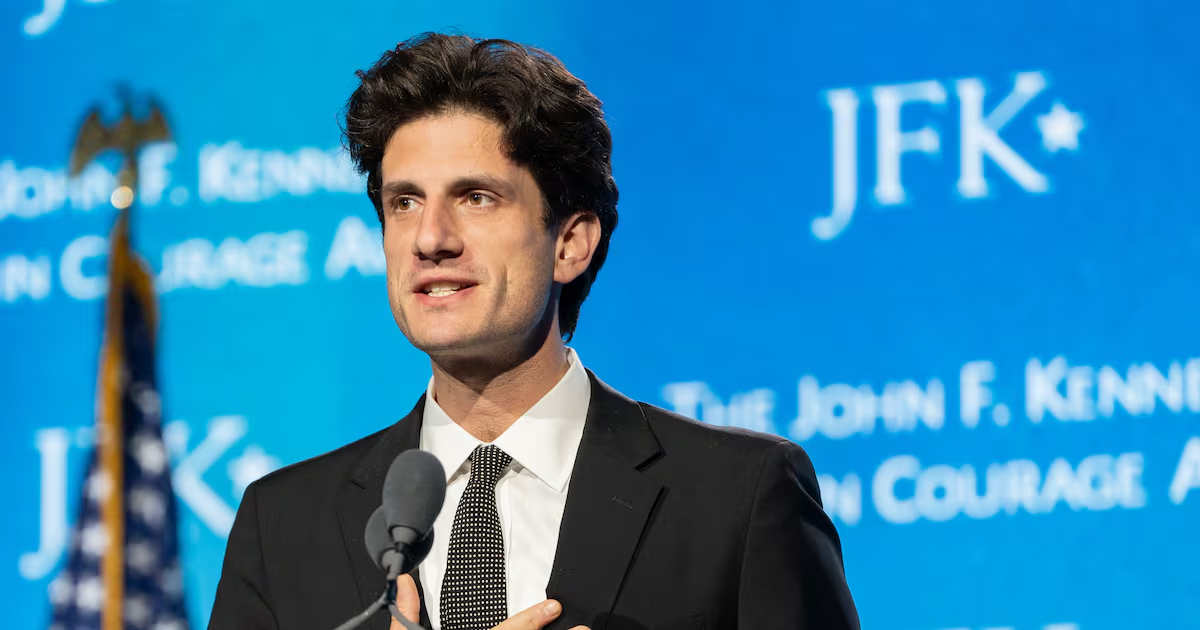
Once upon a time, being a Kennedy was a sure route to success in Democratic politics. But not any more.Despite his typical Kennedy hair and Ivy League pedigree, Jack Schlossberg, the quirky grandson of President John F. Kennedy lost a congressional primary in New York's heavily Democratic 12th district.The Associated Press and NBC News called the 12th Congressional District race for state Assemblymember Micah Lasher, who led a crowded field with over 39% of votes, according to preliminary results with about about 86% of ballots counted. Assemblymember Alex Bores, had 35%, followed by Schlossberg, who trailed in a distant third with less than 11%.The Democratic nominee is expected to cruise to victory in November and replace retiring Rep. Jerry Nadler, D-New York, a longtime liberal lawmaker from the affluent district in the core of Manhattan.Bores and Lasher had previously led in polls, with Schlossberg trailing the two.Schlossberg, a 33-year-old lawyer, launched his campaign promising not to take any corporate or super PAC money and heavily promoted himself on social media, where he previously gained attraction for odd antics such as asking whether second lady Usha Vance was hotter than his grandmother, first lady Jacqueline Kennedy Onassis. Before that, he posted a video of himself riding on a RipStik reciting Lord Byron's lyric poem, "She walks in beauty."Schlossberg faced critiques of his thin resume to run for office. While he − like many other elite East Coast progeny − had degrees from Yale and Harvard, he had no experience in elected office although he spoke at the 2024 Democratic National Convention.Schlossberg's work experience was thin. He spent a few months in the State Department while his mother, Caroline Kennedy, was an ambassador. He also held temporary jobs at an e-commerce company and a distillery.This never held back the Kennedys before. After John F. Kennedy won the presidency in 1960, his brother Ted − barely old enough to be eligible − waltzed into his old U.S. Senate seat from Massachusetts. Two years later, Robert F. Kennedy claimed a U.S. Senate seat in neighboring New York.A younger generation of Kennedys have won offices from lieutenant governor of Maryland to congressional seats in Massachusetts and Rhode Island.But a new day has dawned.Schlossberg tried to capitalize on his family history by talking about his family's legacy of public service.And he led in early polls, with a nine-point lead in late February and early March, according to one survey commissioned by a Democratic opponent.He also garnered attention for beefing with his uncle U.S. Health and Human Services Sec. Robert F. Kennedy Jr., in which he called his failed 2024 presidential campaign an "embarrassment."A Kennedy-friendly district wasn't enoughWhile younger voters and those others disillusioned with the party may no longer be excited by a Kennedy connection, it still carries some weight on Manhattan’s Upper West Side, which has many older, highly engaged liberal voters.“Oftentimes, voters still gravitate toward names that they know,” Basil Smikle, a New York City-based political consultant and professor at Columbia University, said. “They also want someone who is going to be a fighter in DC.”The problem was Schlossberg wasn’t the only one with name recognition and friends in high places.Bores and Lasher have been on Manhattanites’ ballots before in their races for state Assembly.Lasher, who represents the Upper West Side, amassed a long list of endorsements from prominent New York Democrats. Along with Nadler, the incumbent, he’s backed by Gov. Kathy Hochul and former New York City Mayor Mike Bloomberg.Bores, on the Upper East Side, has been backed by Our Revolution, the progressive organization founded by Sen. Bernie Sanders, I-Vermont. More importantly, Bores, who has a degree in computer science, made a name for himself as an advocate for AI regulation, and millions of dollars poured into the district both for and against him on the issue of regulation. The issue of AI appeared to shift the race, boosting Bores into leading in some polls.Schlossberg was endorsed by former House Speaker Nancy Pelosi, the 86-year-old Democratic icon who met Schlossberg’s grandfather. Other prominent figures supported Schlossberg's campaign, such as "Saturday Night Live" executive producer Lorne Michaels, the musician Paul Simon and former Secretary of State Antony Blinken, according to election filings.As the race progressed, Schlossberg received heavy media scrutiny by The New York Times with reports of high turnover inside his campaign and allegations of erratic behavior.New York City that Mayor Zohran Mamdani, who votes from the mayor’s mansion on Manhattan's Upper East Side, didn’t endorse any candidate in the 12th district.Instead, Mamdani focused his energy in the June 23 primary on supporting challenges mainstream Democrats from candidates to their left in younger, less wealthy, more progressive districts.Eduardo Cuevas is based in New York City. Reach him by email at emcuevas1@usatoday.com or on Signal at emcuevas.01.