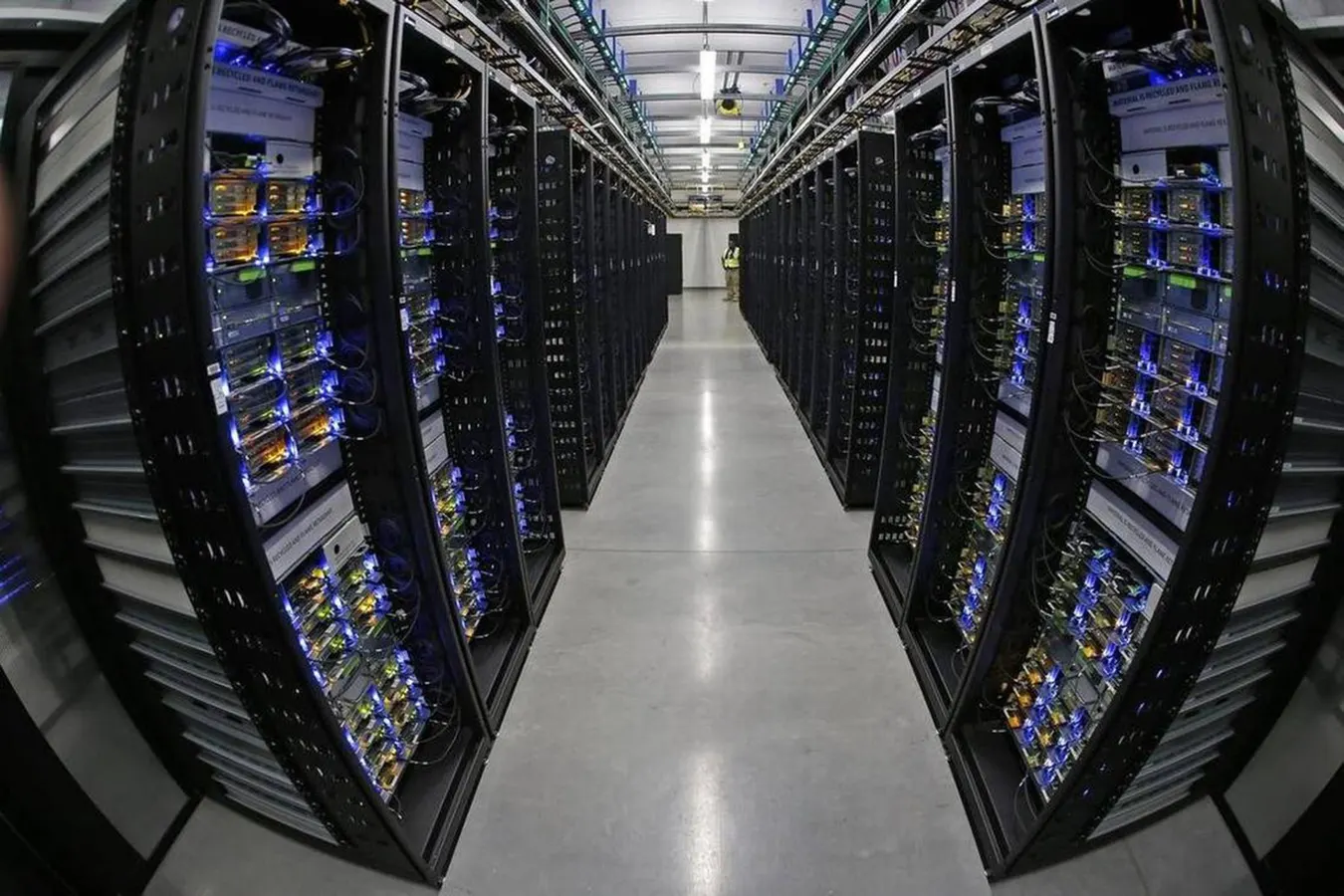
The modern society operates primarily through data centre infrastructure that powers cloud computing and artificial intelligence, the financial sector and healthcare systems, and government digital operations. Most countries have failed to establish proper infrastructure systems that protect their digital economy because these systems remain vital for their economic activities.Data CentreCurrent geopolitical rivalries and technological disputes create new conflicts which utilise cyber warfare, information warfare and hybrid warfare methods as their primary military strategies. Current threat developments create a critical need to answer this question: Have we built an AI-powered, data-centre-dependent civilisation without designing it for wartime security and resilience?Cyber and information warfare have become essential components of contemporary strategic competition, which creates new methods for fighting wars in modern times.Cyber operations differ from traditional warfare because they: Proceed with operations in non-wartime periods Execute attacks against non-military public resources Function between wartime and peacetime military operations Digital infrastructure has become the main combat zone because cyber-attacks are growing more powerful and frequent, while their scale and complexity increase. State and non-State actors now routinely deploy cyber operations to:Disrupt financial systems Manipulate information ecosystems Target government networks Attack critical infrastructure The developing situation has established a strategic framework in which digital systems have become essential components of national defence mechanisms.The operational backbone of contemporary digital states depends on data centres, which function as their fundamental infrastructure. Data centres provide the essential infrastructure that supports the following systems:Artificial Intelligence systemsDigital payment infrastructureGovernment data platformsDefence communication networksHealth care databasesTelecommunications servicesAn attack on data centres can cause widespread disruption across multiple sectors because data centres serve as key economic, governmental and public safety components. The current situation shows that multiple jurisdictions need to recognise data centres as essential national assets that serve as vital infrastructure, yet both emerging digital economies and other areas have not yet accomplished this task.Modern conflicts increasingly occur within what strategists describe as the grey zone, which serves as a battleground where opponents use cyber warfare, information warfare and infrastructure attacks to conduct combat without starting traditional military conflicts. Cyber operations in this context target the following systems:Cloud infrastructureCommunication systemsData storage networksDigital public infrastructureThe purpose of these attacks is to reduce national defence capabilities while avoiding the start of military hostilities. The effective response to developing grey-zone warfare needs three essential components:Institutionalised civil–military coordinationPublic–private collaborationA whole-of-nation cybersecurity strategyThe security of digital infrastructure should not remain the responsibility of private companies because it needs to become an essential part of the national defence strategy.India is rapidly becoming one of the biggest digital economies in the world through its substantial investments, which focus on:Artificial IntelligenceDigital public infrastructureCloud computingHyperscale data centresThe acceleration of this transformation requires India to achieve complete protection of its cyber boundaries because the current cyber operational environment has turned more dangerous. The world is experiencing a rise in hostile cyber operations that target infrastructure and India needs to implement stronger security measures to safeguard its digital backbone.The legal classification of data centres as strategic assets and critical infrastructure constitutes a fundamental requirement for enhancing national cyber resilience. The recognition of this status would enable the following outcomes to occur:Stronger regulatory oversightEnhanced security standardsSecurity frameworks that connect with national defence systemsPriority protection during crisesData centres require the same legal protection that critical infrastructure laws provide to hospitals, power grids and transportation systems.The protection of computer networks does not provide enough security to defend against hybrid warfare, which targets data centre facilities through physical attacks. The current security challenge presents various modern threat types, which include:Drone-based attacksSabotage operationsTerrorist activityInsider threatsCoordinated cyber-physical disruptionsTo address these risks, governments and infrastructure operators must implement advanced physical security architectures, including:Anti-drone detection and interception systemsAI-enabled surveillance systemsMulti-layered perimeter protectionResilient power and cooling systemsGeographically distributed backup infrastructureThe digital services protection requirement during geopolitical conflicts establishes a need for these protective measures.The advancement of technology requires both technology law and public policy to undergo continuous development. The legal system needs to establish regulations that will tackle the following three areas of cybersecurity protection:The development of military capabilities to defend against cyber attacks The creation of standards that will safeguard critical systems The establishment of national control over data protection measures The development of communication protocols between government bodies and private sector companiesThe protection of digital infrastructure depends on technology lawyers, policymakers and security specialists who create essential governance frameworks.The Domain Name System (DNS) is a vital element of the internet that translates domain names into IP addresses, facilitating digital interactions across various sectors. Due to its critical function, DNS has become a target in cyber warfare, where malicious actors may engage in DNS hijacking, cache poisoning, DDoS attacks, and domain manipulation, leading to significant disruptions in services like finance and communications. To safeguard DNS, strengthening its resilience is key and involves implementing DNS Security Extensions (DNSSEC), creating secure infrastructure, and enhancing monitoring for threats. Integrating DNS protection within national cybersecurity strategies is essential for maintaining a robust defence against cyber threats, necessitating collaboration among government, service providers, and data centre operators. Recognising DNS as a strategic asset allows nations to better shield themselves from contemporary cyber challenges.West Asia has experienced a geopolitical dispute, which demonstrates that data centres have become essential targets in contemporary hybrid warfare. Iranian drones launched strikes against multiple Amazon Web Services (AWS) data centres located in the United Arab Emirates and Bahrain on 2026 March 11 during a regional conflict that involved Iran and the US and their allied nations. The reports indicate that two AWS facilities in the UAE experienced direct hits while a third facility in Bahrain suffered damage from a drone strike that occurred in its vicinity. The strikes resulted in structural destruction, power outages and water damage, which occurred because fire-suppression systems were activated throughout the facilities. The region experienced service interruptions for multiple cloud services because of this situation.These events represent the first known instance of military operations that targeted hyperscale cloud systems of a global technology company. The strikes interrupted essential services that businesses, financial institutions and digital platforms depended on because they used AWS cloud infrastructure. The data centre attacks demonstrate that they can create operational disruptions that affect multiple sectors within the digital economy.Analysts observed that attackers targeted specific locations because their actions demonstrated new methods of conducting warfare. Data centres now serve as vital military and economic assets because organisations use artificial intelligence systems, digital services, and cloud infrastructure as essential components of their operations.The incident demonstrated a fundamental weakness of cloud computing because cloud services function as decentralised systems that rely on actual data centres that exist in specific geographic locations. The system of hyperscale providers enables them to create protection through their construction of multiple availability zones, together with their geographical distribution across different regions.The Gulf incident functions as an essential alert system for both cybersecurity experts and government officials who create policies. National security strategies must prioritise data centre protection because countries are increasing their investments in artificial intelligence and digital public infrastructure and hyperscale cloud ecosystems. Digital infrastructure will become an attractive target for future geopolitical conflicts if cyber resilience, physical security, and public-private partnerships and other protection frameworks are not prioritised at larger scale.The world is entering an era where cyber and information warfare are becoming defining features of geopolitical competition. At the same time, societies are becoming deeply dependent on AI-driven, data-centre-powered digital ecosystems, which serve as their essential technological framework. The infrastructure systems will become strategic weaknesses that the protection system cannot handle if they remain unprotected during emergencies or wartime. To address this challenge, nations must place their reliance on the following recommendations:The National Cybersecurity Strategy requires identifying data centres as essential national infrastructure. The organisation needs to enhance both its digital defence systems and its physical security measures. The organisation needs to implement cybersecurity strategies that involve all parts of the national defence system. The organisation needs to develop coordination systems that will allow military and civilian organisations to protect vital infrastructure. Drawing inspiration from the eSafety Commissioner of Australia, India should establish an independent statutory Cyber eSafety Commissioner of India dedicated to protecting citizens and institutions from cyber threats. Securing digital infrastructure is no longer merely a technological challenge—it is a national security imperative for the 21st century.(The views expressed are personal)This article is authored by Major Vineet Kumar, founder & global president, CyberPeace.
Data centres as strategic assets
This article is authored by Major Vineet Kumar, founder & global president, CyberPeace.
1,389 words~6 min read