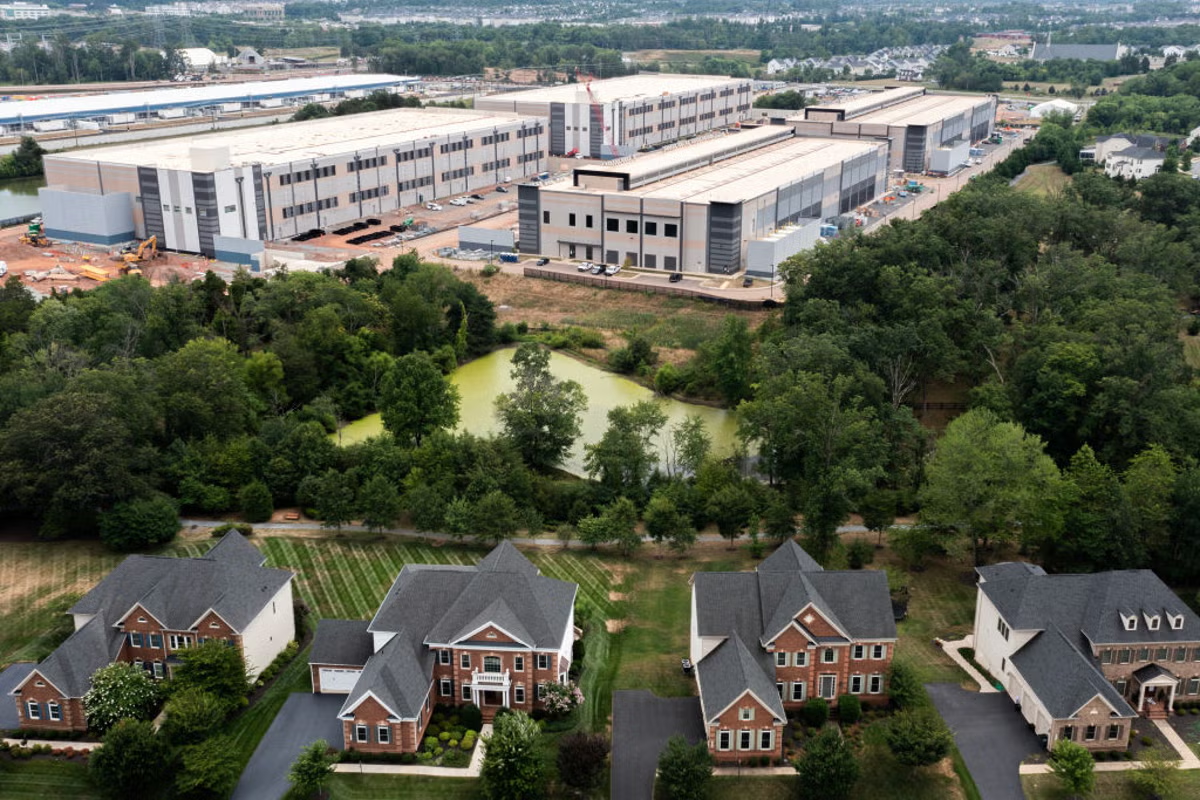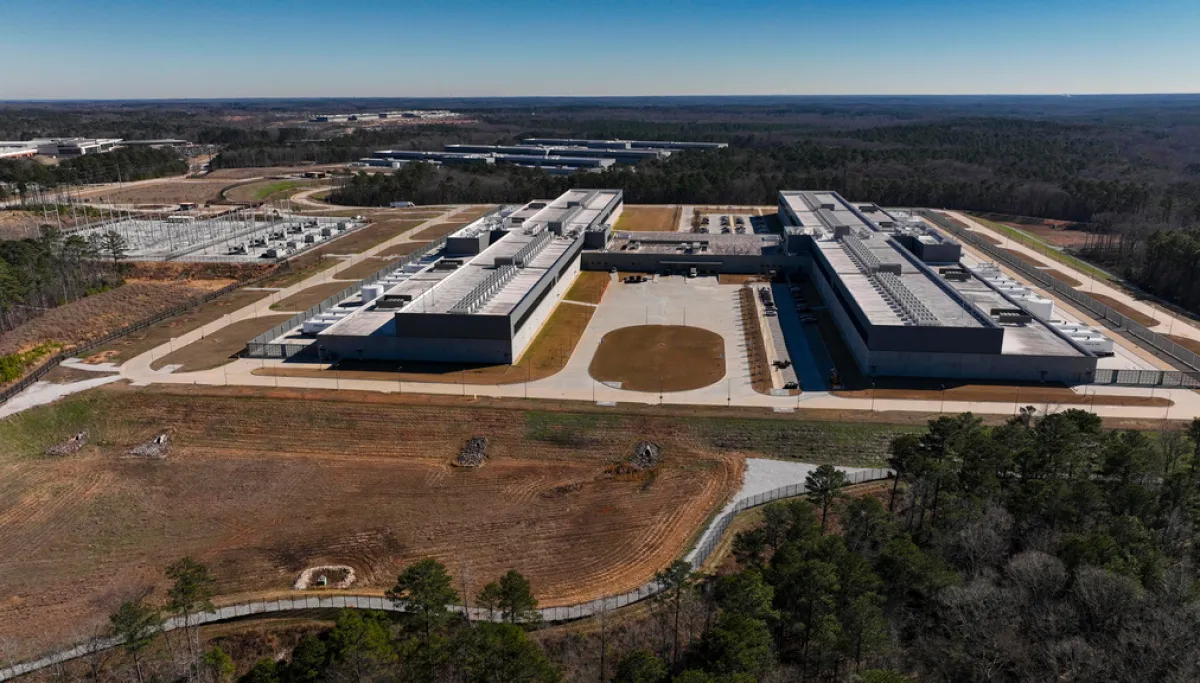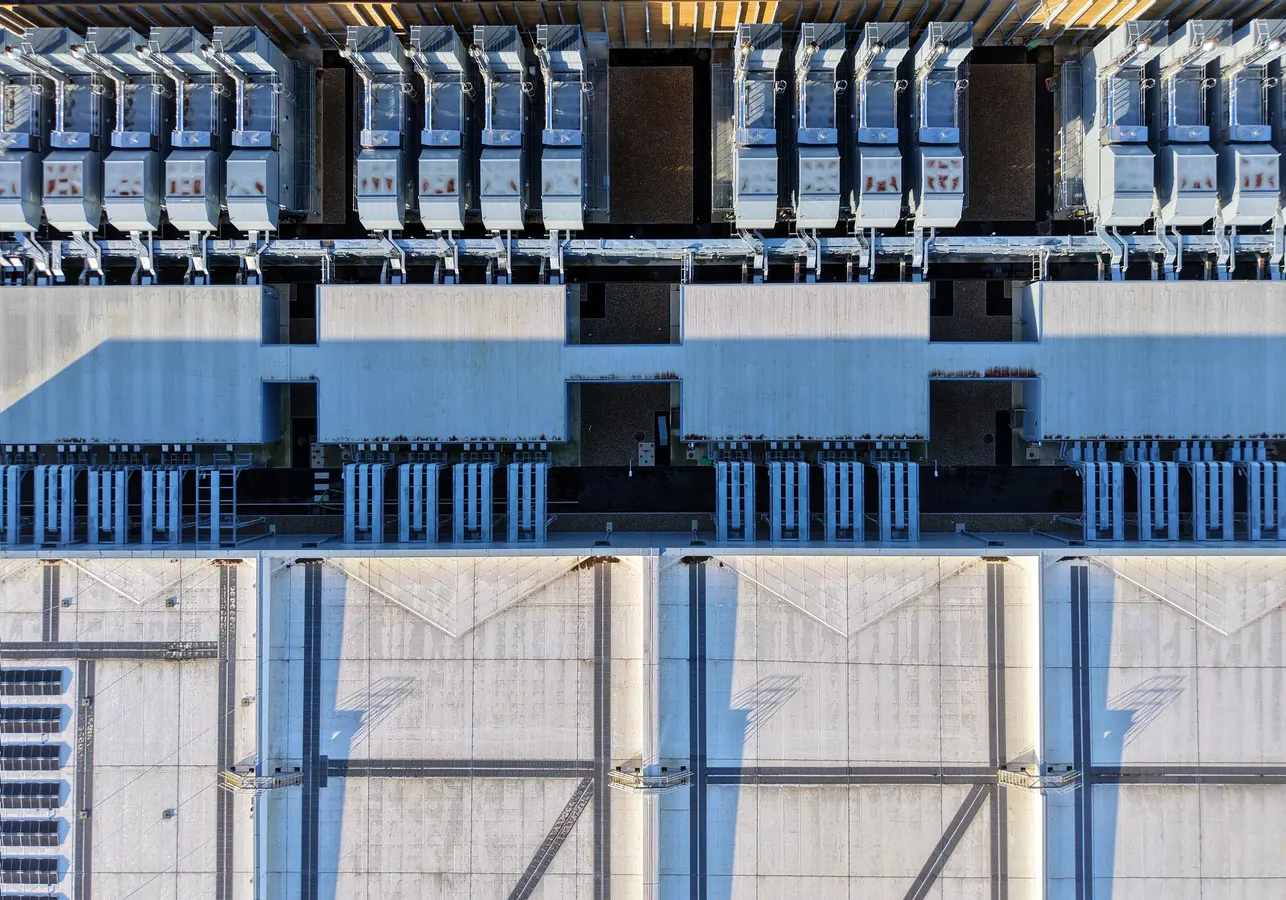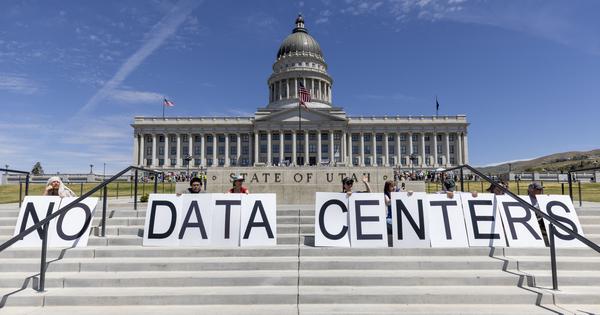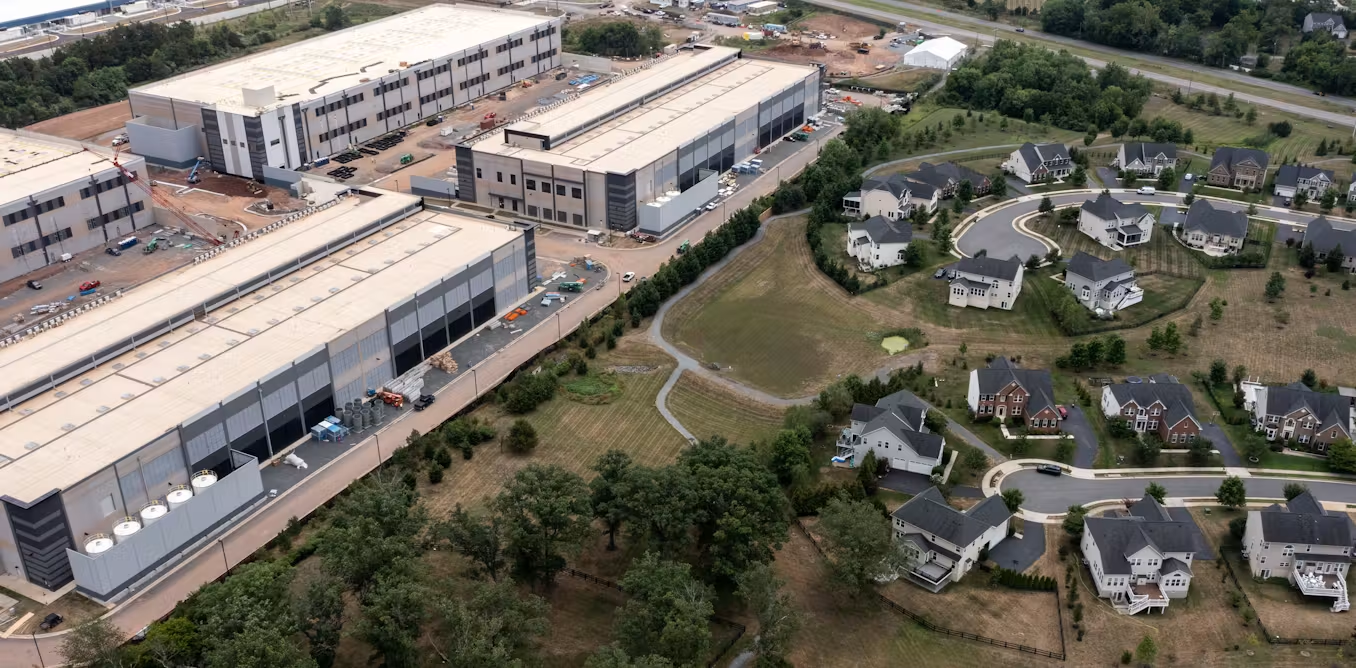
Every internet search, streamed video and AI-generated response depends on a data center somewhere. Driven by rapid growth in artificial intelligence, cloud computing and cryptocurrency, data centers have become the backbone of the modern digital economy. But though their key role is in enabling virtual and remote experiences, data centers are physical buildings in real communities around the nation and the globe.
The United States hosts more than 4,000 data centers – more than any other country. The U.S. Department of Energy expects that, taken together, all U.S. data centers will consume as much as 12% of all U.S. electricity by 2028. In 2023, data centers consumed about 4.4% of total U.S. electricity – roughly 176 terawatt-hours.
In the U.S., Virginia has more data centers than any other state – over 600, two-thirds of which are in the northern Virginia suburbs of Washington, D.C. In 2023, the state’s data centers consumed about 26% of Virginia’s total electricity supply – a higher share than in any other state.
We study science communication, climate science and public health, so we wanted to understand how data centers in Virginia affect the people who live near them and the broader public.