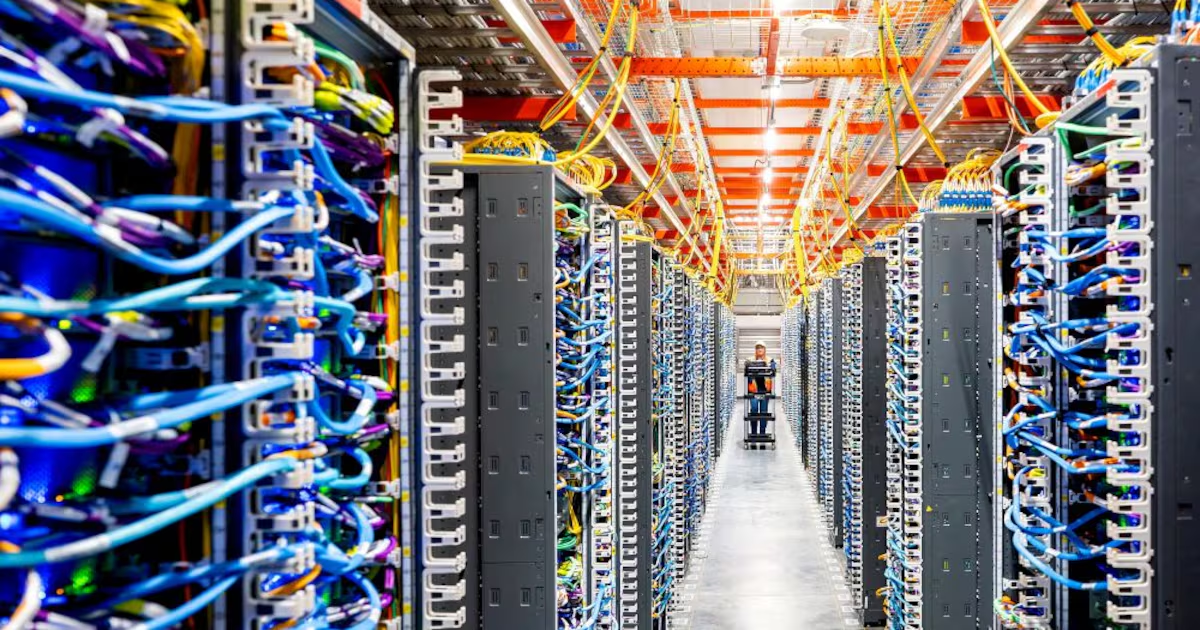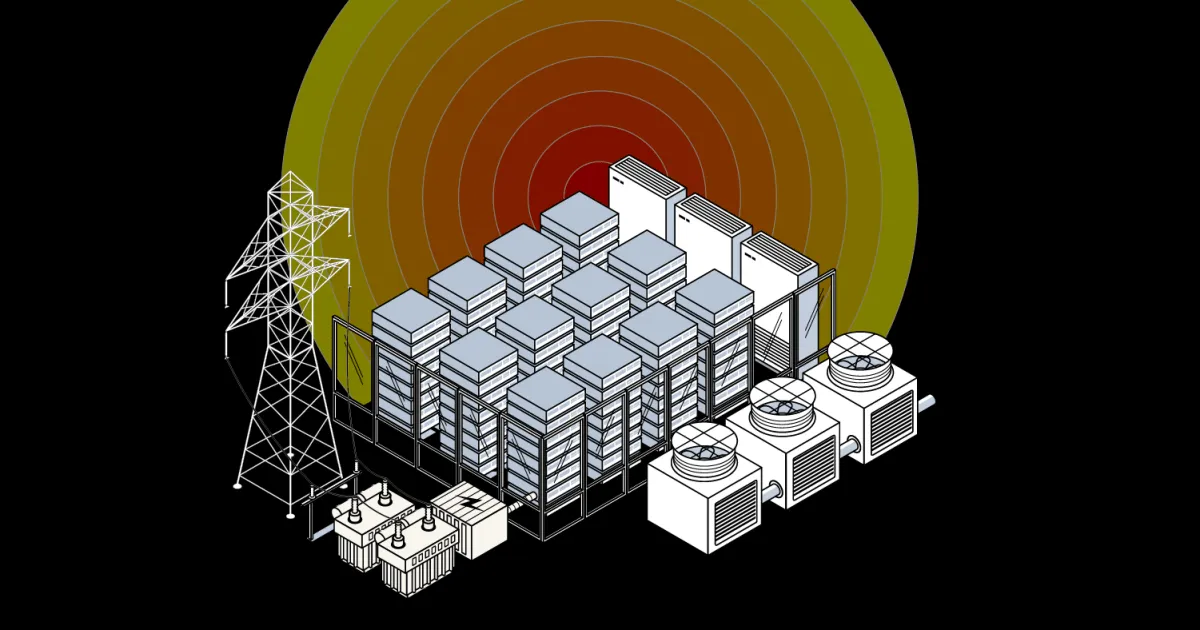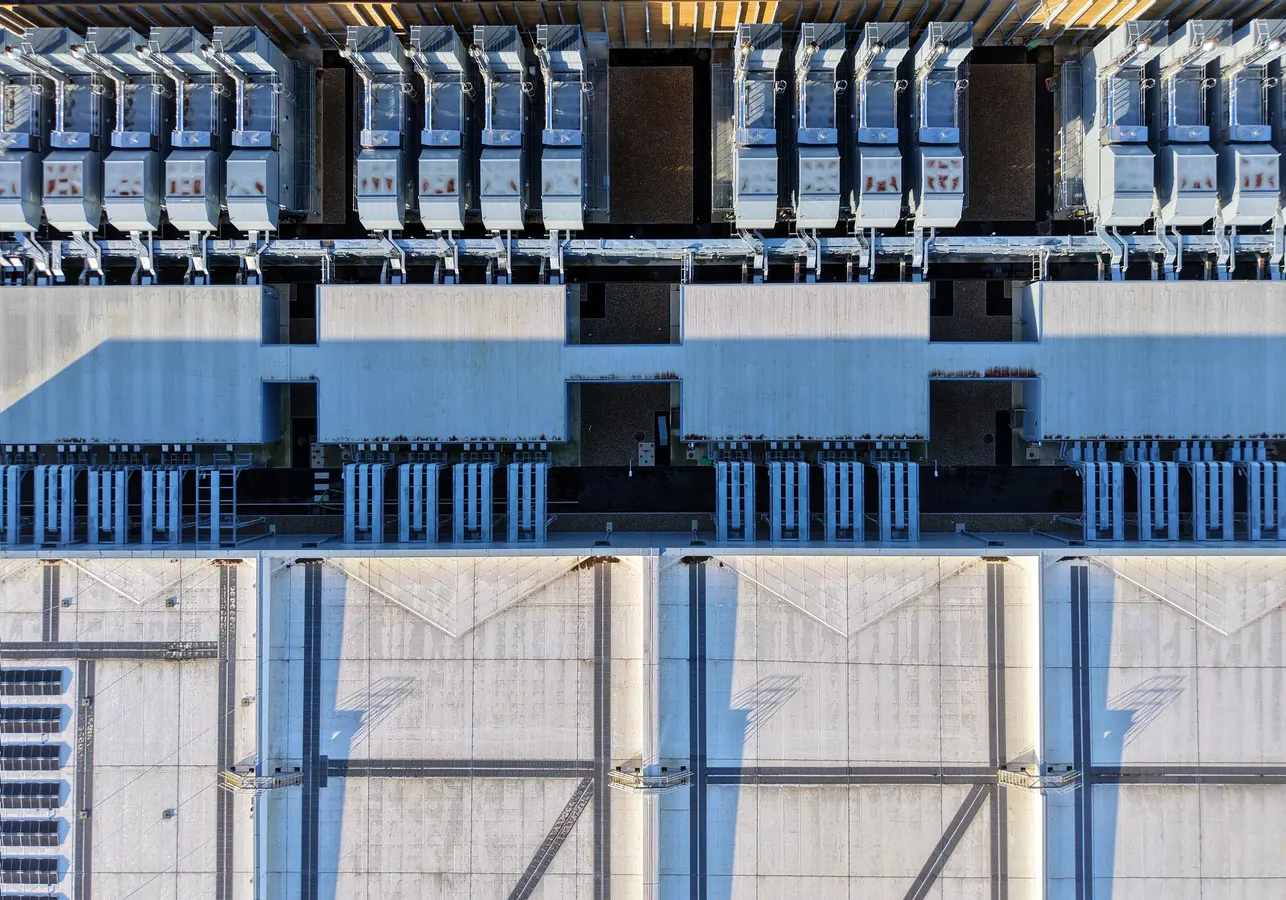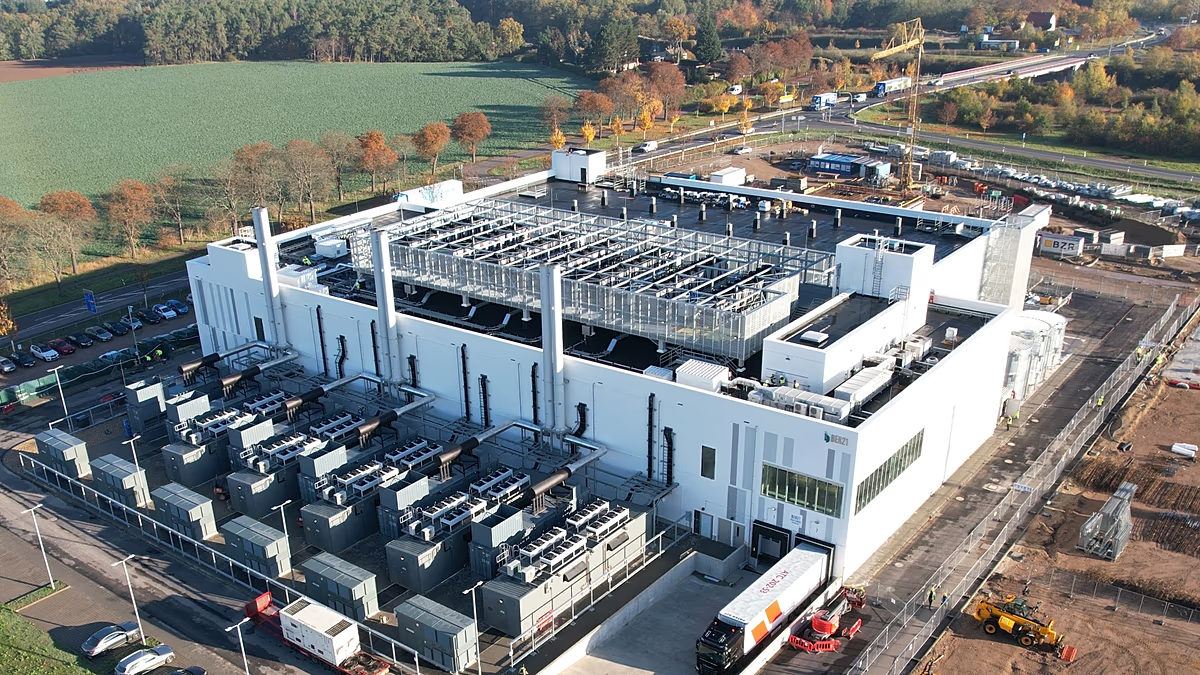
A data centre is, at its simplest, a building filled with technological equipment designed to store, process and distribute data. They are the physical backbone of the digital economy. Every email you send, every video you stream, every transaction you make online passes through a data centre somewhere, says the writer.
Sinenhlanhla Zulu
When you ask ChatGPT a question, watch a TV show on Netflix, or send an email, something physical happens. Somewhere, often hundreds of kilometres away, a server springs to life inside a vast, temperature-controlled building. That building is a data centre. Inside it, rows of processors begin computing your request, drawing electricity from the grid, generating heat that must be cooled and sometimes consuming water in the process.
All this data doesn't live in "the cloud." It lives in buildings, on land, connected to power grids, fibre networks and water systems. The choices being made today about where this infrastructure goes, who owns it and under what conditions it operates will shape our economy, sovereignty and opportunity for the next 30 to 40 years. These decisions will be difficult to undo once made. And the window to shape those outcomes—rather than inherit them is open but will not stay open indefinitely.