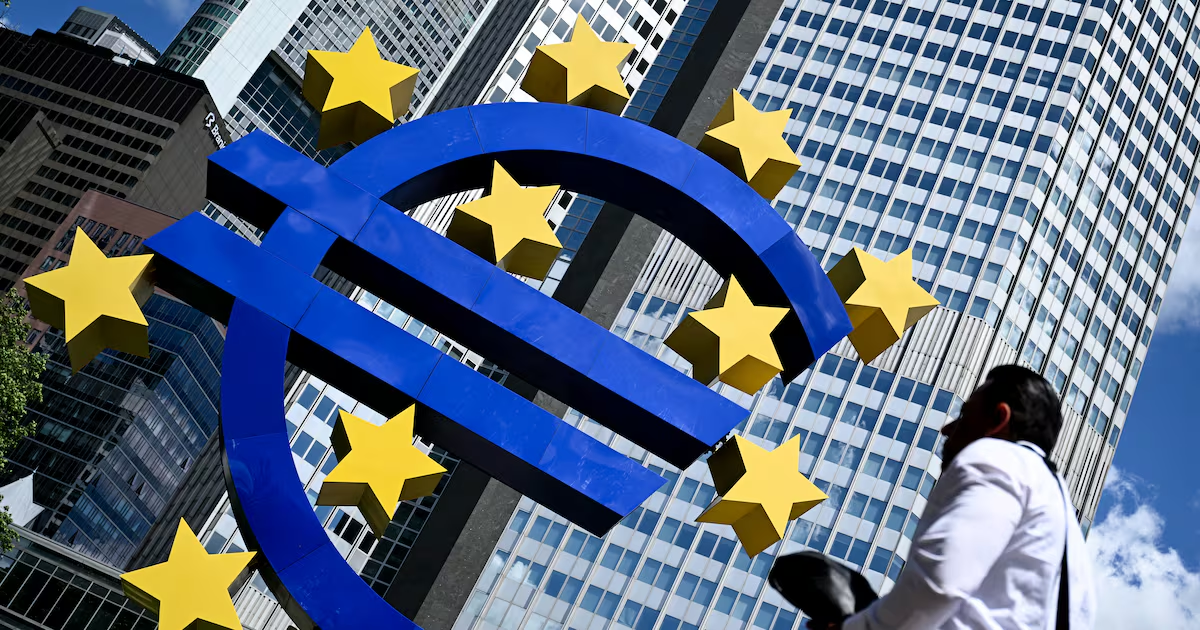
The euro slid to intraday lows near $1.1515 on June 11, its weakest level in a year, as a dramatic reversal in oil prices reshaped the inflation calculus for Europe’s central bank. What had been a hawkish setup for the European Central Bank just weeks ago is now looking decidedly more complicated.
The euro area is a net energy importer, which means oil prices don’t just affect gas station receipts. They ripple through the entire economy, from manufacturing costs to consumer inflation to, ultimately, what the ECB decides to do with interest rates.
The oil price whiplash
Earlier in 2026, Brent crude surged past $120 per barrel. The culprit was familiar: geopolitical chaos in the Middle East, centered on the Iran conflict and disruptions around the Strait of Hormuz, one of the world’s most critical oil chokepoints.
That spike sent inflation fears across the eurozone into overdrive. Energy costs climbed, import bills ballooned, and the ECB found itself staring down the kind of price pressure it hadn’t confronted since 2023.