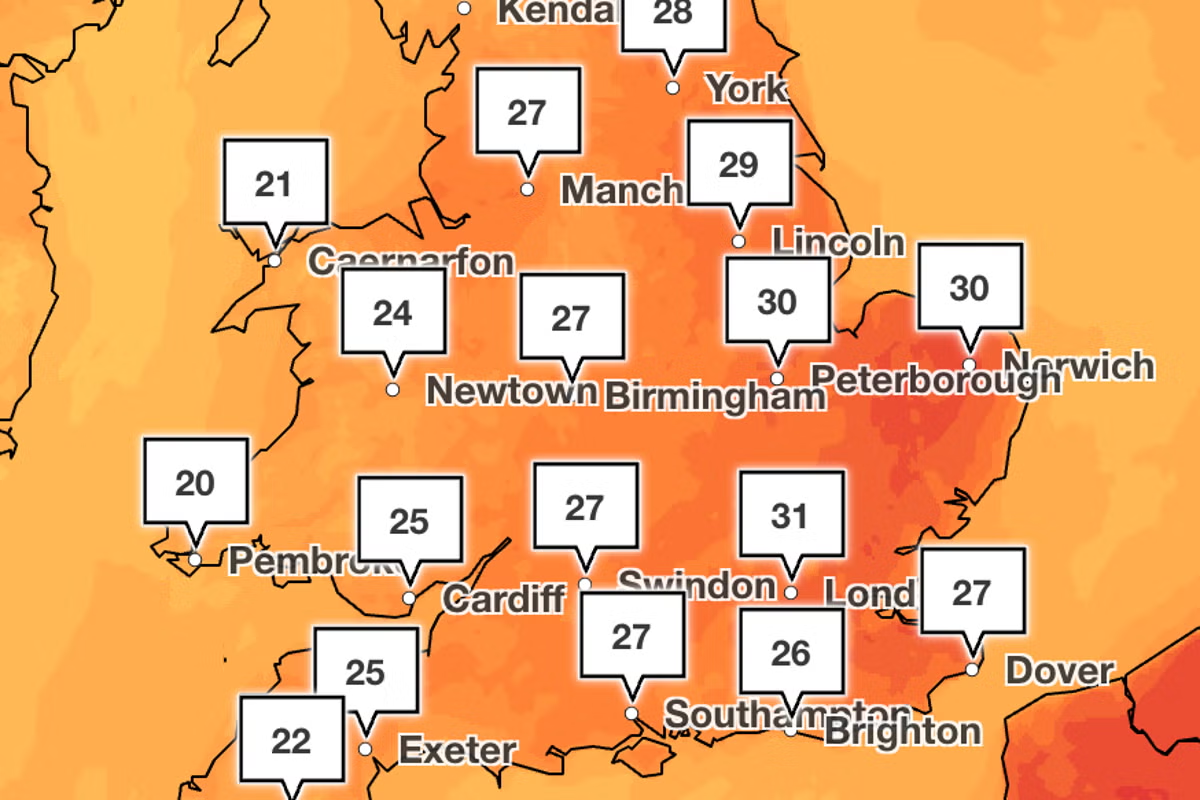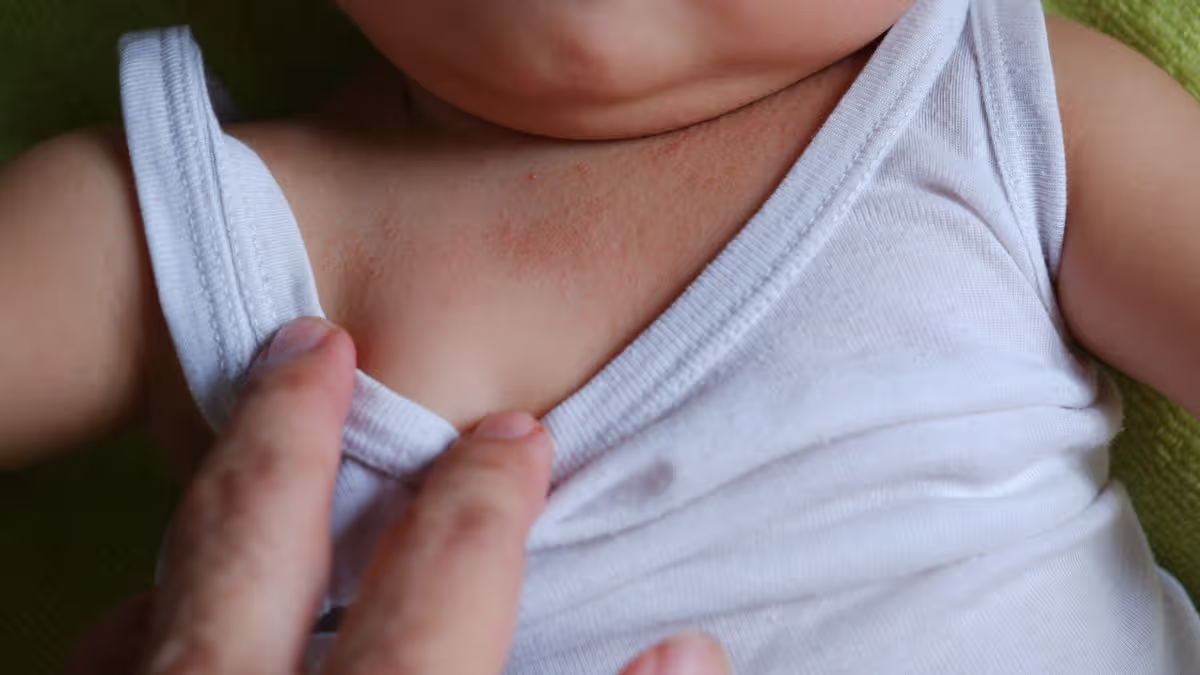
Causes, symptoms and treatment of heat rash in babies explained09:35, 24 Jun 2026Updated 09:36, 24 Jun 2026The UK is in the grip of a serious heatwave with a red weather warning for extreme heat now in place. Temperatures are forecast to reach 37°C in London and large parts of southern England on Wednesday and Thursday, as well as 35°C across the Midlands in south-east Wales.Both the Met Office and UK Government are urging people to take immediate action to keep themselves safe, and schools around the UK have announced their closures to look after the welfare of staff and children. People have also been urged not to travel unless they have to.One major concern in this extreme heat is how children and babies cope, especially at night. With the upper floors of homes where bedrooms are usually found typically warmer than the ground floor, and with virtually no relief to be found from opening windows, it is very difficult to stop their bedrooms from being uncomfortably warm, which is a major worry for parents.As a result you may be finding that your children are lethargic and grumpy (which is, of course, perfectly understandable in this heat and not necessarily anything to worry about) or have developed a heat rash. Of course, if you think your child is suffering something more serious, you should contact a doctor.Symptoms of heat rash in babiesHeat rash might be uncomfortable but the NHS says it is "usually harmless" and "usually gets better on its own after a few days". The symptoms of heat rash are the same in adults, children and babies and can appear anywhere on the body. The symptoms are:small, raised spotsan itchy, burning or prickly feelingmild swellingWhat does heat rash look like?A heat rash is a group of very small bumps, similar to pimples, and each bump is usually about 1 to 3 millimetres wide. They tend to look red on light-coloured skin but on darker skin, the bumps may look grey or white. This is the most common form of heat rash and the medical term for it is “miliaria rubra”.The Cleveland Clinic explains that heat rash "can also appear as tiny, clear bumps" which "look a bit like water droplets". This heat rash is called "miliaria crystalline" and typically affects newborns as a milder form that may not cause itchiness or discomfort.Where do heat rashes form?Heat rash can appear anywhere on your body. In babies, it tends to be common in:ArmpitsElbow creasesNeckGroin (diaper area)Upper chest and backIn adults, heat rash commonly forms in these areas:ArmsBackChest (especially under your breasts)Legs (especially on your inner thighs).How to treat heat rashThe NHS says heat rash will usually get better on its own after a few days and "the main thing to do is keep your skin cool so you do not sweat and irritate the rash". Although challenging in extreme heat like that being experienced around much of the UK at the moment, some things you can do to keep your skin cool include wearing loose-fitting cotton clothing and lightweight bedding, and taking cooler baths.To calm the rash and prickly feeling, you can apply something cold like a damp towel or ice pack or a pharmacist might give you a lotion, antihistamine tablets or hydrocortisone cream (though this cream is rarely given to younger children).Other rashes in babies and childrenYou may want to check your baby's rash is not one of the following rashes — you can check how they all look on the NHS website:Slapped cheek syndromeHand, foot and mouth diseaseScarlet feverMeaslesEczemaRingwormChicken poxImpetigoWhen to call a doctorThe NHS says you should call 999 or go to A&E immediately if your child or baby has a rash, is unwell, and has any of the following symptoms:Article continues belowstiff neckbothered by lightthey seem confused, agitated or they're not responding like they usually dodifficulty breathing, breathlessness or breathing very fastskin, lips or tongue look pale, blue, grey or blotchysudden swelling of their lips, mouth, throat or tonguethroat feels tight or struggling to swallowrash looks like small bruises or bleeding under the skin and does not fade when you press a glass against it.
How to spot and treat heat rash in babies
Causes, symptoms and treatment of heat rash in babies explained
688 words~3 min read