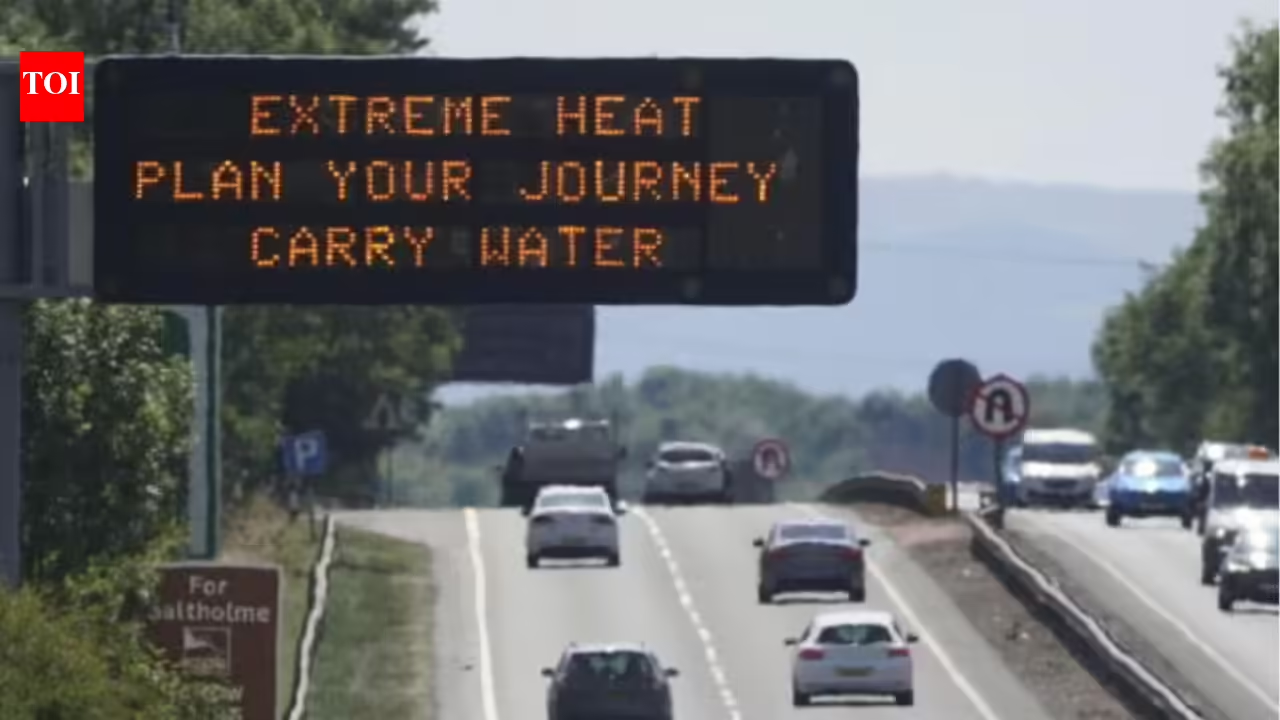
UK heatwaveA severe heatwave sweeping across the UK has caused widespread disruption, with more than 500 schools shutting their doors, rail services slowing down and health authorities issuing urgent warnings as temperatures are forecast to climb to nearly 39°C over the coming days.Wales sees largest wave of school closuresThe biggest impact has been felt in Wales, where over 500 schools have been closed ahead of a rare red weather warning for extreme heat. Several councils, including Blaenau Gwent, Caerphilly and Bridgend, announced large-scale closures to protect students and staff from potentially dangerous conditions.Welsh Deputy Minister for Public and Preventative Health Nerys Evans described the situation as a "heat emergency", urging residents to stay hydrated, avoid prolonged exposure to the sun and check on vulnerable people.Health services brace for rising demandAuthorities have warned that soaring temperatures could place additional strain on hospitals and emergency services. Health officials cautioned that prolonged exposure to extreme heat can lead to dehydration, heat exhaustion and heatstroke, particularly among older adults, children and those with underlying medical conditions.Chief Medical Officer for Wales Isabel Oliver advised people attending outdoor events to remain in shaded areas, drink water regularly and avoid excessive alcohol consumption, which can worsen dehydration.Transport networks and infrastructure under pressureThe heatwave has also disrupted transport services across parts of the UK. Rail operators have introduced speed restrictions amid fears that tracks could buckle in extreme temperatures, while some hospitals have reportedly postponed appointments as emergency departments prepare for increased demand.Experts say much of Britain's infrastructure was built for a cooler climate and is increasingly struggling to cope with more frequent periods of extreme heat.Europe swelters amid record temperaturesThe UK is among several European countries battling unusually high temperatures. France, Spain and Germany have also reported intense heat, with meteorologists warning that the current conditions are significantly above seasonal averages.Climate scientists say global warming is making heatwaves more frequent, longer-lasting and more intense across the continent.Education leaders and climate experts have renewed calls for investment in heat-resilient infrastructure, including improved ventilation in schools, better urban planning and stronger protections for workers and vulnerable communities.With forecasters warning that extreme heat events are likely to become more common in the coming decades, experts say adapting buildings, transport systems and public services to hotter conditions has become an urgent priority.
UK heat emergency: Over 500 schools shut in Wales as rare red warning issued, temperatures may hit 39°C
A severe heatwave sweeping across the UK has caused widespread disruption, with more than 500 schools shutting their doors, rail services slowing down and health authorities issuing urgent warnings as temperatures are forecast to climb to nearly 39°C over the coming days.
381 words~2 min read