Generative AI has reshaped how software gets built. What began as line-by-line autocomplete now spans full application generation, multi-agent build pipelines, and natural-language interfaces to entire codebases. Large language models trained on code can read context, follow intent, and produce working frontends, backends, and infrastructure with little manual setup.
For early-level AI engineers, software engineers, and data scientists, the practical question is no longer whether these tools help, but which ones fit a given task. Some accelerate writing and reviewing code inside an existing workflow. Others remove the editor entirely and build deployable products from a prompt.
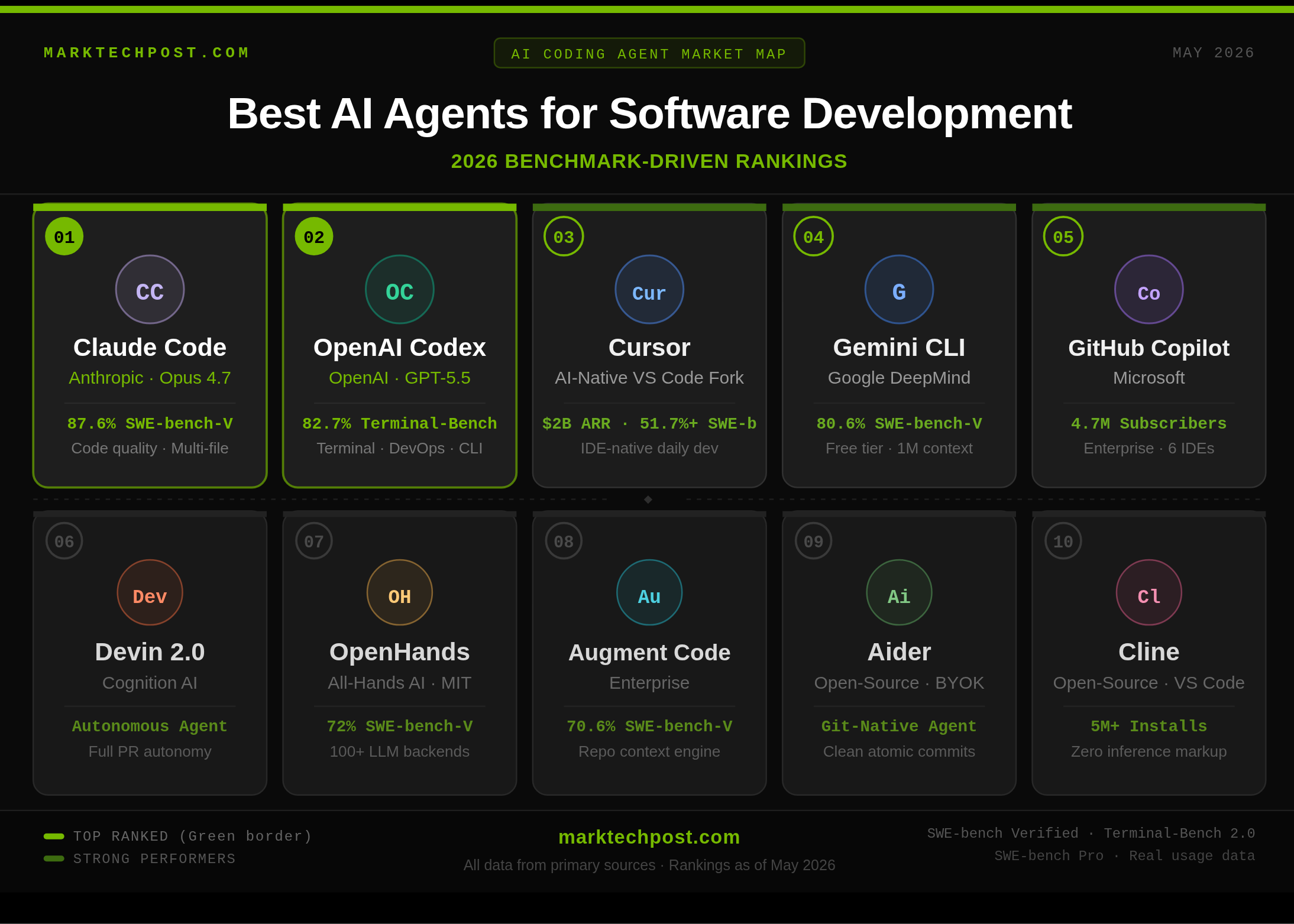
Here are the top generative AI tools in code generation and coding to know in 2026:
1. Atoms*
Users describe what they want to build in plain language. Atoms then generates the frontend, backend, integrations, and hosting configuration automatically. Every app ships with authentication, a database, and Stripe payments through Atoms Cloud, so most standard web patterns work without separate infrastructure. The platform supports popular AI models like GPT and Gemini without manual key setup, and you can export the code or sync to GitHub at any time.