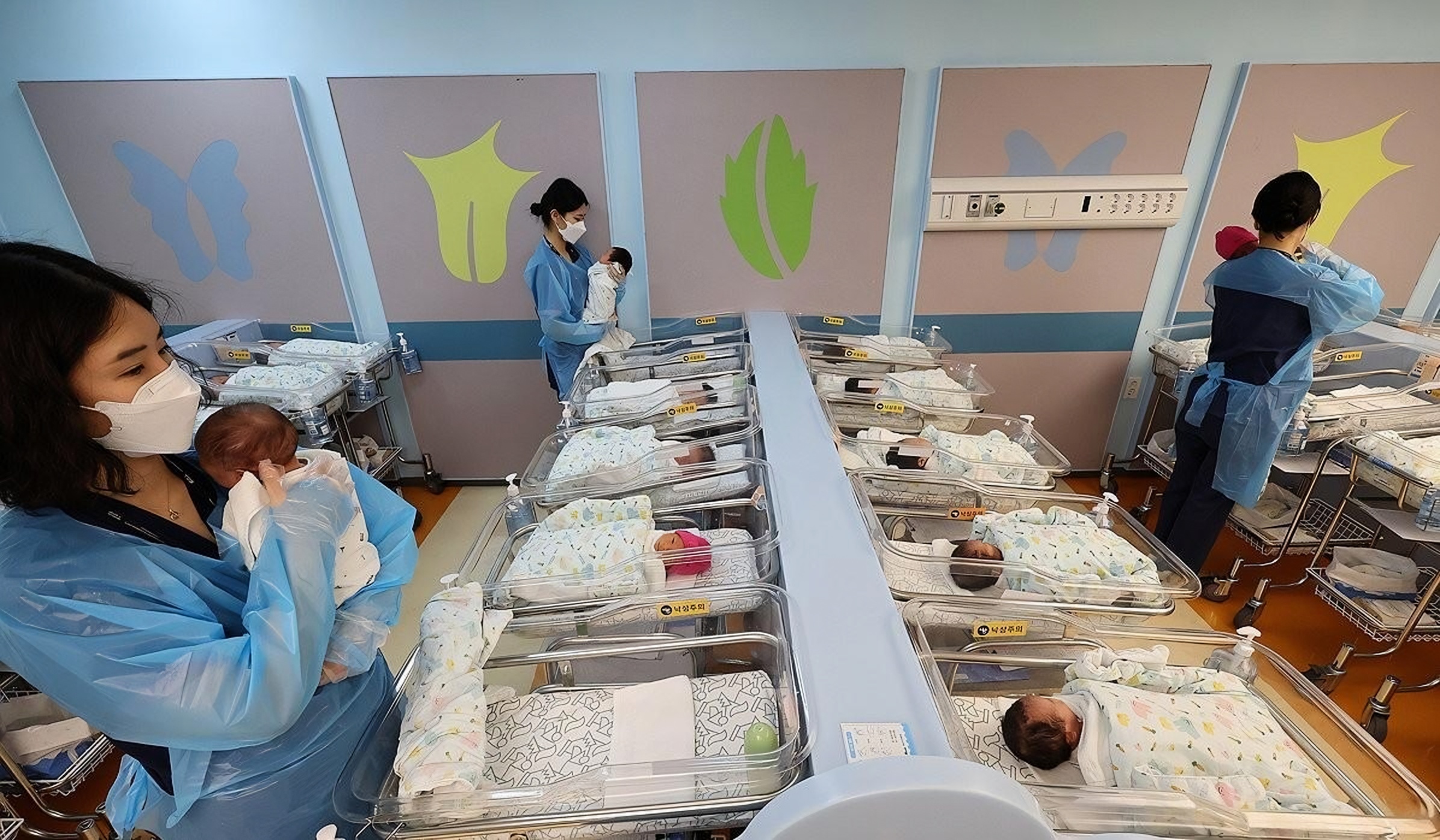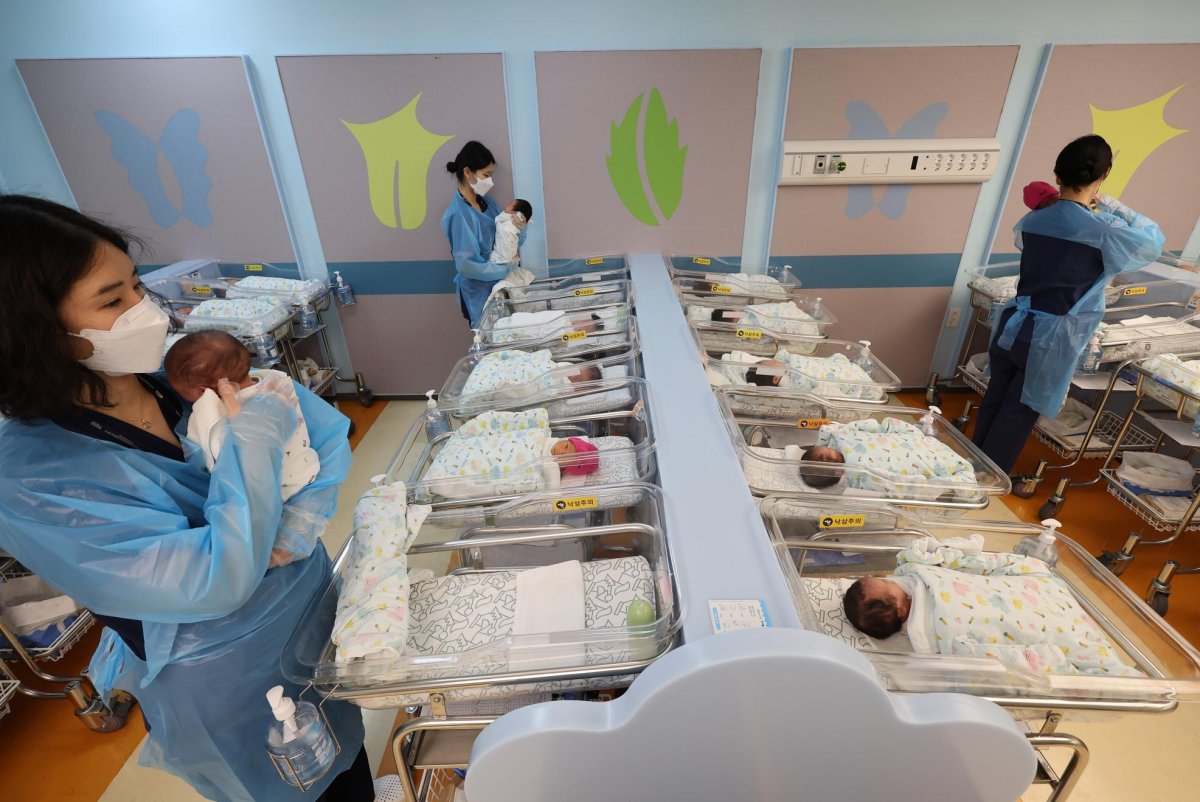
Government-backed scheme covers physicians in obstetrics, pediatrics, emergency medicine with up to 1.8 billion won in protection Nurses care for newborns in the neonatal ward at Ilsan CHA Hospital in Goyang, Gyeonggi Province, on April 22. (Yonhap) South Korea will cover the full cost of malpractice insurance premiums for doctors in critical medical fields, as the government seeks to ease the legal risks blamed for driving physicians away from high-risk specialties such as obstetrics and emergency medicine.The Ministry of Health and Welfare said medical institutions employing eligible physicians can apply for the high-cost medical liability insurance support program starting Thursday.Under the program, the government will fully cover insurance premiums for doctors in essential care sectors such as obstetrics, pediatrics and emergency medicine.The program is designed to protect medical personnel from potential compensation claims arising from medical accidents while ensuring that patients receive faster and more appropriate compensation when malpractice occurs.The initiative comes as Korea faces mounting concerns over shortages of physicians in critical specialties.Hospitals across the country have struggled to recruit and retain doctors in fields such as childbirth and emergency care, where practitioners face around-the-clock workloads, relatively low financial returns and heightened exposure to medical disputes and litigation.The issue has drawn particular attention as the country seeks to reverse years of ultralow birth rates. Korea recorded 75,013 births in the first quarter of this year, up 14.8 percent from a year earlier. Yet the number of clinics and hospitals providing delivery services has continued to decline.According to data submitted to Rep. Kim Mi-ae by the Health Insurance Review and Assessment Service, nearly 89 percent of obstetrics and gynecology clinics nationwide filed no insurance claims related to childbirth between January and August last year, indicating that only a small share still perform deliveries.Medical professionals have long argued that fear of lawsuits is one of the key factors driving doctors away from obstetric care. Medical dispute mediation cases related to childbirth rose from 23 in 2022 to 35 in 2024, with many additional cases proceeding directly to litigation.Under the expanded insurance program, specialists working at maternal and neonatal care centers as well as designated emergency medical institutions will become eligible for support, in addition to obstetricians with delivery experience and pediatric surgical specialists, who were already covered under earlier versions of the program.Eligible emergency facilities include regional emergency centers, regional trauma centers, specialized pediatric emergency centers and hospitals participating in a government pilot project aimed at improving emergency patient transport systems.Coverage limits have also been increased.For specialists, the insurance will cover compensation payments exceeding 150 million won ($97,000), up to 1.65 billion won, with a total protection limit of 1.8 billion won when the medical institution’s share is included. The annual premium of 1.75 million won per physician will be paid entirely by the government.The previous program covered up to 1.7 billion won and required hospitals to assume a larger portion of the liability.Resident doctors in internal medicine, surgery, obstetrics and gynecology, pediatrics, thoracic and cardiovascular surgery, emergency medicine, neurosurgery and neurology will remain eligible for support.Their insurance plans will cover compensation exceeding the first 20 million won paid by training hospitals, with a maximum payout of 310 million won and a total coverage ceiling of 330 million won.The ministry also introduced retroactive coverage for emergency medicine specialists participating in the government’s emergency transport system pilot project. Physicians who enroll by the end of July can receive coverage dating back to March, when the pilot program began.Officials said the measure reflects growing concerns among emergency physicians about legal liability related to decisions on whether to accept critically ill patients.The government hopes the program will ease both financial and legal burdens on front-line medical personnel and help stabilize essential medical services at a time when shortages in key specialties have become a growing public concern.
Korea expands malpractice safety net for doctors in high-risk specialties
South Korea will cover the full cost of malpractice insurance premiums for doctors in critical medical fields, as the government seeks to ease the legal risks b
634 words~3 min read