The transition to a low‑carbon economy is no longer a distant ambition—it is an operational imperative. At Sappi, our decarbonisation journey is grounded in practical, scalable interventions that strengthen both environmental performance and long‑term business resilience. To date, our most significant progress has been driven by operational efficiency improvements and fuel switching, particularly through increasing the use of renewable biomass. Procuring clean or green electricity also drives our progress in some locations where it’s available. As we look ahead, electrification – powered by renewable energy – offers much opportunity to continue decarbonisation progress across industries.
However, electrification is not a silver bullet. Its climate benefit depends fundamentally on the carbon intensity of the energy sources used to create it. Moving beyond fossil thinking therefore requires a systems perspective—one that integrates electrification with renewable energy and flexible operations. This is especially relevant in pulp and paper manufacturing, where energy demand is inherently high and reliable supplies of power and steam are essential.
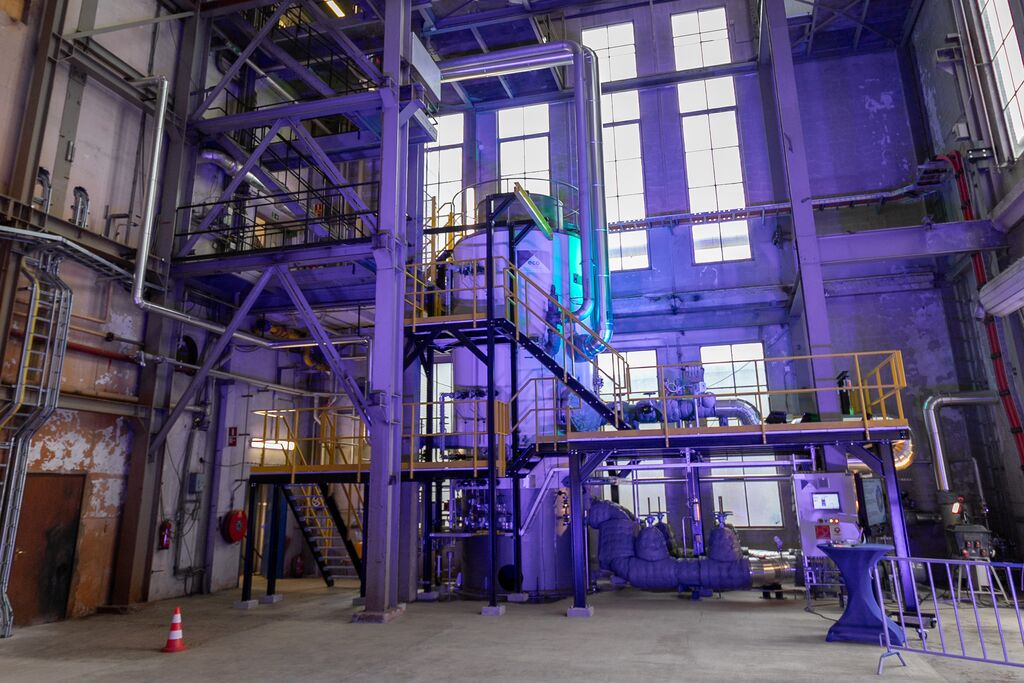
As global power grids continue to decarbonise, electrification offers a compelling pathway for reducing emissions in these energy‑intensive processes. Sappi’s investments in electric boilers and thermal energy storage at our Maastricht Mill, Netherlands, exemplifies a practical approach to this transition. The mill can produce low-carbon steam, reduce natural gas use and flexibly respond to renewable power availability, helping to stabilise the grid while cutting emissions. E-boilers provide rapid start-stop capability: when renewable power is abundant, e-boilers can displace more carbon-intensive energy sources; when renewable share in the grid is low, the mill generates its own energy from natural gas. This hybrid approach allows us to dynamically optimise both cost and carbon, ensure stability and continuity, and it positions electrification not as a standalone solution but as part of an integrated energy system.