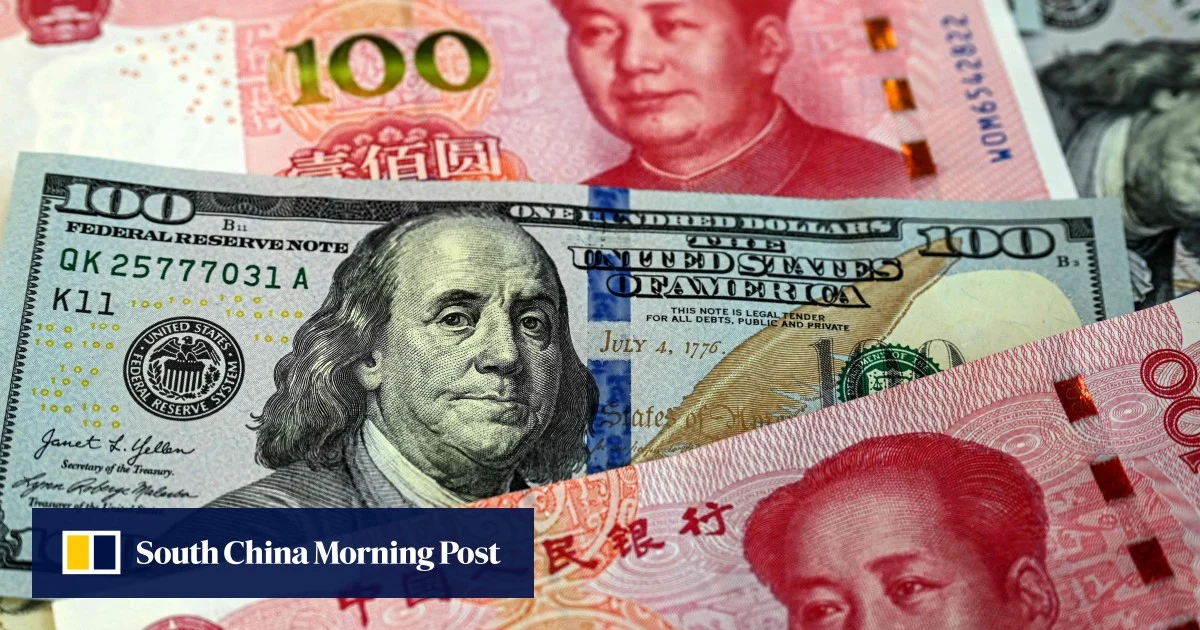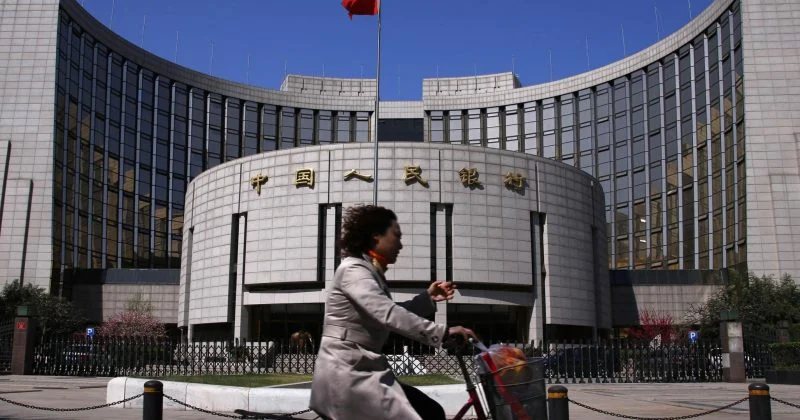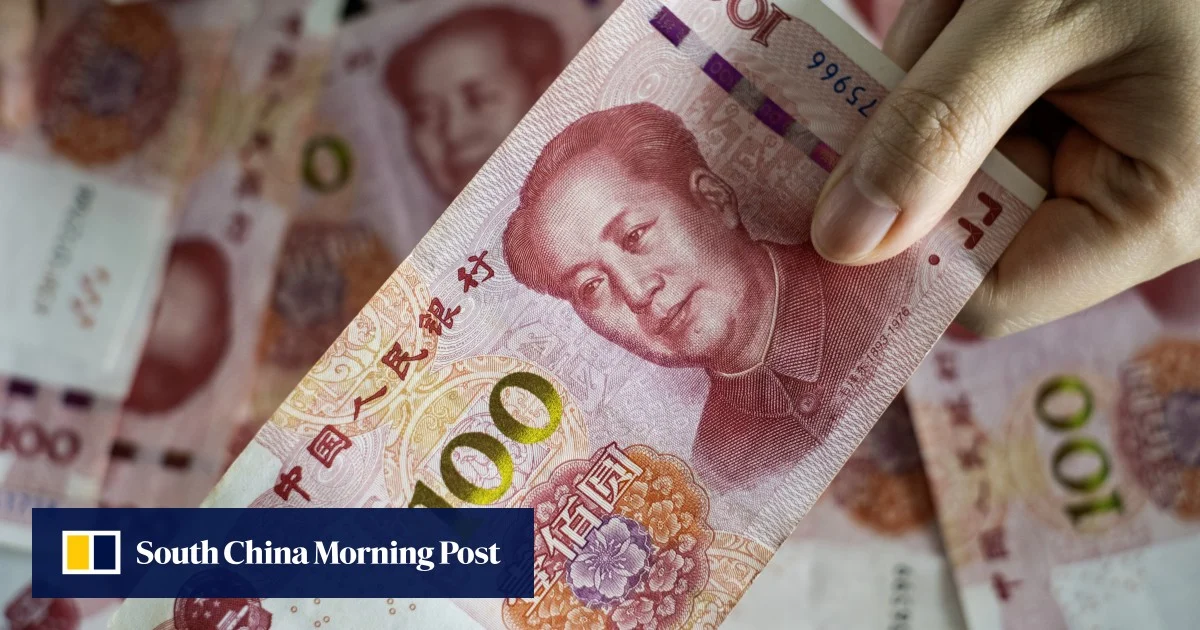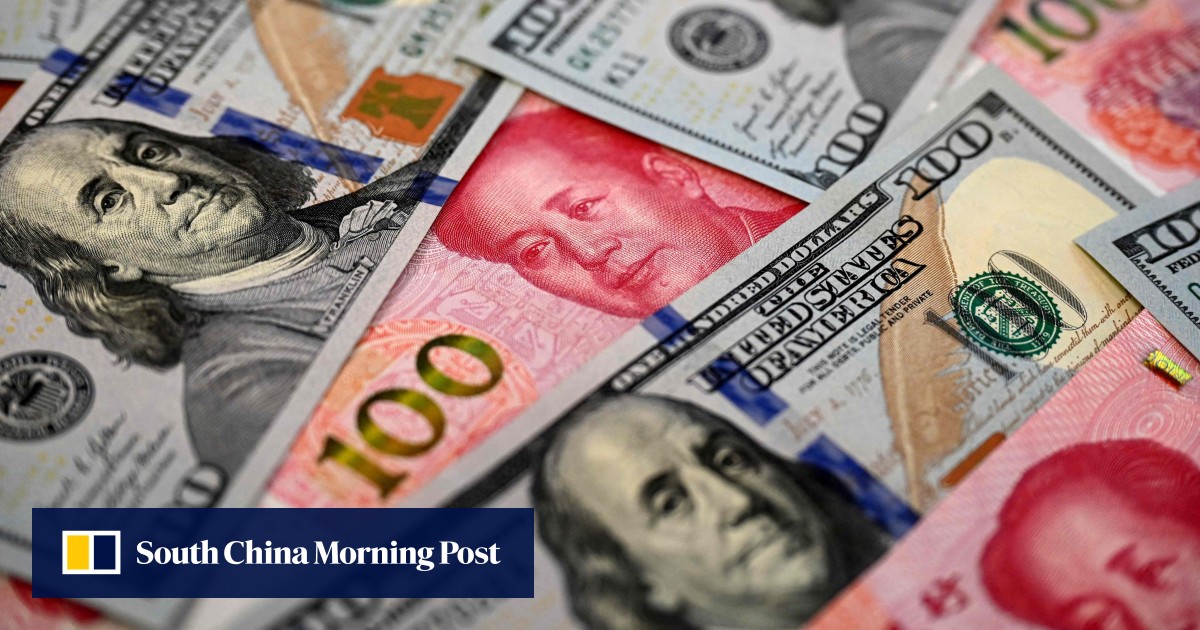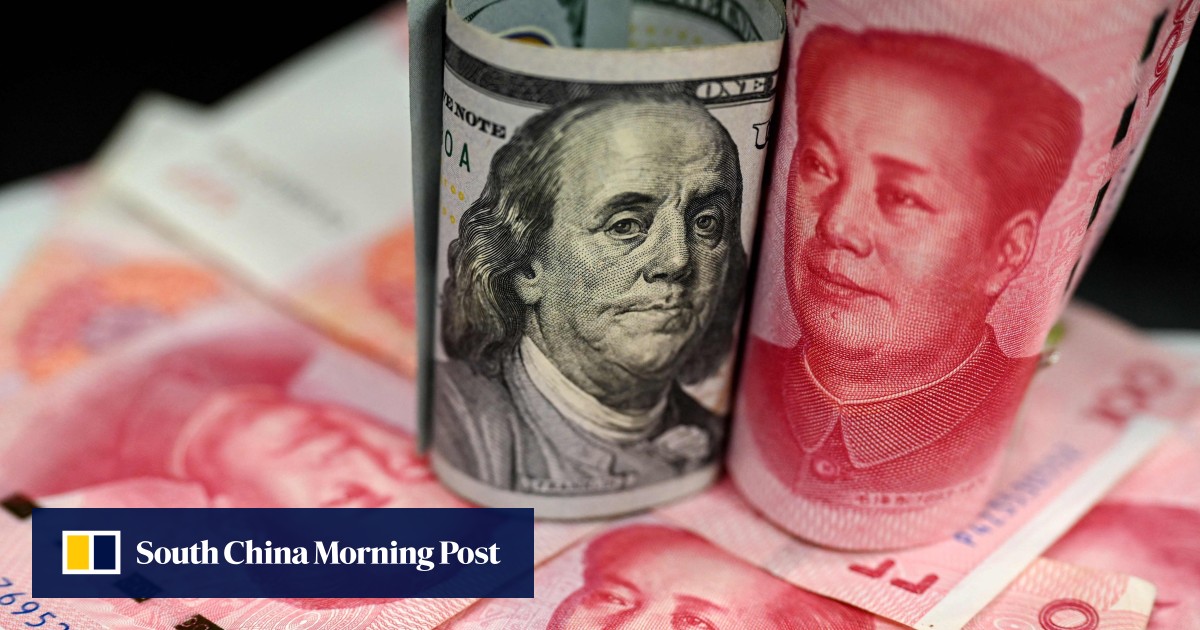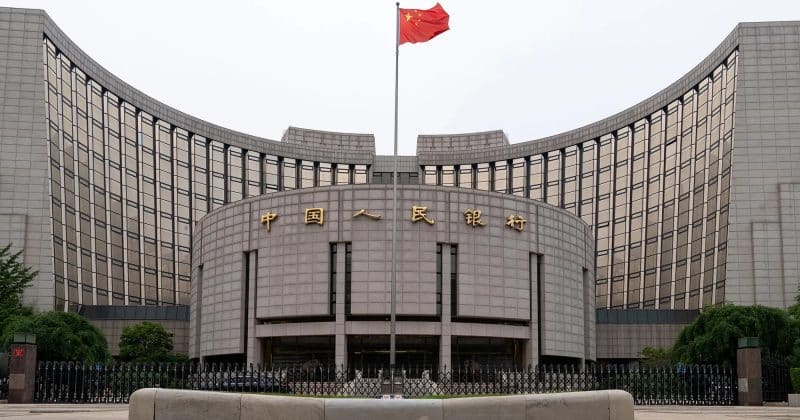
China’s central bank just told the world, in the most understated way possible, that it’s comfortable letting its currency slide. The People’s Bank of China set the USD/CNY central parity rate weaker for the fourth consecutive session, a pattern that stops looking like coincidence after day two.
On June 17, the PBOC fixed the rate at 6.8096, compared to the prior session’s 6.8108. More telling: Reuters had estimated 6.7659, meaning the central bank deliberately chose a level significantly weaker than what the market anticipated.
What the PBOC is actually doing
Here’s how China’s currency system works. The PBOC sets a daily “central parity” rate each morning, and the yuan is allowed to trade within a plus-or-minus 2% band around that number. By moving that post weaker against the dollar for four straight sessions, the PBOC is effectively giving the yuan permission to depreciate.
Reports from June 16-22 document a consistent pattern of weaker-than-expected fixings. The pattern is especially notable because the PBOC hasn’t been uniformly bearish on the yuan all year. Earlier in 2026, the central bank occasionally strengthened the fixing rate, with the USD/CNY pair previously dipping below 7.00 back in January.