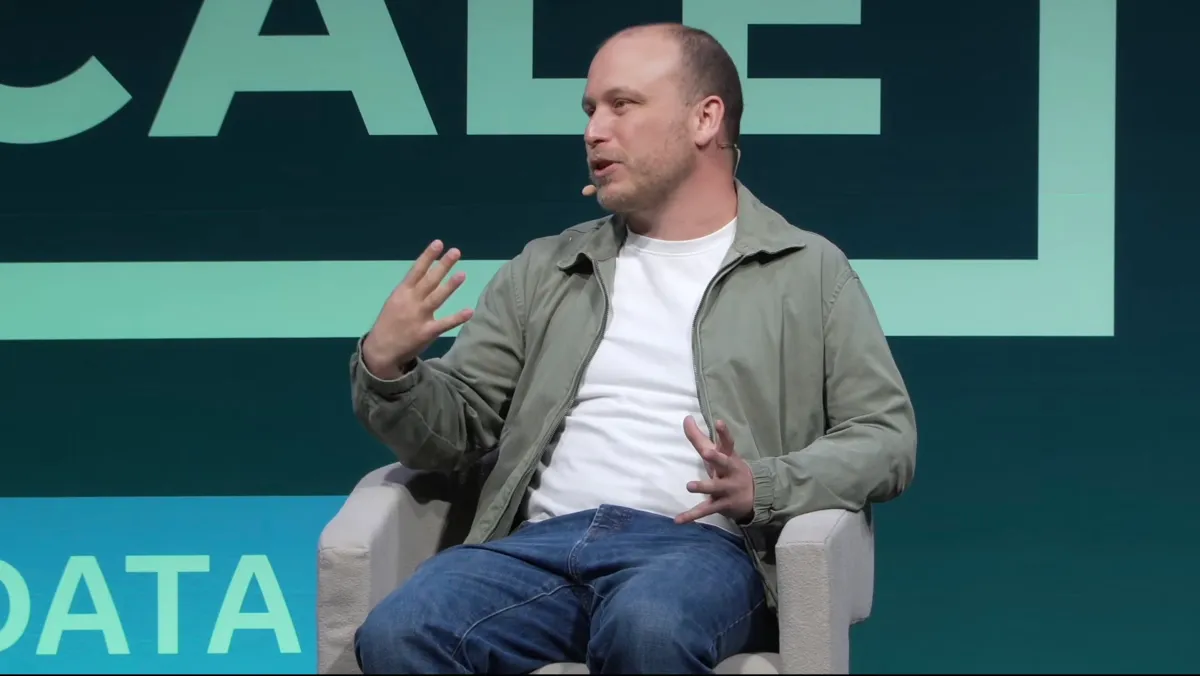
Two weeks ago, Boris Cherny — head of Claude Code at Anthropic — said something on stage that changed how I think about building infrastructure:
"I don't prompt Claude anymore. I have loops running. They're the ones prompting Claude."
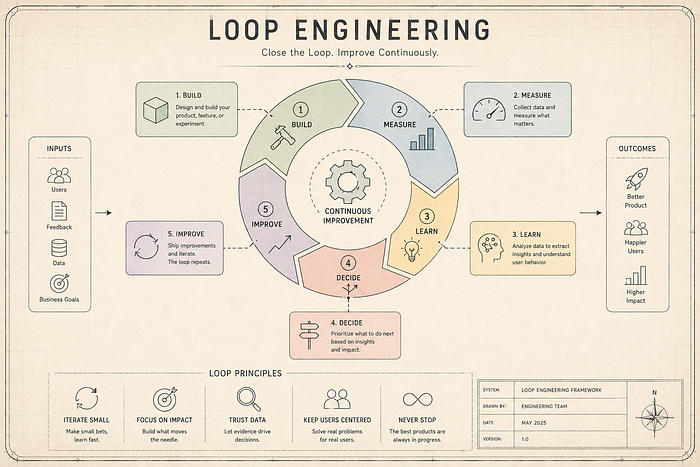
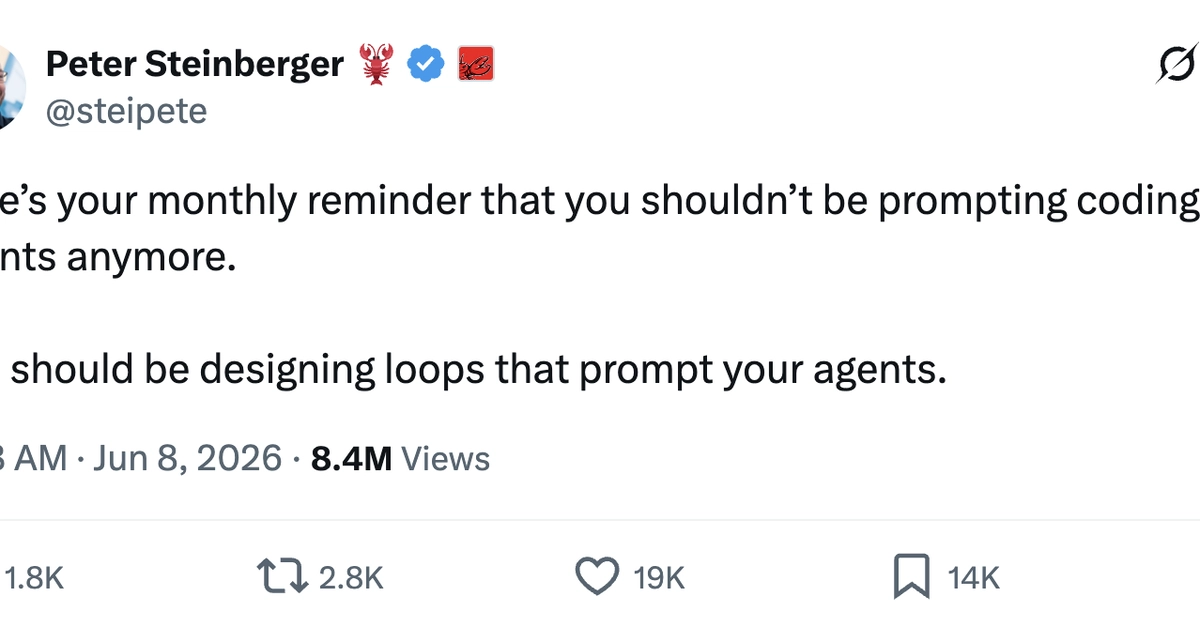
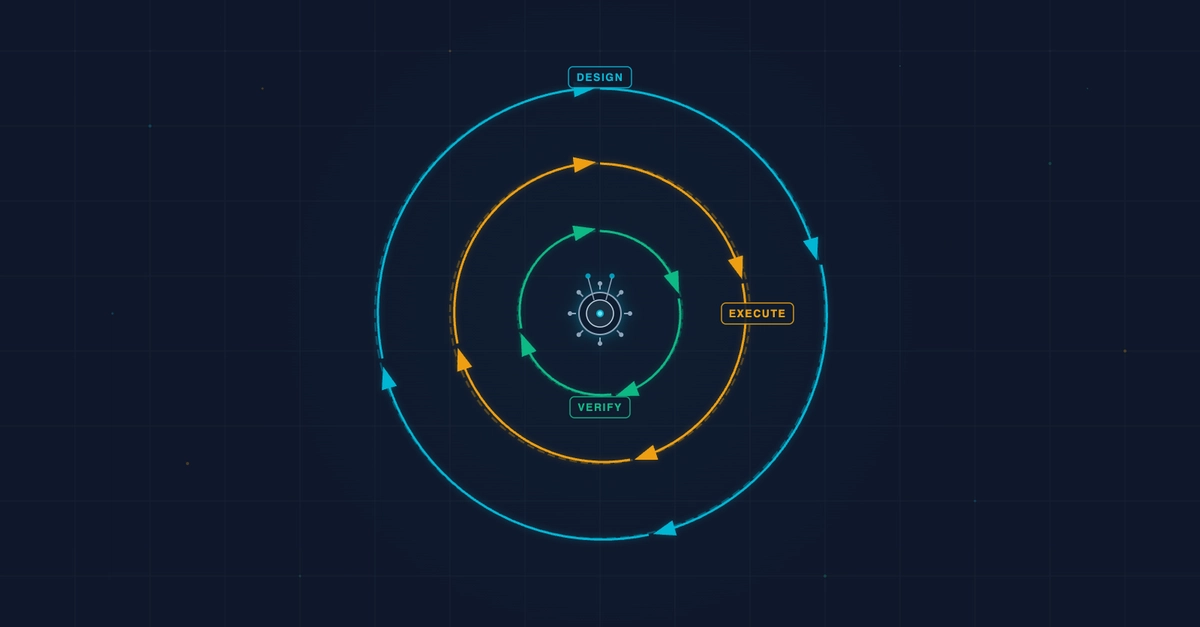
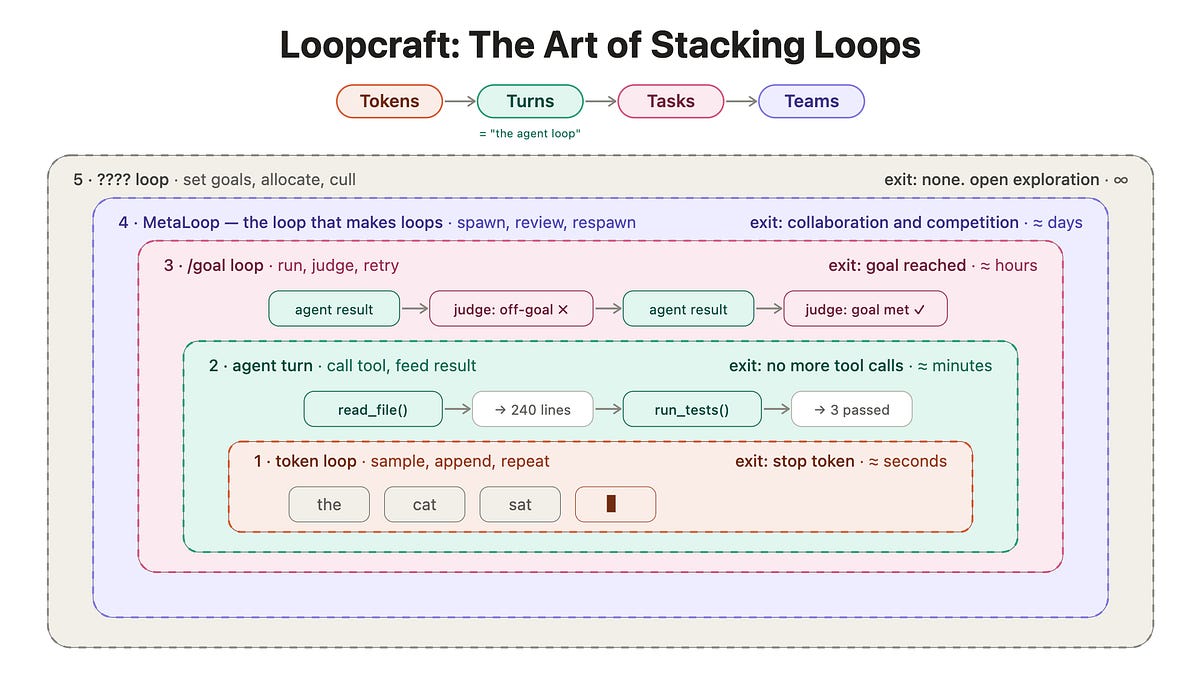
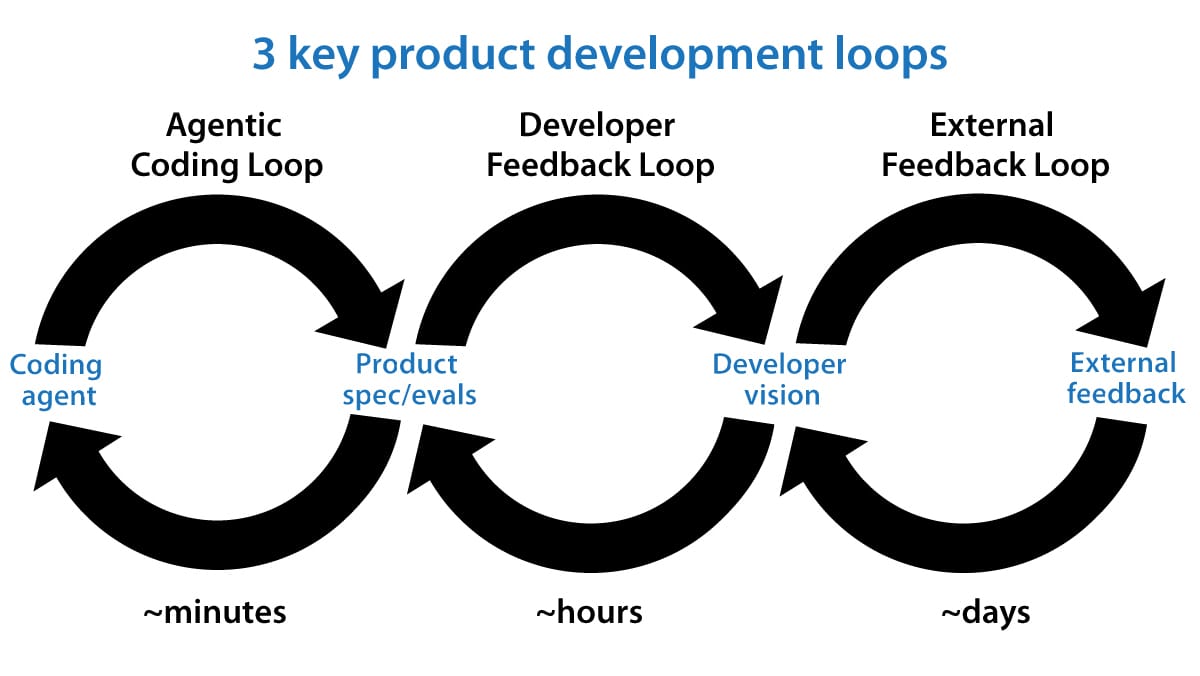
Then Peter Steinberger dropped a post that put a name on it: loop engineering. The idea is simple but the implications are massive. You stop writing prompts. You start designing the systems that prompt agents for you. The agent enters a cycle — reason, act, observe, repeat — and it doesn't stop until the goal is met or the budget is hit.
That immediately raised a question for me: if agents are going to run autonomously in loops, what happens when the "act" step involves money?
I run Spraay — an x402 payment gateway with 170+ endpoints across 16 chains. Agents already call our batch payment, escrow, and payroll endpoints through an MCP server. But every one of those calls was fire-and-forget. The agent sends a request, gets a response, and has no way to know when the payment actually settles unless it polls. Polling burns tokens. Burned tokens cost money. And in a loop, that cost compounds on every cycle.